The Frugal Living Mistakes I Made So You Don’t Have To
When you chase every tiny discount, skip outings with friends to “save money,” or buy the cheapest thing that breaks in six months, you’re not actually being smart with your budget—you’re just exhausted and frustrated. I’ve made all those mistakes and more, and they cost me time, energy, and actual cash. If you’ve ever wondered why your frugal efforts don’t feel worth it, here’s what I wish someone had told me sooner.
Chasing Every Tiny Deal While Ignoring the Big Wins
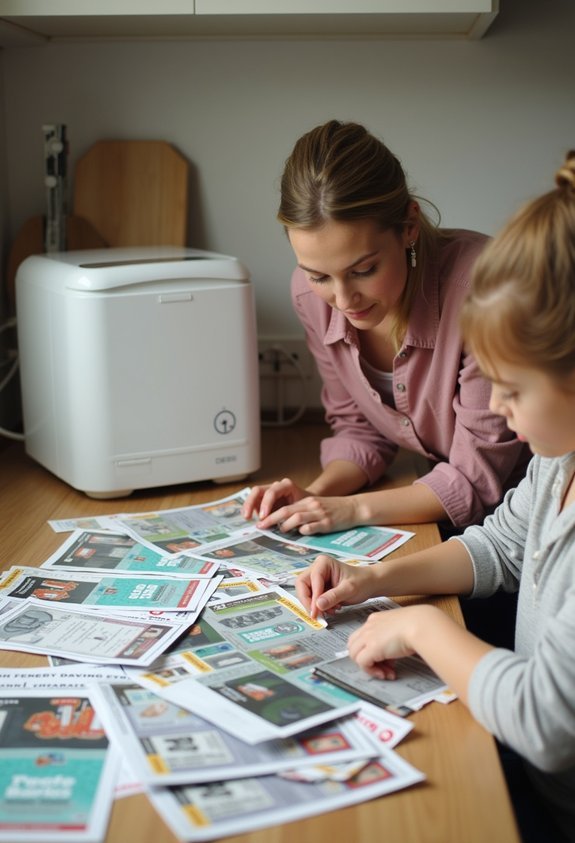
Even if you’re proud of stacking coupons and driving across town for a 10-cent gas discount, you might be bleeding cash in the areas that matter most.
Track one normal week and list every “deal chase” errand: extra stops, apps, emails, line waits. Next, assign each hour a dollar value based on your take‑home pay. That’s your opportunity cost. Compare it to what you actually saved.
Track every deal-hunting errand, price your time, then see if those “savings” actually cost you more
If you’re spending an hour to save $2, you’re not frugal; you’re stuck in deal fatigue. Redirect that time toward big wins: renegotiating insurance, switching cell plans, automating bill pay, cooking simple bulk meals, or asking for a raise.
One focused hour there can beat months of coupon marathons. Protect your budget by hunting fewer, smarter savings instead.
Cutting All Fun and Burning Out on Your Budget
Somehow, “being good with money” can morph into “I’m not allowed to enjoy anything.”
When you cut every latte, night out, and small treat, your budget stops feeling like a plan and starts feeling like punishment—and that’s when binge spending sneaks in.
I did this, then “saved” for weeks only to blow hundreds online.
To avoid that cycle, build budget balance on purpose. Add a small “fun” line—maybe 5–10% of your income—so you can say yes without guilt. Protect it like a bill.
Track your enjoyment factor: which low-cost things give you the biggest lift? Walks with friends, library books, DIY spa nights, game nights.
Schedule those first, then trim the forgettable stuff you don’t miss. That way, frugality feels sustainable, not self-punishing anymore.
Buying the Cheapest Option Instead of the Best Value

Once you allow some fun in your budget, the next trap shows up: chasing the rock-bottom price instead of real value. You grab the $10 shoes, then replace them three times in a year. That’s not frugal; that’s expensive in slow motion.
Before buying, pause for a quick value analysis: cost ÷ expected lifespan. If a $40 pair lasts four times longer, it’s the better deal. Do a simple quality assessment too—check fabric weight, seams, reviews, and warranties.
Ask, “Will this survive regular use?” and “What will it cost me in repairs or replacements?” Track how long big purchases actually last. Over a few months, you’ll see patterns and start choosing durable, budget-friendly winners.
That habit alone can slash waste and stabilize your budget.
Confusing Being Frugal With Being Stingy
While you’re cutting costs and tightening your budget, it’s easy to slide from smart frugality into plain stinginess without noticing. A healthy frugal mindset helps you spend with intention; stingy behaviors make you and everyone around you feel deprived.
I learned this when I skipped a friend’s birthday dinner to “save money,” then spent the night scrolling deals I didn’t even need.
Use questions to check yourself:
- Are you cutting essentials that protect your health or relationships?
- Do you feel anxious time you spend, even on planned expenses?
- Are you quick to accept generosity but rarely offer any in return?
- Do you hide behind “I’m broke” when it’s “I don’t want to share”?
Adjusting these habits keeps your budget lean, not your life.
Ignoring Your Time and Energy Costs

Just like confusing frugality with stinginess can cost you relationships, ignoring your time and energy costs can quietly drain your life in the name of “saving money.”
You batch-cook to cut food expenses, then spend five exhausted hours on a recipe that only saves $4 compared to a simpler meal plan.
Before chasing every discount, ask, “What’s my hourly rate for this?” If a deal saves $3 but eats 40 minutes, it’s not a bargain.
Practice basic time management: limit price-comparison rabbit holes, automate bills, and shop from a list.
Track chores that leave you drained and label them “high energy investment.” When possible, simplify, outsource, or batch them smarter.
Your goal isn’t the lowest sticker price; it’s the best value for your life.
Letting Guilt and Shame Drive Every Money Choice
Guilt can masquerade as “responsibility” and quietly wreck your budget. You say yes to every dinner invite, every fundraiser, every subscription because saying no feels selfish.
That’s guilt driven spending, not generosity. I used to buy gifts I couldn’t afford so people wouldn’t think I was struggling—purely shame related choices.
Guilt spending isn’t generosity; it’s buying approval with money you don’t actually have
To break this, pause before you pay and ask, “If I felt zero guilt, would I still spend?”
Then take one small step:
- Set a monthly “giving and social” line in your budget and stick to it.
- Practice saying, “That’s not in my budget, but I’d love a rain check.”
- Choose lower-cost ways to show up for people.
- Track guilt-trigger purchases and review them weekly to spot patterns and change.
Trying to DIY Everything Instead of Choosing Your Battles

Instead of saving you money, trying to DIY everything can quietly drain your time, energy, and cash. I once spent three weekends fixing a leaky sink, only to call a plumber anyway. You’ve probably done something similar.
To avoid that, start with a quick skill assessment: can you realistically learn this, or will you guess and redo? Next, list your strategic projects—jobs that save significant money or teach reusable skills—and focus there.
Accept your DIY limitations for tasks that demand certifications, risk damage, or take more than they’re worth. Use basic time management: assign an hourly value to your time, then compare it to quotes.
Smart resource allocation means you protect both your budget and your bandwidth for future goals, not constant emergency fixes.
Refusing to Spend on Skills, Tools, or Resources That Pay Off
Although it feels “more frugal” to avoid any new expense, refusing to invest in skills, tools, or resources that actually pay off keeps you stuck in permanent beginner mode. You keep patching problems instead of preventing them.
Start with a simple value assessment: will this purchase reduce bills, earn more income, or save time regularly? If yes, it’s not indulgence; it’s strategic spending.
- Pay for skill investments that raise your hourly earning power.
- Use education budgeting: free sources first, then targeted paid courses.
- Buy essential tools once, instead of replacing cheap versions repeatedly.
- Track the opportunity cost of staying untrained or poorly equipped.
Protect cash flow with careful resource allocation, but recognize long term savings often require spending a little upfront for future gains.
You may also like:





Budgeting Without Clear Priorities or a Realistic Plan

When you try to “budget” by just cutting random expenses without clear priorities, you end up exhausted, confused, and no closer to your goals.
Cutting random expenses without clear priorities just burns you out and stalls your progress
I used to slash everything fun, then panic when car insurance or birthdays hit, blowing up my “plan.” You might do the same—saving on coffee while ignoring rent increases or debt interest.
Instead, set budget priorities first: housing, food, transportation, minimum debt payments, then savings. Rank them. Ask, “What actually moves my life forward this month?”
Next, do realistic planning. Look at three months of statements. Note non‑monthly costs: gifts, renewals, medical co‑pays, travel.
Divide each by twelve and add them to your monthly budget. Now you’re not guessing; you’re directing every dollar on purpose. That’s when progress feels doable.
Forgetting That Money Is a Tool, Not the Ultimate Goal
Obsession with saving can creep in so quietly that you don’t notice you’ve stopped actually living your life. You skip every coffee with friends, cancel hobbies, and call it discipline, but it’s really fear.
A healthy money mindset treats cash as fuel, not a trophy you lock away. Ask yourself, “What do I want financial freedom for?” Then budget backward from those answers.
- Define 3–5 life priorities, then assign actual dollar amounts to each.
- Add a small “joy” line to your budget so fun is planned, not guilty.
- Set a savings cap for certain goals; once reached, spend freely within it.
- Schedule regular check-ins to confirm your spending still matches your values.
That way, money supports your life instead of quietly becoming your life.
Conclusion
Walk forward with your budget like it’s a map, not a pair of handcuffs. You don’t have to chase every penny in the couch cushions while hundred-dollar decisions slip by. Choose value over “cheapest,” fun over burnout, and generosity over stinginess. Protect your time like it’s money, and spend on tools and skills that sharpen your future. When you treat money as a hammer, not a trophy, you finally start building the life you actually want.