Why I Stopped Needing Stuff to Feel Secure
You stopped needing stuff to feel secure when you realized your things were acting like tiny emotional bodyguards—but also, tiny, very needy bosses. You saw that clutter wasn’t “being prepared,” it was just fear in physical form (hello, 17 “just in case” mugs). As you built safer relationships, learned to calm yourself without shopping, and set up real security—locks, insurance, skills—you discovered you feel lighter, safer, and freer with less…and that’s where this gets good.
What you will leave with
- I realized my clutter was controlling my time, space, and emotions, acting like an overbearing boss instead of supporting my life.
- I learned that real safety comes from steady, kind relationships and community, not from stockpiled objects “just in case.”
- By organizing essentials and knowing what I own, I reduced anxiety about loss and stopped buying backups to feel prepared.
- Building emotional awareness, coping skills, and earning ability gave me confidence that I could handle problems without hiding behind possessions.
- Reframing belongings as tools, not security blankets, allowed me to embrace minimalism, prioritize experiences, and feel lighter with less.
When Possessions Became My Protection
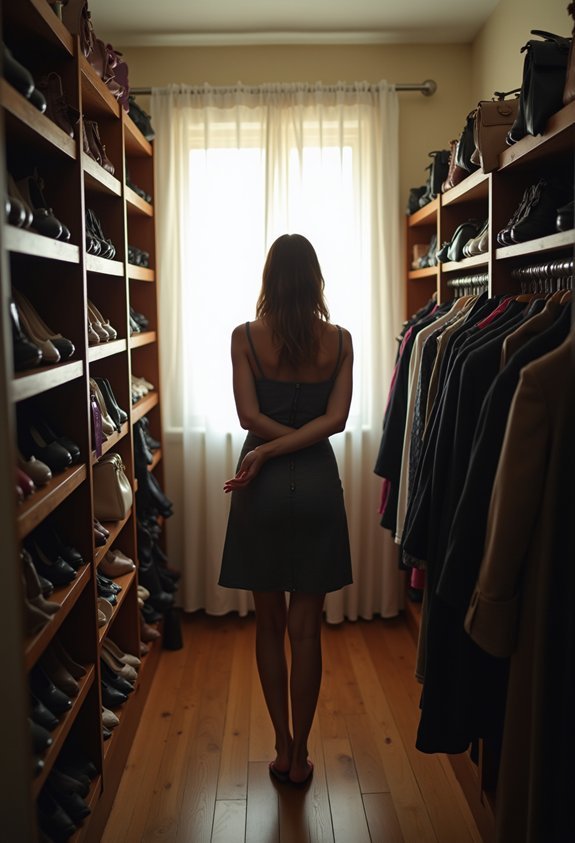
If I’m really honest, my stuff didn’t just fill my shelves—it started filling in for actual safety.
You might know that feeling—when possessions comfort you more than people do, when a soft blanket or old hoodie feels like your real emergency plan.
Soon, each item turns into armor—tiny emotional shields stacked in closets and under beds, “just in case.”
You tell yourself you’re being smart and prepared, but really, you’re trying to feel less alone, less shaky inside, using objects as backup hugs when you’re sure no one’s got you.
So you hold on tighter.
It’s not greed, it’s protection—your things feel like proof you’ll survive, even when your confidence says, “Uh…are you sure?”
Over time I learned that this “armor” also kept me stuck in everyday overwhelm, where clutter quietly ramped up my stress and made it harder for my nervous system to ever feel truly safe.
How Childhood Insecurity Turned Into Clutter
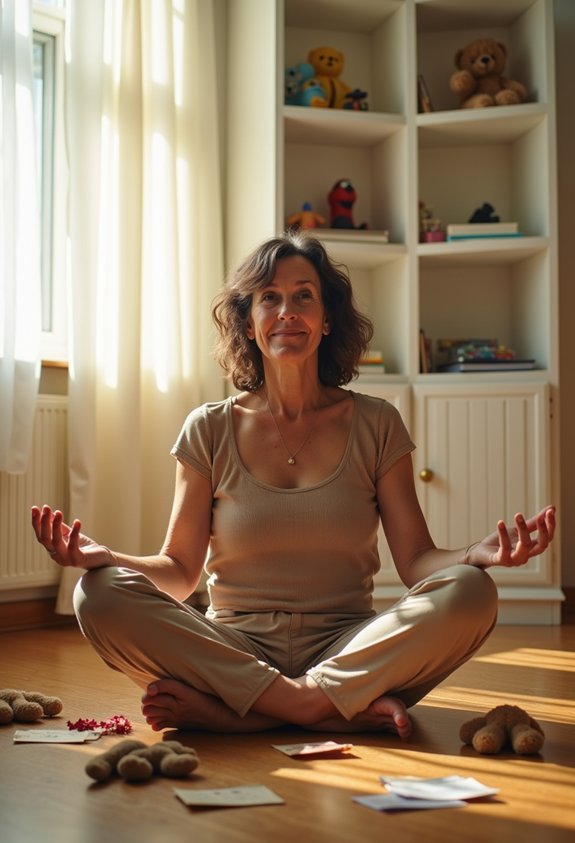
Parents praise new shoes, not your feelings, so things start to feel safer than hugs.
Attachment insecurity makes you trust shelves and drawers more than actual humans.
Every object holds a “what if I need this?” story, and fear says, “Better keep it.”
Over time, that fear-based stockpiling quietly turns your home into a storage unit instead of a place that supports how you actually live.
The Moment I Realized My Stuff Was Owning Me
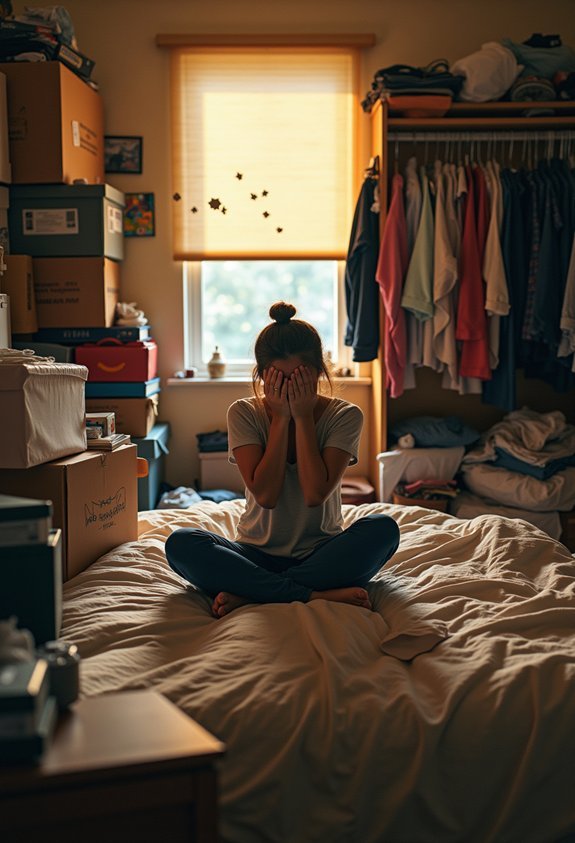
One day it hit me—my stuff wasn’t just *mine*, it was basically my tiny, overbearing boss.
You know that moment when you look around and think, “Wow, my room looks like a storage unit had a meltdown”?
That creeping horror when your room suddenly looks like a storage unit mid–nervous breakdown
That’s emotional fatigue teaming up with clutter accumulation, and it sneaks up on you, one “might need this” at a time—then suddenly your closet’s a panic attack with hangers.
You don’t feel in control, you feel managed—by shoes, old cables, backup toasters, and five “just in case” jackets, each one promising security, then demanding space, cleaning, worry.
Over time, every object quietly demanded space, care, and justification, piling on decision fatigue I didn’t even notice I was carrying.
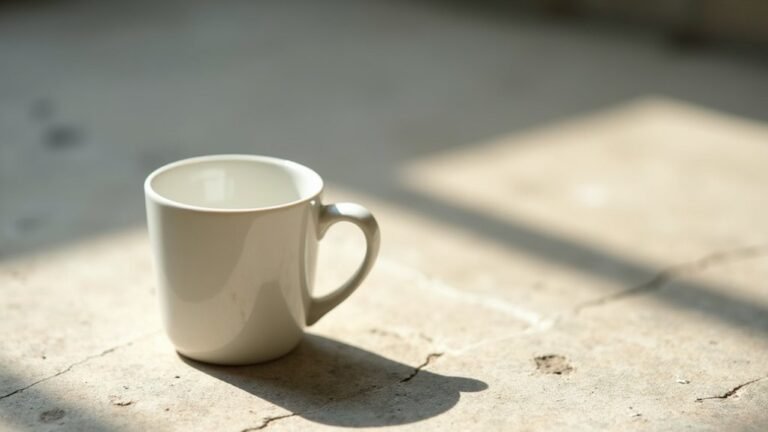
When you catch yourself guarding a chipped mug like it’s your actual identity, you realize the truth.
You’re not owning your stuff.
It’s owning you.
Understanding the Link Between Attachment and Materialism
Somewhere along the way, your heart and your shopping cart ended up holding hands.
That’s not random—it’s your attachment styles quietly shaping your consumer behavior, nudging you toward material possessions when you feel shaky inside.
When you don’t feel like you have a secure base with people, stuff steps in as Plan B—offering quick emotional regulation, but also pushing you toward compensatory strategies that never fully work. Research shows that emotional spending often appears as a coping strategy, especially when triggers like stress, boredom, or loneliness go unaddressed.
- You expect partners to meet idealized standards, then feel let down and lonely.
- You cling to objects that feel “safe,” while real interpersonal relationships stay scary.
- You spend for comfort (hello late‑night online carts), then feel guilty, yet still weirdly attached.
It’s not you being “shallow”—it’s your attachment system, just trying its best.
Building Safety Through People, Not Possessions
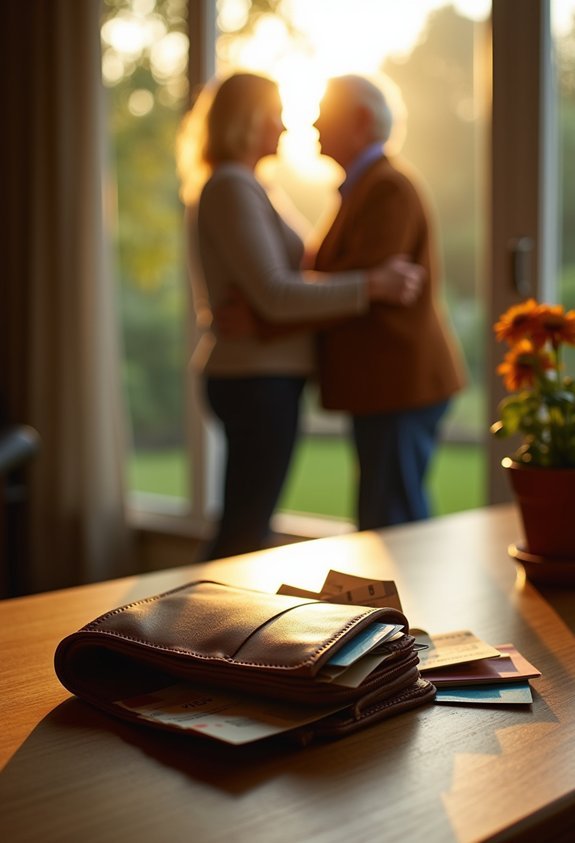
Even though your brain keeps whispering, “We just need that one more thing from Target,” what you actually need is people who feel like home—friends who text back, a partner who shows up, a community that notices when you go quiet.
Safety starts in your nervous system when you feel “held” by real social connections, not held by another package on your porch. When you start organizing your days around livability over productivity, the space you create makes it easier to actually see and feel the people who help your body relax.
You feel braver depending on people—and letting them depend on you—when relational trust grows through small, steady moments (the ride to the airport, the “text me when you get home,” the coworker who actually means it).
Over time, those daily check‑ins, shared jokes, and “you good?” messages become your true security system—louder than any shopping impulse.
Relearning Comfort: Emotional Regulation Without Buying

Because your brain has trained you so well to click “Add to cart” when life feels hard, it can seem like the only way to calm down is with a package, a snack, or a new project from the “Treat Yourself” department.
But your nervous system isn’t Amazon Prime, and it doesn’t actually need two‑day shipping to feel okay.
Mindfulness practices help you pause, notice, and name what you feel—“I’m scared,” “I’m lonely,” “I’m bored”—without judging it or rushing to fix it with stuff.
- Slow breathing, body scans, and short meditations
- Cognitive reappraisal—telling a new story about what’s happening
- Simple movement, art, or talking with a friend
You’re not denying feelings—you’re learning to ride them, hands a little shaky, but still on the wheel. Over time, these practices help you replace retail therapy with healthier coping strategies that actually soothe the emotions driving the urge to buy.
Practical Steps I Took to Need Less and Feel More
Anybody can say, “Stuff doesn’t make you secure,” but I didn’t believe it until I started changing tiny, boring things in how I handled my life and my things.
You start by knowing what you actually own—photos, serial numbers, receipts, all in one clear inventory, so if something’s lost, you’re not lost too (it’s wildly un‑glamorous, but it calms your brain fast).
Then you sort deeds, titles, insurance papers into simple folders or encrypted files, label boxes like a real adult, and keep valuables off the floor, in safes, or safe deposit boxes—less panic, fewer “where is it?” meltdowns. Using a quick five-minute timer on small areas and asking whether each item truly supports your current life keeps clutter from quietly rebuilding the insecurity you’re trying to leave behind.
With good locks, smart security, and updated insurance, you feel safer, so minimalist living becomes possible—and emotional freedom finally feels real.
Living Light: Security Beyond What I Own

At some point you realize you’re not actually chasing “stuff”—you’re chasing a feeling you hope the stuff will give you.
You think a new phone means safety, or ten blankets mean you’ll never be lonely on a cold night.
But when you feel loved and supported, you don’t cling so hard—you stop pricing old sweaters like rare art.
Interpersonal security lowers the “emergency value” of your things, and a minimalist mindset starts to feel possible, even kind. When your home feels like a place of safety and comfort, your nervous system relaxes and you no longer need clutter to feel protected.
You may also like:

Try building security beyond what you own:
- Invest in steady, kind relationships
- Grow skills that help you earn, fix, and adapt
- Strengthen emotional resilience, so fear doesn’t send you shopping
Then your stuff becomes useful, not magical—and you can finally live light.
In case you were wondering
How Do I Know if My Attachment to Stuff Is Actually Hoarding?
You know it’s hoarding when emotional attachment and anxiety stop you discarding low‑value items, clutter blocks rooms’ normal use, you avoid decisions, feel shame, and a clutter assessment shows serious safety, daily‑living, or relationship impairment.
Can Materialism Ever Be Psychologically Healthy, or Is It Always Avoidance?
Materialism can be psychologically healthy when you use it intentionally for comfort, identity, or goals, but it becomes avoidance when psychological attachment to possessions replaces emotional processing and crowds out relationships, growth, and non-materialism benefits like autonomy and meaning.
What if My Family Still Equates Love and Success With Owning Things?
You can’t change them, but you can update your own family values. Name gifts as one love language, redefine success definitions around character and connection, and treat the material legacy as optional story, not your worth.
How Do I Navigate Social Media Pressure to Buy for Security and Status?
You navigate it by noticing social comparison like a rigged carnival game—63% of Gen Z bites the bait. Mute influencers, unfollow status symbols, set time limits, and ask, “Does this match my real needs and values?”
Are There Cultural or Economic Reasons I Cling to Possessions That Therapy Might Overlook?
Yes. You might cling to possessions because cultural narratives tie stuff to identity and family success, while economic influences like inequality, credit, and advertising amplify security fears. In therapy, you’d name and gently challenge those external scripts.
Conclusion
So here’s the wild thing—you test that old theory, “More stuff = more safety,” and it just falls apart.
You feel safer when you text a friend, take a walk, or sit with your feelings—no shipping required, no cardboard boxes. It’s messy, you’ll backslide (hello, late‑night cart), but you’ll notice something: as you need less, you feel more grounded, more brave, and strangely free. Turns out, security was never in your closet.