Why I Embrace Minimalism Without the Label
You don’t have to call yourself a minimalist to want less noise—less stuff, less pressure, less “add to cart.” You just want a home that feels calm instead of like a storage unit, a closet that’s easy to dress from, money that isn’t leaking on impulse buys, and a brain with fewer open tabs. You’re not chasing an aesthetic, you’re choosing peace, focus, and space for what you actually care about—and that’s exactly what we’ll unpack next.
What you will leave with
- I prefer the benefits of simple living—clarity, calm, and fewer decisions—without needing to adopt a “minimalist” identity or aesthetic.
- By focusing on what I truly use and love, I reduce clutter, stress, and guilt while keeping my space easy to maintain.
- Mindful consumption saves money and energy by pausing before purchases, avoiding marketing pressure, and choosing durable items I’ll actually use.
- Living with fewer, better things opens time and mental space for rest, relationships, and meaningful work rather than chasing status or trends.
- Rejecting the label lets my choices reflect personal values and comfort, not external rules about how a “real minimalist” should live.
When Less Started to Feel Like More
But that’s usually when less starts to feel like more—more calm because you’re not choosing between 12 almost‑identical shirts, more energy because you’re not cleaning the same random pile of stuff every night, and more mental space because your brain finally isn’t juggling a hundred tiny decisions (like which scented candle is “right” for a Tuesday).
You notice it in tiny ways first—your room looks clearer, your head does too, and you can actually finish a thought.
With fewer options, your brain stops melting from decision fatigue, so you’ve got more focus, more creativity, and way less snapping at people for no reason (helpful).
You’re making intentional choices now, keeping what supports joyful simplicity, letting go of the rest, and your mood slowly shifts—from tense and scattered to steady, grateful, and actually present. As you keep trimming the excess, you start to see how streamlined routines and calmer spaces make it easier to protect time for real rest, better focus, and the relationships that matter most.
Choosing Calm Over Constant Consumption
Even though the world keeps yelling “buy more, upgrade, add to cart,” there’s this quiet part of you that just wants to exhale.
You’re tired of chasing every sale, every “must‑have,” then wondering why your home, your wallet, and your brain all feel stuffed.
Choosing calm means mindful consumption—asking, “Do I really need this, or am I just bored, stressed, or scrolling?”
When you pause like that, you save money, dodge decision fatigue, and skip the guilt of impulse buys that live in a closet forever (next to that “aspirational” yoga mat).
You also begin to notice how clearing physical and digital excess lowers your cognitive load, making it easier to focus on what actually matters.
You start making sustainable choices: reusables instead of disposables, repairing instead of replacing, borrowing instead of buying—helping the planet, your budget, and your nervous system all chill out together.
How “Low-Desire” Living Reshaped My Priorities
Once I started playing with this idea of “low-desire” living, my whole list of “important stuff” quietly flipped.
You stop chasing every “should” and “must,” and you start asking, “Do I even want this—or did Instagram tell me to?”
Instead of planning your life around buying more, climbing faster, and saying yes to everything, you practice desire reduction—fewer wants, fewer fake goals, fewer stress headaches that show up like uninvited guests at 2 a.m.
Desire reduction: fewer wants, fewer fake goals, fewer 2 a.m. stress headaches running your life
Priority alignment sneaks in: real rest beats overtime, a slow walk with a friend beats another “networking” event, and caring for your brain beats impressing strangers. By treating your environment and schedule like a filter, you naturally clear out mental clutter and distractions so your real priorities have room to breathe.
You still have goals—just fewer, calmer ones, centered on health, honest relationships, and work that actually means something.
Creating a Home That Breathes, Not Bursts
You’ve started asking what you really want from your life—now it’s time to ask what you really want from your couch, your closet, and that one junk drawer that could probably swallow a small city.
A home that breathes starts with spatial harmony—every item has a clear job, or it quietly leaves. When you practice mindful organization, you’re not chasing a Pinterest-perfect house, you’re just lowering the noise in your head, room by room, corner by corner. As you clear space, you also clear clutter anxiety, loosening the emotional weight that every unused object quietly places on your mind.
- One comfy couch, not three lumpy ones
- Clear counters, with only what you actually use
- A small “landing zone” for keys, mail, and bags
Less stuff means less cleaning, less guilt, more calm—and way fewer mystery piles.
Rethinking Work, Time, and What I’m Working For

How did work get so loud that answering one email feels like trying to bail out a sinking boat with a spoon?
You open your laptop “for a minute,” then suddenly it’s 4 p.m., your brain’s fried, and your real work’s untouched.
You’re not lazy—you’re drowning in fake work. Endless meetings, app-switching, half-finished to‑dos, and “got a sec?” pings eat your focus, steal your creativity, and wreck work life balance before lunch. It’s no wonder your nervous system tips into chronic overload, leaving you scattered, tense, and too drained to do the work that actually matters.
So you rethink it.
You block 25‑minute focus sprints, batch emails twice a day, and cancel meetings that could’ve been a three-line update.
You try simple productivity strategies—an Eisenhower list, 10 minutes of planning, a “must‑do three” each morning—and notice something wild: less noise, more done, and a workday that finally feels like it’s serving your life, not swallowing it.
My Wardrobe: Fewer Pieces, Easier Decisions
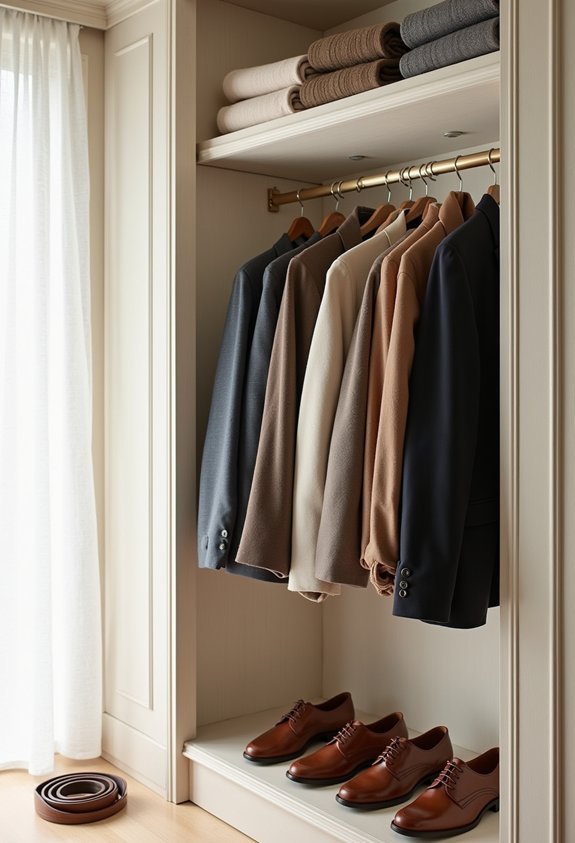
Even if the rest of your life feels a bit chaotic, your closet doesn’t have to join the circus.
When you own fewer pieces, you get instant wardrobe efficiency—less digging, less “nothing to wear” drama, more calm mornings.
Instead of twenty shirts you kind of like, you keep ten you actually wear, and your brain relaxes, because decision clarity shows up every time you open the door and see only good options, not a fabric avalanche of “meh.”
Trade twenty “it’ll do” shirts for ten favorites, and buy back your brain every single morning
By treating your closet as a place to practice removing the excess, you build the same clarity and calm you want in the rest of your life.
- Jeans that fit, go with every top, and don’t demand special washing
- Neutral tees and sweaters that mix‑and‑match without thinking
- Shoes that work for work, errands, and “I’m pretending to be social” nights
You’ll do less laundry, less outfit math, and honestly, less stressing about clothes.
Spending With Intention, Not Impulse

A calmer closet is a great start—but your cart, both online and in‑store, deserves the same peace.
Most people impulse buy—scroll, click, oops—and the numbers prove it, but you’re not stuck there.
Try this: when something tempts you, pause and ask, “Did I plan this, or did it just appear?”
If it wasn’t planned, park it in a 24‑hour wishlist, walk away, and see if you even remember it tomorrow—because if you can’t remember it, you probably don’t need it.
Mindful spending isn’t about never buying fun things, it’s about making intentional choices that actually fit your life.
By learning your shopping triggers and inserting a brief pause before you buy, you retrain your brain to crave non-spending wins instead of quick dopamine hits from impulse purchases.
A book you’ll reread, shoes you’ll wear weekly—that’s the goal, not another dusty “what was I thinking?” purchase.
Environmental Values Without the Moral High Ground
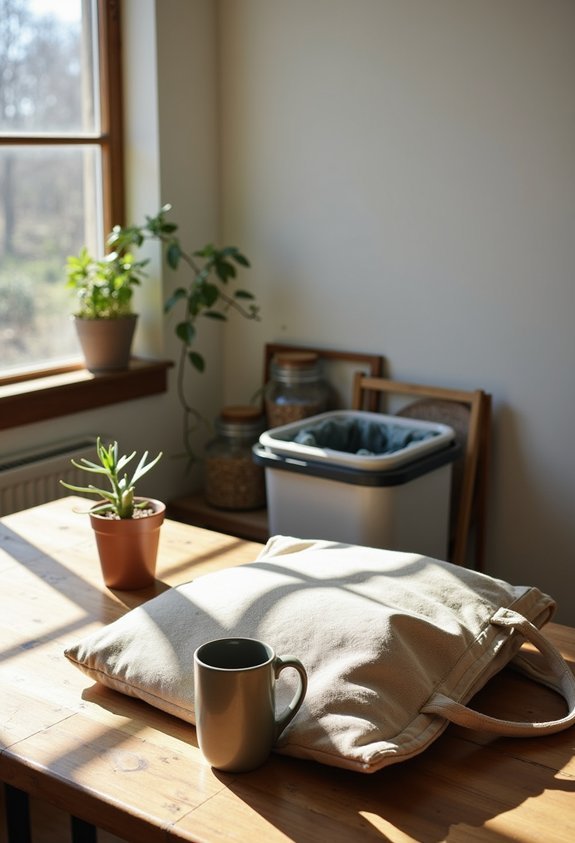
Honestly, talking about “saving the planet” can get weird fast—like someone’s about to grade your recycling bin.
Trying to be “eco-perfect” is exhausting; small, honest choices matter more than performative planet‑saving
You don’t need that pressure, and you don’t need a “perfect eco hero” badge to care.
Instead, you just practice conscious consumption—buying fewer things, using them longer, and skipping stuff you don’t even like.
Those “buy less” moves quietly cut production, shipping, and trash, which means fewer factories running, fewer planes and trucks moving, and less junk in landfills.
As you need less and spend less, you often discover a quiet budget surplus that makes it easier to be generous with your money, time, and attention.
- You keep one good pan, not five “meh” ones.
- You wear your favorite jeans on repeat, not twenty fast‑fashion pairs.
- You use a sturdy bottle, not endless plastic.
They’re simply sustainable choices—no moral high ground, just less waste and more breathing room.
Navigating the Commercial Side of “simple Living
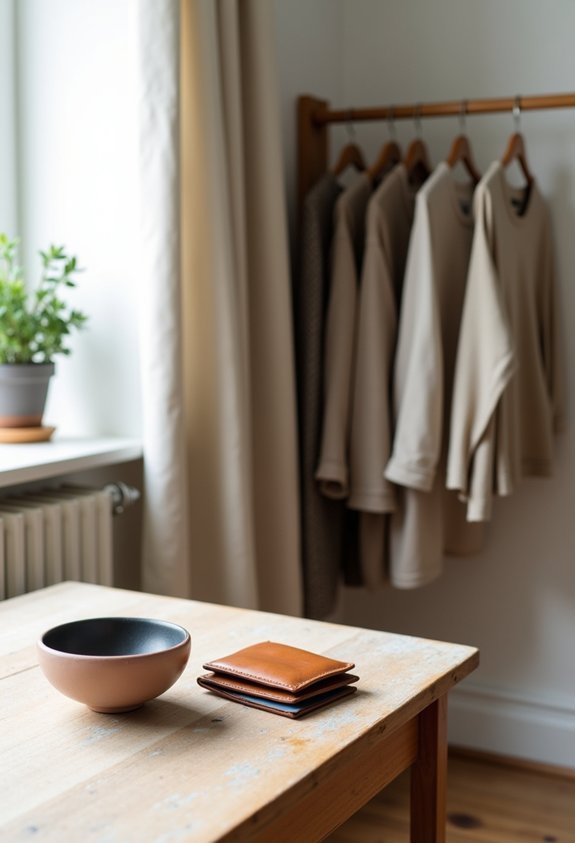
While “simple living” sounds soft and cozy, the commercial world around it’s anything but chill.
You see it everywhere—ads for “eco” candles, $300 linen sets, even “minimalist” senior communities promising commercial space optimization.
It’s the same story in assisted living, where big money chases “simple” lifestyles, glossy lounges, and perfect model units.
So you have to pause, breathe, and ask, “Is this mindful consumption—or just clever marketing wrapped in beige and wood tones that makes me feel behind unless I upgrade my entire life?”
Instead of buying the full lifestyle package, you can borrow the useful parts—clear layouts, shared spaces, fewer but better items—and skip the pressure to keep spending just to “stay simple.” When you look past the branding and focus on how your space actually feels, you start to notice how reducing clutter and visual noise can ease everyday overwhelm in a way that expensive “minimalist” products never will.
Living Minimally Without Making It My Identity
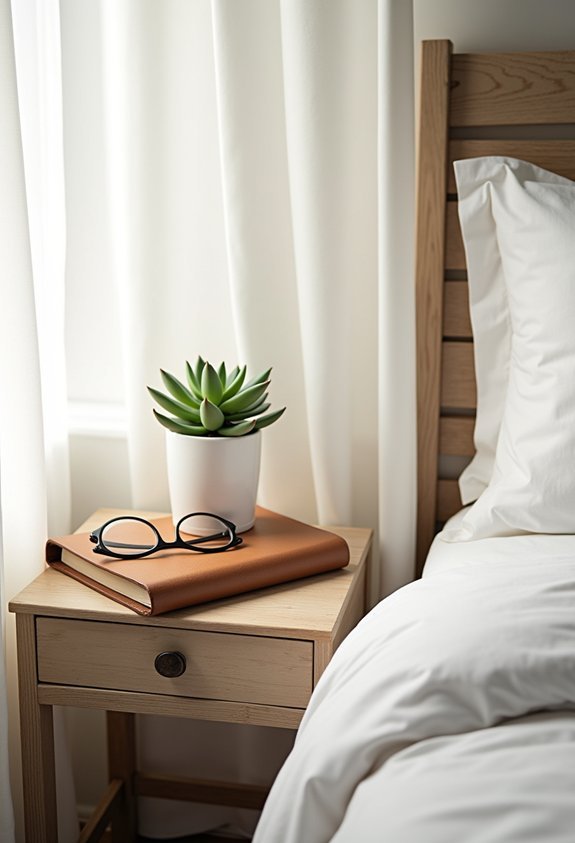
You don’t actually have to become “a minimalist” just because you like clear counters and fewer coffee mugs.
You can live with less, enjoy more space, and still roll your eyes at tiny-house tours on YouTube.
You’re choosing mindful consumption because it fits your values, not because you want a new label.
You care about waste, money, time, and energy, and you’d rather save them for things that bring real personal fulfillment—like long walks, game nights, or finally finishing that book you pretend you’ve read.
You may also like:

Living with less can quietly transform how you manage your time, money, and energy, freeing up attention for what actually matters.
- Keep what you truly use and love
- Question new buys (do you really need a fourth black hoodie?)
- Let your choices, not a label, show what matters
Simple. Quietly powerful. Still totally you.
In case you were wondering
How Do You Handle Gifts That Don’T Align With Your Minimalist Choices?
You accept graciously, thank the giver, then practice gentle gift etiquette: later donate, re-gift, or repurpose. You share thoughtful alternatives—experiences, consumables, or charity donations—so future gifts support your minimalist choices without hurting feelings.
Can Minimalism Work in a Shared Household Where Others Aren’T Minimalist?
Minimalism can work in a shared household; you don’t need everyone to convert. You set boundaries, focus on your own things, negotiate shared spaces respectfully, and honor differing values while modeling calmer, clutter-light living others may gradually appreciate.
How Do You Practice Minimalism When You Have Children or Dependents?
You practice minimalism with kids by choosing fewer, versatile toys, using child friendly organization, and involving them in decluttering. You prioritize experiences, set gifting boundaries, reduce screens, and use mindful parenting to explain “enough” and model contentment.
Does Minimalism Ever Feel Lonely or Isolating Socially?
It can, especially when friends prioritize consumption. You counter that by intentionally nurturing deep social connections, sharing experiences instead of stuff, and using digital minimalism to reduce noise so you’re present, which actually strengthens emotional wellbeing and belonging.
How Do Cultural or Family Expectations Affect Your Version of Minimalism?
Cultural influences and family traditions quietly script your “needs,” so you heroically declutter…until holiday gifts flood back in. You navigate expectations, keep fewer yet meaningful objects, and show them love isn’t measured in square footage or shopping bags.
Conclusion
So you don’t need a “minimalist” badge—you just keep choosing what feels light, honest, and real.
You let one extra shirt go, say no to one extra meeting, skip one more “must-have” gadget, and slowly your life starts to breathe again—like loosening a tight ponytail at the end of a long day. It’s not perfect, you’re not a monk, you’re just someone making space for a life that actually fits.