The Truth About Living Simply With Kids
You want a simpler home, but life with kids rarely looks calm or clutter-free. Research shows that children actually function better with fewer choices and predictable routines, yet most parents feel buried in stuff, schedules, and guilt. You don’t need a capsule-toy-collection or perfect systems—you need clear values, a few doable habits, and realistic expectations. Once you see what “simple” really looks like with kids, your daily decisions start to change in surprising ways…
Redefining “simple” When Children Are Involved

Even if you once imagined “simple living” as a quiet, clutter‑free home with long stretches of calm, adding children changes what simplicity realistically looks like.
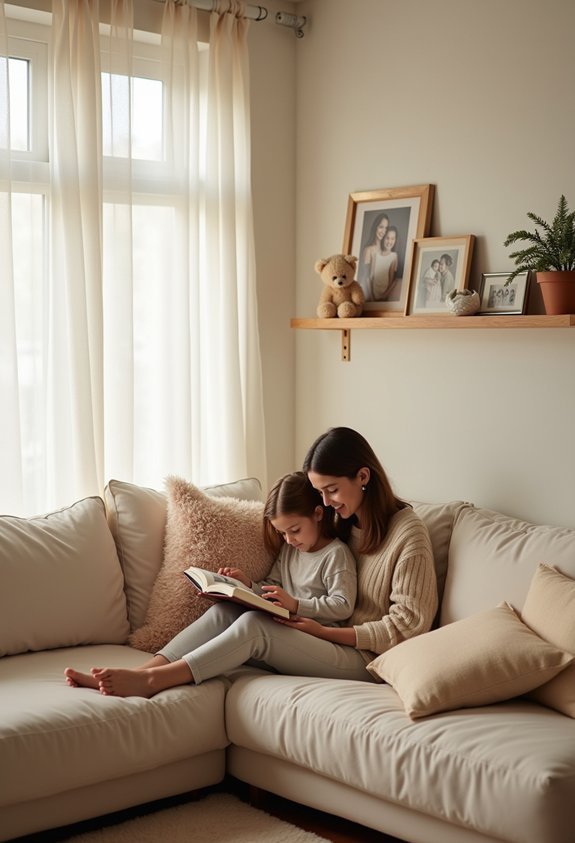
Instead of aiming for perfection, you focus on what research shows actually matters: connection, routines, and enough rest. Simplicity becomes fewer but more meaningful toys, predictable rhythms, and realistic standards for meals and mess.
Simple living with kids means prioritizing connection, steady routines, real rest, and good‑enough homes, not perfection.
With mindful parenting, you notice your own stress signals and your child’s needs, then respond rather than react. You practice intentional living by saying no to extra commitments so you can say yes to shared reading, unstructured play, and time outside.
Simple doesn’t mean easy; it means aligning your family’s daily life with your real values and limits. You adjust expectations as your family changes.
Common Myths That Make Parents Feel Behind
Many parents quietly compare themselves to an invisible checklist of what a “good” family should look like, and those hidden standards are often built on myths. You’re told real simplicity means a spotless home, perfectly behaved kids, and elaborate organic meals.
Research shows that chasing perfection increases stress and reduces meaningful connection. Myth debunking starts with noticing where parental pressure comes from: curated social feeds, well-meaning relatives, even school emails.
Another myth says more activities equal better opportunities. In reality, overscheduled kids show higher anxiety and less creativity.
You might also believe you must enjoy every moment or you’re ungrateful. That belief silences normal frustration and blocks problem‑solving.
Questioning these myths frees you to choose realistic expectations that support your family’s actual well-being today.
Clarifying Your Family’s Values Before Decluttering

Once you start to see those cultural myths for what they are, you can replace them with something sturdier: your own family’s values.
Before you touch a single closet, pause for value identification. Ask yourself and your partner: What do we want our children to remember about daily life here? Calm or adventure? Creativity, faith, learning, or community?
Research on behavior change shows that clear priorities make decisions easier and stress lower. Involve your kids with simple questions: What feels most important at home? When do you feel most like yourself?
Capture answers in a short list of family priorities. Then let that list guide what stays, what goes, and what you stop bringing into your home. That way, decluttering supports what matters most.
Managing Toys Without Policing Every Lego
While your values can guide big-picture decisions, the daily reality often looks like stepping on a plastic dinosaur at 6 a.m. You don’t need a color-coded system; you need fewer, more visible toys.
Research shows kids play longer and more creatively when they’ve less in front of them. Try a simple toy rotation: keep out a small selection, store the rest, and swap weekly or when boredom hits.
Practice mindful purchasing by pausing before new toys enter: Does this add something unique? Will it last? Involve your kids so you’re not the sole toy cop.
- Label simple bins by type.
- Keep one surface always clear.
- Use a “maybe” box.
- Donate together before holidays.
- Prefer open-ended toys at home.
Creating Rhythms and Routines That Actually Stick

Even if your days feel chaotic, simple rhythms can give your family a sense of ease instead of adding another thing to fail at.
Start by anchoring routines to moments that already happen: waking, meals, and bedtime. Research on habit formation shows you’re more likely to stick with behaviors that follow an existing cue, like always doing a five‑minute tidy before snack.
Keep steps ridiculously small so kids can succeed.
Prioritize family involvement over perfection. Ask, “What would make mornings smoother for all of us?” Let kids choose between two options: lay clothes out at night or pack backpacks.
Visual checklists, songs, or timers help children remember without constant nagging, and repeating the same sequence daily builds predictability and calm. That’s how change lasts.
Handling Schedules So Your Calendar Matches Your Priorities
Rhythms at home only go so far if your calendar works against them. When you’re exhausted by endless activities, research shows kids feel that stress too.
Start with calendar prioritization: list your real values—sleep, homework margin, outdoor time, relationships—and rank them before adding another commitment.
Then practice schedule flexibility. Instead of locking in every hour, protect a few “white space” blocks each week so you can rest, play, or handle surprises without panic.
- Review weekly commitments and cancel one nonessential activity.
- Cap activities per child and per evening.
- Block family downtime on the calendar like any appointment.
- Build small buffers between transitions, especially after school.
- Revisit the schedule each month and adjust based on everyone’s energy and protect connection.
Simplifying Meals and Mealtimes for Real-Life Families

On busy weekdays, family meals often feel like one more logistical puzzle instead of a chance to connect. However, research shows that shared, low-pressure meals consistently support kids’ physical health, emotional well‑being, and academic outcomes.
To simplify, shrink decisions first. Choose two or three family recipes per week and repeat them freely; kids like predictability. Use light meal prep: wash produce once, portion proteins, and rely on frozen vegetables, canned beans, and whole grains.
Shrink decisions: rotate a few easy meals and simplify prep with prepped produce, frozen veg, and pantry staples
Build a loose theme night rotation—tacos, pasta, soup, breakfast‑for‑dinner—so planning takes minutes, not mental gymnastics. During meals, protect a calm atmosphere: no pressure to clean plates, no food shaming, minimal distractions.
Ask simple connection questions and keep expectations realistic; nutrition and relationship benefits grow over time, even on imperfect nights.
Helping Kids Participate in Care of the Home
Although it can feel faster to do everything yourself, inviting kids into the care of the home actually lightens your load over time and builds their confidence, competence, and sense of belonging.
Research shows children thrive when they contribute to real work, not just “kid tasks.” You can start small and keep expectations clear. Create a simple chores checklist with pictures for younger kids and involve older ones in setting shared family responsibilities. Aim for connection over perfection; it’s okay if towels aren’t folded your way.
You may also like:





- Use routines instead of constant reminders each morning and evening
- Let kids choose between two age-appropriate tasks
- Work alongside them to model skills and pace
- Notice effort specifically: “You wiped every shelf.”
- Keep sessions short, frequent, and predictable
Navigating Gifts, Holidays, and the Pressure to Accumulate

Even when you value living simply, gifts, birthday parties, and holiday sales can make your home feel like it’s filling faster than you can responsibly manage it.
You don’t have to reject gift giving; you do need clearer boundaries. Share a short wish list focused on experiences, consumables, or needed items, and repeat it kindly but firmly.
When relatives resist, explain that fewer, thoughtful gifts help your child use and appreciate what they have.
Review holiday traditions and keep only the ones your family actually enjoys. Before each event, decide together how many new items you’ll welcome and where they’ll live.
This teaches mindful consumption and reinforces a minimalist mindset without ignoring generosity, joy, or cultural expectations for your kids, and for you both.
Staying Flexible When Life Gets Messy Again
Gifts, holidays, and all the “stuff” of family life will never line up perfectly with your minimalist hopes, and neither will the rest of your days.
Research on family routines shows that flexibility, not perfection, predicts lower stress and more connection.
Flexible family routines—not perfect ones—are what truly lower stress and deepen connection.
So expect messy moments and plan for recovery instead of control. You hold flexible boundaries: toys stay in shared bins, screens stay off during meals, but you can relax rules when everyone’s sick, grieving, or just exhausted.
- Pause, breathe, and notice what matters right now.
- Ask, “What’s the simplest option that still meets our needs?”
- Use quick resets: a song, timer, or five-minute tidy.
- Name exceptions out loud so kids learn context.
- Reflect weekly and gently adjust routines.
Conclusion
You won’t tame every tantrum or keep every surface clear, but you can choose a gentler pace. Research shows kids thrive on warm connection, predictable rhythms, and manageable choices—not picture‑perfect homes. So you simplify where it matters most: toys, meals, routines, expectations. On the days when voices get a little louder and schedules go sideways, you begin again. You’re not behind; you’re building a family life that quietly fits your values today, tomorrow, and beyond.