What Happened When I Owned Less Than 100 Things
You hear the theory that owning less can change your life, but you’re not sure it’s anything more than a trend. Then you start counting your things and feel a knot in your stomach. As you strip your belongings down to under 100, your days look different, and so do you. What actually shifts might surprise you more than what you give up.
The Moment I Realized I Owned Too Much
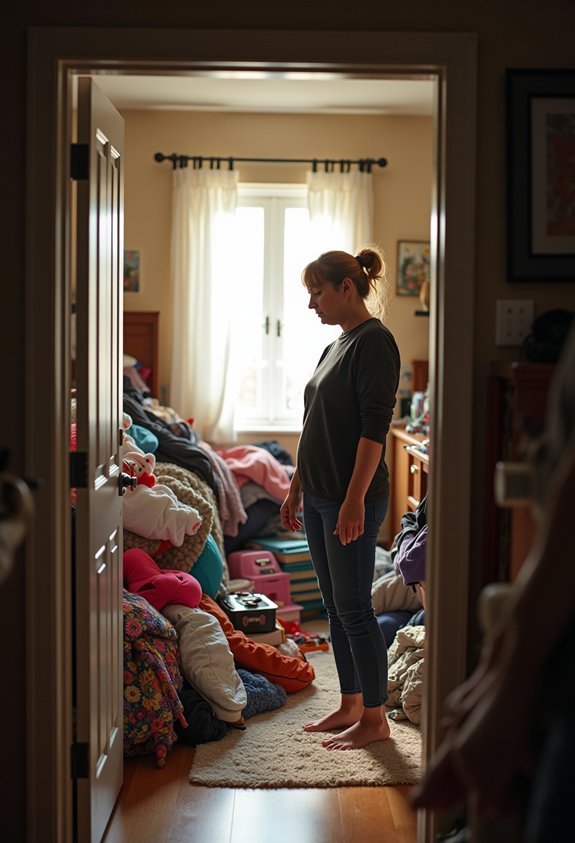
Although nothing dramatic happened that day, I remember the exact moment I realized I owned too much: I was staring at a closet so full I couldn’t see the back wall, yet I still felt like I’d “nothing to wear.”
Every shelf, drawer, and storage bin in my home told the same story—stacked, stuffed, and vaguely stressful. In that pause, you finally noticed how heavy everything felt. You weren’t just managing belongings; you were managing tiny obligations.
Each unworn shirt, each duplicate gadget, quietly demanded attention. You saw how cluttered spaces kept your mind buzzing, never fully at rest. You started wondering what life might feel like with room to breathe, to move, to think—with mental clarity instead of constant background noise everywhere.
How I Cut My Belongings Down to Double Digits
The shift from “too much” to fewer than 100 things didn’t happen overnight; it started with one honest inventory and a clear rule: everything I kept had to earn its place in my life.
You begin by pulling every item into the open, grouping like with like, so you can’t hide from quantity.
Then you apply simple decluttering strategies: keep, donate, sell, recycle.
You ask of each object, “Do I use this? Does it align with the life I’m choosing?”
Emotional attachment becomes your biggest obstacle, not lack of space.
So you let yourself grieve, take photos, write short goodbyes.
Gradually, you discover that releasing an object doesn’t erase a memory; it frees you to carry it more lightly.
You may also like:

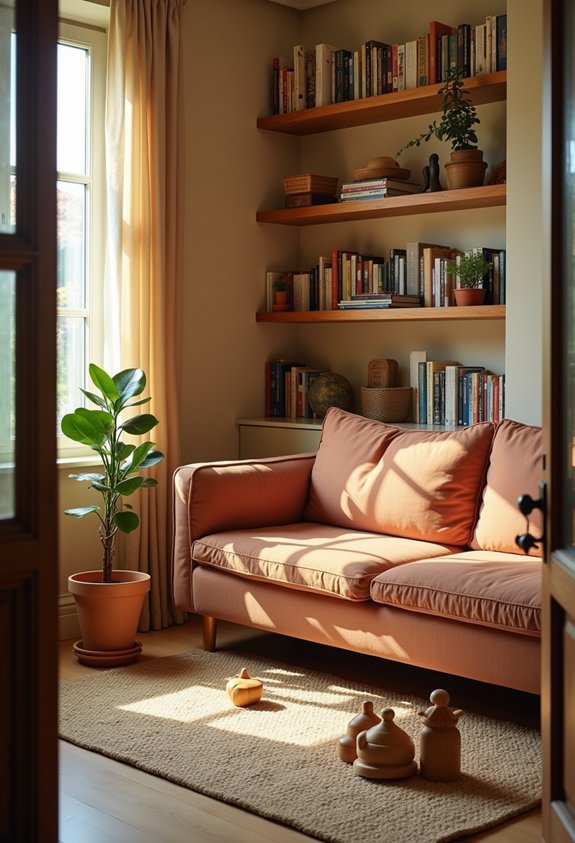
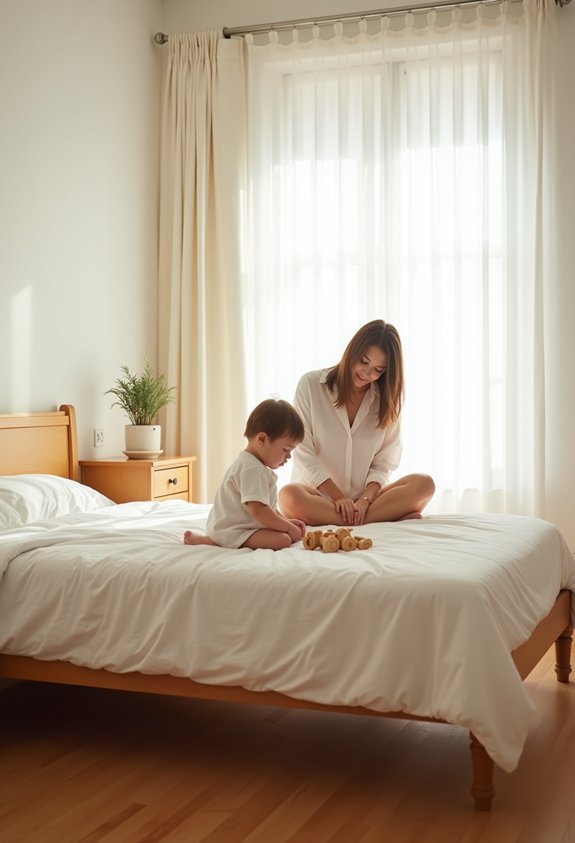


Less stuff, more deliberate presence.
Living Out of Less: The First Thirty Days
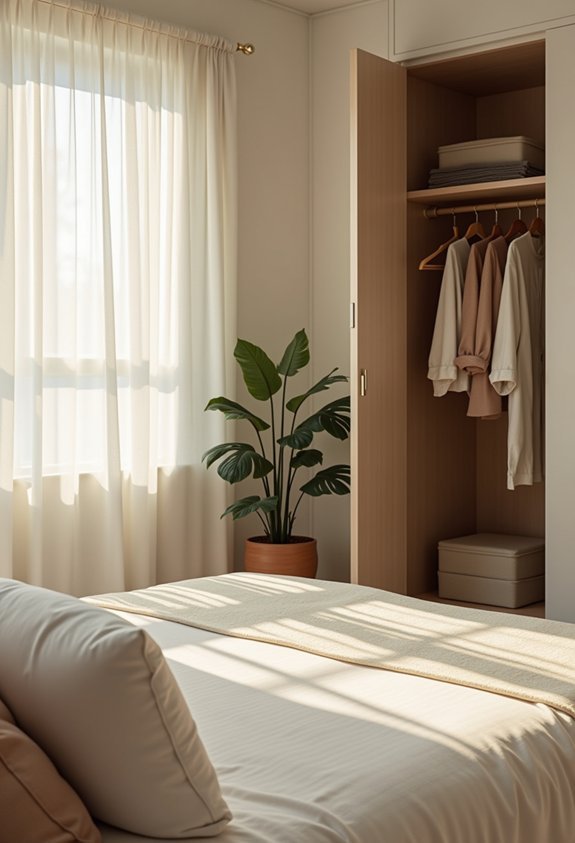
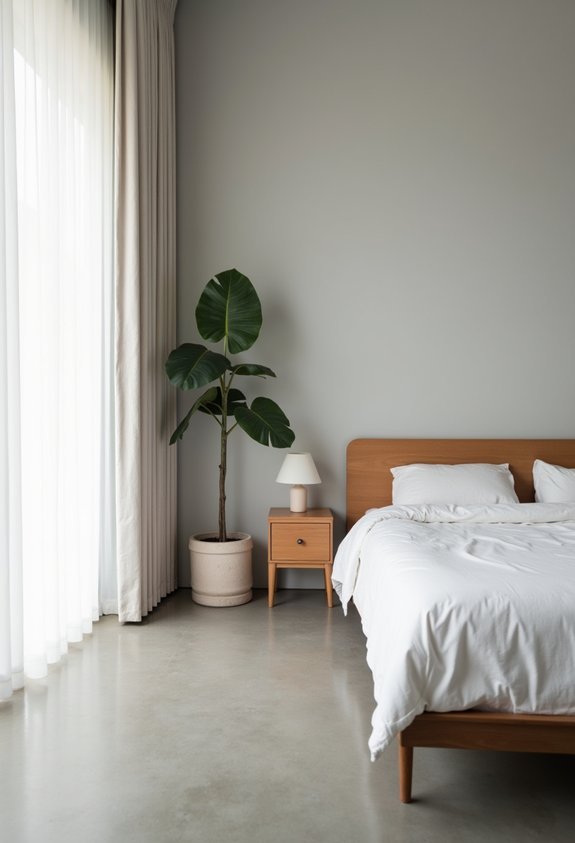
Once you’ve pared your life down to fewer than 100 things, the first thirty days feel strangely wide open, like someone just turned down the background noise you didn’t realize was buzzing.
Each morning you see how little you own, and you notice something unsettling: there’s nowhere left to hide. Without the usual clutter, your habits stand exposed. You ask harder questions about why you keep what remains. You learn which items you reach for, which ones just sit, silently asking to be released.
In this stretch, a simplicity mindset stops being theory and becomes muscle memory. You practice intentional living by choosing one clear surface, one honest outfit, one meaningful notebook—then using them fully, without escape routes, excuses, or extras to steady days.
What Minimalism Did to My Time, Money, and Energy
After you’ve lived with fewer than 100 things for a while, minimalism stops looking like an aesthetic and starts behaving like a quiet, ruthless accountant for your life.
You notice how clutter hijacked your time management, scattered your focus, and buried tasks under piles of decisions.
- With fewer objects, you make simplified choices faster. You gain a productivity boost because you’re not shuffling possessions, you’re moving projects forward. This opens space for work and rest.
- Mindful spending becomes natural. Each purchase meets scrutiny, nudging you toward financial freedom. You’re no longer paying to store, clean, or replace excess.
- Owning less supports energy conservation and stress reduction. You protect your attention, sleep better, and approach each day as intentional living, not crisis.
Relationships, Identity, and the Stories Our Stuff Tells
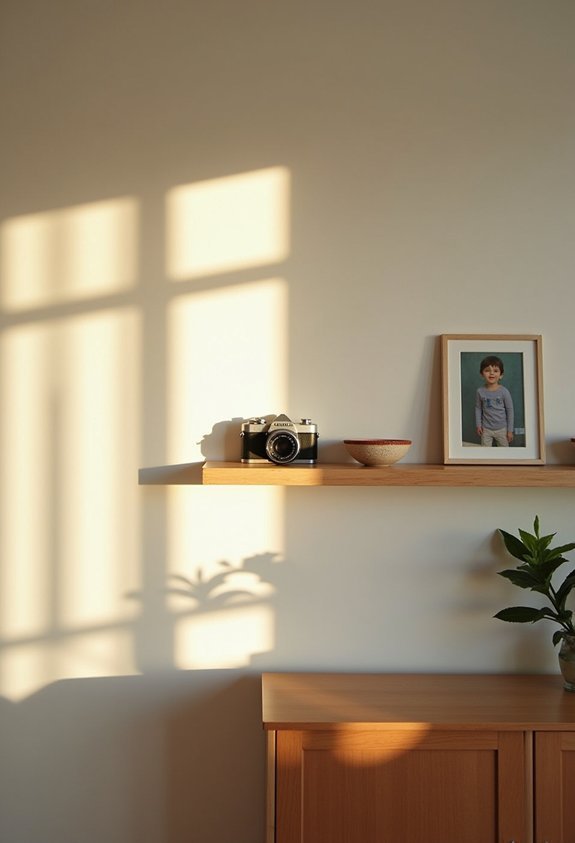
Although your closet and shelves look lighter, the more startling shift happens in how you see yourself and your connections to others.
When you own less than 100 things, each object stops hiding in a crowd and starts speaking clearly. You notice which material possessions carry genuine emotional attachment and which ones only impersonate comfort.
Letting go becomes a quiet identity transformation: you’re no longer the sum of hobbies abandoned, sizes that don’t fit, or gifts kept out of guilt. You ask, “Does this item help me show up as who I’m with people I love?”
Instead of displaying status, your belongings begin to support meaningful connections, cue memories worth keeping, and leave space for new stories to unfold in your daily life.
Lessons I’m Keeping Long After the 100-Item Experiment
Even as you drift back above the 100-item line, the experiment keeps talking to you. It’s a quiet voice asking why you want something, where it belongs, and what it’ll cost in time and attention. You don’t chase perfection; you practice mindful consumption.
- You notice space before stuff. Empty shelves stop feeling like failure and start feeling like breathing room. You measure a purchase against the silence it’ll disturb.
- You trust emotional clarity over impulse. When you’re restless, you ask what you’re feeling instead of what you’re missing. Shopping becomes a rare response, not a reflex.
- You define “enough” for yourself. Numbers fade; values stay sharp. You keep what supports curiosity, connection, and rest, letting the rest move on with intention.
Conclusion
When you finally close the door on excess, you’re not shutting life out; you’re opening a window. Each item you release is a brick lifted from a wall you didn’t know you’d built. With every gap, more light gets in. You start to see your time, money, and energy as a small, clear flame you must protect. Owning less becomes your quiet rebellion—and your invitation to live as deliberately as you once only imagined possible.