How Minimalism Helped My Mental Health More Than Therapy
When therapy left you insight-rich but change-poor, when coping skills felt solid but daily life stayed chaotic, minimalism offered a different kind of intervention. You didn’t just rearrange objects; you reduced cognitive load, emotional triggers, and constant micro-decisions. As your environment quieted, your nervous system followed—sometimes more reliably than a 50-minute session. But that shift likely didn’t start where you’d expect, nor end where you might assume.
When Therapy Wasn’t Enough for My Everyday Overwhelm
Although therapy gave you language for anxiety and tools for coping, it may have felt strangely mismatched with the reality of your days: you’d leave sessions with insight, then come home to the same cluttered rooms, overloaded calendar, and constant low-level panic.
Your therapist helped you track thoughts, breathe through spikes of worry, and challenge catastrophic predictions, yet your nervous system kept reacting to unfinished tasks and overwhelming clutter.
Even with new mental tools, your body kept bracing against mess, deadlines, and everything left undone
Cognitive skills couldn’t cancel visual noise, misplaced bills, or the adrenaline jolt when you were already late.
You started to notice that daily stress didn’t only come from internal beliefs; it was constantly reinforced by your environment.
Each surface, notification, and commitment signaled “not done,” keeping your body in chronic threat mode day after day.
The Moment I Realized My Stuff Was Stressing Me Out
One ordinary Tuesday, the realization landed with physical force: your heart rate spiked not because of a sudden crisis, but because your eyes swept across piles, laundry, half-finished projects, and unpaid bills scattered in plain sight.
You notice your breathing shallow, shoulders tighten, thoughts race. This isn’t random anxiety; your nervous system is responding to overload.
Every visible object registers as input your brain must rapidly filter. Research on attentional capacity shows that a cluttered space increases cognitive load, fatigue, and distractibility. You’re not weak; your environment is demanding constant micro-decisions: fix, clean, reply, quietly remember.
That background hum becomes mental chaos, blurring priorities and intensifying self-criticism. You think, “If I can’t manage my home, what else am I silently, truly failing at today?”
Decluttering as Emotional Detox, Not Just Tidying
When you start decluttering with intention, you’re not just organizing objects; you’re metabolizing unprocessed emotions attached to them. As you sort, you confront grief, shame, and outdated identities stored in closets and drawers.
Research on exposure and cognitive processing suggests that naming these reactions while you decide what stays or goes can reduce physiological stress responses. You’re not aiming for perfection; you’re creating conditions for emotional clarity.
Notice what surfaces when you release items:
- Memories you’ve avoided revisiting
- Fears about scarcity or “waste”
- Subtle anger or resentment tied to certain people
- Moments of relief that signal expanding mental space
Instead of pushing these feelings away, you let them move through your body, making your environment and nervous system feel safer.
How Fewer Possessions Reduced Decision Fatigue and Guilt
As you clear objects that carry emotional weight, you also remove a quieter source of strain: the constant micro-choices your belongings demand. Each extra shirt, gadget, or duplicate utensil asks, “Use me or ignore me?”
That cognitive load accumulates into decision fatigue, which research links to reduced self-control and higher stress. By owning less, you create decision simplicity: fewer options, faster choices, more mental energy for what matters. You’re not debating outfits for twenty minutes; you’re deciding once, calmly.
Minimalism also targets guilt reduction. When you release items tied to sunk costs, aspirational identities, or unwanted gifts, you interrupt cycles of self-criticism. You’re no longer confronted daily by reminders of money “wasted” or goals you never truly chose.
That space can feel quietly relieving.
Creating a Calmer Home to Support a Calmer Mind

Although minimalism often starts with decluttering, its deeper impact comes from how your home begins to shape your nervous system. By reducing visual stimuli and sensory noise, you lower cognitive load and give your brain fewer cues for threat or urgency.
Research links orderly surroundings with decreased cortisol, improved sleep, and better emotional regulation, all essential for anxiety and mood stability. You’re not chasing perfection; you’re designing conditions that make regulation more probable than overwhelm.
You may also like:
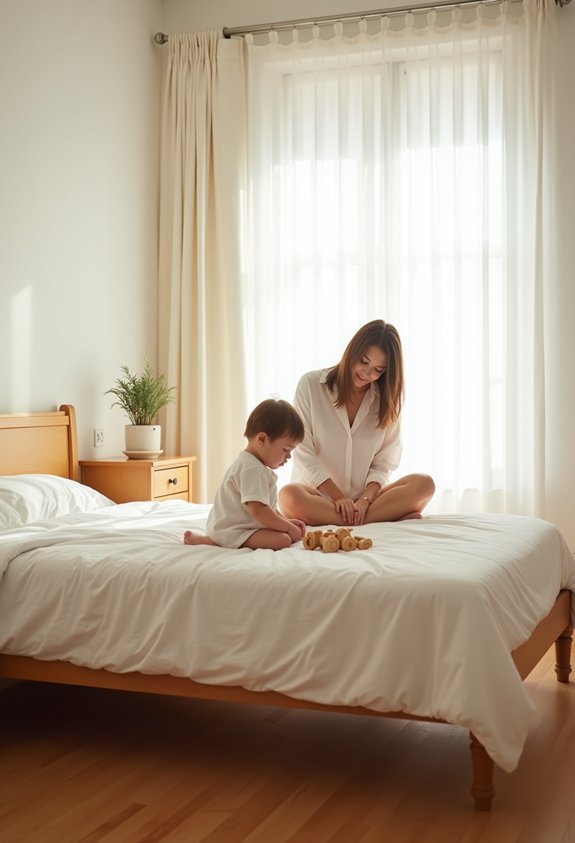

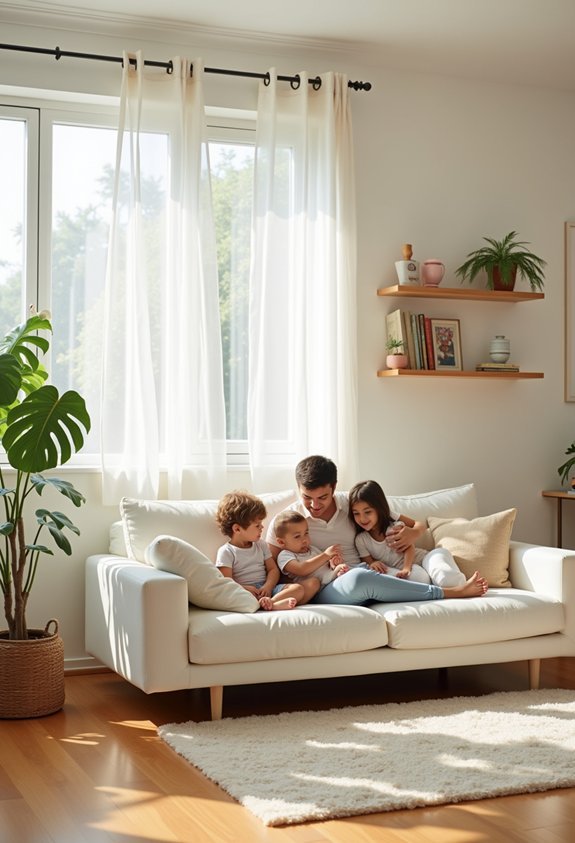
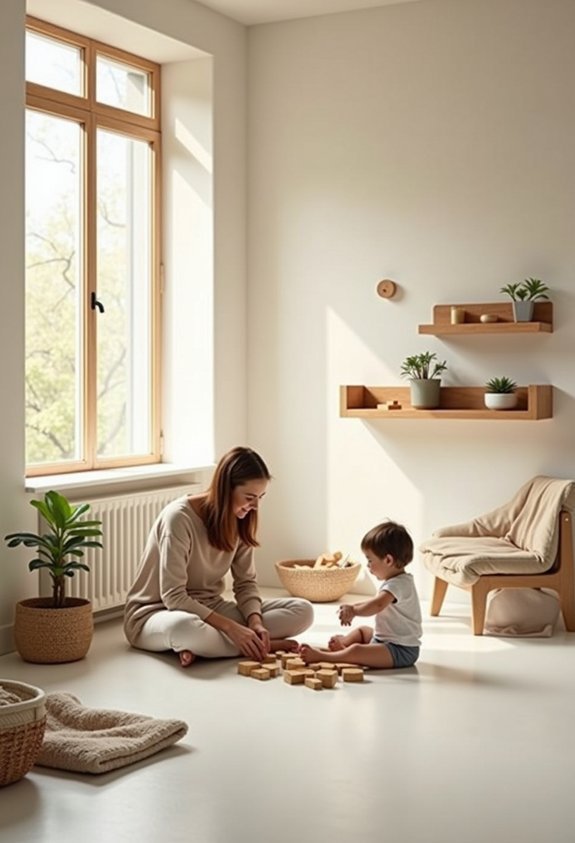
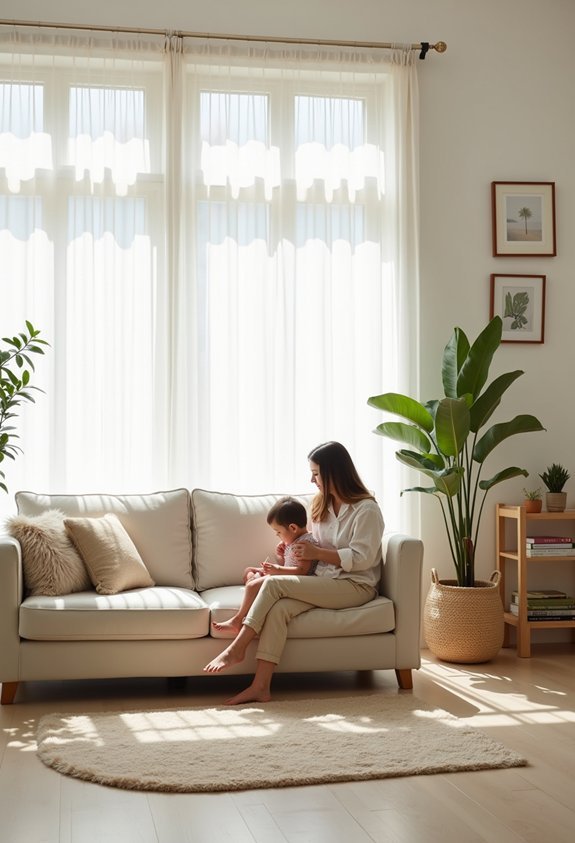
- Clear walkways reduce micro-stress and prevent constant vigilance.
- Limited decor creates a calm environment that quiets intrusive thoughts.
- Defined zones for rest and work support mindful spaces and healthier boundaries.
- Visible surfaces left mostly open cue completion, not unfinished tasks.
Over time, your body associates home with quicker calm.
What Minimalism Gave Me That Sessions Never Could
Relief sometimes arrives from directions therapy doesn’t map out. When you strip back possessions, you reduce stimuli your brain must constantly scan, sort, and ignore. Cognitive load decreases; your nervous system settles. That’s one of the core minimalism benefits: your environment stops acting like a low-grade alarm. You’re not just talking about triggers; you’re removing many of them.
As surfaces clear, patterns become visible. You notice which objects carry obligation, which spark shame, which genuinely support you. That observational practice builds emotional clarity—data you can’t access as easily in a forty‑five‑minute session.
You’re experimenting in real time, adjusting and immediately feeling the effects. Instead of dissecting your life from a chair, you’re reconfiguring it with your hands. Change becomes concrete, visible, and psychologically reinforcing.
Blending Minimalism With Mental Health Support Going Forward
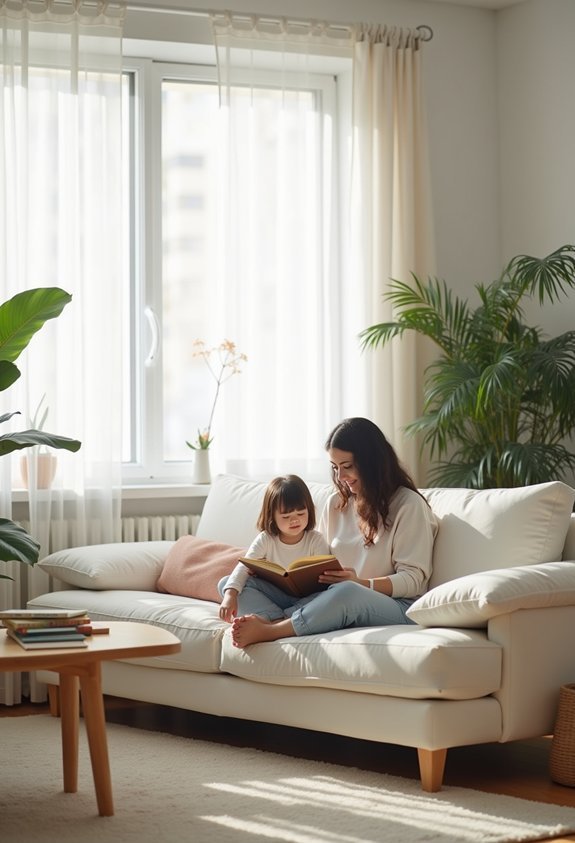
Minimalism can change how your nervous system functions day to day, but it doesn’t replace structured mental health care.
When you pair decluttering with therapy, you create conditions for calmer arousal levels, better sleep, and more accurate emotional labeling. Your environment stops overwhelming you, so sessions can target root patterns instead of constant crisis control.
Use minimalism as an adjunct treatment plan:
- Track mood changes as you reduce belongings and practice mindful consumption.
- Bring photos of key spaces to your clinician to discuss safety, triggers, and regulation.
- Design small “quiet zones” that support grounding, breathing, or medication routines.
- Collaborate with your therapist on boundaries around digital clutter to protect emotional clarity.
Over time, this integrated approach can stabilize mood swings and reduce relapse risk.
Conclusion
You don’t have to become a strict minimalist to feel real psychological relief. Start small: clear one surface, one drawer, one decision. In a survey of 2,000 adults, 86% said clutter worsened their mood and stress, which means your reaction isn’t “overthinking”—it’s neurobiology. As you own less, you’ll track fewer stimuli, make fewer choices, and carry less guilt. Minimalism won’t replace therapy, but it can become a powerful, evidence-aligned extension of your care over time.