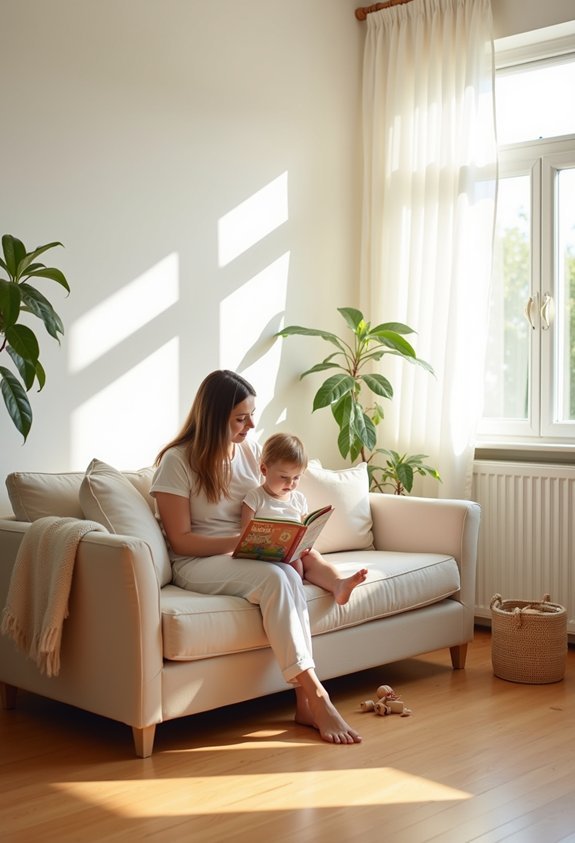
The One Room That Transformed My Minimalist Journey
You probably remember the exact evening it happened: you sat in your living room and suddenly saw it as a stranger would. Surfaces crowded with “just in case” items, shelves layered with old stories you no longer lived by, corners holding quiet piles of postponed decisions. Nothing was chaotic, yet nothing felt calm. That ordinary room, under soft lamplight, began to ask you a question you could no longer ignore.
The Moment I Realized Something Had to Change
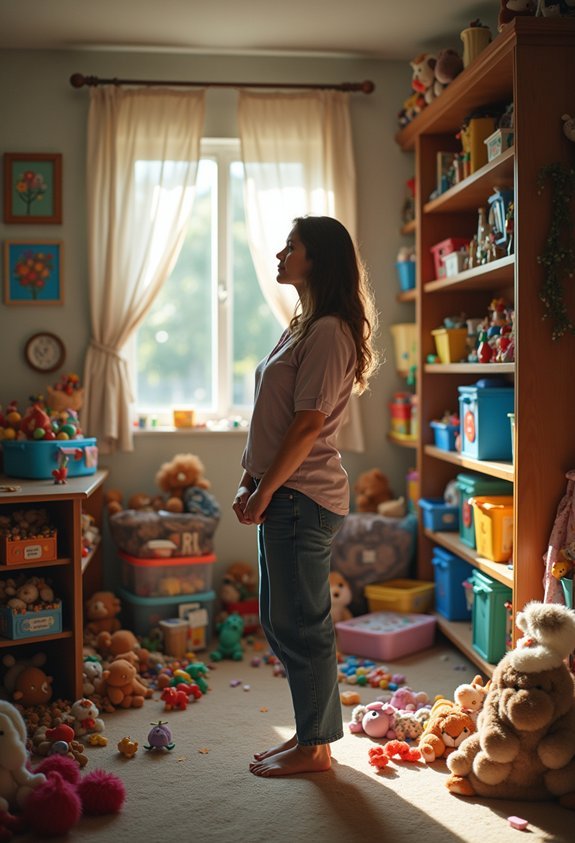
Although the signs had been gathering for months, the moment you realized something had to change was surprisingly ordinary: a quiet evening, a cluttered room, and a fatigue that felt heavier than the objects around you.
You paused in the doorway and noticed how every surface seemed to lean toward you, asking for attention you no longer had. The air felt thicker, edged with stale decisions and postponed intentions.
In that stillness, a personal realization settled: your home no longer reflected the life you wanted. You didn’t feel inspired, only managed.
That calm, unremarkable pause became a transformative moment, not dramatic, just precise—an inner click. You saw that living with less wasn’t about deprivation; it was about finally creating space to breathe and live.
Choosing the Most Unlikely Room to Start With
You don’t begin in the room that bothers you most; you start where your resistance feels strangely quiet. Look for a space you usually pass without thinking: a narrow hallway, a guest room, a laundry corner.
These overlooked areas invite unexpected beginnings because your emotions aren’t tangled there. You can notice the light on bare walls, the way air moves once surfaces clear.
In quiet, neglected corners, you finally feel it: light returning, air moving freely, space remembering how to breathe.
By making unconventional choices, you sidestep the weight of perfectionism. You’re not fixing your whole home; you’re testing how it feels to live with less in one small, contained place.
As you remove what’s obviously excess, the room’s edges sharpen, pathways open, and you sense, almost physically, that change is finally possible. It feels calm, spacious, and quietly, persuasively, like home.
Facing the Hidden “Just in Case” Pile
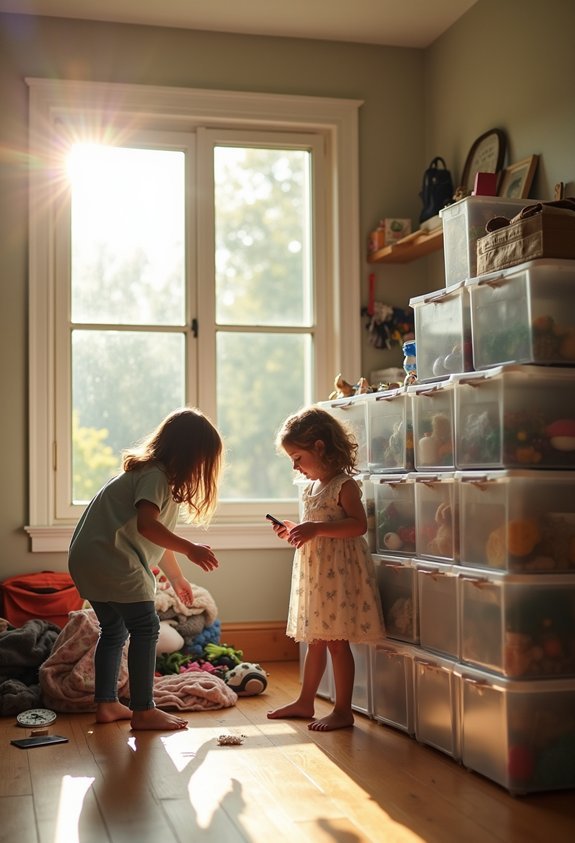
Somewhere behind a door, under a bed, or high on a closet shelf, a quiet archive of “just in case” things waits for your attention. You know the places: a box of tangled cords, duplicate tools, half-used notebooks, spare linens, sealed toiletries.
This hidden clutter doesn’t shout; it murmurs that you might need it someday. You move through the room, open each container, and name what you see. You notice how the just in case mentality spreads, filling corners, claiming shelves, softening the edges of clear space.
Instead of asking, “Could this be useful?” you ask, “Is it useful now, here?” Each honest answer frees another few inches—of drawer, of floor, of shelf, and of quiet.
The room exhales, and you finally breathe easier.
Letting Go of Emotional Clutter and Old Stories
Beneath the cleared surfaces and orderly shelves, another layer of clutter lingers in the form of old stories you keep telling yourself.
You notice how each corner of the room still reflects an earlier version of you: ambitions you outgrew, roles you no longer inhabit, identities held long past their use.
Emotional attachment settles in these narratives, not just the objects. As you stand in the doorway, you quietly name them: expectations inherited, standards absorbed, scripts learned by repetition.
You question which ones still fit the life you’re choosing. In this room, you practice letting go by editing your inner commentary, allowing silence to replace self-criticism, and leaving space for a simpler, truer story to emerge and quietly guide how you live now here.
The Surprising Emotions Behind Every Object
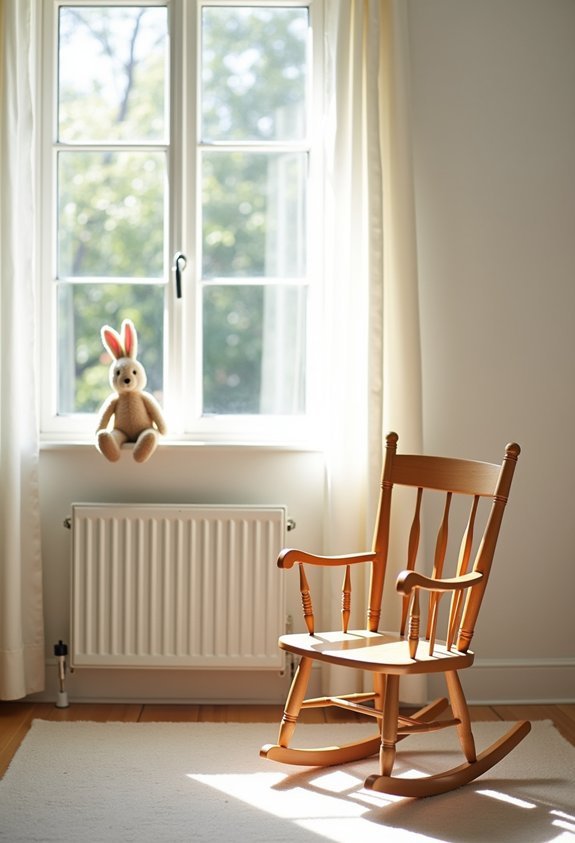
Even when a room looks simple, each object still carries a quiet residue of feeling. You notice how a chipped mug, a ticket stub, or an old scarf disrupts the clean line of a shelf because of its emotional attachment, not its function.
Object significance lives in these small distortions of space, where memory triggers outweigh usefulness. As you move through the room, you sense sentimental value pooling in corners, shaping pathways and sightlines.
You walk through curated absence, guided less by utility than by clustered echoes of memory
A minimalism mindset doesn’t erase emotion; it reveals it. The decluttering process becomes a study in attachment theory, in nostalgia impact, in choosing which emotional release you’re ready for.
Even your storage solutions start to mirror your boundaries, containing what still deserves room in your carefully simplified everyday life.
Redefining What I Truly Needed in My Home
Once you notice how emotion clings to objects, the idea of “need” starts to shift from quantity to quality of presence.
You stand in the doorway and scan the room as if it were a quiet diagram of your priorities. Every surface asks a question: Does this belong to your life now or to a version of you that has already faded?
You begin to define essential possessions as those that earn their space through daily use or deep calm, not through guilt or habit.
Drawers loosen, shelves breathe, corners clear. In this new simplicity, mindful living doesn’t feel austere; it feels measured, intentional, and spacious, like a room holding only what actively supports who you’re becoming.
Each choice refines the atmosphere of home.
How One Room Shifted My Daily Habits
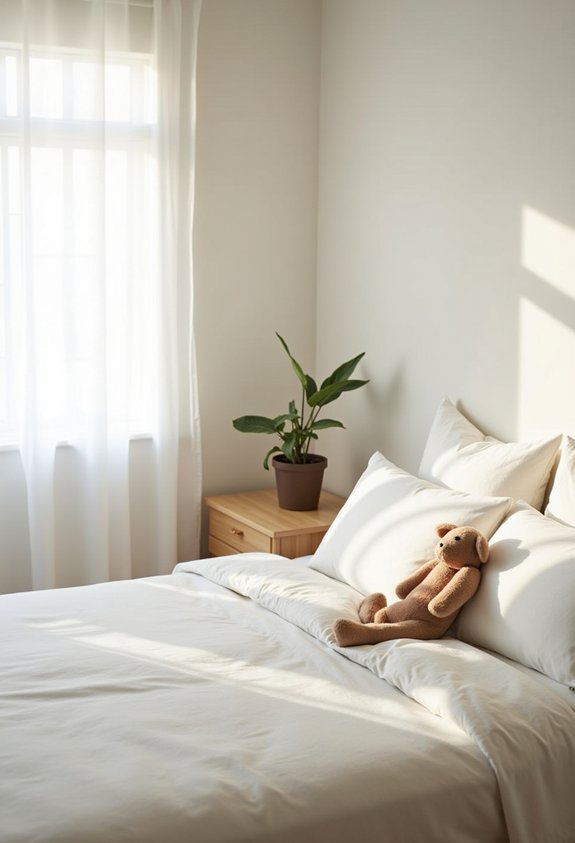
When you finally stripped one room down to what truly served you, its layout began to quietly script your day.
Surfaces stayed mostly clear; each object marked a single intention. A chair near the window invited reading instead of scrolling.
A low table held only a notebook and pen, making reflection the default, not the exception.
The Ripple Effect on the Rest of My Space
That single, pared-back room didn’t stay contained; its order began to expose the quiet clutter everywhere else.
When you walk from that calm doorway into other areas, you suddenly see excess stacked on shelves, half-used items, visual noise you once ignored. You don’t feel disgust; you just notice a subtle tilt in space harmony, like a picture frame slightly off-center.
You start to clear surfaces, then storage, adjusting until each corner feels breathable. Drawers close without resistance, floors open up, light travels further.
Instead of stripping everything bare, you search for clutter balance, letting a few meaningful objects stand against stretches of empty plane.
Room by room, your home shifts from crowded backdrop to deliberate, supportive environment. You breathe easier, and moving around simplifies.
What This Room Taught Me About Identity and Values
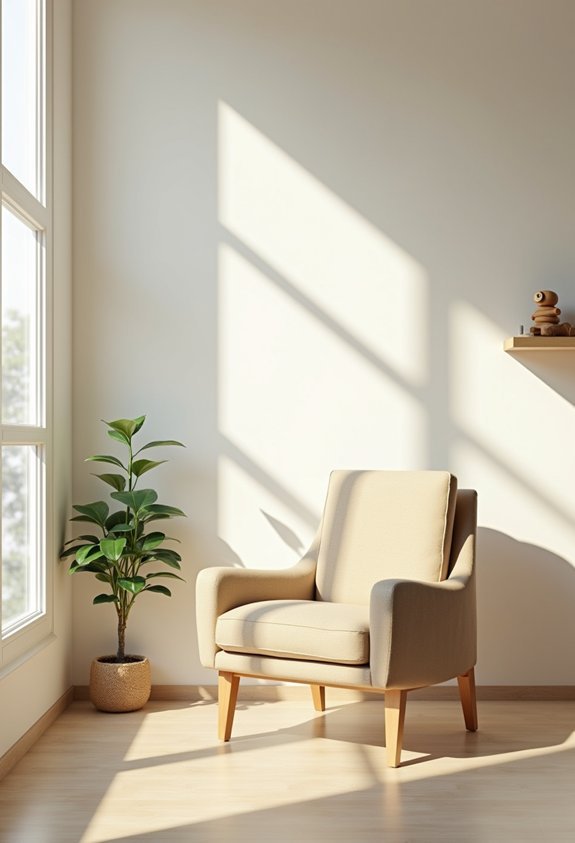
Although it started as a simple attempt to clear a surface, this room quietly became a mirror for who I was and what I actually cared about.
As you removed piles and rearranged what stayed, you watched your assumptions about yourself loosen. Books you’d kept for years said more about old ambitions than real interest. Decorations gifted by others revealed how much you’d outsourced taste.
Clearing the room, you discovered which dreams were yours and which were quietly inherited
In the growing quiet, identity exploration felt less abstract. The remaining objects drew a clean outline around what mattered: work that required focus, rest without distraction, beauty without excess.
Every chosen item practiced value alignment in three dimensions—visible, reachable, intentional. Standing there, you didn’t see emptiness; you saw a clearer, steadier version of yourself, emerging quietly in that room.
You may also like:
Living Differently After the Transformation
Stepping out of that room, you start to notice how its quieter logic follows you into the rest of your life.
You move through the hallway differently, aware of what each surface holds, what it no longer needs to.
In the kitchen, you question duplicates, clear a single shelf, let open space frame what stays.
Your calendar shifts too; you leave evenings unfilled, like blank walls that allow light to move.
Mindful living stops being an idea and becomes the way you place a chair, fold laundry, answer messages.
You make intentional choices about what enters: objects, commitments, even conversations.
Little by little, your home, time, and relationships begin to resemble that room’s measured calm.
You feel enough, surrounded by less, anchored, quietly present.
Conclusion
Now you stand in that once-cluttered room, and the air feels wider, as if the walls themselves have taken a deeper breath. You’ve chosen what stays and what leaves, and in doing so, you’ve redrawn the boundaries of your daily life. As you cross the floor, each clear surface quietly reflects your new priorities. This room no longer just contains you; it supports you—one intentional object, one quiet corner, one steady day at a time.