19 Ways Minimalism Improved My Daily Life
You clear a surface, you quiet a corner, you calm a part of your mind. As you strip away the excess in your bedroom, routines, and kitchen, you start to notice how clutter has been quietly shaping your mood, your choices, and even your sleep. Minimalism isn’t about owning almost nothing; it’s about finally noticing what actually supports you—and what’s been standing in the way of a day that feels lighter than you expected…
Waking Up to a Calmer Bedroom

Even before you step out of bed, your bedroom quietly shapes how you feel about the day ahead.
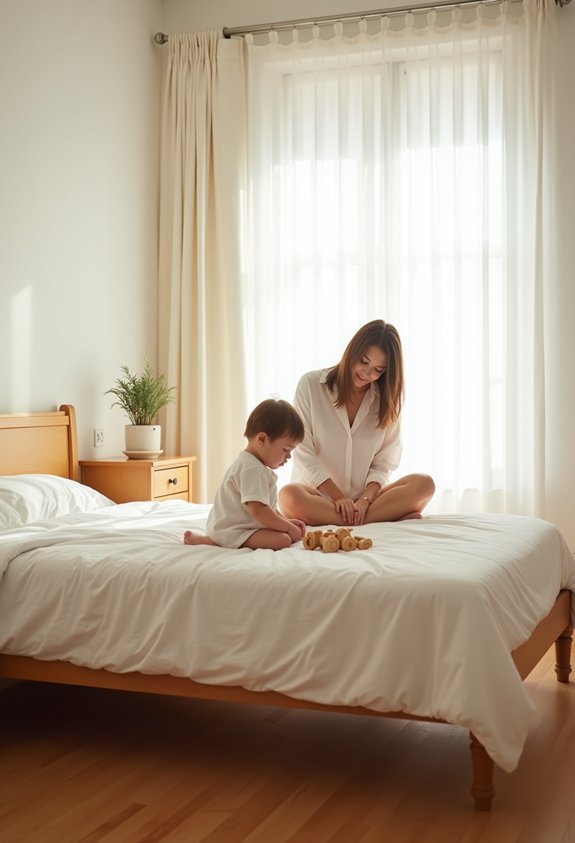
When you simplify bedroom organization, you remove visual noise that pulls at your attention. Keep only what you use and love in this intentional space.
Choose calming decor and soothing colors so your eyes rest instead of react. Clear surfaces create a clutter free environment that supports mindful mornings without you forcing it.
Let your bedroom’s colors and clear surfaces gently cue calm, unhurried mornings
Notice how a peaceful ambiance helps you breathe slower and think kinder thoughts about yourself. You might dim the lights at night, fold a blanket, or clear the nightstand; these small daily rituals signal that rest matters, and you do too.
Over time, you’ll notice mornings begin with more ease, softness, and clarity.
Simplifying My Morning Routine
As you move from bed to breakfast, a simplified morning routine turns those first waking minutes into a steady anchor instead of a daily scramble.
Begin by removing tasks that add noise: scrolling, elaborate breakfasts, lists. Keep essentials: hydration, movement, and simple quiet check-in. You might drink water, stretch for five minutes, and jot one intention for the day.
This ritual simplification doesn’t make mornings rigid; it makes them breathable. When you repeat a predictable sequence, your mind stops negotiating decisions and notices how you feel. That’s where mindful mornings emerge: you’re not racing, you’re arriving.
If something takes more energy to maintain than it gives back, trim or time-box it. Notice what you don’t miss. What remains becomes your launchpad into the day.
Curating a Wardrobe I Actually Wear

Your simplified mornings don’t have to end at the edge of your bed; they can extend into your closet. When you curate a wardrobe you actually wear, you remove guesswork and decision fatigue. Instead of overflowing drawers, you build a capsule wardrobe that reflects your real life, body, and style today.
- Start by pulling everything you love, fits now, and feels like you. Donate or sell the rest.
- Choose neutral basics, then layer a few accents so outfits mix easily.
- Define your seasonal essentials—coats, shoes, and layers that work hard, not just look good.
- Notice what you reach for most. Let those pieces guide future purchases, so your closet stays intentional, light, and truly supportive for you, every single day.
Clearing the Kitchen for Stress-Free Meals
While the kitchen often feels like the heart of home life, it can quickly turn into a source of stress when every surface and drawer is crowded.
Minimalism invites you to question what actually supports the way you cook and eat. Start with one countertop: clear everything, then put back only what you use daily.
Store rarely used gadgets in a labeled bin or let them go. Simplify dishes and cookware so you can see everything at a glance; this alone improves kitchen organization.
When tools have clear homes, you move smoothly through meal prep instead of hunting for missing items. As visual noise disappears, you’ll notice calmer energy, easier cleanup, and a renewed desire to cook at home more often and with less.
Reducing Paper Piles and Physical Clutter
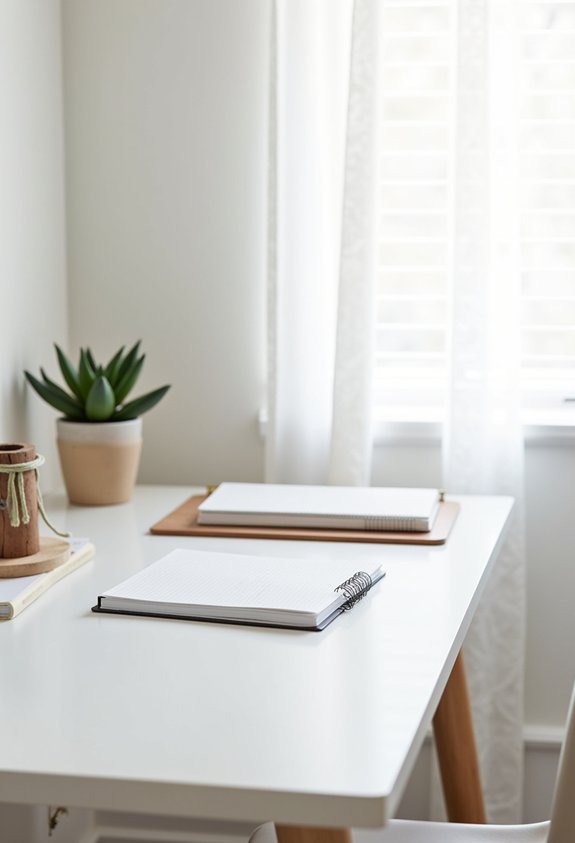
A calmer kitchen often makes you notice how much visual noise still lingers elsewhere, especially in the form of paper piles and random objects on every surface.
When you tackle them, you reclaim attention and time.
1. Start with a single hotspot. Clear one table or shelf, decide what stays, and remove everything else.
Give essentials a specific home.
2. Create a simple paper organization system: one inbox, one action tray, and a small archive for long-term records.
3. Shift to digital where it truly helps. Scan important documents, cancel junk mail, and schedule regular digital decluttering sessions.
4. Apply a “one in, one out” rule for physical items.
Question every freebie, brochure, and trinket so your space supports calm, not chaos every day.
Streamlining My Workday Setup
Once you see how much calmer your home feels with less clutter, it’s natural to question why your workday still feels scattered.
Start by designing an ergonomic workspace: a clear desk, supportive chair, and tools you actually use within easy reach. Remove decorative extras that compete for your attention.
Next, simplify what happens on your screen. Practice digital organization: fewer tabs, focused browser bookmarks, and one main hub for tasks and notes. Uninstall distracting apps, mute nonessential alerts, and set fixed times to check email.
As your setup shrinks to only what helps you work, you’ll notice more mental space. Decisions feel lighter, you settle into deep focus faster, and finishing the day feels less draining.
You end working hours clearer, calmer, and satisfied.
Saying No to Nonessential Commitments

- Clarify your top three weekly priorities before accepting new invitations.
- Pause, then answer requests by email or message, not on impulse.
- Use simple scripts: “I can’t commit right now, thanks for asking.”
- Regularly review recurring obligations; keep only those still aligned with you.
Each thoughtful no protects time for work, rest, and relationships that matter most to you deeply.
Unsubscribing From Digital Noise
Even if your home and schedule are simpler, a cluttered digital world can still drain your focus and energy. You start by noticing where your attention goes: overflowing inboxes, constant notifications, auto-play videos.
Then you unsubscribe from newsletters you never read, mute group chats, and turn off nonessential alerts. Each choice is a small digital detox, creating silence where you can think clearly. You don’t owe every sender or app your time.
When you unfollow, opt out, or delete, you practice mindful consumption—choosing information that serves your values and current priorities. As your screen stops shouting, you notice more space in your day, less urgency, and more intention behind every tap, click, and search.
That quiet becomes fuel for deeper work and calmer evenings.
Redefining My Relationship With Social Media

Although social media can connect you, inform you, and entertain you, it can quietly expand until it fills every spare moment of your day.
Notice how every idle pause becomes a scroll, every quiet moment quietly consumed by feeds.
Minimalism invites you to question that default. Instead of deleting every app, you redefine why you open them and what you expect to gain.
- Start a gentle digital detox: remove nonessential apps, mute loud accounts, and keep only feeds that inspire or inform you.
- Set clear intentions before you log in so you scroll with purpose, not habit.
- Practice mindful scrolling: pause when you feel envy, anxiety, or comparison, and ask what triggered it.
- Create small posting rules—share less often, with more honesty—so your online presence reflects your real priorities, rather than algorithms shaping your attention.
Creating Intentional Tech-Free Moments
You’ve begun to reshape how you use social media; now you can go a step further by creating pockets of your day where no screen has a claim on you at all.
Start with tiny digital detox windows: five minutes after waking, ten before bed. Treat them as mindful breaks, not punishment. Choose focused activities—stretching, journaling, sipping coffee—that anchor your attention.
Establish clear tech boundaries: no phone at meals, no scrolling in bed, a corner of your home as distraction free zones.
Use screen free time for offline adventures, even small ones like walking a new route. Notice how intentional disconnection opens space for quality interactions, deeper conversations, and a gentle presence practice with yourself and others, each day strengthening your calm, clarity, resilience.
Enjoying Hobbies Without Hoarding Supplies

When a hobby truly matters to you, it’s tempting to prove that devotion by collecting tools, books, and materials—but minimalism invites you to enjoy the practice itself instead of the pile.
You stop chasing the “perfect” setup and start crafting experiences with what you already own. Limiting supplies doesn’t limit creativity; it focuses it. You feel lighter, yet more connected to what you love.
- Choose one primary hobby for this season and store everything else out of sight.
- Keep only the tools you use weekly, prioritizing quality over quantity and multipurpose items over gimmicks.
- Set a clear container—a drawer, box, or shelf—and let its size determine how much you keep.
- Before buying anything new, commit to completing one small project with your current materials.
Spending More Time, Not Just Money, on People I Love
Instead of letting love show up mainly as gifts, meals out, or quick texts, you start redefining generosity as your steady, unhurried presence.
You choose quality time over scrolling, and you protect it like an appointment. You ask about real worries, not just schedules, and let intentional conversations replace small talk.
You plan simple shared experiences—walks, game nights, cooking together—that don’t require much money, only focused attention. You notice each person’s love languages and offer heartfelt gestures that match: a handwritten note, a ride to the airport, quiet company after a long day.
Through regular emotional support and collaborative activities, you build meaningful connections that feel sturdy, not rushed.
Over time, these moments stack into cherished memories that affirm, “I’m truly here with you.”
Letting Go of “Just in Case” Items
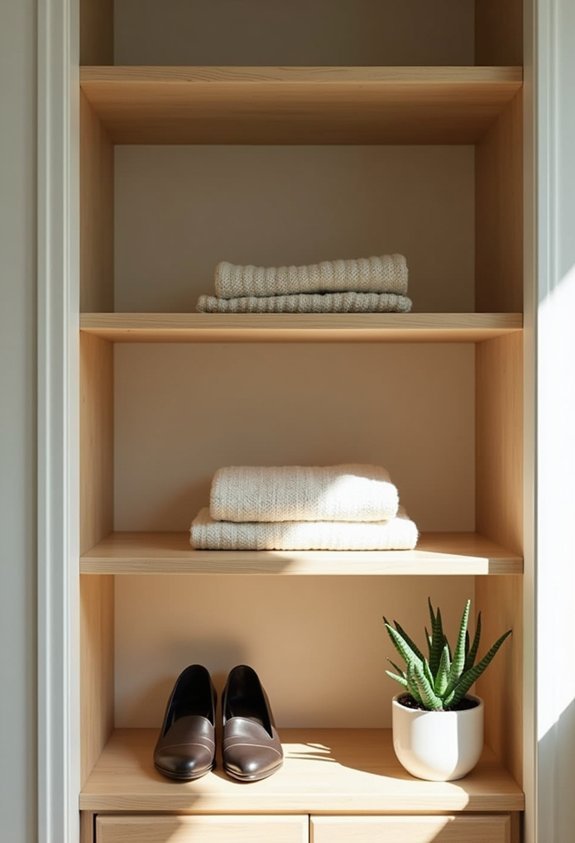
Most closets and drawers hide a quiet fear: “What if I need this someday?”
Letting go of “just in case” items asks you to face that worry directly, not by ignoring it, but by questioning it. You stop assuming every object deserves space and start testing its real value in your life.
Decluttering starts when you question each item’s worth, not your ability to live without it.
- Ask, “When did I last use this?” If it’s been a year, your answer is in your hands.
- Notice sentimental attachments. Keep a few that truly warm you; photograph the rest.
- Practice realistic future planning. Trust that you can borrow, rent, or buy if a rare need appears.
- Celebrate the empty space. You’re trading cluttered maybes for clear, dependable usefulness.
Less searching, less stress, more ease each day.
Reframing Gifts and Celebrations
Clearing “just in case” items shows you that value isn’t in owning more, and that lesson applies powerfully to how you handle gifts and celebrations.
You stop measuring love by price tags or pile size and start asking what’ll actually be used and enjoyed.
You can suggest wish lists, shared experiences, or consumables, guiding family toward thoughtful gifting instead of default clutter.
When someone insists on a physical gift, you choose durable, needed items rather than novelties.
Minimalism also reshapes how you host.
You simplify décor, focus on meaningful rituals, and spend your energy being present.
This celebration simplicity reduces stress, cost, and cleanup, while making memories sharper.
You leave gatherings feeling full of connection, not weighed down by stuff in your home.
Traveling Lighter, Literally and Mentally

When you apply minimalism to travel, your suitcase gets lighter, but so does your mind. You stop packing for imaginary emergencies and start trusting your ability to adapt. Before each trip, you define your purpose: work, rest, exploration. That clarity guides what you bring—and what you leave.
- List your packing essentials, then cut them by a third. You’ll notice what you truly rely on.
- Choose versatile clothing so every item works in multiple outfits.
- Keep digital clutter low: only key apps, offline maps, and vital documents.
- Build white space into your itinerary instead of cramming every hour.
Travel with fewer decisions, fewer worries, and more attention for the present moment. That’s where mental clarity appears and stays with you afterward.
Designing Evening Routines That Help Me Unwind
Just as lighter travel leaves your mind free to notice more, a simple evening routine can teach your brain that it’s safe to slow down.
You start by choosing a few mindful rituals instead of a long checklist. Maybe you tidy a single surface, write three lines in a notebook, or savor a cup of tea without your phone. Keep the sequence short and repeatable, so your body recognizes the shift from doing to unwinding.
Pay attention to evening ambiance. Dim harsh lights, lower the volume, and choose one calming scent or sound. When you remove excess options, you reduce decision fatigue and create space to notice how you feel.
You may also like:

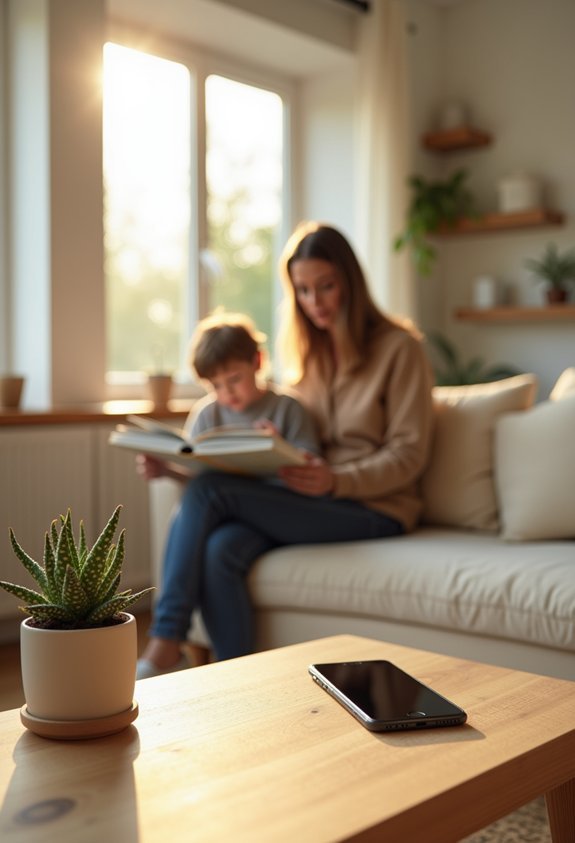
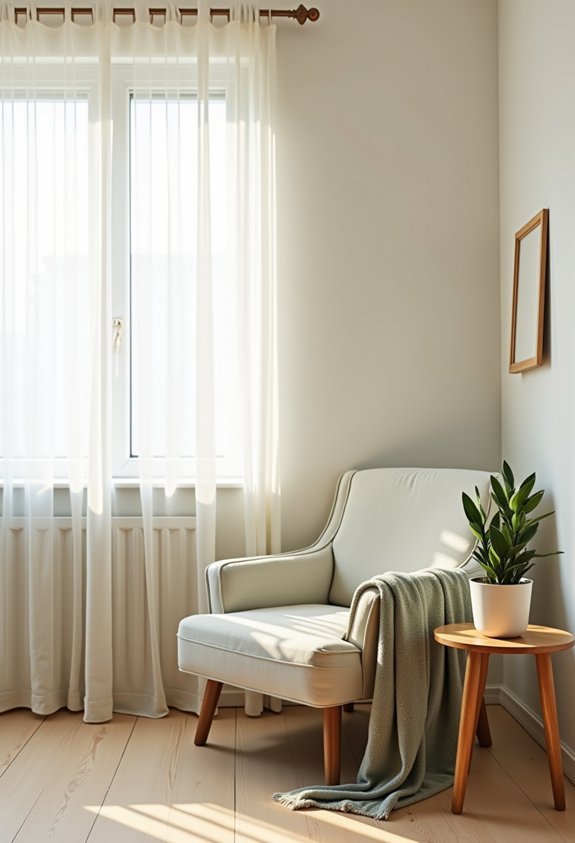
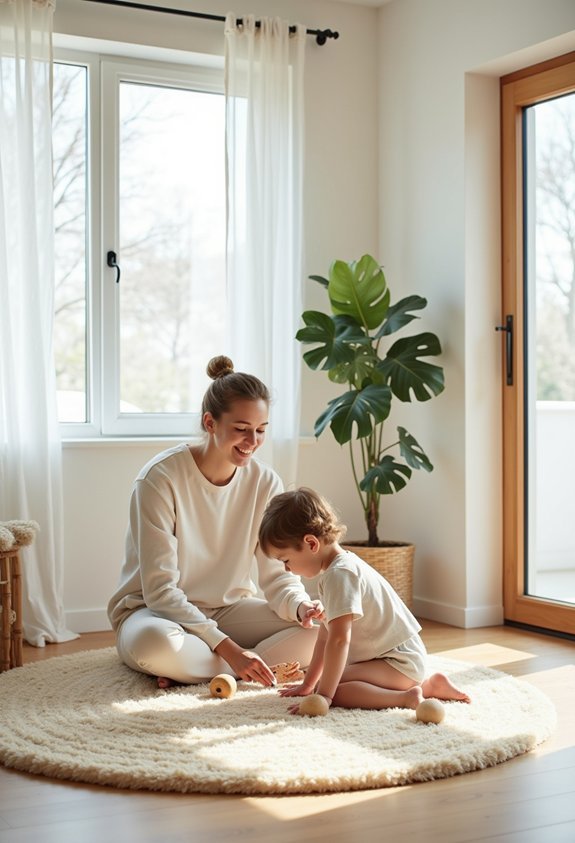

Over time, this minimal ritual becomes a gentle signal that you’re allowed to pause.
Sleeping Better in a Clutter-Free Space
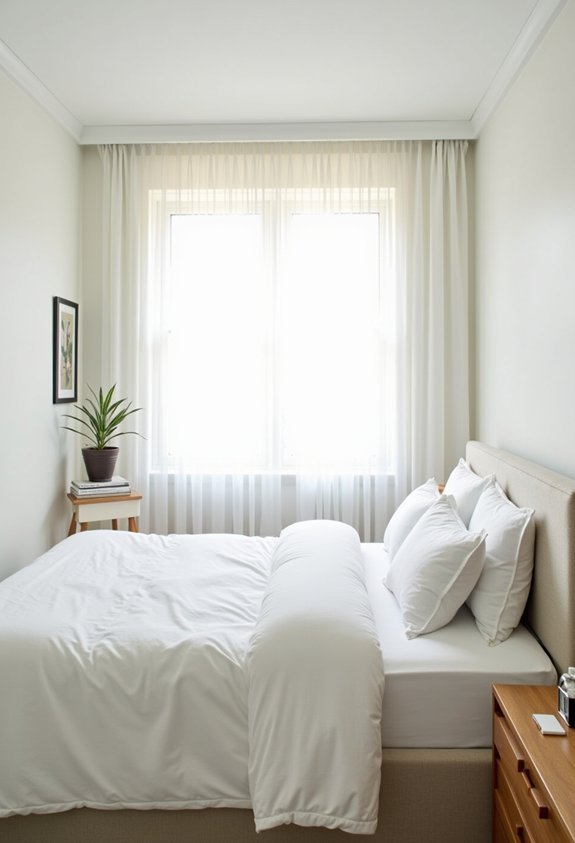
Even before you change your mattress or try a new sleep app, the simplest upgrade to your rest is the space you fall asleep in.
When you practice minimalist bedroom organization, you tell your brain this room has one purpose: better sleep quality. Start small and notice how less noise calms your nervous system.
- Remove items that don’t belong in the bedroom—laundry piles, work papers, glowing screens—so your mind stops rehearsing tomorrow.
- Clear your nightstand, keeping only a lamp, water, and one calming object; you’ll reduce decision-making and scrolling.
- Simplify linens: a breathable duvet, two pillows, and nothing stored under the bed, giving your body a cue that it’s safe to relax.
- End each day with a two-minute tidy; it reinforces calm before sleep.
Making Decisions Faster With Fewer Options
A calmer bedroom doesn’t only change how you sleep; it also trains your brain to appreciate “less but better,” and that same principle makes daily choices easier.
When you own fewer clothes, you don’t start each morning wrestling with choice overload; you simply pick from a small rotation that already fits and feels good. You protect your mental energy for work, relationships, and creativity, instead of spending it on tiny, draining decisions.
To reduce decision fatigue, first limit what you regularly use: outfits, apps, recipes, even routes you drive. Then create simple defaults—your go‑to breakfast, your standard work bag, your nightly wind‑down.
As you narrow options, you’ll notice more calm, quicker actions, and surprisingly better follow‑through. Decisions shrink, but your days feel much larger.
Finding Contentment in Having “Enough”

When you stop chasing “more” and start asking what’s truly “enough” for you, daily life feels lighter and far less pressured. You notice how often you bought or agreed to things just to fill space or silence doubt. Minimalism invites you to define sufficiency, then rest in it.
- Begin by listing what already works in your life; you’re embracing gratitude instead of focusing on gaps.
- Practice cultivating mindfulness: pause before purchases and ask, “Will this actually improve my days?”
- Set gentle limits—on clothing, apps, commitments—so decisions align with what you value most.
- Review regularly: if something no longer serves a real need or joy, let it go, and reclaim that energy for living with purpose, clarity, calm, and sustainable satisfaction.
Conclusion
As you move through your day, you’ll notice quiet shifts: fewer distractions, calmer rooms, clearer choices. You’ll cook without scrambling, get dressed without second‑guessing, fall asleep without a racing mind. Bit by bit, your space will match your values. And then one ordinary morning, you’ll wake up, look around, and realize something’s changed—you’re no longer managing your life’s clutter. You’re finally free to live the moments that matter most, today, tomorrow, and every day after.