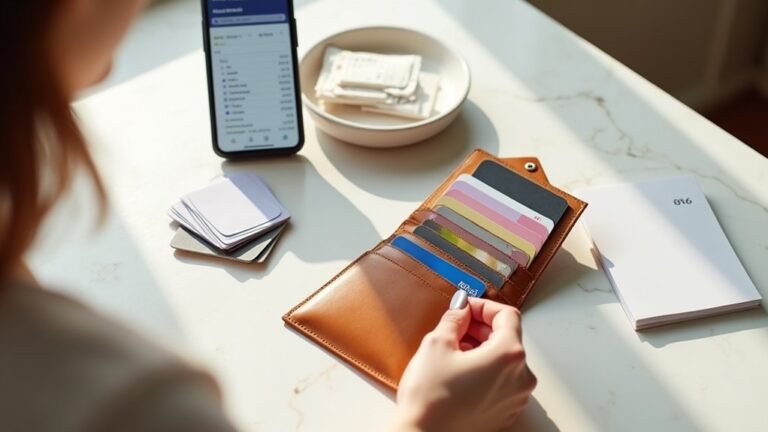
The Shopping Habit That Was Secretly Making Me Miserable
You tell yourself you deserve it—a little “add to cart” to take the edge off a hard day—and for a moment, it works. Your brain lights up, your mood lifts, and the package on your doorstep feels like proof that you’re okay. But later, the guilt creeps in, the clutter grows, and you start noticing a pattern that has less to do with what you’re buying and more to do with what you’re avoiding.
When “Treat Yourself” Stops Feeling Like a Treat

Even though “treat yourself” is supposed to feel like self‑care, it can quietly turn into a cycle that leaves you guilty, numb, or oddly empty afterward.
When “treat yourself” becomes a habit, self‑care can quietly turn into self‑sabotage
When that happens, the purchase isn’t really about the item; it’s about soothing something inside you. Psychologists call this emotional shopping—using the quick dopamine hit of buying to regulate stress, loneliness, or shame. In the moment, your brain registers relief; minutes later, you feel the familiar crash.
Over time, guilt spending shows up: you click “buy” to escape discomfort, criticize yourself for lacking discipline.
That self‑blame increases the stress that triggered the urge in the first place, keeping you stuck. Noticing this pattern—what you feel before, during, and after a purchase—is the first step toward choosing comfort instead.
The Hidden Costs Behind Every “Add to Cart
When “treat yourself” starts to sting, it’s usually because the price you pay isn’t just on your bank statement. Each “add to cart” quietly claims pieces of your future: money you can’t save, goals you delay, stability you trade for ten seconds of relief.
Research links frequent impulse purchases to higher stress, lower savings, and more conflict in relationships about money.
You also pay in mental clutter. Every unused item becomes a tiny accusation: “You should’ve known better.” That voice chips away at your self-trust.
Financial strain, even low-level, keeps your nervous system on alert—calculating, worrying, hiding statements. Over time, you stop asking, “Do I like this?” and start asking, “What’s wrong with me that I keep doing this?”
Noticing this pattern is power.
Chasing Dopamine in Delivery Boxes

There’s a reason clicking “buy now” feels like a micro-escape: your brain’s reward system lights up long before the package hits your doorstep. Each notification, shipment update, and doorstep delivery becomes another hit, training you to chase tiny spikes of pleasure.
Over time, it can resemble dopamine addiction more than simple convenience. You’re not weak for craving that rush; your brain’s doing exactly what it evolved to do. But online retailers optimize every step to keep you primed for impulse purchases.
- You anticipate relief before you even choose the item.
- You feel a surge of control as you finalize payment.
- You get a brief identity boost when the box arrives, as if the purchase proves you’re finally “enough” for you internally.
How Clutter Exposed What I Was Really Avoiding
At some point, the thrill of new packages fades and the silent weight of your stuff starts saying what you’ve been trying not to hear. The piles on your floor become more than clutter; they mirror the unfinished conversations, the unprocessed grief, the job you secretly hate.
Researchers link clutter anxiety with higher cortisol and poorer focus, so it’s not just in your head when you feel edgy in your own bedroom. Each unopened box represents an emotional escape you bought instead of a boundary you set or a feeling you faced.
When you can’t find your desk, you can’t ignore that you’ve lost sight of yourself, too—buried under sales, free shipping, and stories you’re afraid to rewrite when you finally dare to look.
Rewriting My Relationship With Buying

Something shifts the day you stop asking, “How do I buy less?” and start asking, “What am I actually trying to get when I buy?”
You may also like:




Instead of seeing your shopping as a moral failure or a lack of willpower, you begin treating it like data: every late-night cart, every “add to bag” becomes a clue about your unmet needs, your stress patterns, your hunger for comfort or control.
You pause before purchasing and run an internal experiment:
- Name the feeling you’re soothing.
- Check whether the item solves the problem.
- Decide how this choice fits your values.
Psychologists call this cognitive defusion: you watch the urge instead of obeying it.
That’s how conscious consumption and mindful spending move from slogans into practice.
Finding Joy Beyond the Checkout Button
Once you see shopping as data instead of a personal flaw, you create space to ask a deeper question: what kind of joy lasts after the package is opened and the novelty fades?
Research on happiness shows that experiences, relationships, and mastery bring more durable satisfaction than possessions. You can test this yourself: track a purchase high versus the lift from a walk with a friend, learning a skill, or finishing a creative project.
Mindful spending means aligning money with values and emotional fulfillment, not just soothing tonight’s anxiety. Before you click “buy,” notice your feeling state, name the need underneath it, and ask, “Will this still matter in a month?”
Over time, you’ll build proof that your life offers rewards beyond your cart.
Conclusion
When you pause before you buy, you’re not denying yourself joy—you’re choosing a deeper one. Research shows that aligning spending with your values boosts long‑term wellbeing far more than impulse splurges ever can. Each intentional choice is like clearing fog from a windshield; you finally see what you truly need. As you spend with awareness, you heal old patterns, calm your nervous system, and discover that the richest life isn’t hiding in your cart.