11 Smart Shopping Strategies That Actually Save Money
If you’re tired of watching your paycheck disappear faster than you expect, it’s time to treat shopping like a system, not a guess. Data shows that strategies like budgeting, meal planning, and price comparison can trim monthly expenses by hundreds of dollars. By using a list, mastering unit prices, and timing your purchases, you can cut costs without feeling deprived. The key is knowing which tactics actually work—and which are just hype.
Set a Realistic Spending Plan Before You Shop

Before you add anything to your cart, set a clear spending plan by defining how much you can afford this week or month based on your actual numbers—income, fixed bills, and savings goals.
Start with a quick budget assessment: review the last 60–90 days of bank and card statements to see where your money actually goes. Use simple expense tracking, either a spreadsheet or an app, to group costs into needs, wants, and true shopping priorities.
Review the last 2–3 months of statements to see patterns, then sort every expense into needs, wants, and priorities.
Then cap your shopping amount as a hard limit, not a suggestion. Research shows that pre‑commitment cuts overspending by 10–20%. When you reach the limit, you stop. This constraint forces trade‑offs, so every purchase has to justify its place in your plan.
Review weekly and adjust as needed.
Use a List Every Time and Stick to It
One of the simplest ways to cut impulse spending is to shop with a written list and treat it as a contract, not a suggestion.
Start by planning meals, then write down exact quantities of grocery essentials and household items. Research from shopping behavior studies shows that using a list can reduce impulse purchases by up to 20%.
Before you leave, review your list against your budget and remove anything non-essential. In the store, keep the list visible and check off each item as you add it to your cart.
If something tempts you, pause and ask whether it replaces an item on the list or just adds cost. This simple discipline builds predictable spending habits and protects every paycheck from quiet overspending today.
Compare Prices Across Stores and Apps

After you’ve built a solid list, you get the most value from it by knowing where each item costs least.
Start with a quick price comparison across major stores’ websites before you leave home. Look up staples like milk, eggs, and detergent; note which store is consistently cheaper.
Check prices online first, flag the store that reliably beats others on everyday staples.
Then use shopping apps that scan barcodes or search items so you can compare unit prices in real time. Prioritize products with big price spreads—household cleaners, snacks, pet food—where switching stores or brands saves the most.
Track your findings in a simple note on your phone. Over a month, review where you bought each category. Shift more of your spending to the stores that repeatedly win on price.
This habit compounds into annual grocery budget reductions.
Time Your Purchases Around Sales Cycles
Ever notice how the same items cycle between full price and steep discounts every few weeks? Retailers follow predictable calendars, so you can plan instead of impulse‑buy.
Track seasonal sales: electronics in late summer and November, linens in January, winter apparel in February, and outdoor gear in September. Check store flyers for repeating promotion patterns every 4–6 weeks.
When a price hits its historical low, buy enough to last until the next cycle. Use price‑tracking apps or a simple spreadsheet to log dates and discounts.
Watch clearance events at month‑end and quarter‑end, when stores purge inventory. Combining timing with coupons or loyalty offers amplifies savings without changing what you buy—only when you buy it.
Over a year, this timing habit can cut spending significantly.
Buy Generic for Everyday Essentials
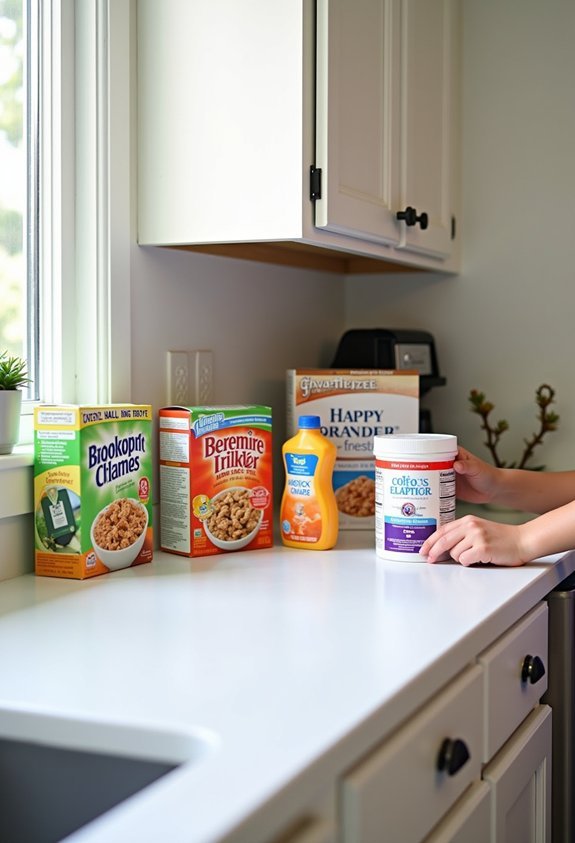
Strategic timing stretches your budget, but choosing the right brand can cut costs every single week.
For everyday products like pain relievers, cleaning supplies, rice, pasta, and canned vegetables, generic brands typically cost 20–40% less than name brands, yet they’re often made in the same facilities and meet identical regulations.
You can verify value quickly. Compare unit prices on shelf labels, not just sticker prices.
Scan ingredient lists and active components; if they match, you’re almost certainly paying extra only for marketing. Use store apps or websites to track price differences across your usual basket.
Reserve name brands for items where you truly notice a performance or taste gap.
Stack Rewards, Cashback, and Discount Codes
When you combine rewards programs, cashback tools, and discount codes in a single transaction, you can often cut your out‑of‑pocket cost by 20–50% without changing what you buy.
Start by enrolling in loyalty programs at the stores you already use most; members typically earn 1–5% back in points.
Join store loyalty programs first—your regular shopping quietly earns 1–5% back in points every trip
Then layer on cashback apps that add another 2–10% on top.
Finally, search discount websites or browser extensions for stackable promo codes before you checkout.
- Feel a quiet win every time you see the final price drop.
- Replace guilt‑driven impulse buys with strategic, data‑backed savings.
- Watch small percentages compound into hundreds a year.
Track each step in a simple spreadsheet so you can see how stacking rewards reliably boosts your real savings rate over each month.
Avoid Traps in Retail Psychology and Store Layouts

Although stores feel designed for convenience, they’re actually engineered to keep you browsing longer, spending more, and noticing higher‑margin items first—so you need a counter‑strategy.
Start by recognizing retail traps in store layouts: essentials at the back, high-profit items at eye level, and long maze-like paths that increase impulse buying.
Walk with a list and go directly to targets. Question psychological pricing like $4.99; round it up in your head to blunt the effect.
Treat endcaps, special product placement, and promotional signage as ads, not advice. Don’t rush for limited time offers or scarcity tactics—assume they’ll return.
To avoid lingering, follow the shortest aisle design path, ignore sensory marketing, and compare only the options you planned to buy on this trip and future visits.
Master Unit Pricing to Spot True Value
Instead of trusting “family size” labels or sale tags, you use unit pricing to compare products by a common measure—price per ounce, pound, liter, or count—so you always know the real value.
You treat shelf tags as data, not decoration, and run quick unit price comparison checks. Often, the “sale” item costs 10–30% more per unit than the plain alternative. That awareness reshapes your value perception and directs your cart.
- You feel in control, not manipulated by marketing.
- You feel calm, because choices become simple math.
- You feel proud, watching your receipt total drop over time.
Practice this for a month and track savings; many shoppers report cutting grocery bills by 15% or more just by choosing the lowest unit cost consistently each week.
Shop Secondhand and Refurbished When It Makes Sense

Unit pricing helps you stop overpaying for everyday items; the same mindset applies to bigger purchases, where secondhand and refurbished options can cut costs by 30–70% without sacrificing performance.
Start with categories that lose value fast: furniture, tools, sports gear, kids’ items, and refurbished electronics. Check completed listings on eBay or Facebook Marketplace to benchmark fair prices before you buy.
Focus on fast-depreciating items and use completed online listings to anchor realistic secondhand prices
When thrift store shopping, inspect seams, zippers, and soles; skip anything with strong odors or structural damage. For electronics, look for manufacturer- or retailer-certified refurbishing, at least a 90-day warranty, and battery health details.
You may also like:





Always compare against the new-item price and factor in lifespan. If the savings aren’t at least 30% for similar quality, walk away. Track results to confirm costs and reliable performance.
Plan Meals to Cut Food Waste and Extra Store Trips
When you plan meals before you shop, you can cut your grocery bill by 10–25% and slash the 30–40% of food the average household wastes.
Start by checking your pantry, fridge, and freezer; then map dinners for 3–7 days around what you already have. Build shopping lists directly from that plan, grouping items by store section to reduce impulse grabs and repeat trips.
Prioritize versatile ingredients—rice, beans, eggs, frozen veggies—that work across multiple recipes and simplify meal prep.
- Imagine opening your fridge and immediately knowing what’s for dinner.
- Feel relief as your receipt shrinks while your cart still looks full.
- Enjoy tossing fewer expired containers and stretching each paycheck further every single week without complicated cooking or stressful last-minute decisions again.
Delay Non-Essential Buys With a 24-Hour Rule

Although impulse buys can feel harmless in the moment, they quietly add up to hundreds or even thousands of dollars a year, especially on non-essentials like clothes, gadgets, and décor.
A simple 24-hour rule strengthens impulse control and protects your budget. When you want something non-essential, don’t buy it immediately. Write it down, note the price, and revisit the decision the next day. Most people find at least half of “must-haves” no longer feel worth it.
Track how many items you skip; multiply by their prices to see real savings. If you still want the item after 24 hours, compare retailers, check reviews, and confirm it fits your priorities.
This tiny delay builds disciplined delayed gratification and long-term financial stability over time, reduces overspending.
Conclusion
When you use these strategies together, you turn shopping from a leaky bucket into a well‑designed pipeline. One family who tracked every purchase, meal‑planned, and bought generics cut their monthly grocery bill by 25% in three months—without feeling deprived. You can do the same. Set your spending plan, stick to your list, compare prices, and pause before non‑essential buys. Each smart choice is a controlled valve on your money, not a guess.