15 Things I Never Buy New Anymore
You often hear that buying secondhand can cut your costs in half while dramatically shrinking your footprint—but is that actually true in daily life? When you stop paying full price for furniture, clothing, electronics, vehicles, and more, you start to see clear patterns in what’s worth sourcing used and what isn’t. Over time, certain categories almost never justify a new purchase. Once you recognize them, you’ll rethink where your money goes next.
Secondhand Furniture and Home Décor
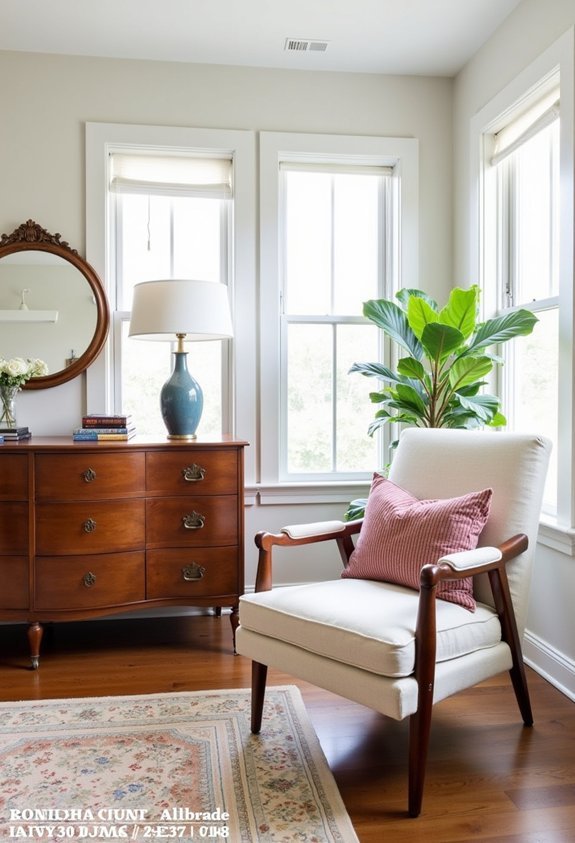
If you’re willing to skip the showroom markup, secondhand furniture and décor can easily cut your costs by 50–80% while giving you higher-quality pieces than most flat-pack options.
Start with solid-wood dressers, tables, and bookshelves; they often last 50+ years, compared with 10–15 for many budget new pieces.
Prioritize neighborhoods with high turnover and check listings midweek, when serious sellers post. Bring a tape measure, flashlight, and masking tape to map dimensions at home.
Search for “solid wood,” “real leather,” and “estate sale” to filter junk and spot vintage finds. You’ll divert bulky items from landfills, a key move for sustainable living, since furniture accounts for millions of tons of waste annually.
Inspect joints for wobble and avoid musty odors or visible mold indoors.
Pre-Loved Clothing and Outerwear
Once your home looks good for less, your wardrobe can follow the same strategy. Start with wardrobe staples: jeans, blazers, cashmere sweaters, trench coats.
Quality brands last 5–10 years, so buying them pre-loved often cuts costs by 60–80% without sacrificing durability. Focus on natural fibers—wool, linen, cotton, leather—which you can repair, tailor, and resell.
Buy quality pieces pre-loved: save 60–80%, keep durability, and favor repairable natural fibers
Check seams, zippers, and fabric content labels; skip anything with pilling in high-friction areas. Use saved searches on resale apps, filter by size and material, and track sold listings to know realistic prices.
You’ll support sustainable fashion by extending each garment’s life, and you’ll experiment cheaply with trends. Commit to one-in, one-out rules so your closet stays intentional, not cluttered.
Over time, you’ll own better pieces and spend far less.
Refurbished Electronics and Gadgets
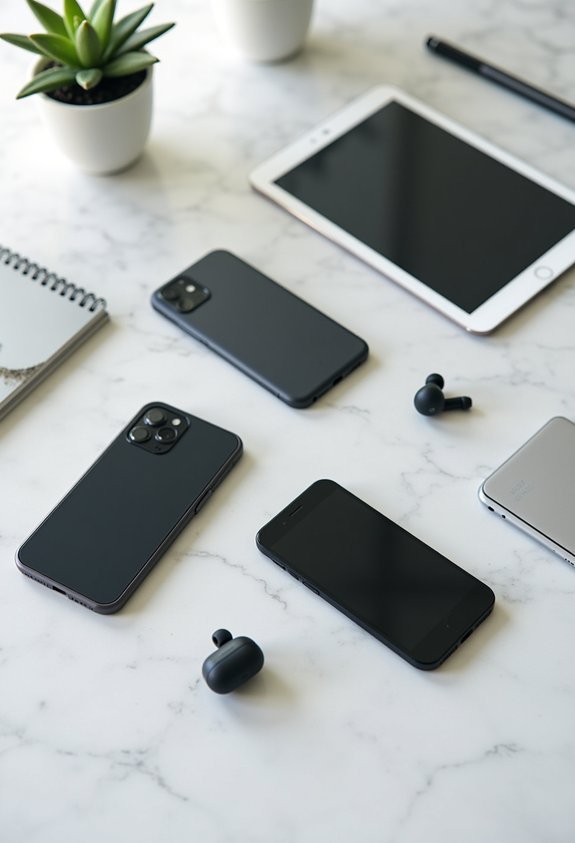
While new tech loses value the moment you open the box, refurbished electronics let you buy top-tier devices at mid-range prices. You routinely save 20–50% versus new, especially on refurbished laptops and upgraded smartphones that are one or two generations old.
Focus on certified refurbishers that replace batteries, screens, and storage, then provide at least a 12‑month warranty and a clear return policy. Check SMART test results on drives, battery health reports, and cosmetic grading (A, B, C) so you know exactly what you’re getting.
Compare benchmark scores and RAM/storage specs to ensure the device actually meets your workload. Finally, factor in accessories: insist on genuine chargers and test ports, cameras, and speakers immediately on arrival.
Record serial numbers and keep receipts for warranty.
Used Cars and Bicycles
Two big-ticket items I’ve stopped buying new are cars and bicycles because the depreciation curve is brutal. You lose 20–30% of a new car’s value in the first year, yet a three-year-old model often has identical safety features and better real-world reliability data.
You focus on fuel efficiency, maintenance records, and total cost per mile, not paint smell. Get a pre-purchase inspection, pull a vehicle history report, and compare insurance quotes before committing.
For bikes, buy used from local co-ops, reputable shops, or club forums. You’ll get higher-quality components for the same budget.
Check frame alignment, brake wear, drivetrain stretch, and wheel trueness. Budget for immediate bicycle maintenance: fresh tires, chain, cables, and a professional tune-up to reset the service clock from scratch.
Thrifted Books and Textbooks

Books are one of the easiest categories to stop buying new because the value lives in the content, not the cover price. You can routinely cut your costs by 70–90% by buying used instead of new retail.
Buying used books unlocks the same knowledge for a fraction of the cover price
Start with local thrift stores and library sales; scan barcodes with a price-comparison app and set a maximum price per book. Join neighborhood book swaps to keep your shelves rotating for free.
For college or professional courses, prioritize textbook rentals or previous editions; differences are often under 10% of content, while prices drop 50% or more.
Resell or donate titles after you’re done to recoup costs and declutter. Track annual spending to see the real savings compound. Over a decade, that’s thousands kept in your pocket untouched.
Vintage Dishes, Glassware, and Kitchen Tools
Because modern mass-produced kitchenware loses value quickly, vintage dishes, glassware, and tools are one of the smartest categories to stop buying new. You can often get restaurant-grade durability for yard-sale prices.
Prioritize vintage tableware made from stoneware, ironstone, or heavy porcelain; it survives daily use and dishwasher cycles. Learn to spot lead-free pieces: avoid crazed glazes, unmarked bright-orange or red glazes, and pre-1971 Mexican ceramics.
For collectible glassware, search completed listings on eBay to see real selling prices before you buy. Focus on intact rims and bases; chips cut resale value by 50–80%.
With retro kitchen gadgets, test moving parts in-store. Favor stainless steel and cast aluminum. Build a small checklist so you can scan for cracks, wobble, and warping fast before each purchase.
Previously Owned Exercise Equipment
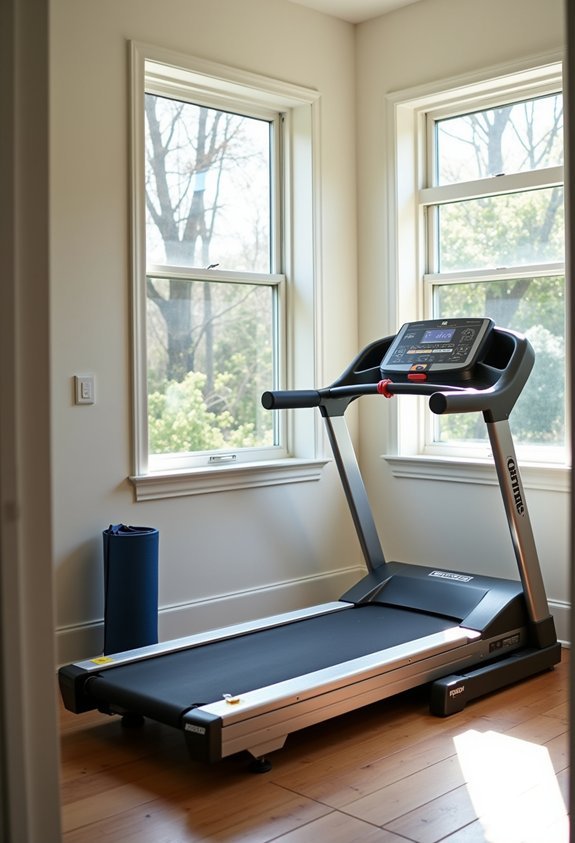
Once your kitchen’s stocked for pennies on the dollar, the next big savings often come from previously owned exercise equipment. Most treadmills, rowers, and weight benches lose 50–70% of their retail value as soon as someone realizes they don’t like the latest fitness trends. You can build a durable home gym from these castoffs.
> Build a rock-solid home gym for cents on the dollar with quality secondhand equipment.
Start by checking local marketplace apps and gym liquidations. Search for commercial-grade brands, not infomercial gadgets. Ask for usage hours, maintenance records, and original receipts.
Test every electronic function, belts, and resistance levels. For weights, inspect for rust and structural cracks, not cosmetic scuffs.
Negotiate firmly—assume at least 30% off the asking price. Bring basic tools, straps, and a friend so you can move heavy gear safely without damaging floors.
Gently Used Kids’ Clothes and Toys
Few categories waste money faster than buying kids’ clothes and toys brand new, especially when most items are outgrown or ignored within months.
Data from resale platforms shows children’s items retain only 20–30% of retail value after light use, so you’re paying a premium for very little extra wear time.
Prioritize secondhand for anything that doesn’t involve safety mechanics: jeans, dresses, pajamas, puzzles, blocks, and board books.
Use neighborhood clothing swaps and toy exchanges to refresh your child’s wardrobe and playroom at nearly zero cost.
When you must buy, choose high‑quality brands in neutral colors, then resell them on consignment or online.
Track what you spend versus what you recoup; your effective cost per item will plummet.
Over a year, savings easily exceed $500.
Secondhand Handbags and Accessories
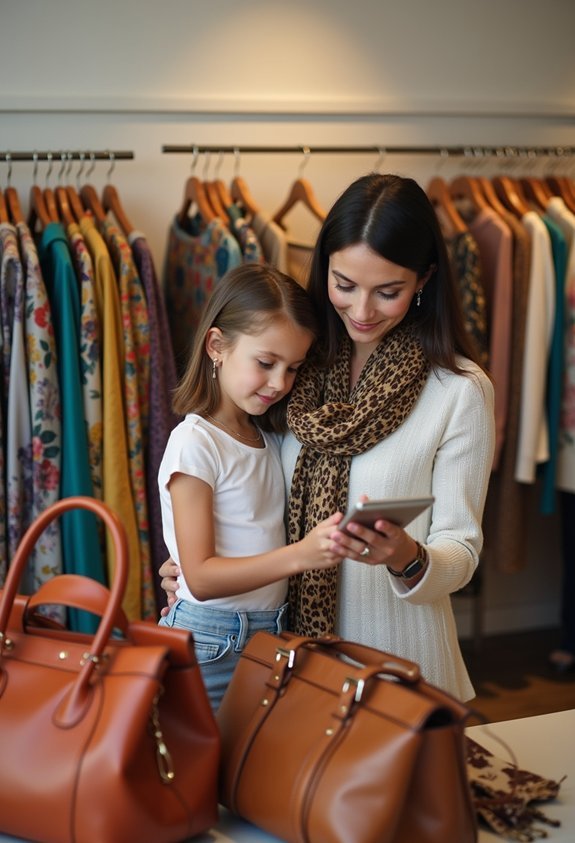
High‑quality handbags and accessories are some of the safest, smartest items to buy secondhand, especially from brands with strong resale markets.
Pre‑loved designer handbags deliver premium quality, strong resale value, and major savings over retail prices
You get better materials and higher resale value while paying 30–70% less than retail. Prioritize classic shapes from reliable labels; skip obvious designer dupes that won’t hold value.
Verify brand authenticity using serial numbers, stitching quality, and platform authentication services. Hunt vintage finds and upcycled accessories on curated resale apps, consignment shops, and charity boutiques.
Apply practical thrift tips: search completed listings, set price alerts, and compare condition grades. Focus on current accessory trends—structured crossbodies, minimalist belts, metal hair clips—then filter for “excellent” condition.
Commit to simple handbag care: store stuffed, avoid overloading, and clean hardware promptly to extend life and savings significantly.
Rescued Rugs and Textiles
After you’ve upgraded your bags and belts for less, rugs and textiles are where secondhand savings multiply fast.
Vintage wool rugs, linen curtains, and cotton throws often cost 50–80% less used, yet outlast many fast‑fashion home lines.
Start by targeting natural, eco friendly fibers—wool, jute, cotton, linen. They clean better, release fewer microplastics, and usually indicate higher craftsmanship.
Run your hand across the weave; dense knots and tight stitching mean longevity.
Don’t fear stains or frayed edges. Basic textile restoration—professional cleaning, edge serging, patching—typically runs under $5–$8 per square foot, far below new retail.
Ask sellers for close-up photos of wear, backing, and labels, then negotiate. Minor flaws become leverage, turning a $600 rug into a $120 rescue.
You cut waste and upgrade home.
Pre-Owned Camping and Outdoor Gear
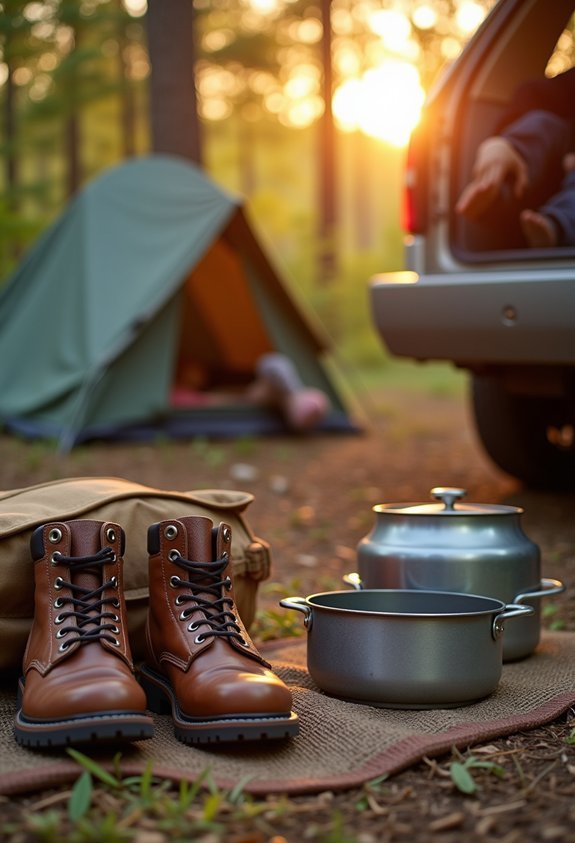
Tents, backpacks, and camp stoves are some of the easiest big-ticket items to stop buying new, often saving you 40–70% off retail with almost no performance trade-off.
Start by targeting brands with strong repair programs and published weight specs so you can quickly benchmark used listings. Check seams, zippers, poles, and burner regulators; failures there account for most field issues.
Prioritize camping essentials that depreciate fast but last long: hard-shell coolers, trekking poles, stainless cookware, and kid gear they’ll outgrow in a season.
Skip used helmets, climbing hardware, and water filters for safety reasons.
Use gear libraries, REI Re/Supply, and local Facebook groups to test setups cheaply, then resell anything that doesn’t earn a spot in your outdoor adventures bag for future low-cost trips.
Thrift Store Art and Wall Decor
Framed art and wall decor are some of the fastest things to stop buying new because secondhand pieces often sell for 70–90% less than retail while delivering the same visual impact.
You can build a whole gallery wall for the cost of one big-box print. Prioritize solid frames and real glass; you can always replace the art inside. Check backs for hanging hardware and look for artist signatures or numbered prints, which can resell for more if your taste changes.
Quickly screen thrift store paintings and vintage wall hangings by condition: avoid water damage, warping, or smoke odor. Take measurements before you shop and keep photos of your rooms on your phone so you can match scale and colors accurately when you get home.
Refinished Wood Pieces and Antiques
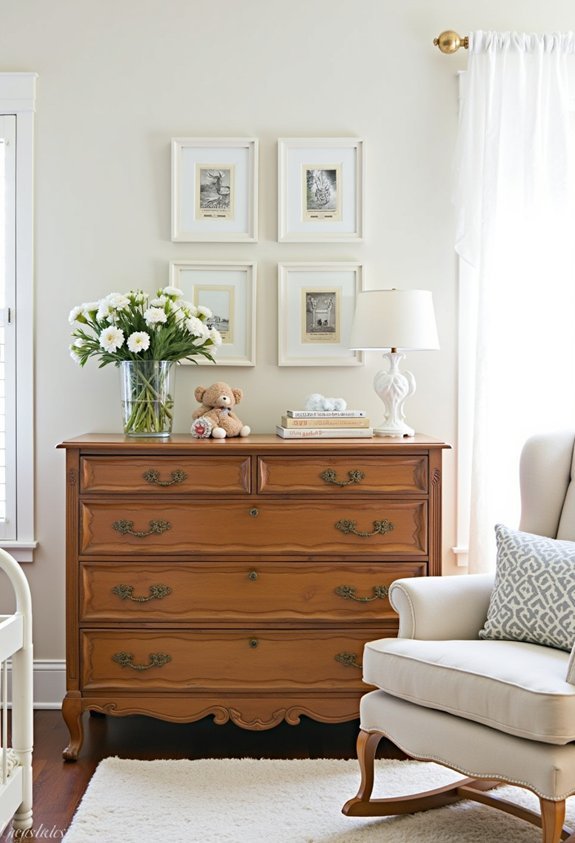
Once you start spotting value in secondhand art, it’s a short step to larger scores: refinished wood furniture and true antiques.
Quality hardwood tables that cost $800 new often sell for under $150 on local marketplaces, especially if the finish looks tired. That’s where basic restoration techniques pay off: you sand, clean, stain, and seal, turning beat-up pieces into durable, high-value staples.
Focus on solid wood construction, dovetail joints, and era-specific vintage styles that hold resale value. You’ll avoid particleboard, fast fashion furniture, and inflated retail markups.
When you’re hunting, prioritize pieces that meet at least one of these criteria:
- Solid hardwood frames
- Original hardware intact
- Minimal water or mold
- Unique or documented maker
- Classic, recognizable vintage styles
Those metrics keep your purchases disciplined.
Used Musical Instruments and Gear
Guitars, keyboards, mics, and studio gear lose 30–60% of their value the moment they leave the store, which makes the used market hard to ignore if you care about ROI.
You may also like:



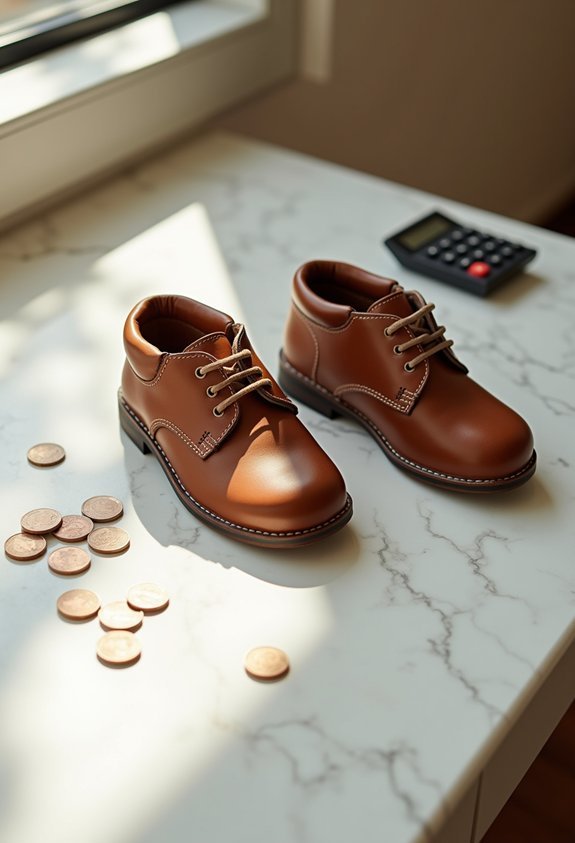

You can exploit that depreciation instead of paying for it. Prioritize vintage guitars, used amplifiers, and well-reviewed digital pianos—these hold value or even appreciate.
Before buying, check sold listings on Reverb and eBay to anchor a fair price, then inspect: neck straightness, fret wear, noisy pots, and power-supply hum.
Plug into every input and push gain to reveal hidden issues. Ask for maintenance records and original receipts to avoid stolen gear.
When possible, buy locally so you can test in person and negotiate 10–25% below asking. Factor in cases, cables, and basic repairs.
Rehomed Plants, Pots, and Garden Supplies
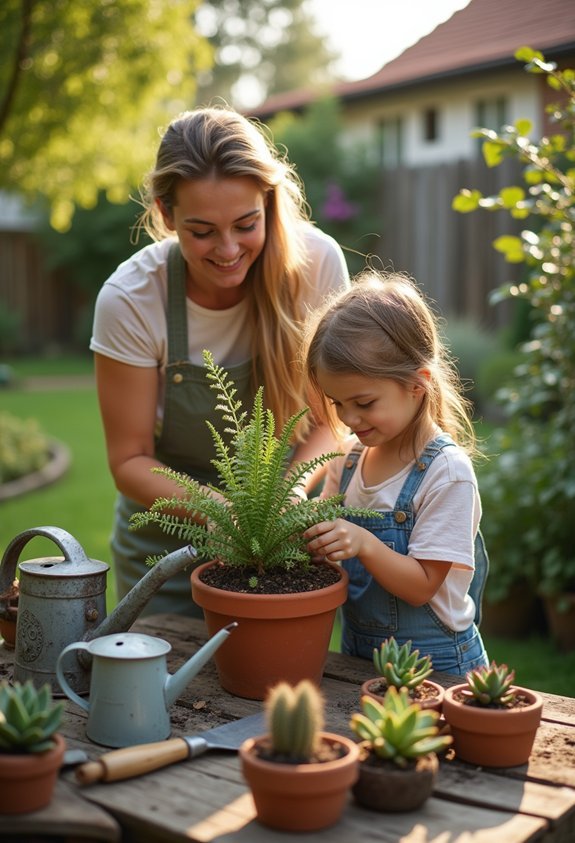
Although big-box garden centers make it easy to overspend, the best ROI in gardening often comes from rehomed plants, secondhand pots, and surplus supplies.
You can cut startup costs by 70–90% and still grow a productive, beautiful space.
Look for:
- Neighborhood plant swaps where you trade cuttings and practice plant propagation.
- Buy-nothing groups offering extra pots, soil, and tools from recent moves.
- End-of-season nursery clearances with stressed plants you can revive cheaply.
- Construction or restaurant sites discarding food-safe buckets you can convert into planters.
- Online classifieds listing bulk compost, mulch, or bricks for pickup.
Clean everything with a 10% bleach solution to avoid pests, then track savings to see how rehoming supports truly eco friendly gardening over the years.
Conclusion
When you add it up, buying secondhand can cut costs by 30–70% while keeping usable items out of landfills—why pay more for the same function? Start small: choose a used bookshelf, a refurbished laptop, or thrifted jeans this month. Track what you save in a simple spreadsheet. As your list grows, you’ll see the proof in numbers: lower expenses, less waste, and a home filled with things you chose on purpose, not on impulse.