The Secondhand Strategy That Saves Me Thousands
You probably don’t realize that buying most things secondhand can cut your annual spending by 20–40% without lowering your standard of living. When you target charity shops in wealthier areas, use online marketplaces for bulkier items, and follow a tight “want list,” you stop paying full price for almost everything. Add smart timing and simple negotiation, and your savings quietly snowball—faster than you’d expect, and in places you might be overlooking.
Why I Buy Almost Everything Used

Even if you’re not naturally frugal, buying most things secondhand is one of the fastest ways to lower your cost of living without feeling deprived.
You avoid paying the 20–30% retail markup that covers marketing, rent, and fancy displays, not actual usefulness. When you follow basic thrift store etiquette—put items back where you found them, don’t hoard carts, respect staff—you shop faster and spot quality pieces others overlook.
You can also use online marketplaces to target specific brands, materials, and price ranges, then compare sold listings to confirm fair value.
Over a year, shifting categories like clothing, furniture, and kids’ gear to used can realistically cut hundreds, even thousands, from your spending while keeping your lifestyle almost identical. You simply pay less for life.
Where the Best Secondhand Deals Actually Are
Once you know where to look, secondhand shopping stops being random luck and starts feeling almost unfairly profitable. Your best odds come from places with constant inflow and low pricing power.
Start with charity shops in higher‑income neighborhoods; studies show they receive better donations and rotate stock faster, which means more thrift store treasures at lower prices. Visit on weekday mornings, when new racks usually roll out.
Hit charity shops in wealthier areas on weekday mornings—fresh, higher‑quality donations at bargain prices.
Next, hit garage sales and moving sales in late spring and late summer, when people purge before relocating. You’ll see steep “I don’t want to move this” discounts.
Finally, use online marketplaces like Facebook Marketplace, Craigslist, and local buy‑nothing groups for bulky items where shipping would kill retail resale margins. Track patterns and prioritize the richest sources.
Building a Smart “Want List” So You Don’t Waste Time
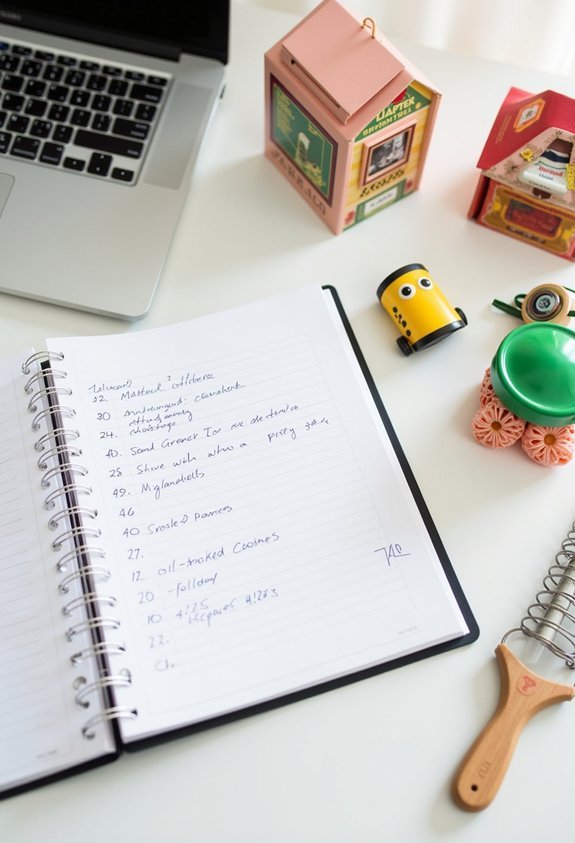
You know where the good secondhand sources are; now you need a system so you’re not chasing every “great deal” that pops up. A smart want list turns random scrolling into targeted hunting.
- List your priority items. Limit yourself to 5–10 things you’ll actually use in the next 90 days; people who do this cut impulse buys by about 30%.
- Define specs: brand, size, color, dimensions, max price. Clear filters mean faster passes and fewer maybes.
- Rank urgency: must-have, nice-to-have, someday. Check high-urgency items first.
- Track results. Note what similar items actually sell for and how often they appear. In a week or two, you’ll know realistic prices and which searches aren’t worth your time almost all of the time.
How I Spot Quality and Avoid Hidden Junk
Spotting quality secondhand pieces comes down to a repeatable checklist, not “having an eye” or getting lucky.
Start with touch: run your hand along edges and seams; solid wood, thick glass, and dense fabrics are quality indicators, while peeling veneer or rough, splintery spots are red flags.
Check weight: heavier usually means better materials and hardware.
Inspect joints and stitching; tight dovetails, metal brackets, and straight, even seams signal durability.
Open every drawer and door; they should glide smoothly and close flush.
Smell for smoke, mildew, or heavy perfume—odors rarely come out completely.
Finally, do a 30-second structural test: sit, lean, or gently shake; if it wobbles, creaks, or flexes, walk away.
That quick process protects your budget and keeps hidden junk at bay.
Negotiating, Timing, and Other Tactics That Multiply Savings

After you know how to spot quality, the next step is squeezing the best possible price out of every good find through smart negotiating and timing.
You may also like:




Data from resale platforms shows listings with price cuts sit unsold for days, so you’ve got leverage. Use it deliberately:
Price cuts mean stale listings—and your leverage. Patient buyers turn hesitation into hefty discounts.
- Open with a specific offer, not “Is this negotiable?” Anchoring at 20–30% below asking often lands you near the middle.
- Cite flaws or comps: “Similar jackets sold for $40; I can do $35.”
- Exploit seasonal timing: buy winter gear in March, patio sets in October, when demand drops.
- Let silence work. Make your offer, wait, and be ready to walk; sellers frequently lower prices rather than lose a ready buyer.
These habits compound, turning thrifting into serious savings.
Making Secondhand Your Default Without Feeling Deprived
Once the thrill of deal-hunting wears off, the real win comes from quietly making secondhand your default instead of a special occasion.
You start with a mindset shift: assume you’ll buy used unless safety, hygiene, or availability says otherwise. That simple rule can cut discretionary spending by 20–30%, according to consumer behavior studies.
Create a short “buy new only” list—mattresses, helmets, cosmetics—so you don’t feel reckless, just strategic.
Then build friction into new purchases: delete saved cards, unsubscribe from fast-fashion emails, and wait 48 hours before any full-price buy.
Track what you save each month and assign it a job: debt payoff, investments, or a specific goal.
Deprivation fades when conscious consumption funds things you truly value and makes secondhand living feel genuinely upgraded.
Conclusion
When you buy secondhand on purpose, you don’t just save a little—you routinely cut 50–80% off retail. It’s no coincidence your want list shrinks, your clutter drops, your savings rate climbs. You hunt in better neighborhoods, you check listings daily, you negotiate, you wait for off-season deals—and it all compounds. Soon it’s no coincidence that your home feels richer, your bank account feels fuller, and full-price suddenly feels unnecessary for you, or your future self.