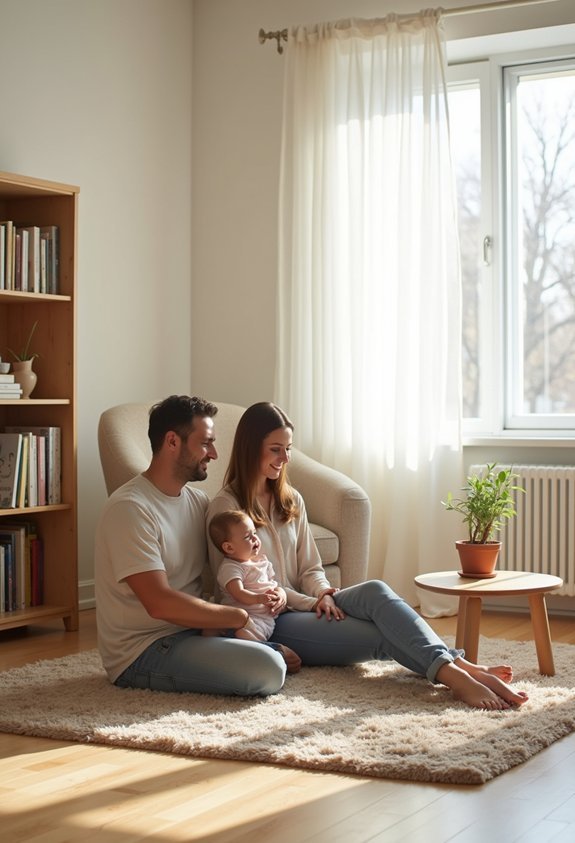
The Decluttering Conversation to Have With Your Spouse
When clutter starts to weigh on your home, it can quietly strain your relationship too—but the answer isn’t ordering your spouse to “just get rid of stuff.” You’ll need a calm, honest conversation that respects both of your emotions and habits, and turns “your mess” or “my mess” into “our system.” To start, you’ll focus less on piles and more on how you both want life at home to feel—and then gently work backward from there.
Why Decluttering Feels So Personal for Both of You

Even though you’re “just talking about stuff,” decluttering quickly becomes personal because every item represents something deeper—security, identity, memories, or even unspoken fears.
When you declutter, you’re not just sorting objects—you’re handling memories, identities, and unspoken fears.
When you question an object, you’re also brushing against emotional connections and unfinished stories. Your spouse may see a stack of old magazines as proof they’re still creative, while you see recycling.
You’re not actually arguing about objects; you’re reacting to what they symbolize. Personal histories, money worries, and past criticism can all echo through a simple, “Do we still need this?” That’s why defensiveness shows up fast.
Instead of pushing for quick decisions, get curious about what each item protects or represents.
When you respect the meaning first, you both feel safer exploring what can gently leave your shared home.
Setting Shared Goals for Your Home Together
When you both recognize how personal your stuff feels, you’re ready to decide what you actually want your home to do for you.
Start by naming how you’d love daily life to feel: calm mornings, easier cleanups, more connection. Instead of jumping straight to tossing things, design a system together.
Ask, “What spaces stress us most?” and “What would ‘enough’ look like there?” Capture your shared priorities in simple, specific statements.
- A clear kitchen counter where weeknight dinners feel manageable
- A bedroom that supports real rest, not storage overflow
- A living room where friends can drop by without panic
As you align on a mutual vision, you shift decluttering from sacrifice into teamwork and practical problem-solving.
Those agreements guide choices and reduce decision fatigue.
How to Talk About Clutter Without Blame or Criticism

How do you stay honest about clutter without turning every conversation into a fight or a shutdown?
Start by shifting from blame to curiosity. Instead of “You never clean up,” say, “I feel overwhelmed when the counters are full; can we find a system that works for both of us?” Use positive language that names solutions, not character flaws.
Practice active listening: reflect back what you hear, ask clarifying questions, and pause before responding. Focus on patterns and processes—where items land, how mail piles up, when laundry gets stuck—not on who’s “bad” at cleaning.
Agree to tackle one small zone at a time, evaluate what helped or got in the way, then adjust your shared system together. Keep conversations brief, respectful, and future-focused always.
Understanding Each Other’s Attachment to Stuff
Once you’re speaking about clutter with less blame, you can start exploring why certain items matter so much to each of you.
Instead of arguing about piles, you’re investigating patterns. Ask your spouse what a specific object represents, and listen for the story beneath it—loss, achievement, security, identity.
Notice your own emotional attachment too; you may protect things for comfort, not usefulness.
Picture a few hotspots:
- A box of childhood trophies under the bed
- Overflowing bookshelves from different life stages
- Drawers stuffed with old phone chargers and cables
Each category holds different sentimental value and anxiety triggers.
When you see these items as signals—about needs, fears, and dreams—you can redesign your home system to respect both history and present life, and actually fits you.
Creating Ground Rules Before You Touch a Single Box

Before either of you opens a closet or drags out a bin, agree on how you’ll make decisions together. Start by naming your shared outcome: more space, less stress, easier cleaning.
Then define decluttering priorities: safety first, then function, then sentiment. Decide what always stays (legal papers, essentials), what always goes (broken, expired), and what needs a joint review pile.
Clarify shared responsibilities. Will you sort together, or will one of you pre-sort and the other review? Set time limits for sessions and agree on break points, so no one feels trapped in the process.
Choose simple signals—“keep,” “maybe,” “go”—and respect them. When you design the system together, you protect both your relationship and your home from clutter, resentment, and future decision-making gridlock together.
Handling Disagreements When You Can’t See Eye to Eye
Even with ground rules, you and your spouse will hit moments where you just don’t agree—on an item, on a room, or on what “enough” means.
Even with shared rules, you’ll still clash on clutter, space, and what “enough” truly means
When that happens, slow the conversation, not the relationship. Name what’s going on: differing comfort levels, fears, or sentimental ties. You’re not fighting over objects; you’re bumping into emotional triggers and competing needs.
Use simple compromise strategies:
- Picture your living room surfaces cleared, a single meaningful photo displayed, breathing space around it.
- Imagine opening a closet where hangers move freely, and you see what fits your life now.
- Visualize a nightstand holding only a lamp, a book you love, and a glass of water.
Stay curious; ask, “What still feels risky about letting this go?”
You may also like:
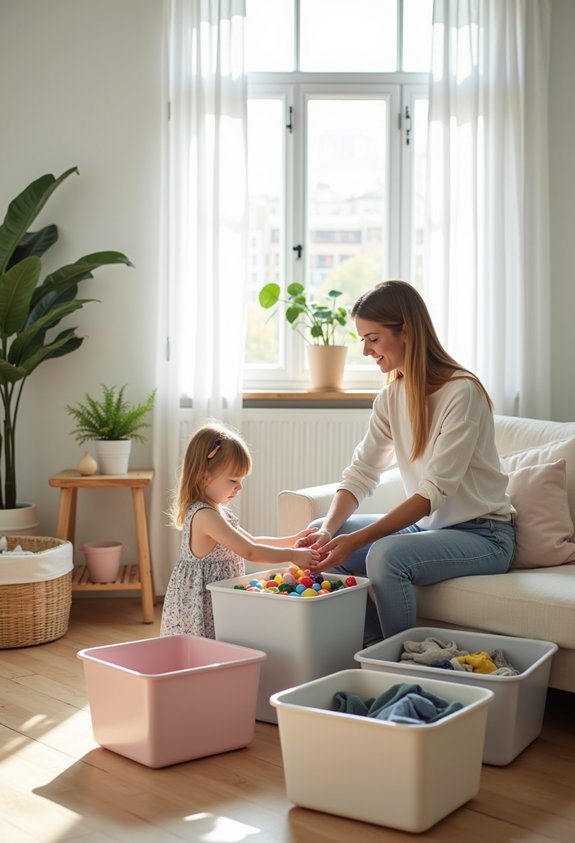
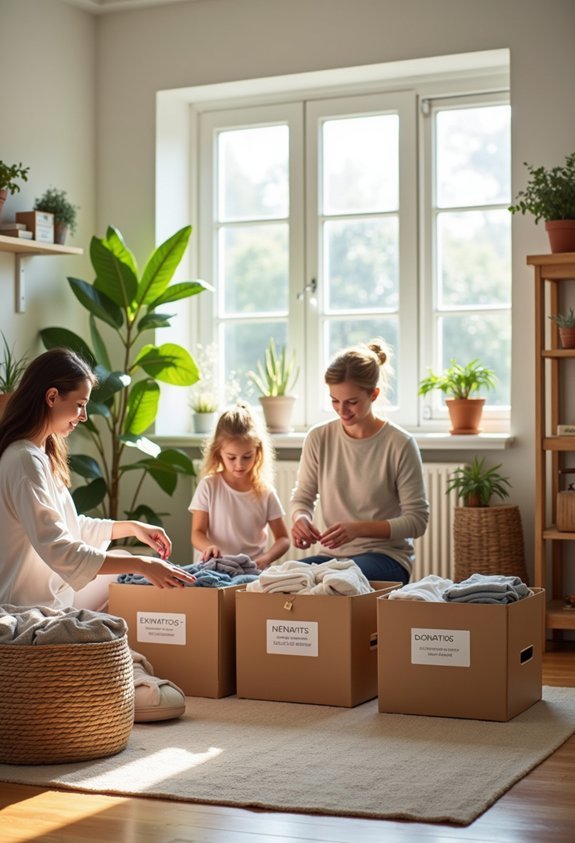

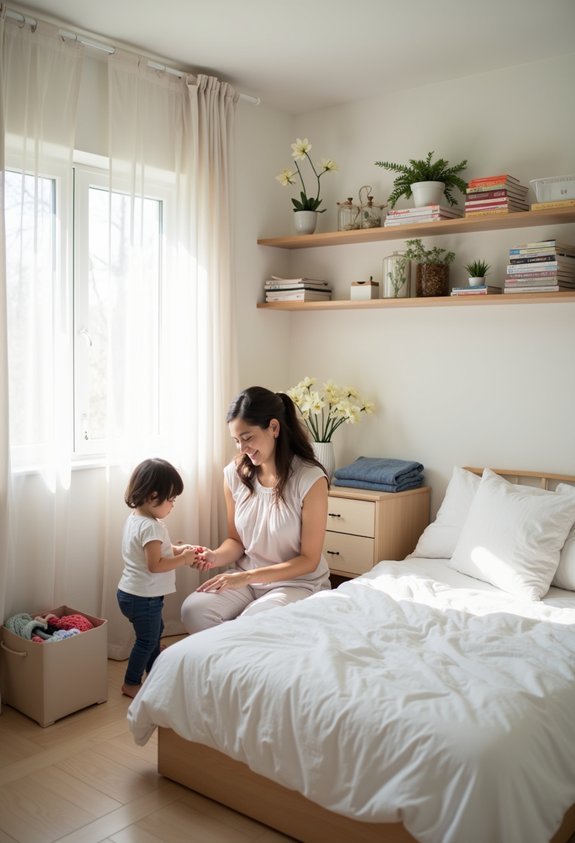
Building a Step‑by‑Step Decluttering Plan You Both Accept

Although emotions often run high around clutter, you both need a concrete roadmap so decisions don’t keep circling back to the same arguments.
Start by listing your decluttering priorities together: safety, function, calm, or space for guests. Rank specific zones—entryway, kitchen counters, bedroom floor—so you tackle the highest‑impact areas first.
Then break each zone into small, observable tasks with time limits. Clarify shared responsibilities: who sorts, who decides, who handles donating, selling, or trash. Write this down so the system doesn’t live only in one person’s head.
Decide simple rules in advance—like “keep three, release the rest” or “paper older than a year goes.” Finally, schedule short, focused sessions and agree how you’ll measure “done” for each space without burning either of you out.
Keeping the Peace (and the Progress) After the First Big Clean‑Out
Once you’ve survived that first big clean‑out together, the real challenge becomes protecting both the progress and the relationship from slowly sliding back into old patterns.
Start by agreeing on simple systems: where mail lands, when laundry gets folded, how long “temporary” piles can stay. Use compromise strategies when your tolerances differ; think levers, not battles.
You protect connection with ongoing communication instead of silent resentment. Hold short weekly check‑ins: what’s working, what’s slipping, what needs adjusting?
- A clear kitchen counter with only a bowl of fruit and a candle
- An entry bench with two baskets, one for each of you
- A closet where every hanger holds something you actually wear
Celebrate small wins so shared systems feel satisfying to maintain.
Conclusion
Now you know clutter isn’t just stuff; it’s stories, fears, and hopes piled in corners. When you treat it as a shared system, not a personal flaw, you and your spouse can experiment, adjust, and try again without blame. You’ve set goals, ground rules, and a plan. But the real turning point isn’t the first bag you donate. It’s the next conversation you choose to have… and what you’re finally ready to release together now.