15 Things Blocking Your Decluttering Progress
You want a calmer, clearer home, but something keeps getting in the way. You start, then stop. You stash things in bins, feel a brief win, and then the clutter creeps back. It’s not that you’re lazy or bad at organizing—there are hidden blockers at work. Some are emotional, some are practical, and some you may not even notice yet. Once you see them clearly, everything about your space can change.
You’re Waiting for the “Perfect” Time to Start
Even though you keep telling yourself you’ll start decluttering “when things calm down,” that ideal moment never arrives. You wait for school breaks, vacations, or a less stressful season, but life keeps filling the calendar.
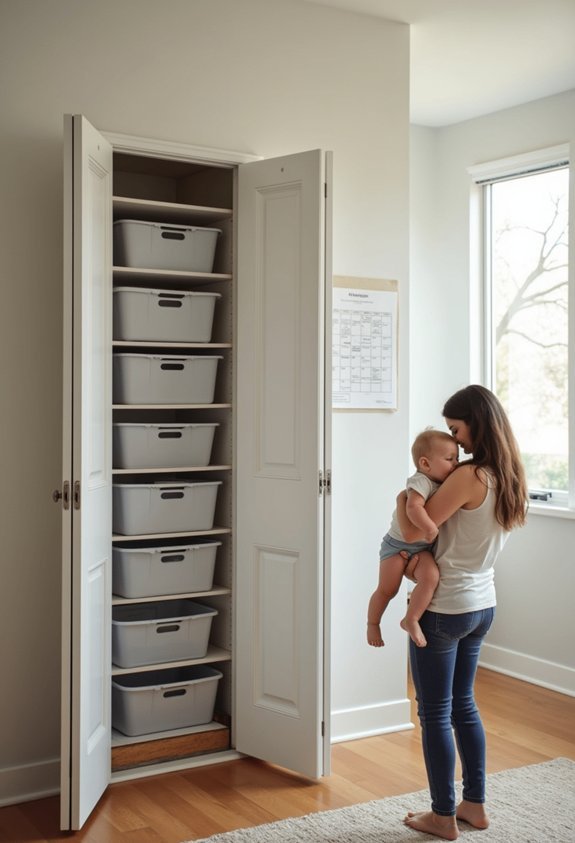
This chase for ideal timing hides deeper procrastination patterns: you tell yourself you’re “planning,” but you’re actually postponing decisions. Instead, treat decluttering like any other recurring task. Block a small, fixed window—ten to twenty minutes—on specific days, then honor it like an appointment.
When the time comes, you start, regardless of mood or busyness. Consistency matters more than large bursts of effort. By releasing the fantasy of perfect conditions, you finally create real momentum. You prove to yourself that progress fits into ordinary, not imaginary, days after all.
You Feel Overwhelmed and Don’t Know Where to Begin
Once you stop waiting for the perfect time, a new problem often appears: you look around, feel crushed by how much there is, and freeze because you don’t know where to begin.
That’s clutter paralysis: too many decisions, zero movement.
Start by shrinking the problem. Use simple prioritization techniques: pick one room, one surface, or one category. Commit to just 10–15 minutes; short sessions are powerful starting strategies for overcoming inertia.
Shrink the chaos: choose one small area, work just 10–15 minutes, and let momentum build.
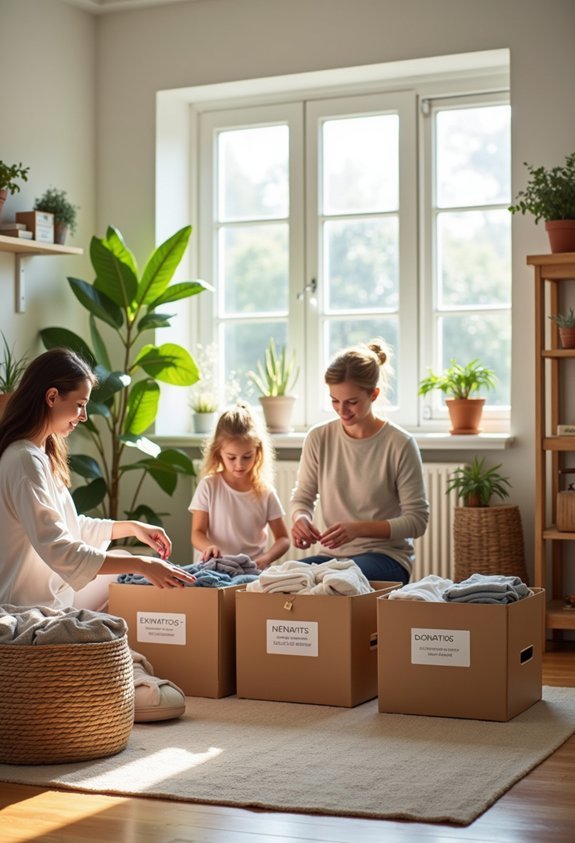
Next, make quick mindset shifts: progress over perfection, fewer choices over more. Choose simplification methods like “keep, donate, trash” boxes to limit options.
Create tiny decluttering plans with clear goal setting: “clear the nightstand today.” Use visible wins as motivation boosters, then repeat the same actionable steps tomorrow and build steady momentum forward.
You’re Holding Onto “Just in Case” Items
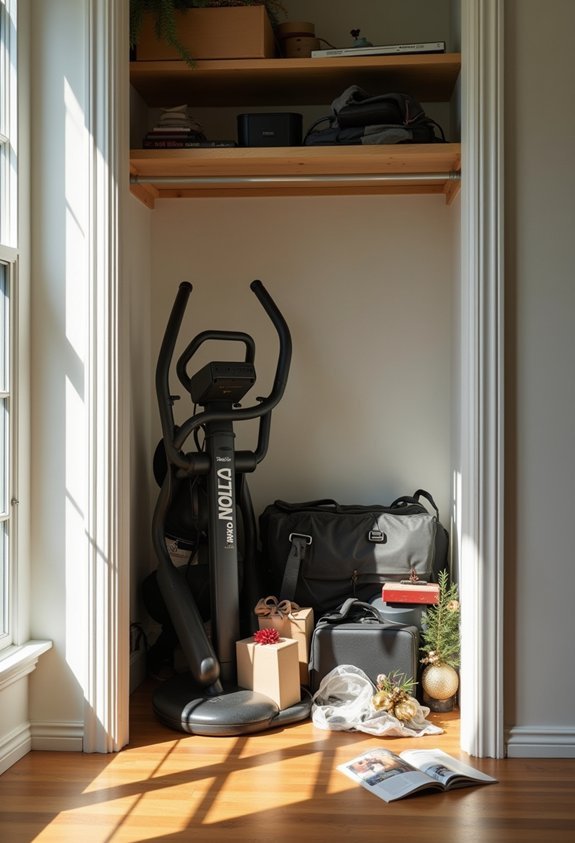
How many “just in case” items are quietly filling your closets, drawers, and storage bins?
This Just in case clutter feels responsible, but it quietly steals space, time, and energy. You keep backups for every “what if” scenario, yet rarely use them.
To move forward, question each item: When did I last use this? What specific situation am I saving it for? Could I realistically replace it?
Keep only what passes those tests. For the rest, choose Practical alternatives:
- Borrow from friends, neighbors, or a library.
- Share community tool libraries or lending groups.
- Use multipurpose items instead of single‑use gadgets.
- Rely on a small, well‑chosen emergency kit.
- Trust that stores and online delivery exist for true emergencies when needed.
You Feel Guilty Letting Go of Gifts and Inherited Stuff
Why does letting go feel hardest when something came from someone you love? You’re not just holding an object; you’re holding memories, gratitude, even unfinished conversations.
Start with honest questions: Do I use this? Does it reflect my life now? Would the giver want it to burden me? That mindset shift creates guilt reduction without denying love.
Practice gift appreciation by fully acknowledging the kindness, maybe writing a note or taking a photo before you release the item.
Keep a small, curated selection of truly meaningful pieces, and let the rest go to people who’ll use them. You honor the relationship more by living freely and intentionally than by keeping every reminder, no matter how heavy it feels.
That choice is generous to you.
You’Re Confusing Storage With Decluttering

Use containers as limits, not excuses. Before something earns space, make it pass a test:
- Do I use it regularly?
- Would I notice if it disappeared?
- Do I’ve duplicates that work just as well?
- Is it worth the time to clean, maintain, or move?
- Could this space serve me better with less in it?
When you keep only what supports your current life, storage becomes simple.
You’re Letting Sentimental Items Take Over
Even when you’re ruthless with everyday clutter, sentimental things can quietly flood your space and stall your progress. You keep every card, ticket, and souvenir because tossing them feels like erasing people or moments. That emotional attachment is real, but unlimited keeping doesn’t equal meaningful memory preservation.
Start by separating “truly special” from “nice but forgotten.” Choose a small boundary— a box, drawer, or shelf— and commit to fitting all mementos inside it. Photograph bulky items, then release the physical object. Label what you keep so you actually revisit the memories.
When guilt appears, remind yourself: you’re curating, not rejecting. You’re making space for the life you’re living now, while still honoring the past intentionally instead of drowning in it around you each day.
You Keep Telling Yourself “I Might Need This Someday
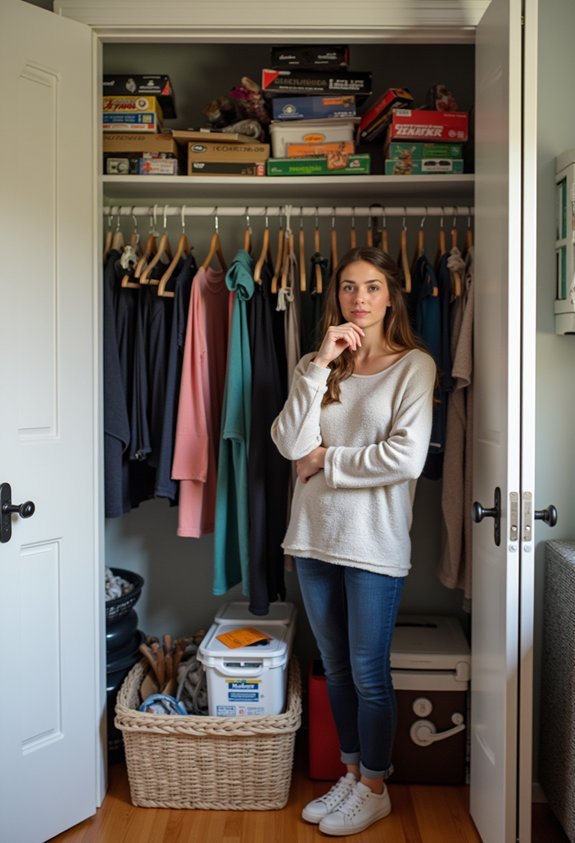
At some point, almost every drawer and closet becomes a museum of “just in case” items: spare cables, old packaging, duplicates, mystery parts, and clothes you might wear “when the occasion finally comes.”
You tell yourself you’re being practical, but that vague future rarely arrives, while the clutter stays and grows. You’re predicting Future needs from a place of Fear of scarcity, not Practical usage.
Each object carries a story of Potential use, creating Uncertain attachment and Decision paralysis.
To shift from Clutter mindset to Minimalist mindset, ask:
- When did I last reach for this?
- What scenario requires it?
- Could I borrow or improvise instead?
- Does it provide Emotional security or stress?
- Is keeping it really worth Time investment?
You’re Attached to the Money You Spent
That “I might need this someday” story often hides another one underneath: “I spent good money on this.”
You hang onto gadgets you don’t use, clothes that don’t fit, and hobby supplies you’ve abandoned because tossing them feels like throwing cash in the trash.
This isn’t just Financial attachment; it’s Emotional investment. You’re grieving wasted money, time, and hopes.
Instead of punishing yourself by keeping clutter, treat each item as tuition: it taught you what doesn’t work.
Your clutter isn’t failure; it’s paid-for wisdom about what your real life needs.
Ask, “If I didn’t own this already, would I pay full price for it today?” If not, release it.
Reclaim value in other ways: donate, sell within a deadline, or gift to someone who’ll actually use it.
Your space, energy, and peace are worth more than receipts.
You’re Afraid of Making the Wrong Decisions

You’re not protecting your future self; you’re protecting your fear of regret.
To move forward, shrink the importance of each decision. Treat today as an experiment, not a trial.
Try setting clear rules:
- Decide within 30 seconds per item
- Create a “maybe” box with a review date
- Keep one backup
- Donate duplicates immediately
- Limit sentimentality to one box
You Don’t Have Clear Boundaries for What Stays
Start with space evaluation: how much shelf, drawer, and closet space do you truly have, and how do you want it to feel?
From there, create criteria like: “Only what I use weekly lives on the counter,” or “Books must fit on this single bookcase.”
When something doesn’t meet your criteria and doesn’t fit the space, it’s a candidate to leave without guilt or second-guessing every small choice.
You’re Trying to Do It All in One Marathon Session

Once you’ve set some boundaries for what gets to stay, the next trap often appears: trying to power through your entire home in one epic decluttering day.
That marathon mindset sounds noble, but it usually leads to decision fatigue, frustration, and half-finished rooms. Instead, treat decluttering like a series of short, focused work sessions that build momentum through quick wins.
Try this structure:
- Choose one drawer, shelf, or surface at a time.
- Set a 20–30 minute timer and stop when it rings.
- Finish each space fully: sort, decide, bag, and put away.
- Take brief breaks so you return with fresh judgment.
- Track your completed zones to see steady progress and stay encouraged.
Small, consistent sessions protect your energy and make decluttering truly sustainable long-term.
You’re Letting Other People’s Opinions Control Your Space
Even after you’ve decided what you want in your home, other people’s expectations can quietly take over your shelves, closets, and walls.
You keep gifts you don’t like, decor that isn’t your style, and heirlooms you’d never choose, because external influences feel louder than your own voice.
Start by noticing where social pressure shows up. Ask, “If no one ever visited, would I keep this?” If the answer’s no, it’s clutter. Thank the person or memory, then release the item.
Next, set clear boundaries. Tell family you’re simplifying and won’t keep everything.
When new things enter your home, pause before accepting. You’re not rejecting people; you’re choosing a home that reflects your current life, not their expectations.
That choice is valid, healthy, and sustainable.
You Haven’t Built Simple Daily Tidying Habits
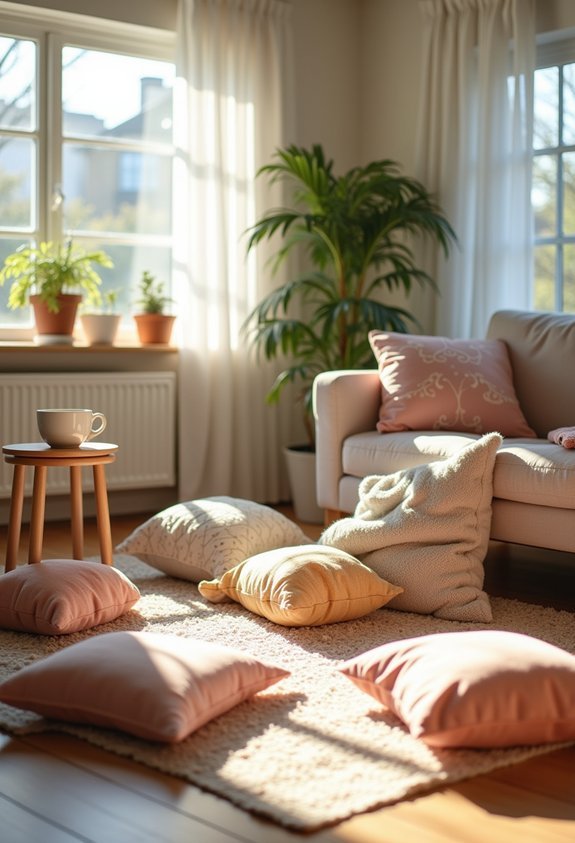
Although big decluttering sessions feel productive, your home quickly slips back if you don’t have small, repeatable habits to maintain it. Clutter grows from tiny daily decisions—dropping mail, leaving dishes, postponing laundry—so you need daily routines that reverse that pattern.
Start by choosing a few five-minute actions you’ll repeat every day, no matter what:
- Clear and wipe kitchen counters each night.
- Do a quick pick-up in your highest-traffic room.
- Reset your entryway: shoes, bags, keys back to homes.
- Process mail and paper immediately, not “later.”
- Put laundry away the same day it’s washed.
Use simple habit tracking—on paper, an app, or a calendar—to reinforce consistency.
Over time, these micro-habits keep clutter from returning. You’ll feel calmer, more in control, and proud of steady progress.
You’re Using Clutter to Avoid Tough Emotions
Many people quietly use clutter as a shield against tough emotions—grief, guilt, loneliness, fear of the future, or regret about the past. When you feel overwhelmed, it can seem safer to hold onto things than to face what hurts.
You may also like:


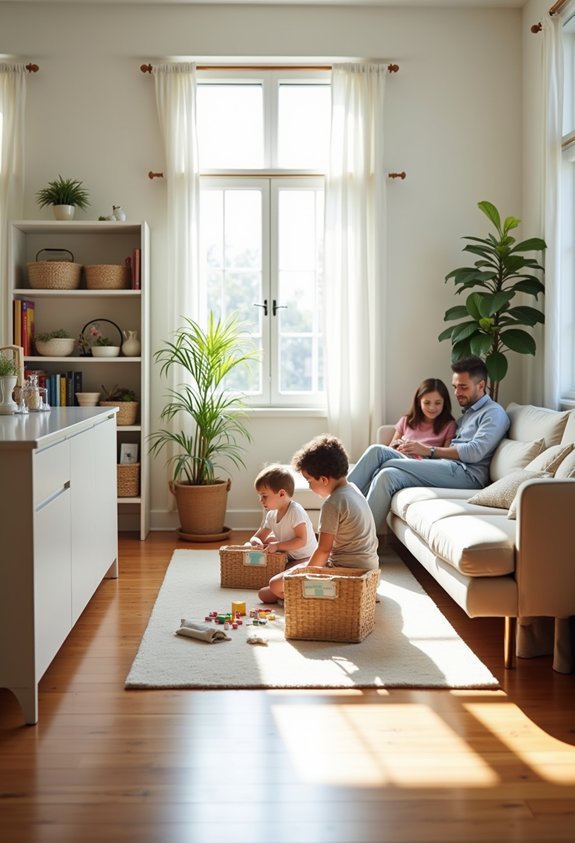
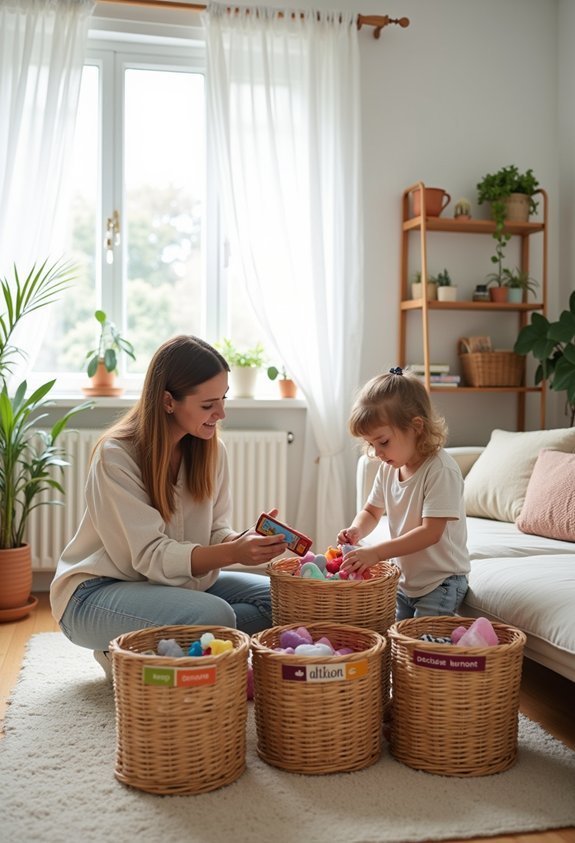
Clutter can feel safer than pain, but sometimes holding on just postpones the healing you need
Each object carries an emotional attachment, a story you’re not ready to close. Clutter comfort feels real: stacks of books, overflowing drawers, and sentimental gifts create a buffer between you and difficult memories.
To move forward, pause before decluttering and name what you’re actually feeling. Ask, “What emotion am I avoiding by keeping this?” Breathe, then decide.
Maybe you keep one representative item and release the rest. When you honor the feeling first, letting go of the object becomes less threatening and more possible afterward.
You Haven’t Defined the Vision for Your Ideal Home
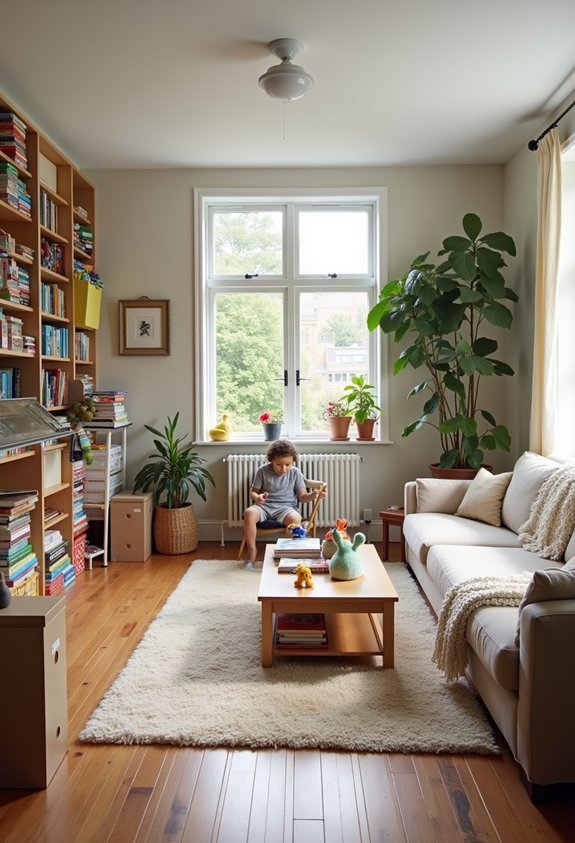
Until you know what you’re aiming for, decluttering feels like sacrifice instead of change. You pull items out and quit because you’re not sure what you’re creating.
Define your ideal home first, then decisions become obvious.
Start by imagining how you want to live, not just how you want rooms to look. Name three priorities for daily living.
Create a simple vision board—digital or on paper to capture your ideal space: colors, light, furniture, storage, and mood.
Then let every item answer one question: “Does this belong in that vision?”
- Clarify the purpose of each room.
- Note essential activities you want supported.
- Identify how you want to feel at home.
- Choose guiding words, like “calm” or “playful.”
- Use these filters while sorting every category.
Conclusion
Decluttering isn’t about perfection; it’s about progress. Start small, choose one area, and give yourself clear limits for time and decisions. Notice what’s truly supporting your life and let the rest go, piece by piece, like untangling a knot. When guilt, overwhelm, or “what ifs” show up, pause, breathe, and return to your vision for home. If you keep showing up in these tiny ways each day, your space will steadily transform before your eyes.