13 Decluttering Lessons I Learned From Moving
Every box you tape shut becomes a mirror, quietly reflecting how you’ve been living—often on autopilot. When you move, you can’t ignore the duplicate gadgets, the “just in case” clothes, or the sentimental items buried in drawers. If you treat this chaos as data, you can build smarter systems, buy less, and feel lighter. The shift starts with how you handle just thirteen key decisions…
Moving Forces You to Finally Face Your Stuff

When you move, you’re forced to handle every single item you own, and that pressure exposes exactly what’s worth keeping and what’s just taking up space.
Treat each box as a structured audit. Pick up one object at a time and ask: Do I use this? Do I like this? Will it fit the life I’m building next?
Moving pushes you into facing reality about delayed decisions, half-finished projects, and fantasy hobbies. Notice the discomfort instead of dodging it.
Moving exposes the weight of every unfinished thing. Let the discomfort push you to decide.
You’re also confronting memories embedded in old paperwork, clothes, and décor. Translate that emotional jolt into action: keep, donate, recycle, or trash.
Record problem categories you see repeating, then set clear rules so clutter can’t regrow in your new place. Review weekly to maintain control.
Sentimental Items Aren’t Automatically Keepers
Use a simple system:
- Gather sentimental items into one place so you see the volume clearly.
- Choose top-tier treasures that strongly support memory preservation and display or store them with care.
- For low-impact pieces, photograph them, write a brief note about the story, then let the physical item go.
- Set a container limit—one box, one drawer—and keep only what fits easily, so your true keepsakes stay visible and meaningful in your home environment.
Just in Case” Is Usually Just Clutter
Although “just in case” sounds prudent, it usually disguises fear-based indecision and turns into silent clutter.
Start by naming the “just in case” pitfalls: vague future events, unrealistic backup plans, and guilt about past spending.
When you pick up an item, ask, “What specific scenario will I use this in within a year?” If you can’t answer clearly, it’s clutter.
Next, evaluate accessibility: could you borrow, rent, or buy a replacement within 30 minutes or for under $20? If yes, release it.
Build a decluttering mindset by trusting your ability to solve problems when they arise instead of stockpiling.
Store confidence, not extras: keep versatile tools, let go of one-off gadgets, and give remaining items clear, current purposes.
Review these choices monthly to reinforce.
Duplicates Reveal Your Real Habits
Multiple versions of the same thing quietly map your real routines, not your ideal ones. When you pack, use duplicate identification as a diagnostic tool, not a guilt trip.
Duplicates aren’t clutter; they’re data. Let your extra items reveal your real habits, not your wishful ones.
Every extra spatula, black t‑shirt, or phone charger exposes how you actually live.
- List each category where duplicates appear and group items in one place.
- Ask, during calm habit reflection, “How many of this do I realistically use in a week?”
- Keep only the best performers in that quantity; donate or recycle the rest.
- Adjust storage so favored items are easiest to reach, reinforcing the habits you want.
Your Future Home Deserves a Fresh Start

When you think about your next place as a clean slate instead of a storage upgrade, it’s easier to let go of what doesn’t belong in your future.
Start by defining how you want to live there: how you’ll spend mornings, work, relax, host. Then evaluate each item against that vision. Ask, “Will I use this in the life I’m building?” If not, release it.
Treat the move as a commitment to fresh beginnings. Box only what actively supports comfort, health, and creativity.
Digitize papers, donate décor that doesn’t fit, and replace broken stand-ins with one reliable tool when necessary. You’re not just moving objects; you’re curating your environment through mindful choices that reduce clutter, decision fatigue, and future regret in your new home.
Decluttering Is Easier With Clear Boundaries
1. Define containers. One shelf for books, one bin for sentimental items.
When it’s full, something goes before anything new stays.
2. Set category caps. Decide your maximum numbers for coats, mugs, and linens, then edit down.
3. Assign rooms a purpose. If an item doesn’t support that purpose, it doesn’t belong there.
4. Write your rules. Post them where you sort so limitations enforced on paper become non-negotiable in practice every day, and no regret.
Time Limits Turn Decisions Into Action

Even with clear boundaries, your decluttering stalls until you give each decision a deadline. Time constraints force you to stop circling and start choosing.
Begin by setting a timer for each category: ten minutes for books, five for kitchen gadgets, two for random junk drawer items. When the timer starts, apply simple decision making strategies: keep it if you use it weekly, store it if you’ll need it seasonally, donate or toss everything else.
Set a short timer, decide fast: weekly use stays, seasonal gets stored, everything else leaves.
Don’t pause the clock to reminisce or research resale values. If you’re stuck when the timer ends, the default rule is: it goes.
Short, repeatable sprints train you to act quickly, reduce second‑guessing, and move visible piles out of your home. You finish lighter, decisive, and measurably closer to done.
Letting Go Gets Easier With Practice
Although the first few rounds of decluttering can feel uncomfortable, repetition steadily rewires how you relate to your stuff. Each decision to release something small builds emotional resilience and makes the next item easier to evaluate. To practice, work in short, focused sessions and treat them like training, not tests.
- Start with obvious low-value items; you’ll collect quick wins and reduce decision fatigue.
- For sentimental pieces, define clear criteria: keep what reflects who you’re now, not only who you were.
- Say out loud why you’re letting an item go; hearing your reasoning reinforces simplifying attachments.
- Review past “hard” discards; notice how little you miss them, and let that evidence guide bolder choices in future rooms, moves, and seasons too.
Your Storage Space Is Not a Dumping Ground
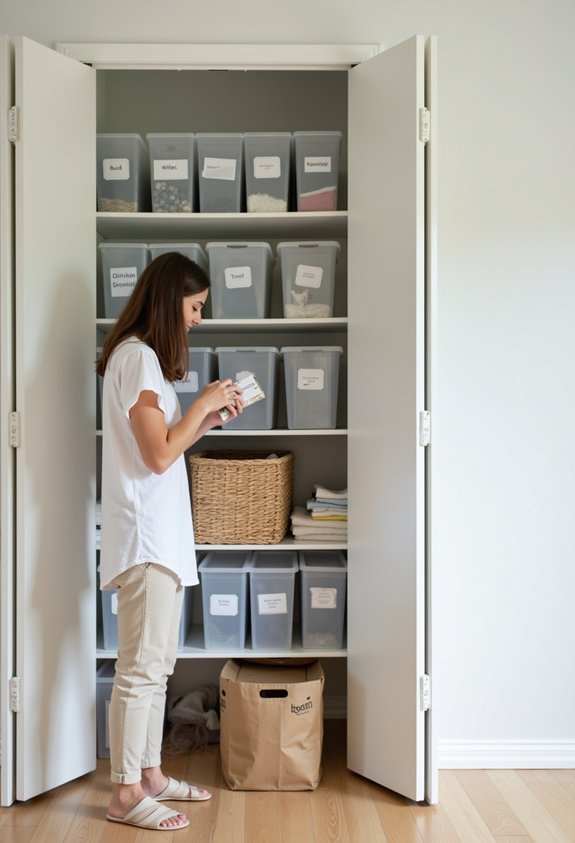
Once you’ve practiced letting go, you need to confront a common trap: treating closets, basements, and garages as “later” piles instead of intentional storage.
Start by auditing your storage habits: pull everything out, group by category, and label what each zone should hold—tools, seasonal décor, archived documents.
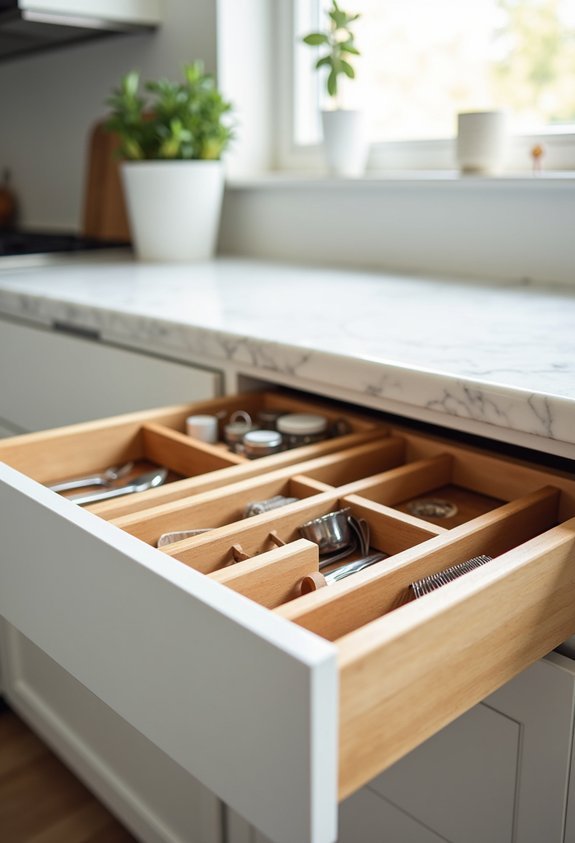
If an item doesn’t fit a defined category or current life stage, it doesn’t belong there. Use simple organizing techniques: clear bins, vertical shelves, and uniform labels so you can see and retrieve things quickly.
Set capacity limits for each area; when a shelf is full, something must leave before anything new goes in.
Schedule a brief quarterly review to reset categories, remove stray items, and keep storage working, not hiding clutter, for you and your home.
Money Already Spent Is Not a Reason to Keep Things
You’ve set limits on your storage; now you need to set limits on the power of past spending. When you declutter after a move, sunk costs shout, “Keep it, you paid good money!” You override that by asking what serves you now, not what something cost then.
- Identify the trap: if the only reason you keep an item is price paid, you’re stuck in sunk-cost thinking, not present value perception.
- Separate emotional attachment from obligation; you can appreciate memories without storing dead weight.
- Recalculate value: does it save time, space, or money going forward? If not, release it.
- Recover what you can: sell, donate, or gift so the item creates value for someone else. Your future self will thank you.
Systems Matter More Than One‑Time Purges
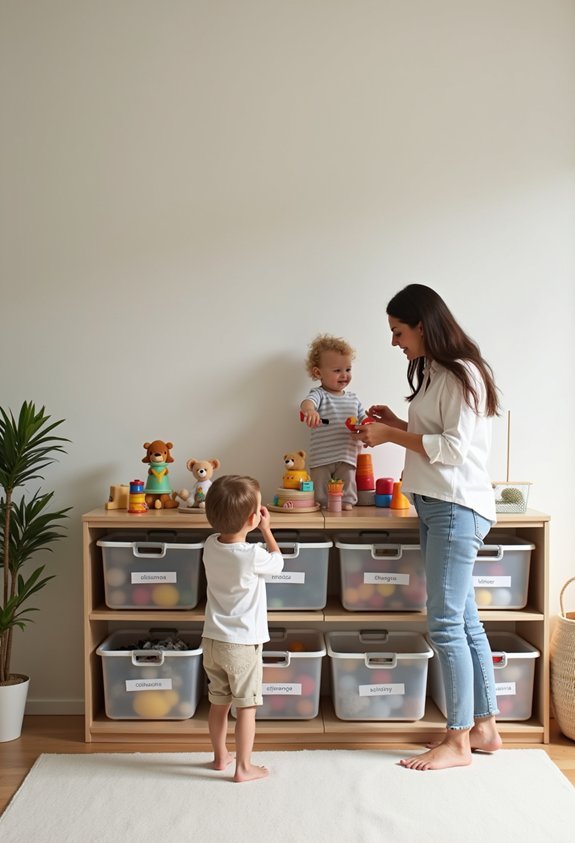
When the boxes are finally unpacked and the trash bags hauled out, it’s tempting to believe the hard part is over, but lasting order depends on the systems you build next, not the purge you just powered through.
Start by assigning every item a clear home and labeling shelves, bins, and folders. Use systematic organization so you can put things away in seconds, not minutes.
Create entry points for mail, keys, and bags so clutter doesn’t spread across surfaces. Set small, recurring habits: a five‑minute reset each night, a weekly paper review, a monthly closet check.
These routines lock in sustainable decluttering because they prevent buildup instead of forcing you into another exhausting sort‑and‑toss marathon. Systems turn one clean move into a calmer home.
Donating Well Makes Parting Feel Better
Instead of treating donation as a vague “get rid of stuff” step, approach it as a targeted, intentional process that respects both your items and their next owners.
You may also like:



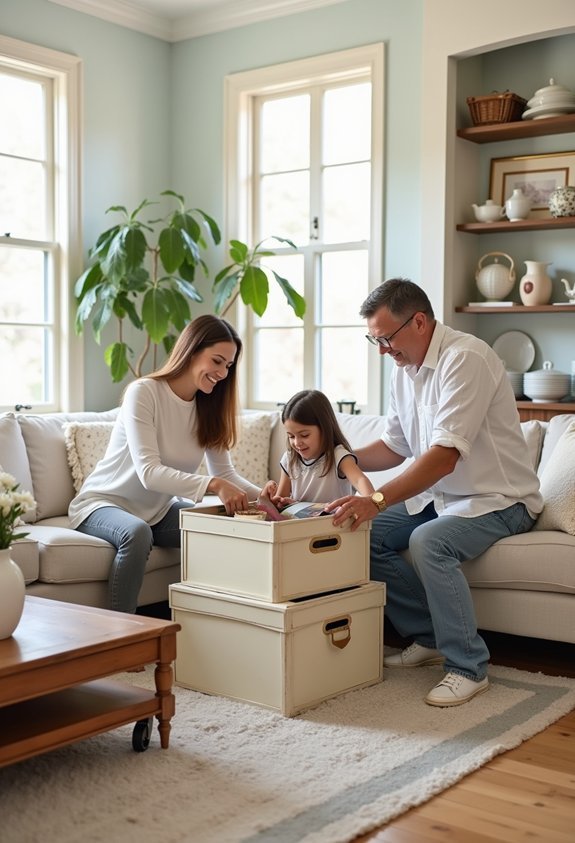
When you see clear donation impact, letting go stops feeling like loss and starts feeling like contribution.
Use a simple decision path:
Follow a clear, kind decision path so every donation is intentional, not impulsive clutter-clearing
- Identify local organizations that match each category of item—shelters, schools, community centers, specialty thrift stores.
- Confirm what they actually accept, plus their drop‑off times, so your donations are useful, not burdensome.
- Pre‑sort items by destination and label bags clearly; you’ll reduce friction and avoid second‑guessing.
- After donating, pause to note the emotional release you feel and mentally thank the item for its service; this closes the loop for you long-term.
Traveling Lighter Changes How You Buy Next Time
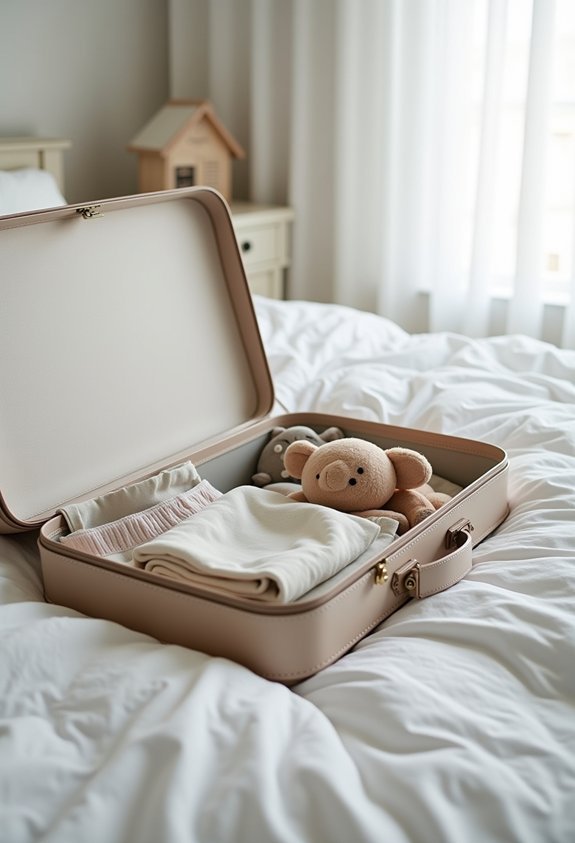
One lasting benefit of a big move is how sharply it recalibrates your buying habits.
After hauling boxes you barely used, you start treating every future purchase as potential weight. Use that memory deliberately. Before you buy, ask: Where will this live? How often will I use it? What’ll it replace?
Adopt a minimalist mindset by creating simple rules: one-in-one-out for clothes, no duplicates in the kitchen, no “aspirational” gear unless you’ve booked the activity.
Delay nonessential spending for 30 days; most impulses fade.
Shift toward intentional purchases: upgrade essentials you use daily, invest in versatile items, and favor experiences over objects.
Each decision is a small rehearsal for your next, much easier move. You save money, space, and protect your future self.
Conclusion
When you treat your move like editing a book, every item becomes a sentence to keep, cut, or rewrite. A woman in a 2019 study cut 60% of her wardrobe and reported feeling “mentally lighter”—that’s your benchmark. Walk room to room, decide the function, assign a home, and release the rest. Photograph what matters, donate what helps others, and let empty space be proof you’ve written a new chapter on purpose in your home life.