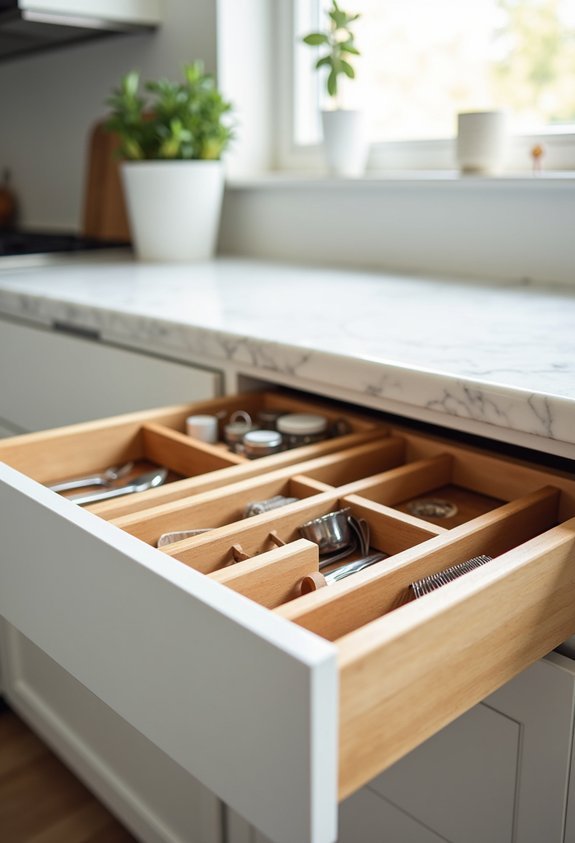
How I Decluttered My Way to Mental Clarity
When did your home start feeling more like a storage unit than a sanctuary? You look around and see piles, postponed decisions, and memories you’re afraid to touch. You’re not lazy or disorganized—you’re attached, overwhelmed, and unsure where to begin. Once you understand why you’ve kept so much, you can create simple systems that actually stick. And when you do, something unexpected shifts—not just on your shelves, but in your mind…
The Moment I Realized Stuff Was Weighing Me Down

It often takes a small, ordinary moment to expose a much bigger truth, and for me it happened when I couldn’t find something as simple as my keys.
You’ve had mornings like that: you’re late, surfaces buried, drawers jammed. As you dig, you don’t feel supported by your home; you feel trapped by it.
You notice how every object demands space, cleaning, decisions. Your emotional attachment to old gadgets, gifts, and duplicates quietly taxes your energy.
Every forgotten item isn’t just clutter on a shelf; it’s a tiny leak in your mental energy.
That day, you see a pattern, not a one‑off crisis. Your mind’s overloaded because your environment’s overloaded.
Untangling the Emotions Behind My Clutter
Although clutter looks physical, the real knots usually sit in your emotions—memories, fears, guilt, and “what if” stories attached to every object.
When you face a crowded shelf, you’re really facing unfinished conversations, abandoned dreams, and versions of yourself you’re not ready to release.
Start by naming what you feel: nostalgia, shame, emotional attachment, fear of loss. Say it out loud; this separates you from the object.
Next, ask, “What job does this item do for my heart?” Maybe it proves you were once generous, ambitious, loved. Acknowledge that need, then ask, “Is there a kinder way to meet it?”
You’re not throwing out your history; you’re choosing which parts still support the life you’re building. That choice lightens your space, mind, and future.
The Simple Systems That Finally Worked for Me

Once you’ve named the emotions behind your clutter, you’re ready for tools that don’t just look pretty on Pinterest but actually work on tired, busy days.
Start by adopting a minimalist mindset: decide what supports your current life, not a fantasy one.
Give every item a clear home. Use simple containers, one per category, and label them in plain language you’ll understand at 11 p.m.
Create short, repeatable steps: a five-minute surface reset, a ten-minute paper sweep, a weekly donate-box drop-off.
Build “open space” into shelves and drawers so they’re never overstuffed.
When something new comes in, choose what goes out.
Let your organizing strategies stay flexible; adjust them when they feel awkward instead of forcing perfection.
Small tweaks compound into calm, reliable order.
You may also like:





How Clearing Space Changed My Habits and Routines
When you finally clear physical space, your habits quietly shift to match it. You see what you own, so your choices become deliberate.
With surfaces open, you stop dropping clutter and start finishing tasks. You lay out only what supports the next action: a book by the chair, shoes by the door, water on your desk.
Clear surfaces become launchpads: fewer objects, clearer cues, more finished tasks.
This kind of routine simplification reduces friction, so it’s easier to follow through. Over time, you reach for healthier defaults—planning meals, tidying as you go, prepping for tomorrow.
That’s habit transformation in action: clear space gives every behavior an obvious home, a visible cue, and a lower barrier to start. Instead of fighting distractions, you design environments that guide you toward who you’re becoming, one small decision daily.
What My Home Looks Like Now—and How I Keep It That Way
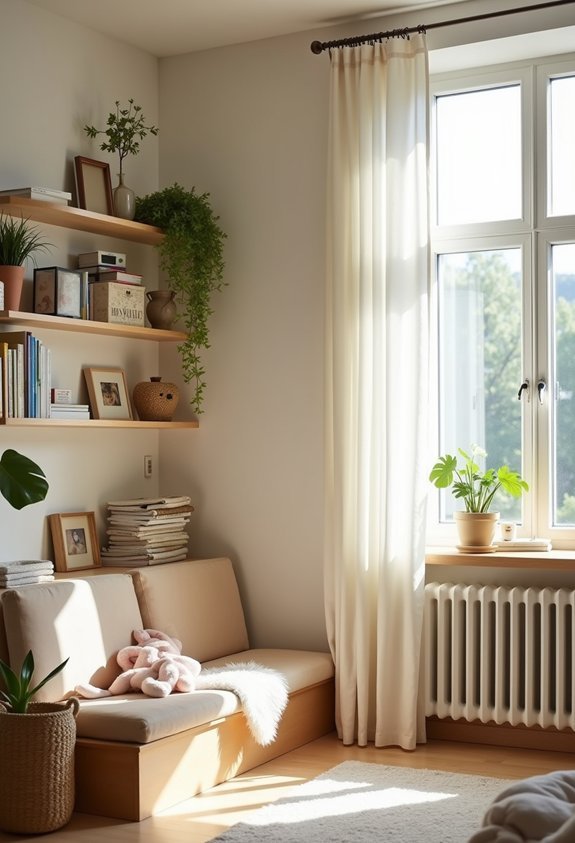
Clearer habits eventually reshape the rooms you live in, and my home now reflects that shift in concrete ways.
When you walk in, surfaces stay open, colors stay calm, and each item signals a job or a joy. You see minimalist design, but not emptiness: just enough books, dishes, and tools to support your real routines.
To keep it this way, you follow three rules. First, everything has a designated, reachable home. Second, you practice daily maintenance: five-minute resets after meals and a quick evening sweep. Third, you schedule small weekly reviews to remove what’s crept back in before it overwhelms you.
When clutter does appear, you treat it as information, not failure, and adjust systems so your space keeps matching your mind better.
Conclusion
Now it’s your turn to give your home a gentle tune‑up. Start with one drawer, one shelf, one quiet corner. Notice what secretly weighs on you, thank it for its service, and let it take a graceful exit. Assign every keeper a clear home, protect a few calm, open surfaces, and build tiny reset rituals into your days. As your rooms breathe easier, your mind will, too—and you’ll move through life lighter, on purpose, daily.