15 Free Things That Will Make Your Life Genuinely Richer
You chase bigger goals, yet it’s often the smallest, free moments that quietly change your life. When you pause long enough to notice them, you start to see how gratitude, connection, and simple daily choices can shift how you feel about everything you already have. You don’t need more money, time, or status—just a willingness to experiment with a few powerful habits. The surprising part is how quickly some of them can start working on you.
Practicing Daily Gratitude

Even on hectic days when nothing seems to go your way, a simple daily gratitude practice can quietly shift how you experience your entire life.
You start by noticing one specific moment, comfort, or lesson you usually rush past. Capture it through gratitude journaling: three brief lines about what you’re thankful for and why it matters today.
This trains your mind to scan for what’s working instead of what’s missing. Add daily affirmations that reinforce this mindset: “I have enough,” “I’m learning,” “I’m supported.”
Repeat them while you brush your teeth or commute. Over time, you’ll respond to stress with more perspective, feel less deprived, and recognize how rich your life already is, without spending anything.
This quiet habit becomes your daily reset button.
Building Meaningful Connections
When you look back on your happiest memories, they almost always involve other people—proof that meaningful connections are one of life’s richest free gifts.
You build them through small, consistent acts: showing up, checking in, following through. Practice emotional intelligence by noticing others’ moods and asking thoughtful questions.
Use active listening: put away your phone, reflect what you hear, and resist fixing everything. Seek shared experiences through community engagement, volunteering, or interest groups.
Prioritize trust development with honesty and kept promises. Try vulnerability practice: admit mistakes, share fears, celebrate others’ wins.
Strengthen conflict resolution skills by staying curious instead of defensive. Use networking strategies that focus on giving value first.
Over time, mutual support turns acquaintances into real friends you can truly lean on.
Spending Time in Nature

Step outside and you’ll remember how rich life can feel without spending a cent. Start with a slow walk, a kind of forest bathing, where you notice light, wind, and scent.
Explore nearby hiking trails, riversides, or botanical gardens; you’re not ticking off miles, you’re letting your nervous system exhale.
Try outdoor meditation: sit, feel your breath, listen for birds. Bring a notebook for nature journaling or a phone for simple nature photography, focusing on textures, clouds, and seasonal changes.
Practice wildlife observation respectfully—stay distant, leave no trace, and choose eco friendly practices like packing out trash and skipping plastic bottles.
On clear evenings, enjoy stargazing nights, letting the sky reset your sense of perspective.
Return home calmer, grounded, and quietly proud of yourself.
Nurturing Your Inner Creativity
Although it can seem mysterious or reserved for “artistic” people, creativity is really just your brain’s way of playing—and you can feed it for free every day.
You practice creative expression when you doodle in the margins, hum a tune, or rearrange your room. Artistic exploration might mean trying visual storytelling with your phone camera, or rewriting a familiar story from another perspective.
Give yourself moments of imaginative play and playful experimentation: ask “what if?” and follow the thread. Let innovative thinking and resourceful problem solving turn ordinary constraints into interesting puzzles.
Turn everyday constraints into curious “what if?” experiments—and follow each thread wherever your imagination leads.
Notice color, texture, and pattern to deepen aesthetic appreciation. Seek inspired collaboration by sharing rough ideas with friends, inviting their twists, and building something through spontaneous creation that feels meaningful and fun.
Moving Your Body With Intention

Move with purpose and your day immediately feels different. You stop rushing and start practicing mindful movement, even in small ways.
When you lift a grocery bag, climb stairs, or stand in line, you can treat it as intentional exercise, noticing body awareness and posture. Let simple actions become movement meditation: feel your breath connection, your feet landing, your shoulders dropping.
Try conscious stretching after waking, then some purposeful walking, letting your pace find a natural rhythmic flow. In your kitchen, turn chores into energetic dancing, loosening tension, inviting play.
Throughout the day, check alignment awareness—jaw, neck, spine, hips—and gently adjust. Each deliberate motion tells your nervous system: you’re safe, present, and fully alive.
This quiet discipline steadily enriches your hours, without costing anything.
Learning Something New Every Day
Curiosity quietly turns ordinary days into richer ones when you treat each one as a chance to learn something small but real. You don’t need a grand plan; you just need daily curiosity cultivation.
Let each day widen a little by feeding it one small, genuine moment of curiosity
Ask one question you can’t yet answer. Look up a concept you’ve always nodded along to but never truly understood.
Make it concrete: subscribe to one thoughtful newsletter, read a short article at lunch, or watch a tutorial while you wait for water to boil. Capture a single sentence of what you learned in a notebook or notes app; review it weekly.
This steady knowledge exploration compounds. You start spotting patterns, connecting ideas, and seeing options where you once saw walls—and that makes everyday life feel wider, lighter, and alive.
Simplifying Your Space and Schedule
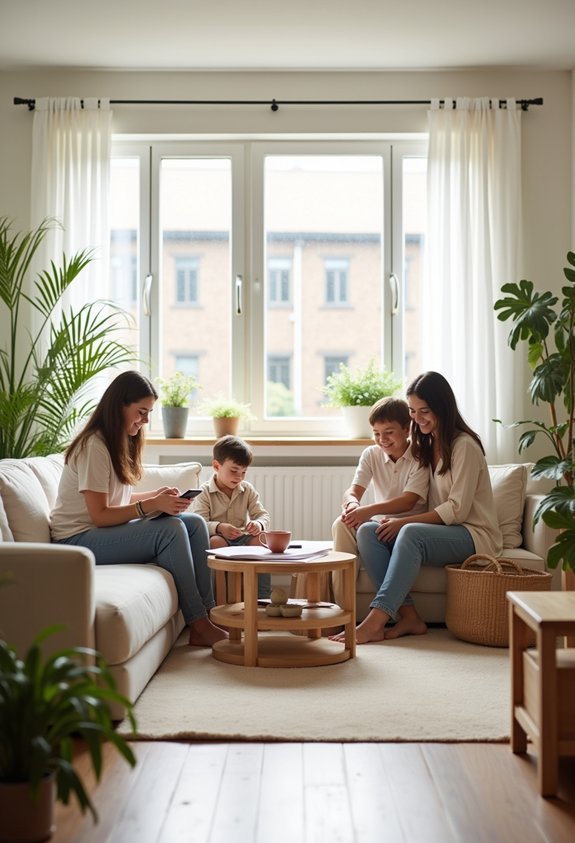
When you strip away what’s excess in your space and schedule, you create room for what actually makes you feel alive.
Start with simple decluttering tips: keep what you use and love, release the rest. Adopt a minimalist mindset, not bare rooms, but clear priorities. Use space organization—designated homes for keys, bags, paperwork—to cut daily friction.
Practice mindful consumption so less clutter enters in the first place. Do digital decluttering too: unsubscribe, delete, archive.
Then simplify routines: batch similar tasks, prep essentials the night before, create checklists. Use time blocking strategies and efficient planning so your calendar reflects intentional living, not constant reacting.
As physical and time clutter shrink, you’ll feel real stress reduction and surprising ease. You reclaim energy, focus, and quiet daily.
Being Fully Present in the Moment
Presence turns ordinary moments into the richest free resource you have. When you’re fully here, life stops racing past you. You notice flavors, colors, voices, and your own thoughts instead of running on autopilot.
Start with mindful breathing: feel air move in and out, count a slow four on each inhale and exhale, and gently return whenever your mind wanders.
Then build sensory awareness into daily routines. While showering, track every sensation—the warmth, the scent, the sound of water.
While walking, feel your feet, your posture, the air on your skin. Put your phone down during conversations and listen until the other person finishes.
You’ll feel calmer, remember more, and experience your actual life instead of just rushing through it. Moment by moment again.
Offering Kindness and Service to Others

As you grow more present in your own life, you’re better able to notice the needs of the people around you—and that’s where a different kind of wealth shows up.
You realize kindness isn’t abstract; it’s practical and surprisingly simple. You hold the door, send a check‑in message, learn your neighbor’s name. You look for local volunteering opportunities that match your skills: tutoring, translating, organizing, cooking.
Service doesn’t have to be grand. It’s compassionate listening when someone unloads their day, or quietly washing dishes after a shared meal.
When you serve, you stop obsessing over your own shortcomings and start seeing your capacity to help. That shift builds confidence, connection, and meaning—the kind of richness money can’t touch. You walk away fuller, not emptier.
Protecting Your Attention and Energy
Even though the world constantly tugs at your attention, you have more control than it seems. Start with simple attention management: decide what matters today, then match your energy prioritization to it.
Use time blocking to protect your best hours for deep work, and create distraction free zones where your phone stays outside. Practice focused mindfulness in short bursts, noticing when your mind wanders and gently returning.
A regular digital detox, even for an evening, resets your brain. Set clear tech boundaries: no notifications during meals, no scrolling in bed.
Take intentional breaks before you’re exhausted, not after. Treat every click, show, and conversation as mindful consumption. With honest boundary setting, your energy stops leaking and starts compounding, day after day, quietly transforming you.
Reflecting Through Journaling

Someone who keeps a simple journal quietly builds one of the richest habits you can own: a daily place to think.
You don’t need perfect notebooks; any scrap of paper that welcomes your thoughts will do. Journaling prompts give you a doorway in when your mind feels blank. Reflective writing slows experience down so you can see what actually happened, not just how it felt.
Over time, you notice patterns, needs, and tiny wins that quietly raise your standards for how you live. On hard days, reread old pages and let your own words remind you that you’ve handled difficulty before.
- Set a three-line minimum.
- Name one feeling clearly.
- Note one thing you learned.
- Pick one small action for tomorrow.
Embracing Silence and Solitude
When you let the noise drop—no music, no podcasts, no notifications—you rediscover what your own mind sounds like. In that pause, you can try mindful meditation, simply watching your breath until thoughts slow down. A short digital detox each day—phone in another room—creates space for quiet reflection and genuine inner peace.
Use nature walks as moving silence: notice colors, wind, footsteps, building sensory awareness. Skip headphones; listen to birds, distant traffic, your own pace. This kind of sound healing isn’t mystical; it’s just giving your nervous system a rest.
You’ll also notice solitude benefits that ripple outward: clearer decisions, calmer reactions, deeper creative solitude.
Over time, that steady practice of choosing silence becomes a powerful engine for personal growth in your everyday ordinary life.
Laughing Often and Letting Yourself Play

Laughter and play aren’t childish extras; they’re basic maintenance for your nervous system, your relationships, and your creativity. When you let yourself have playful moments, you interrupt stress loops, loosen perfectionism, and remember you’re more than your to‑do list. You don’t need an audience or a special occasion; you just need permission.
Play isn’t a reward for finishing life; it’s how you stay alive while living it.
- Watch or listen to something ridiculous for ten minutes as DIY laughter therapy.
- Turn chores into a game: race a timer, add music, keep score.
- Say “yes” to harmless silliness—voices, bad dancing, inside jokes.
- Schedule regular play dates with friends, kids, or your own hobbies.
Notice how your body softens after laughing. That lightness isn’t trivial; it’s a reset you can access anytime, for free.
Cultivating Self-Compassion
The same kindness you offer yourself in moments of play can become a way of treating yourself all the time.
You may also like:





Self‑compassion starts with noticing how you speak to yourself. Build inner critic awareness: when you mess up, listen for harsh lines like “I’m useless” or “I always fail.”
Then, deliberately respond with the tone you’d use with a close friend: honest, kind, specific. Practice brief self acceptance practices each day—placing a hand on your chest, taking three slow breaths, and saying, “This is hard, and I’m learning.”
You’re not excusing mistakes; you’re choosing a helpful stance. Over time, this softer inner dialogue makes risk, growth, and everyday life feel lighter, because you’re not fighting yourself.
You become trustworthy to yourself, even when circumstances wobble.
Honoring Your Personal Values and Boundaries

Even in a world full of noise and expectations, your life feels richer every time you act in line with your own values and protect your boundaries.
Value alignment starts with self awareness practices: noticing what drains you, what energizes you, and where you betray personal integrity to keep the peace.
Boundary setting isn’t selfish; it’s respect for self. With emotional intelligence and assertive communication, you can practice healthy detachment from others’ expectations while still caring.
Prioritizing self care and clear relationship boundaries frees time, energy, and attention for what actually matters to you.
- List your core values and one action.
- Notice where your body tightens; that’s a cue.
- Practice short, kind phrases for saying no.
- Weekly, note where you honored or ignored yourself.
Conclusion
When you treat these practices like daily deposits, your life starts to earn “compound interest.” One woman began with a 2-minute gratitude list and evening walk; a year later, she reported feeling “richer than I’ve ever been, without making a dollar more.” You can do the same. Start small today—one kind message, one mindful breath, one creative spark—and let these free choices quietly, steadily, transform the way you live and what you value.