13 Frugal Habits That Actually Make Life Better
When you treat frugality as a system instead of a sacrifice, you can cut costs and improve your life at the same time. Data shows small habits—like tracking every dollar, cooking simple meals at home, and buying secondhand—free up hundreds per month without feeling deprived. The key is choosing habits that protect your time, health, and relationships. These 13 strategies do exactly that—if you use them right.
Track Every Dollar With a Simple Spending Plan

Although budgeting can sound tedious, tracking every dollar with a simple spending plan gives you control over your money and clear data for better decisions.
Start by listing your after‑tax income, then assign every dollar to specific spending categories: housing, food, transportation, debt, savings, and a small flexible fund. Use a spreadsheet or app for real‑time budget tracking so you can compare planned versus actual spending weekly.
List your after‑tax income, assign every dollar a job, and track weekly to stay on course
When a category runs hot, you immediately see it and adjust instead of guessing. Aim to keep fixed costs under 50% of take‑home pay and raise savings by 1–2% each month.
Review your transactions every few days; you’ll catch fees, duplicate charges, and waste before they snowball. Over time, you’ll feel calmer because money stops surprising you.
Embrace a “Use What You Have First” Mindset
When you adopt a “use what you have first” mindset, you immediately cut unnecessary spending and get more value from every purchase you’ve already made.
Research on behavioral finance shows that simply pausing to check what you own before buying can reduce impulse purchases by 20–30%. You turn resourceful living into a system, not a slogan:
- Audit closets, drawers, and digital subscriptions before any purchase; list what you’ll use over the next 30 days.
- Set a “must use two similar items first” rule for toiletries, stationery, and supplies.
- Practice creative repurposing: turn jars into storage, old towels into cleaning rags, boxes into organizers.
- Track avoided purchases each week; treat the saved total as evidence your new habit works for you.
Cook More at Home and Simplify Your Meals

Because food is often a top budget leak, cooking more at home—and simplifying what you cook—can cut your meal costs by 40–60% compared with frequent takeout or restaurant dining, according to USDA and consumer spending data.
Start with meal prep: choose 5–10 quick recipes you can repeat, then build a shopping list around simple ingredients and seasonal produce. Use flavorful spices and basic cooking techniques—roasting, stir‑frying, one‑pot meals—to keep food interesting without adding cost.
Start with 5–10 repeatable meals, then shop simple, seasonal ingredients and rely on easy, flavorful cooking techniques
Batch cooking on weekends lets you portion lunches and freeze dinners, slashing impulse spending. Improve kitchen organization so staples are visible and used before they expire.
Invite family involvement: assign chopping, timing, and cleanup. Practice mindful eating so smaller, cheaper portions still feel satisfying while supporting your health and energy.
Build a Relaxing, Low-Cost Routine at Home
Cooking more at home doesn’t just save money on food; it also creates a foundation for a calmer, more satisfying daily routine. You can design a frugal rhythm that lowers stress, improves sleep, and reduces impulse spending.
Research suggests structured routines cut decision fatigue and support better mental health. Try:
1) Start mindful mornings with a consistent wake time, 5–10 minutes of stretching, and cheap, home-brewed coffee.
2) Batch simple chores into 20-minute blocks so your space stays tidy without feeling like you’re always cleaning.
3) Plan screen-light, cozy evenings that include reading, low-key hobbies, or phone-free conversations.
4) Set a consistent wind-down window: dim lights, prep tomorrow’s clothes, note priorities, and aim for 7–9 hours of sleep.
Track weekly mood and spending changes.
Buy Secondhand Before You Buy New

Instead of defaulting to brand-new, you can treat “secondhand first” as a rule that protects both your wallet and your time.
Start by listing big-ticket items you’ll likely need this year—furniture, tools, kids’ clothes—and check local marketplaces, thrift store finds, and buy-nothing groups before retail.
According to EPA estimates, reusing goods can reduce waste and embodied energy by 20–60%, making this a form of eco friendly shopping that’s measurable, not just trendy.
Reusing everyday items cuts waste and hidden emissions by up to 60%—practical sustainability, not marketing hype
Set price caps: for non-hygiene items, aim to pay 30–50% of new cost.
Examine photos carefully, ask specific questions, and walk away if condition or dimensions aren’t clear.
Track what you save each month; seeing the numbers makes the habit stick.
Over a year, that’s real money you can redirect toward goals.
Automate Your Savings and Bill Payments
As you free up cash by buying secondhand, you’ll get far more mileage from those savings if you remove willpower from the equation and automate them.
Set up automatic transfers the day after each paycheck so money hits savings before you see it. Research shows people save more when they never manually move funds.
- Route a fixed percentage to high-yield savings, another to retirement.
- Use budgeting apps to flag irregular bills and schedule autopay before due dates.
- Automate minimum payments on every debt, then add extra to the highest-interest balance.
- Create separate subaccounts for goals—emergency fund, travel, insurance—then assign automatic transfers to each.
Once systems run, you spend less time stressing and more time enjoying your wealth growing steadily automatically.
Learn Basic DIY Skills to Avoid Service Costs

While professional help feels convenient, learning a handful of basic DIY skills can save you hundreds to thousands of dollars a year in service fees and “labor” markups.
Start with home repair domains that statistically cost most: plumbing fixes, electrical skills, and appliance maintenance. With basic tools and a few vetted tutorials, you can safely unclog drains, replace faucet cartridges, swap outlets, or clean refrigerator coils.
Next, learn furniture assembly and painting techniques; these often add 10–30% to purchase or contractor quotes. Gardening basics and seasonal upkeep—like clearing gutters, mulching, and sealing gaps—extend the life of your property and prevent expensive damage.
Finally, practice minor renovations: installing shelves, updating hardware, or laying peel‑and‑stick flooring to refresh spaces cheaply without sacrificing safety or quality.
Practice a 24-Hour Rule for Non-Essential Purchases
Before you buy anything non-essential, pause for 24 hours to break impulse spending and give your rational brain time to catch up with your emotions. This simple delay boosts impulse control and strengthens financial mindfulness.
Use the rule like a mini experiment:
- Add the item to a “24-hour list” instead of your cart, and note price, purpose, and how often you’ll use it.
- Compare the cost to your hourly wage; if it equals several hours of work, decide if it’s still worth it.
- Check reviews and alternatives; many “must-haves” lose appeal when you see data on quality and durability.
- After 24 hours, buy only if it still fits your budget, priorities, and long-term goals.
Track savings monthly to prove the rule’s real impact.
Declutter Regularly and Sell What You Don’t Need

Strong impulse control doesn’t help much if your space stays packed with stuff you rarely use. Research links visual clutter to higher cortisol and lower focus, so regular clean-outs deliver real decluttering benefits: less stress, faster cleaning, and clearer thinking.
Schedule a quarterly 60-minute sweep per room; use three bins—keep, donate, sell.
To monetize, apply simple selling strategies. Check completed listings on eBay or Facebook Marketplace to price items at the lower end of market value for faster turnover.
Batch similar items into “lot” sales to save time. Photograph in natural light, write concise titles with brand, size, and condition, and set firm pickup windows.
Channel proceeds into debt payments or specific savings goals. Track earnings in a spreadsheet; watch progress and stay motivated.
Swap Expensive Entertainment for Free or Low-Cost Fun
Although pricey nights out feel harmless in the moment, entertainment is one of the fastest ways to quietly drain your budget without improving your long-term happiness.
Small entertainment splurges add up fast, eroding savings without meaningfully boosting long-term happiness.
Track one month of spending; many people find 10–20% goes to restaurants, bars, and tickets. Replacing even half with low-cost options can free hundreds per year.
- Explore free local events and outdoor movie screenings. Set a monthly challenge to attend three.
- Host community game nights or DIY craft nights instead of bar tabs.
- Plan hiking adventures, park picnics, and potluck dinners as your social default.
- Use library programs for films, lectures, and clubs before paying for subscriptions.
You’ll still stay social and entertained while redirecting serious money toward goals that matter most to you.
Invest in Quality for Items You Use Every Day
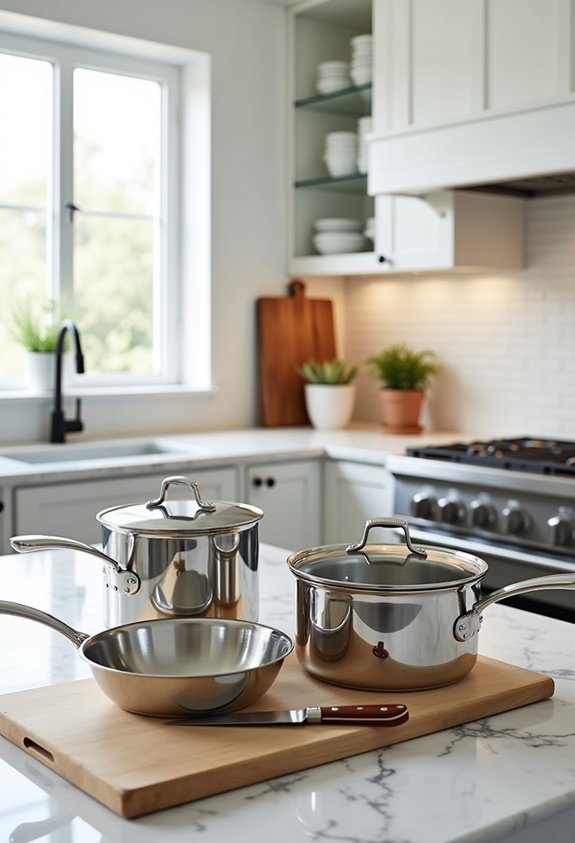
A frugal mindset doesn’t mean always choosing the cheapest option; it means paying for value where it counts.
Start by listing your daily essentials—shoes, bed, phone, cookware, work tools. For each, compare a cheap option’s average lifespan with a higher-quality version. If a $40 pair of shoes lasts six months and a $120 pair lasts three years, the annual cost drops from $80 to $40 when you choose quality over quantity.
Do the same math for knives, headphones, backpacks, and clothing you wear weekly. Read reliability data, warranties, and repair policies; prioritize items you can maintain, not replace.
You may also like:





Set sinking funds for upgrades so you’re ready when something wears out, and buy the best you can comfortably afford without creating debt or cash stress.
Prioritize Preventive Care for Health and Home
Once you’re investing in quality for what you use daily, the next high‑ROI move is protecting your two biggest “assets”: your body and your home.
Preventive steps look boring, but they quietly save thousands in avoided crises.
Preventive habits feel dull now, but they quietly erase future emergencies from your life and budget.
- Schedule annual checkups and age‑appropriate preventive screenings. Catching hypertension, prediabetes, or cancers early costs far less than treating advanced disease.
- Build a simple home maintenance calendar: gutters, filters, smoke detectors, roof checks. A $20 filter swap can prevent a $2,000 HVAC failure.
- Fix small issues immediately—leaks, cracks, weird noises. Delay multiplies both damage and repair bills.
- Track these habits in a spreadsheet or app. You’ll see patterns, budget accurately, and treat prevention as a measurable investment that steadily lowers risk and future costs.
Surround Yourself With People Who Support Your Goals

Because money habits are contagious, the people you spend time with quietly shape your financial decisions, stress levels, and even your savings rate.
Research on social norms shows you’re more likely to hit savings targets when you build goal accountability into your routine. Curate support networks that practice frugality: friends who split costs, swap skills, and question impulse buys.
Look for positive influence grounded in shared values, not shared FOMO. Use community engagement to form encouragement circles—monthly check-ins, debt‑free meetups, or investment clubs.
Design collaborative projects like no‑spend challenges, bulk‑buy co‑ops, or repair days. Track progress together and celebrate small wins.
These motivation boosts reduce decision fatigue and keep your daily choices aligned with long-term goals, even when friends, ads, and stress push overspending.
Conclusion
Frugality isn’t about restriction; it’s about control. When you track every dollar, research shows you can cut impulse spending by 20–30%, yet feel more satisfied, not deprived. Each cheap thrill you skip funds a goal that actually matters. By cooking simply, buying secondhand, and protecting your health and home, you trade clutter for clarity, stress for stability, and mindless spending for a life you’re intentionally building every single day. Start small today and measure results.