How I Cut My Grocery Bill in Half Without Couponing or Meal Kits
The average household wastes roughly 30% of the food it buys, so you may be throwing away a third of your grocery budget without noticing. When you track what you actually eat, plan around your real schedule, and change how you move through the store, you can cut costs dramatically—without couponing or meal kits. The surprising part is where the biggest savings show up first.
Rethinking My Grocery Routine From the Ground Up

Before you can slash your grocery bill, you need to tear apart your current routine and rebuild it with intention: track what you actually eat for two weeks, pull your bank and card statements to see where every food dollar goes, and list your most common impulse buys and waste spots (like produce you throw out or snacks you overstock).
Now categorize each item as need, convenience, or impulse, and total the spend per bucket. You’ll see patterns in your grocery habits: high-cost snacks, single-use ingredients, duplicate pantry items.
Rank categories by cost and emotional pull so you can attack the most expensive, least valuable first. Then set hard spending caps and simple rules that match a budget mindset you can actually sustain daily.
Planning Around Real Life Instead of Ideal Meals
Even the sharpest budget fails if it’s built around “perfect week” fantasy meals instead of the way you actually live, work, and get tired.
Your grocery budget breaks when it ignores your real schedule, energy, and weeknight chaos
Start with realistic meal planning: look at your calendar, then match meal effort to your busiest days. Studies show 60–70% of people abandon planned recipes when time or energy collapses; that waste shows up as spoiled produce and takeout.
Design a plan that expects chaos:
- Assign one “fallback” 10-minute meal to every hectic night.
- Repeat 2–3 dinners each week to shrink your ingredient list.
- Use flexible ingredient swaps so chicken, beans, or eggs work in multiple recipes.
- Plan at least one leftovers night to clear the fridge.
- Keep one “no-cook” meal for exhaustion days.
Track results and adjust every week.
Shopping Strategies That Quietly Slash Your Total at Checkout

Three quiet shifts in how you move through the store can cut 20–30% off your bill without clipping a single coupon: change the order you shop, change what you look at, and change what you ignore.
Start at produce and staples, not snacks; shoppers who hit end caps first spend about 18% more.
Walk the perimeter, then only enter aisles with items already on your list.
Practice seasonal shopping: strawberries in June, squash in October. Prices can drop 30–60% versus off‑season.
Use unit prices, not shelf tags, to compare sizes. Commit to bulk buying only for ingredients you’ll finish before they expire.
Skip “10 for $10” deals unless you needed that item anyway; quantity limits are psychological, not real. Stores know this and profit.
You may also like:





Smart Swaps That Keep the Flavor but Cut the Cost
Once you’ve fixed how you move through the store, the next win comes from what actually goes in your cart.
Think in price-per-serving, not package price, and swap high-cost habits for budget friendly ingredients that still hit your flavor standards.
- Trade boneless skinless chicken breasts for whole chickens; you’ll cut protein costs by 25–40% and gain stock from the carcass.
- Shift one beef meal a week to dried lentils; they’re about 70% cheaper per cooked cup.
- Replace single-serve yogurt cups with large tubs and portion yourself; you often save 30–50%.
- Buy block cheese instead of shredded and grate; it’s typically 20% less.
- Use frozen vegetables as flavor packed alternatives to out-of-season fresh; waste and price both drop for you.
Simple Systems I Use to Stay on Track Week After Week
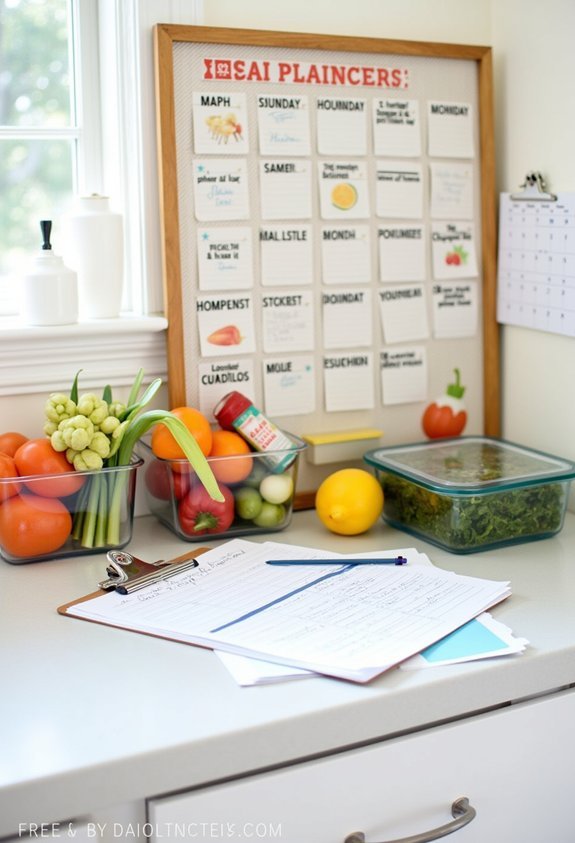
While big one-time changes slash your bill fast, stable savings come from small systems you repeat without thinking.
Start with a weekly receipt review: log totals by category in a simple spreadsheet or app for precise grocery tracking. You’ll see patterns in under a month.
Next, pre-commit spending: set a hard ceiling per week and subtract items from that number as you build your list. When you hit zero, you’re done.
Every Sunday, compare planned versus actual spend and make micro budget adjustments—cut one snack, add one staple.
Finally, standardize five low-cost meals and rotate them. This cuts decision fatigue, shrinks waste, and keeps your cart aligned with your data, not impulse.
Post it on your fridge as a visible contract with yourself daily.
Conclusion
You might think this only works if you love spreadsheets or cooking, but you don’t. You just need a simple system you’ll actually use. When you track what you buy, plan around your real life, and lean on a few strategic swaps, you can reliably trim 20–50% off your bill. Start with one week: log your food waste, pick three repeat dinners, and shop your list in order. The savings will push you to keep going.