How I Decluttered After a Major Life Change
You look around one day and realize your space no longer matches the person you’ve become, yet every shelf and drawer feels loaded with memories and “what ifs.” Instead of forcing a ruthless purge, you move step by step: observe, sort, question, and release, all while honoring what each item once meant. As you do, your home quietly reshapes itself around your new life—but there’s one shift that makes this process far easier than you’d expect.
Recognizing That My Space No Longer Fit My Life
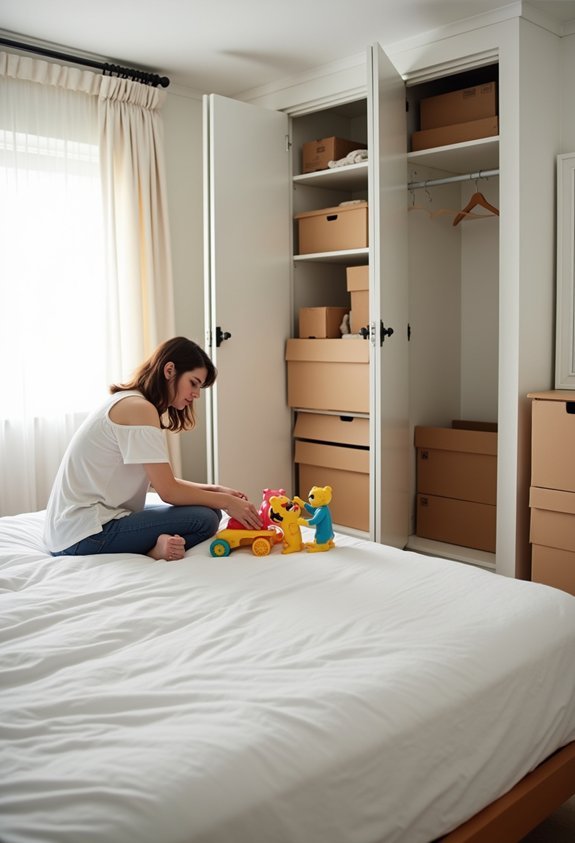
When a major life change hits—divorce, a move, a loss, a new baby—you often notice first that your space suddenly feels wrong, like you’ve outgrown a familiar outfit.
You look around and realize the room still reflects an old schedule, old roles, old priorities. That discomfort isn’t failure; it’s data.
Start by observing, not judging. Walk through each area and ask, “Does this support the life I’m living now, or the one that ended?”
Note every mismatch: crowded entry, unused desk, overstuffed closet. You’re identifying the gap between who you were and who you’re becoming.
This awareness marks the beginning of personal growth and space transformation, turning vague unease into a clear, practical mandate for change.
You can finally see what must go next.
Sorting Through the Emotional Weight of My Belongings
A single object—a mug, a jacket, a stack of papers—can feel heavier than any moving box because it carries your memories, your hopes, and sometimes your grief.
When you pick something up, pause. Notice what surfaces in your body: tightness, warmth, dread, relief. Name the feeling out loud; it helps you separate the item from the emotion.
Next, ask what kind of emotional attachment you’re feeling. Is it love, guilt, obligation, fear of forgetting? Acknowledge that sentimental value is real, yet different from responsibility. You’re not betraying anyone by being honest.
Finally, let yourself grieve what’s changed. Cry, journal, or talk with a friend while you sort. You’re not just handling objects; you’re processing a chapter of your life with patience, courage, and respect.
Creating Simple Rules for What Stayed and What Left
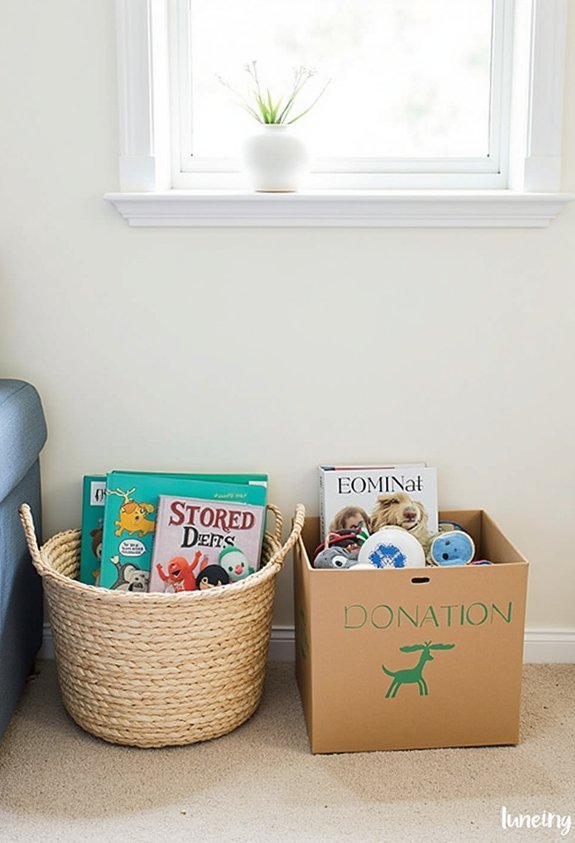
You’ve honored the emotions; now it’s time to give your decisions a structure that supports you instead of draining you.
Start by defining a few essential criteria for what earns a place in your home now. For example: I use it weekly, it fits my space, it’s in good condition, and I’d buy it again today.
Write your rules down so your decision making process doesn’t shift with your mood. Then test them. Pick one drawer, touch each item, and ask only, “Does it meet the criteria?” If it does, keep it; if not, recycle, donate, or trash it.
When you feel stuck, adjust a rule instead of bargaining. Simple rules let you act consistently, conserve energy, and trust every “yes” or “no” more.
Letting Go of Items Tied to My “Old” Identity
Even with clear rules, letting go gets harder once objects feel stitched to who you used to be—a career you left, a relationship that ended, a version of yourself that no longer fits.
Start by naming these items honestly: “This represents who I was when…” Say it out loud. Notice which things trigger grief, pride, or regret; those are nostalgic attachments, not current needs.
Next, ask, “Does this support who I’m becoming?” If the answer’s no, acknowledge the role it played in your identity transformation. You can thank it, photograph it, then release it.
When resistance shows up, pause, breathe, and remind yourself: you’re not discarding your history. You’re choosing space for a more honest rhythm.
Organizing What Remained to Support My New Routine
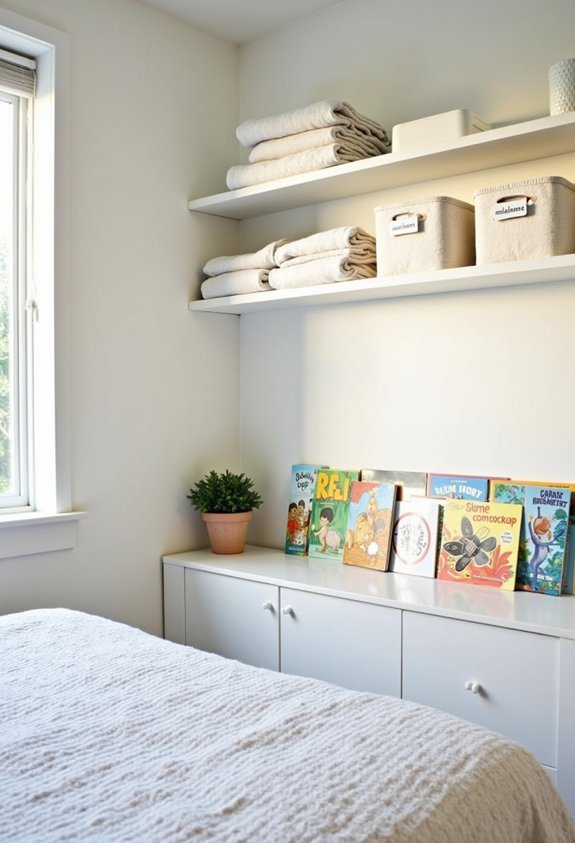
Once the excess is gone, what’s left needs to earn its place by making your new rhythm easier, not heavier.
Start by mapping your days: morning, work, evening, rest. For each block, group the items you actually use. Store them where you move, not where you used to move—routine adjustments begin with geography.
You may also like:

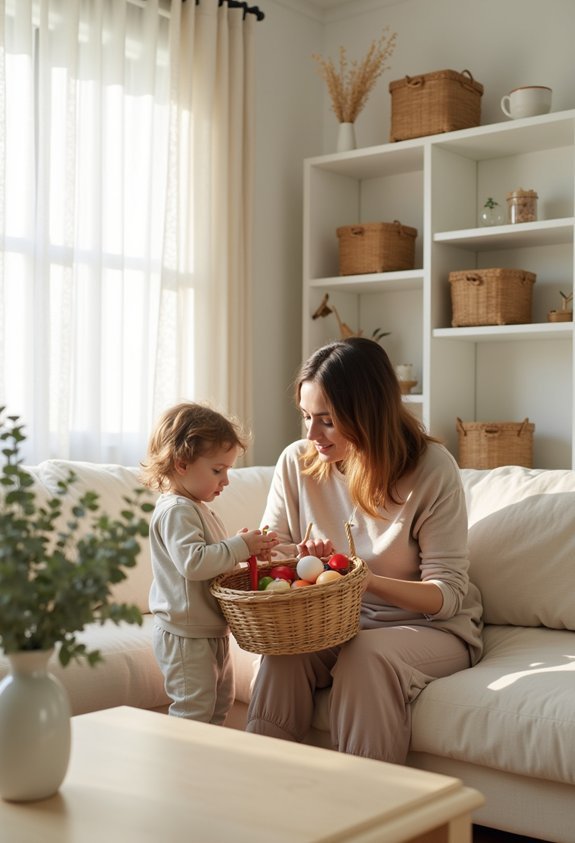
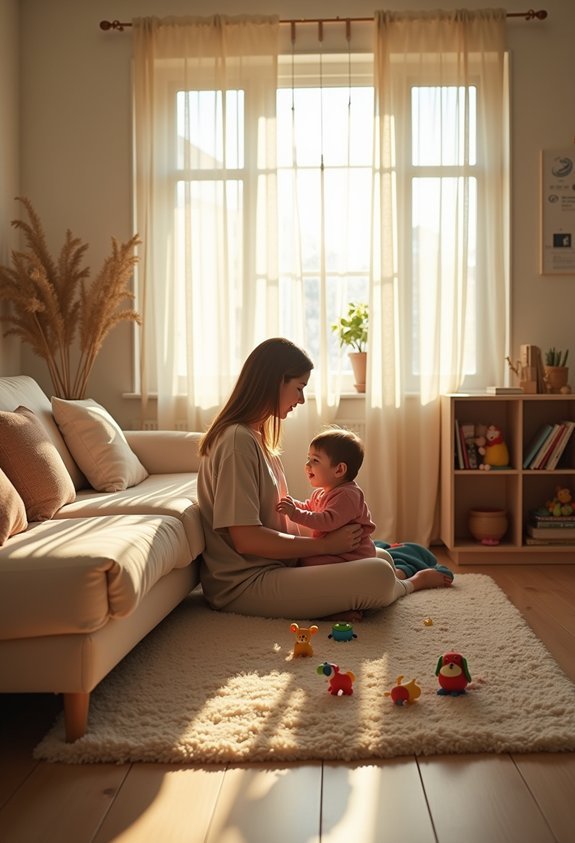
> Arrange tools by real habits, not hopeful ones—your space should mirror how you actually live now.
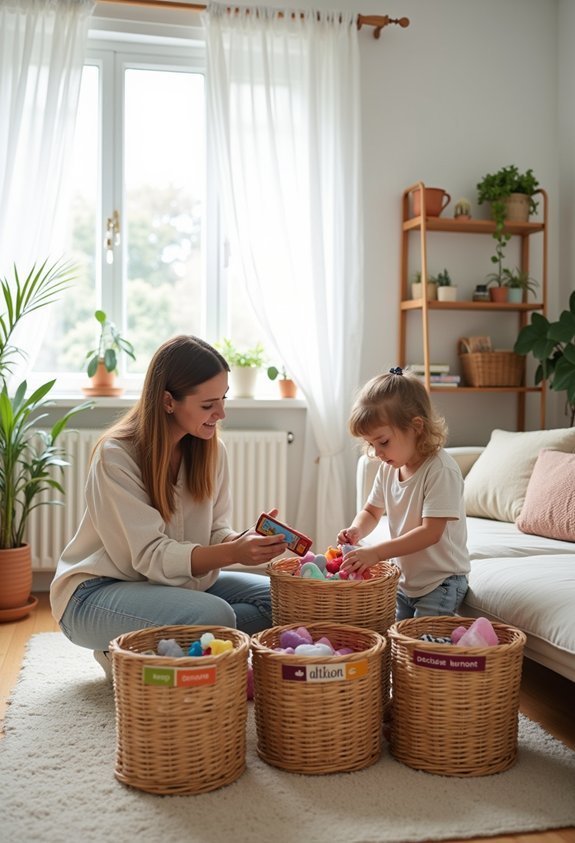
Give every category a defined home: a tray for keys, a bin for workout gear, a shelf for daily paperwork. Label containers so tired future-you doesn’t need to think.
Focus on space optimization, not perfection. Use vertical shelves, drawer dividers, and small baskets to keep things visible and reachable.
If an item doesn’t support a specific activity you do now, relocate or release it. Repeat this audit after major schedule shifts.
Maintaining a Home That Evolves With Me
Although decluttering after a major change can feel like a one-time project, your home actually works best when it’s treated as a living system that shifts as you do.
To maintain that home transformation, schedule regular check-ins—monthly or seasonally. Walk through each room and ask: Does this still support who you’re becoming? If not, adjust. Remove what’s outdated, then intentionally add what reflects your current priorities.
Create small, repeatable habits: five-minute resets at night, a weekly paper sort, a quarterly donation box.
When life changes—jobs, relationships, health—you’ll already have a rhythm for editing your space. Instead of starting over, you’ll tune your surroundings to your ongoing personal growth, letting your home evolve alongside your next chapter.
That steadiness makes future transitions kinder, less overwhelming.
Conclusion
As you finish decluttering, remember you’re not just clearing surfaces; you’re redesigning how you live. You observed, questioned, sorted, and released what no longer fits, then organized what remains to serve your new routines. When your life shifts again—and it will—will you treat your home as a rigid museum or a living system you can update? Keep checking in, adjusting, and choosing with intention, so your space keeps evolving with you through every season of change.