How I Discovered Minimalism by Accident
People say your environment mirrors your mind, but you don’t fully test that theory until you’re on your knees hunting for lost keys in a pile of your own stuff. You rush, you curse, you swear you’ll “get organized someday.” Then one day you clear just one surface, and something shifts so quietly you almost miss it—and that’s where everything starts to change.
The Moment I Realized My Stuff Was Running My Life
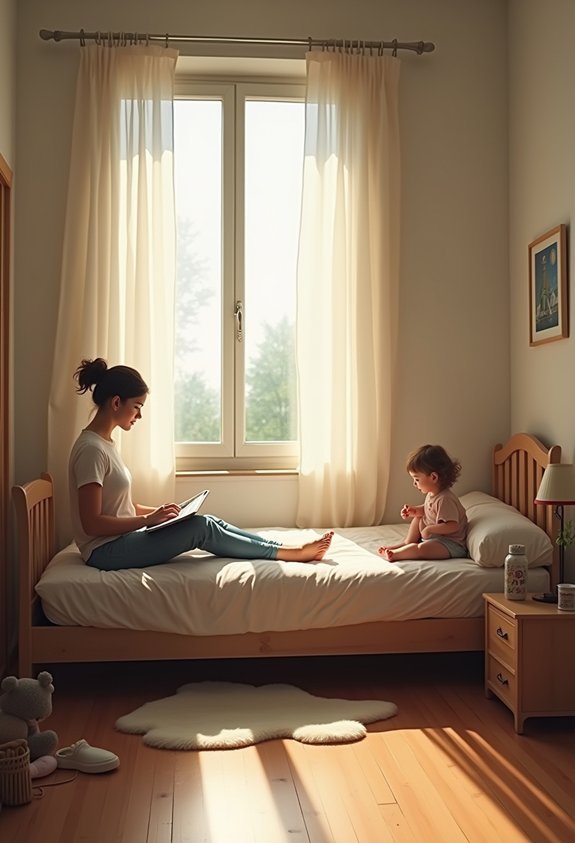
Although I didn’t see it at first, the moment I realized my stuff was running my life came on a random Tuesday night, when I was too exhausted to cook because I couldn’t clear enough counter space to chop an onion.
You’ve lived this, too: shifting piles, washing the same forgotten dishes, feeling oddly loyal to chipped mugs and broken gadgets.
That’s when you notice how stuff ownership steals time and energy. You don’t just own things; they own your evenings, your paychecks, your attention.
Start small: pick one surface and clear it completely. Ask of every item, “Do I use this or just feel obligated to keep it?” Naming the emotional attachment loosens it, and action suddenly feels possible, right there at home.
Small Crises That Opened the Door to Change
Some changes don’t arrive as grand revelations; they sneak in as tiny emergencies that finally push you past your tolerance.
You notice it during unexpected transitions: the night you can’t find your keys in the clutter and miss an important call, or the morning a bursting closet makes you late for work—again.
These small crises don’t feel profound, but they become pivotal moments. You start asking, “Why is everything harder than it should be?”
The tiniest crises reveal a truth: life feels heavier and harder than it needs to be
Instead of blaming your schedule, you experiment with your stuff. You set a ten-minute timer, clear one surface, create one empty shelf.
You pay attention to the relief in your body, the calm in your home. That quiet contrast shows you another way to live, simpler, lighter, suddenly within reach.
Letting Go of What I Thought I Needed
When you finally look closely at what fills your home, you realize a lot of it isn’t about utility—it’s about identity. You see the jacket you never wear but keep because “one day” you’ll become that person.
You notice backup appliances, duplicate gadgets, half-used hobby supplies. Each item carries emotional attachment, wrapped in perceived necessity.
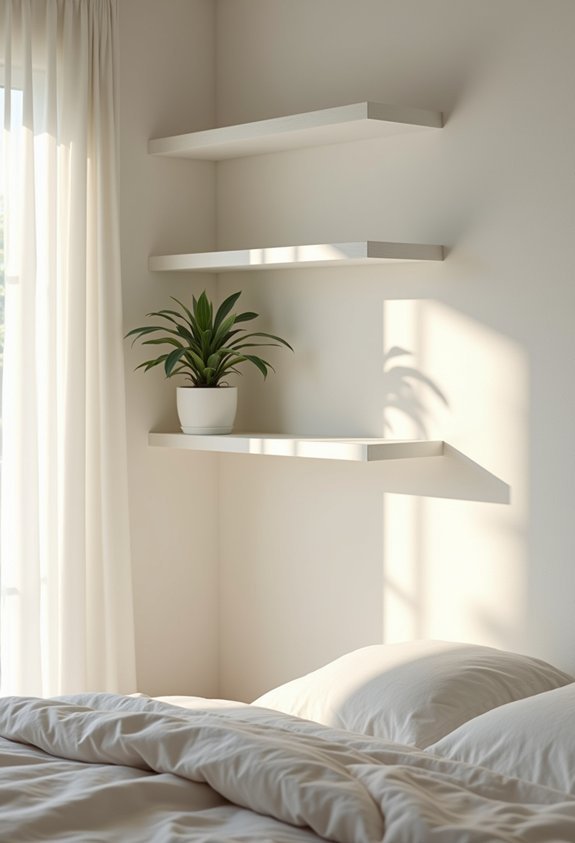
You don’t start with everything. Pick one shelf. Ask, “Do I use this now? Would I notice if it disappeared?” If the answer’s no, let it go or box it for donation.
Take a photo of sentimental things before releasing them. Remind yourself you’re not throwing away memories; you’re clearing visual noise.
As space opens, you realize how little you truly need and feel lighter moving through your days.
Experimenting With Less (Without Calling It Minimalism)
Clearing that first shelf shows you something important: you don’t have to swear allegiance to “minimalism” to try living with less.
You’re just running small experiments. Try boxing up half your mugs, T‑shirts, or books for a month. Don’t toss them yet; simply see what you actually reach for. Notice what feels easy to live without.
That’s intentional living in practice, not a personality change. Keep a donate box in a corner and drop in anything you keep skipping over. Label it with today’s date and revisit it in 30 days. If you haven’t needed those things, let them go.
Your decluttering journey becomes less about rules and more about curiosity: What if you didn’t own quite so much? See what feels genuinely right.
How My Space, Time, and Mind Started to Clear
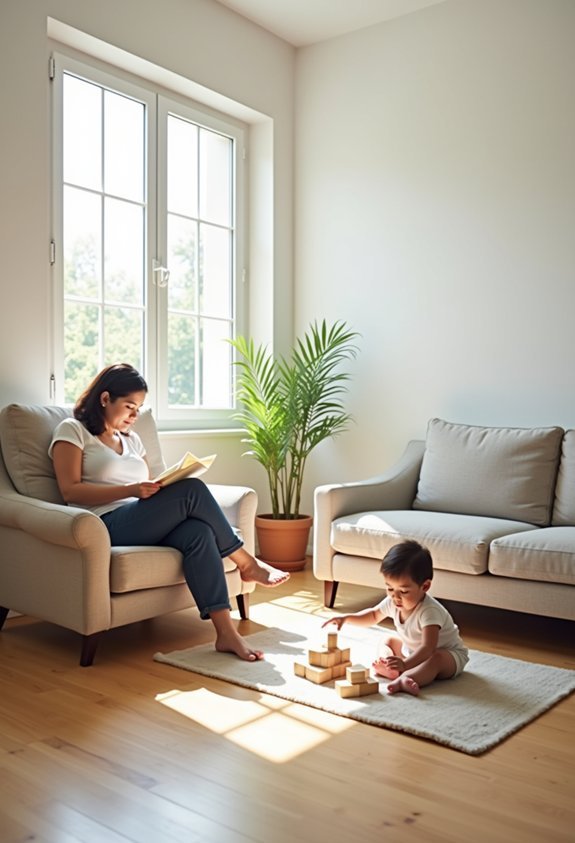
Even before my rooms looked different, I noticed tiny shifts in how I moved through them.
You may also like:
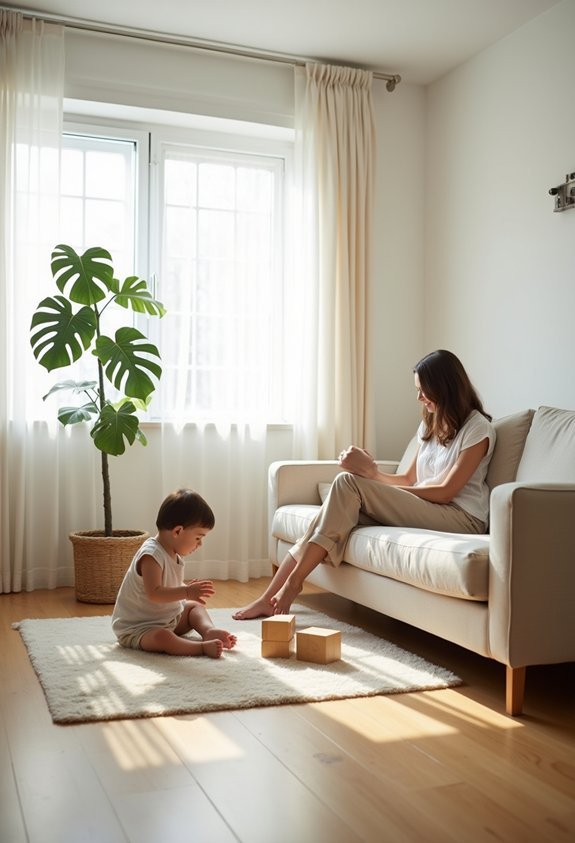

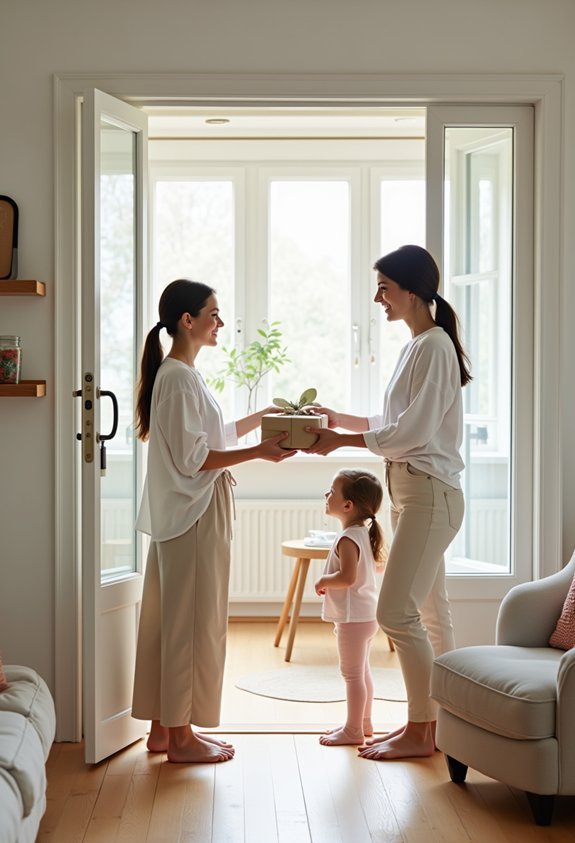
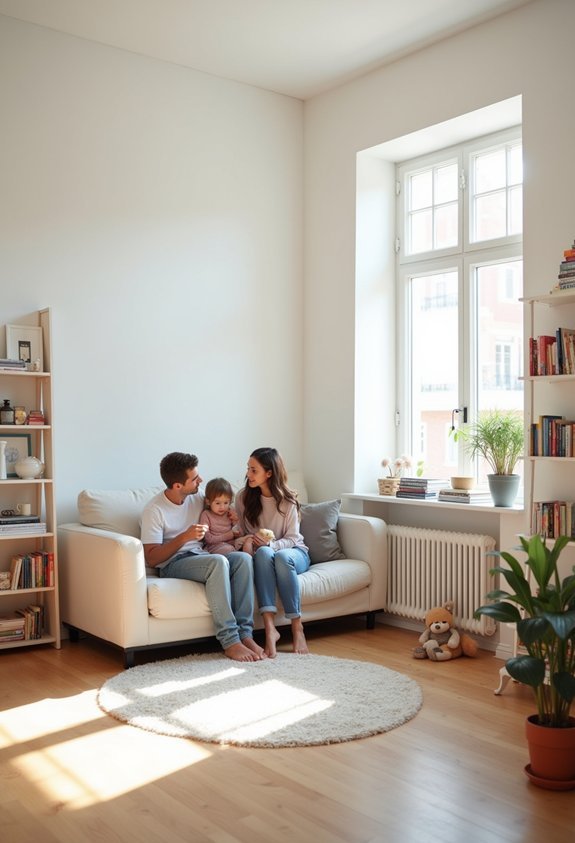
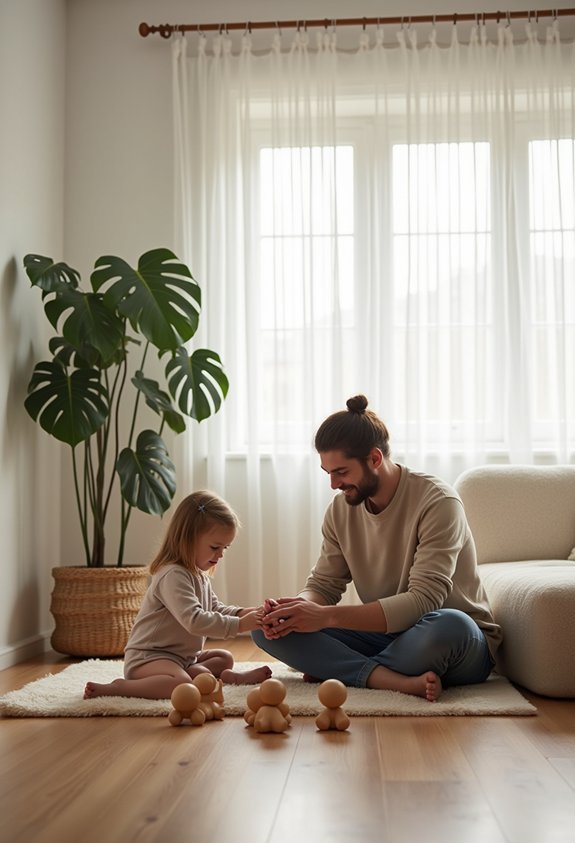
You start by clearing a single surface, and suddenly your keys, wallet, and phone have obvious homes. You waste less time searching and feel a small, surprising calm.
As your physical space opens up, your schedule follows. You question the extra commitments, the default yes, the automatic scrolling. You protect small pockets of unscheduled time, like you’d protect money.
Mental clarity doesn’t arrive as fireworks; it shows up as fewer decisions, shorter to-do lists, and more focused attention.
To keep it going, you create simple rules: one in, one out; five-minute nightly reset; question every purchase, every invitation, every notification.
Slowly, your days feel lighter, quieter, more intentional.
What Living With Less Really Looks Like for Me Now
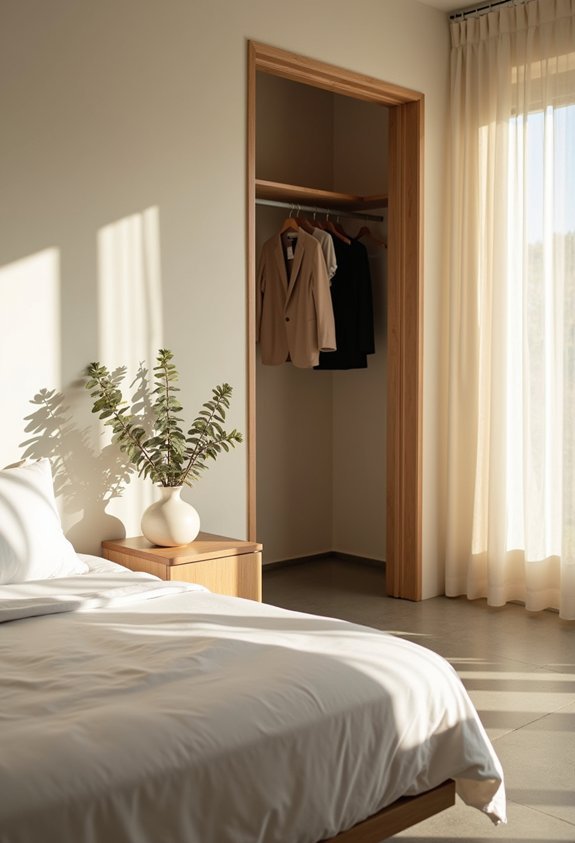
Although my home looks simpler now, living with less isn’t about white walls and a single chair; it’s about how each thing I keep actually earns its place. You feel that when you open a drawer and everything inside is something you use, love, or truly need.
Your simplified lifestyle doesn’t look like perfection; it looks like fewer decisions and more breathing room.
Here’s how it plays out day to day:
- You buy slower. Mindful consumption means you pause, price-check against your values, and often walk away.
- You store less. One versatile pan replaces three specialty gadgets you never reached for.
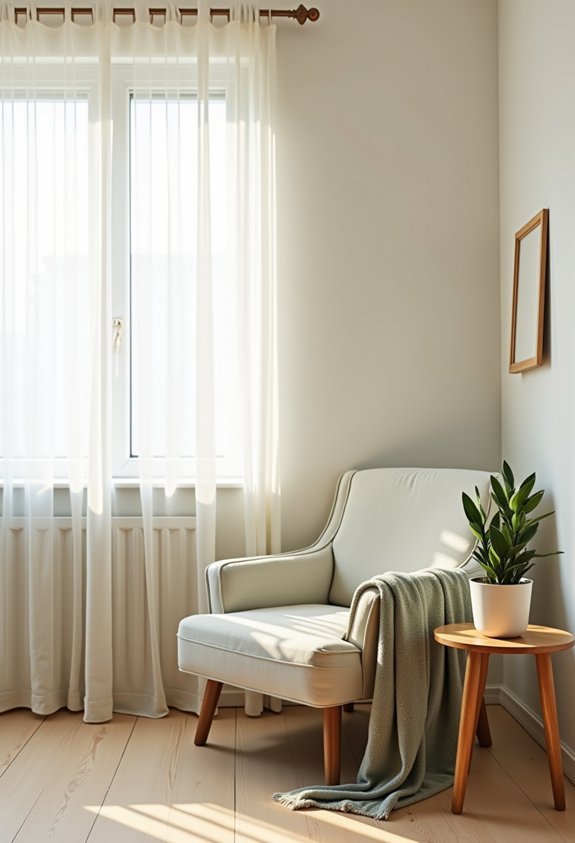
- You decorate lighter. Clear surfaces stay ready for projects, conversations, and the occasional mess. You finally feel at home here.
Conclusion
You don’t need a dramatic overhaul; you just start with one small “doorway” like I did—the cluttered table, the overstuffed drawer, the inbox that never empties. Clear that single square of space and treat it like a lit candle in a dark room. Guard it. Notice how you breathe easier. Then create another candle, and another. Before long, you’re not chasing your life anymore; you’re finally walking through it with open hands, dragging baggage behind.