How I Found My Style Through Minimalism
You actually find your style when you stop stuffing your closet and start noticing what you *really* wear. Start small—pull out your “tired day” favorites (the jeans, soft tee, go‑to sneakers), and build around those. Let the “someday” pieces go, the heels that hurt, the sale tops with tags still on, and you’ll see patterns—colors, fits, fabrics you love. That’s your style, and from here, it only gets clearer and easier.
What you will leave with
- I decluttered my closet using simple rules (like “not worn in 12 months”) so only pieces that serve my current life remained.
- I studied what I reach for on tired days to reveal my true style—comfort, colors, and fits I naturally love.
- I built outfits around my most‑worn favorites, then filled small gaps with fewer, higher‑quality items that matched them.
- I changed my shopping habits with guidelines (24‑hour rule, no “just because it’s on sale”) to avoid style‑diluting impulse buys.
- I maintained a minimalist wardrobe through regular mini‑purges and one‑in‑one‑out, keeping my style focused, calm, and consistent.
Discovering the Power of Owning Less
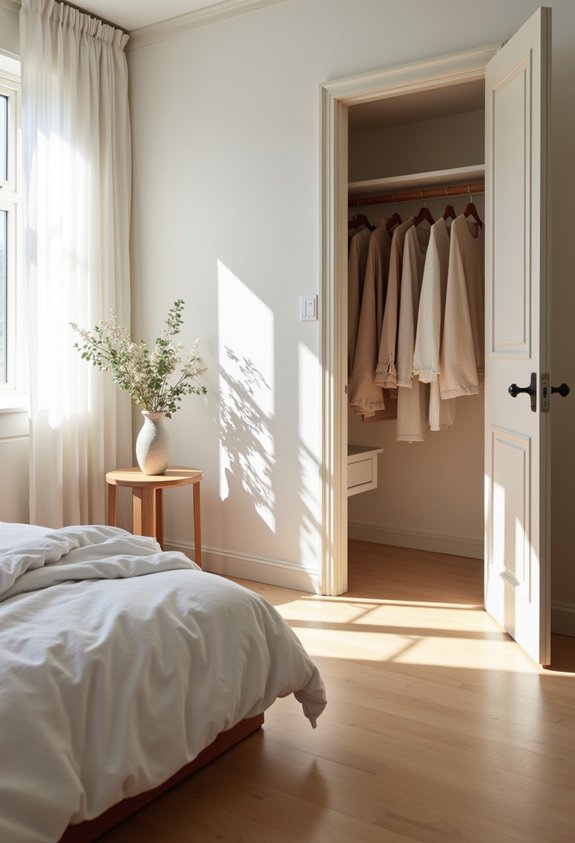
Even though it sounds a little dramatic, owning less can honestly feel like taking a heavy backpack off your brain.
When you clear the extra stuff around you, your stress drops, your shoulders relax, and your emotional well being finally gets some breathing room.
You’re not staring at piles of random things, feeling guilty or overwhelmed—you’re creating space for personal growth instead.
With fewer distractions, you think more clearly, make decisions faster, and stop wasting energy on tiny choices (like that “what do I even wear” spiral before breakfast).
You also notice you have more patience, more time, and more energy for people you love, not just objects.
Less cleaning, less hunting for lost stuff—more calm, more focus, more you.
As you let go of what no longer serves you, that low-grade clutter anxiety eases up, and your home starts to feel like a support system instead of a storage unit.
Letting Go of the Closet I Thought I Needed
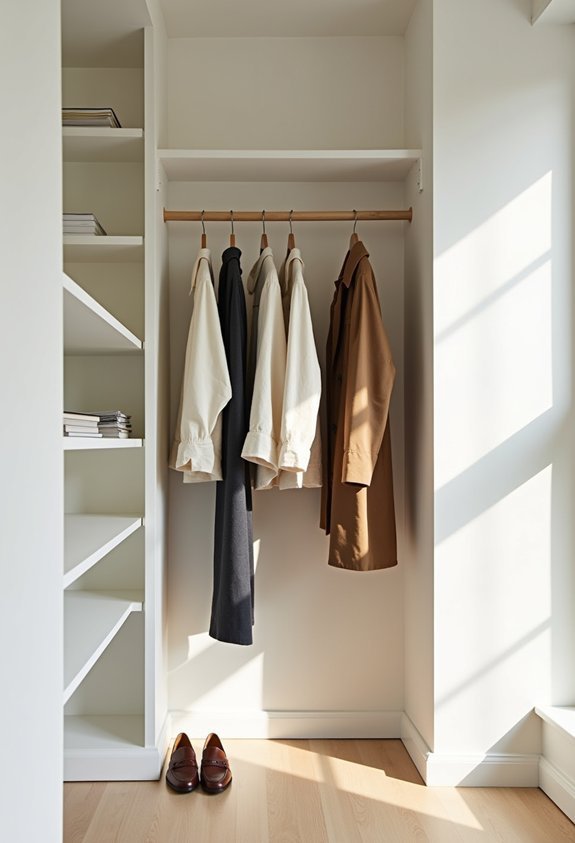
You feel that mental backpack get lighter when you own less—but then you open your closet, and boom, it’s like a department store exploded in there.
You’re not lazy or “bad at adulting”—there’s just emotional attachment in every corner: the jeans from “skinnier me,” the blazer for “promotion me,” the dress for “someday fancy me.”
Your closet isn’t cluttered by clothes—it’s crowded with past and future versions of you
So you freeze, cortisol climbs, and you end up wearing the same three outfits anyway, while 80% of your clothes just… watch.
Try simple decision frameworks instead—“not worn in 12 months,” “doesn’t fit my real life,” “itchy = instant no.”
Make piles: donate, recycle, trash, then count bags out, not guilt.
As the hangers thin, your stress drops—and your real style finally has room to breathe. By clearing space and letting go of “someday” clothes, you’re creating open space that makes it easier for your current life and style to take the lead.
Building a Wardrobe Around What I Actually Wear
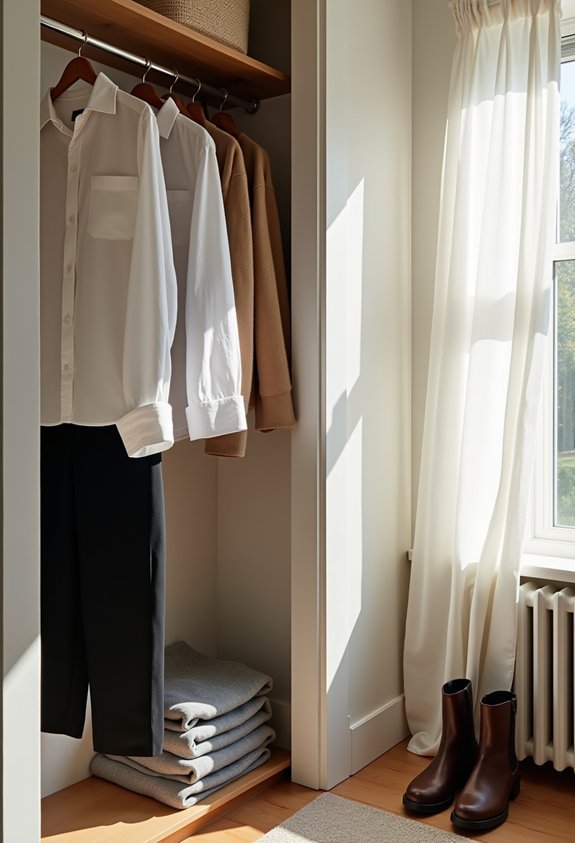
Step one in building a wardrobe that actually works: pay attention to what your body reaches for on a tired Tuesday.
Those “ugh, whatever” days tell the truth, so start your wardrobe evaluation there—jeans, soft tee, that one hoodie.
Sort everything into three piles: wear all the time, sometimes, and… never.
When something lives in the “never” pile, ask why—does it itch, feel too tight, or just scream “not me” no matter how trendy it is?
Notice emotional attachment too—maybe you keep a dress for memories, not for wearing, and that’s okay, just name it.
Then, build around your most-worn pieces, the ones that feel like you on your best and worst days, and let the rest go.
As you narrow things down, you’ll likely find that a simpler wardrobe naturally mirrors your true priorities, making it easier to choose outfits that fit the life you actually want to live.
Creating Versatile Outfits With Fewer Pieces
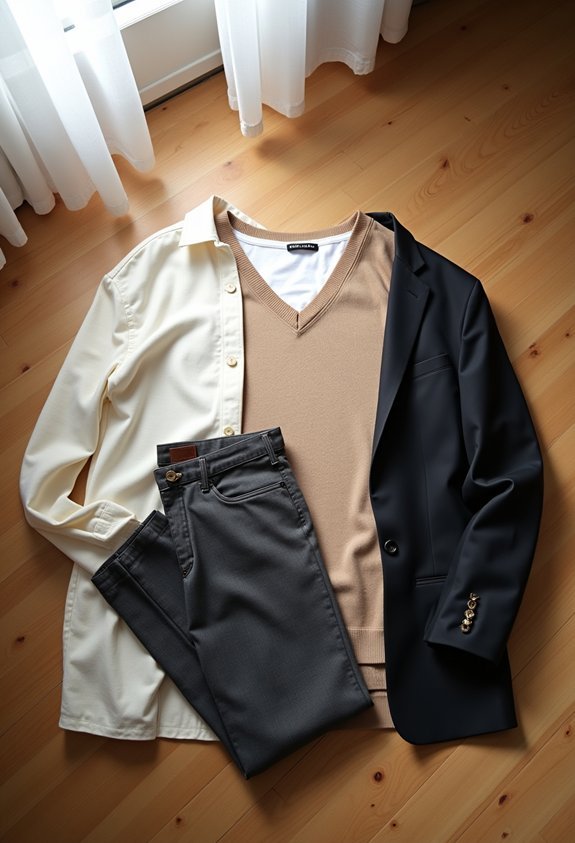
On those mornings when your brain feels like a blank loading screen, having fewer pieces can actually make outfits easier, not harder. You start with simple formulas—casual top + pants + sneakers—and repeat, just swapping parts, like navy lightweight pants with a white silk tank one day, then straight‑leg jeans and a crisp shirt the next. As you repeat these formulas, you’re quietly defining your own sense of enough in a world that keeps nudging you toward more.
Soon you’re seeing outfit combinations everywhere—same‑color top and bottom, black leggings with a long cardigan, a fitted tee and tie‑waist pants that go from sneakers to blazer in seconds—so each item works hard, not just once.
Layering techniques keep things fresh, too: jean jacket over a black maxi dress, boxy blazer with slim bottoms, a white button‑down open over a tank—minimal pieces, maximum options.
How Minimalism Changed My Shopping Habits
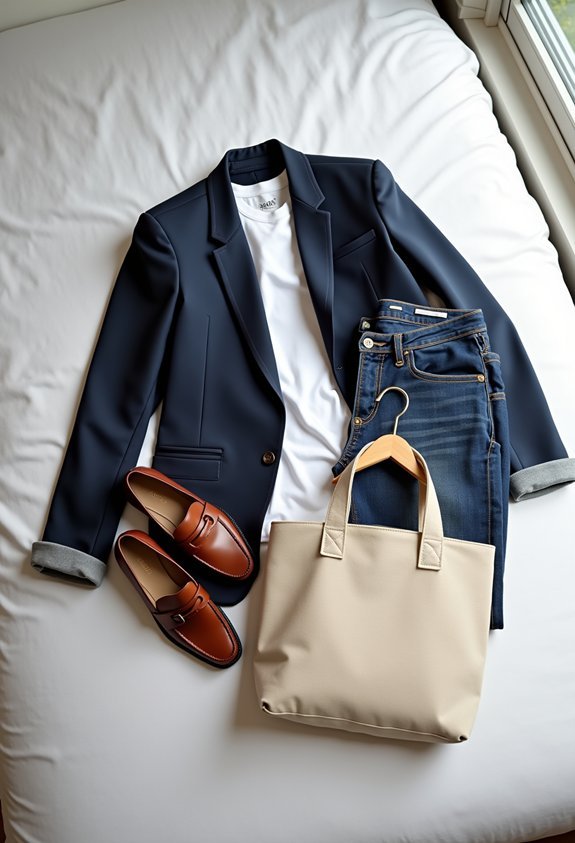
Even before I called it “minimalism,” I knew my shopping habits were… a bit out of control.
You might know the drill too—“I’ll just look,” then somehow your bank account whispers, “Please don’t.”
Minimalism quietly shifts that. You start practicing mindful consumption, asking, “Will I wear this 30 times?” instead of “Is it on sale?”
You wait, save, and choose intentional spending over random “treat yourself” buys that don’t even fit your real life. Over time, you build simple shopping rules—like pausing 24 hours before buying or checking if something is “essential” or just “optional”—so your choices match your actual priorities instead of the algorithm’s.
- You skip Black Friday chaos and keep your cart (and sanity) clear.
- You buy one great hoodie, not five flimsy ones.
- You ignore “limited time only” emails—most aren’t that special.
- You feel lighter, with fewer decisions, less clutter, and more cash.
Aligning My Clothes With My Values
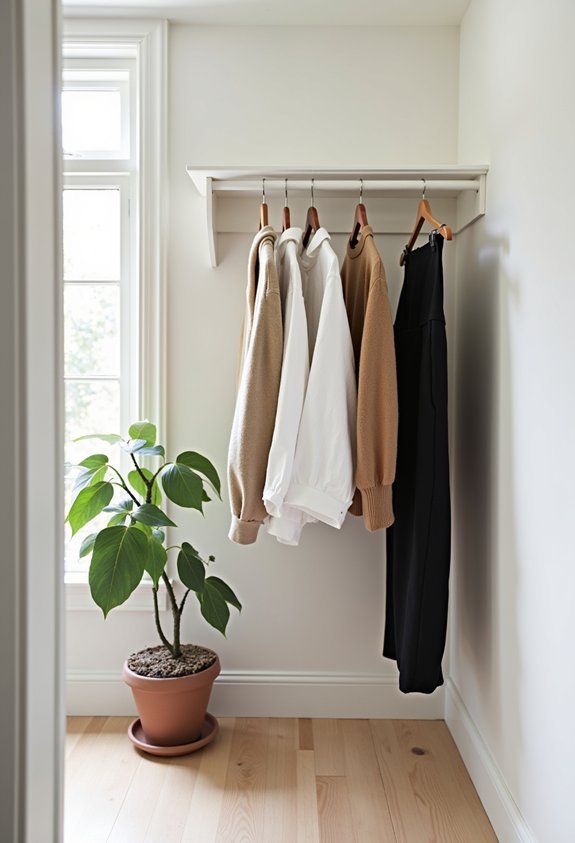
Once I stopped panic-buying tops at 11 p.m., I’d to face a bigger question—do my clothes actually match what I believe?
You might feel that too, standing in front of your closet, thinking, “Wow, I care about the planet, but my shirts… don’t.”
That’s where values alignment comes in—choosing pieces that fit both your life and your conscience.
You start checking tags for natural fabrics, looking for ethical fashion brands, and buying fewer, better-made items that last longer (instead of that $5 tee that dies after two washes).
You thrift more, repair small rips, maybe borrow from friends, and suddenly your outfits hold stories—about caring for workers, wasting less, and feeling proud when you get dressed. By owning fewer, more intentional pieces, you create breathing room in your closet and life that makes it easier to be generous with what you no longer need.
The Mental Shift: From Trends to Timelessness
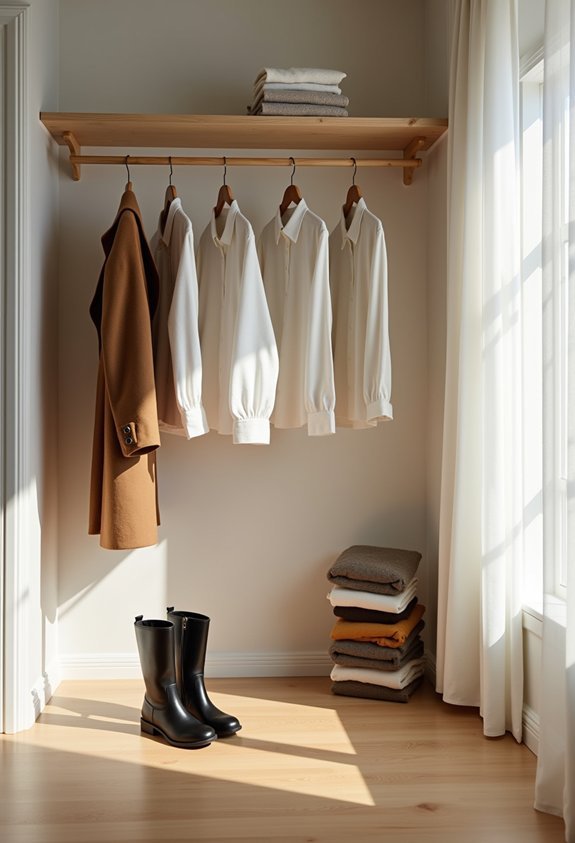
Somewhere between your fifth “must-have” micro-trend and that drawer of barely-worn shirts, your brain just… taps out.
You’re tired of chasing “what’s in,” then feeling silly three weeks later when the algorithm moves on without you.
That’s where a minimalist mindset sneaks in. You start asking, “Will I love this next year—or just until Friday’s scroll?” and your focus shifts to timeless aesthetics, calm colors, and clothes that actually work hard.
Minimalism begins when you stop dressing for the scroll and start dressing for your future self
By choosing fewer, well-made pieces and thinking in terms of cost per use, you end up spending less overall while feeling more satisfied with what you own.
- A black blazer that goes with 70% of your closet
- Jeans without rips, studs, or “distressed galaxy wash”
- Shoes you can walk in, not just photograph
- Natural fibers—cotton, linen, wool—that survive real life
You’re not becoming boring. You’re just done renting your style from trends.
Finding Confidence in a Smaller Wardrobe
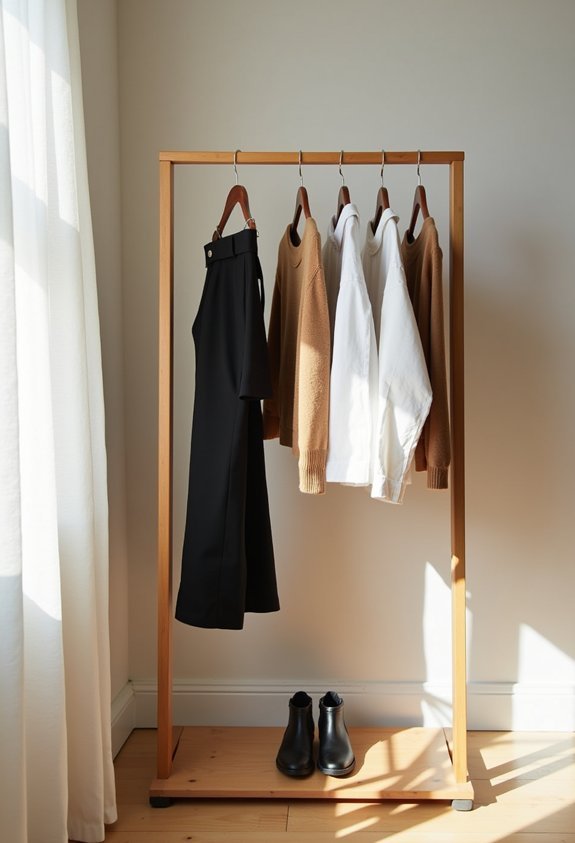
There’s this surprising moment when your smaller wardrobe stops feeling like “less” and starts feeling like power.
You open the closet, see only things you love, and suddenly that old swirl of guilt, stress, and “nothing fits me right” drama gets a lot quieter.
You’re not arguing with ten so-so tops anymore—you’re choosing between two that feel like you.
That’s wardrobe confidence, and it grows every time you trust a simple outfit and still feel like yourself in photos, at work, on the couch.
With a minimalist mindset, you dress for your real life—not for trends, not for “maybe someday.”
By curating a few seasonal essentials that truly suit your current style and body, you make getting dressed calmer, quicker, and more intentional.
Fewer pieces, more you.
And strangely, you stop hiding your body so much—and start living in it.
Sustaining a Minimalist Style for the Long Term
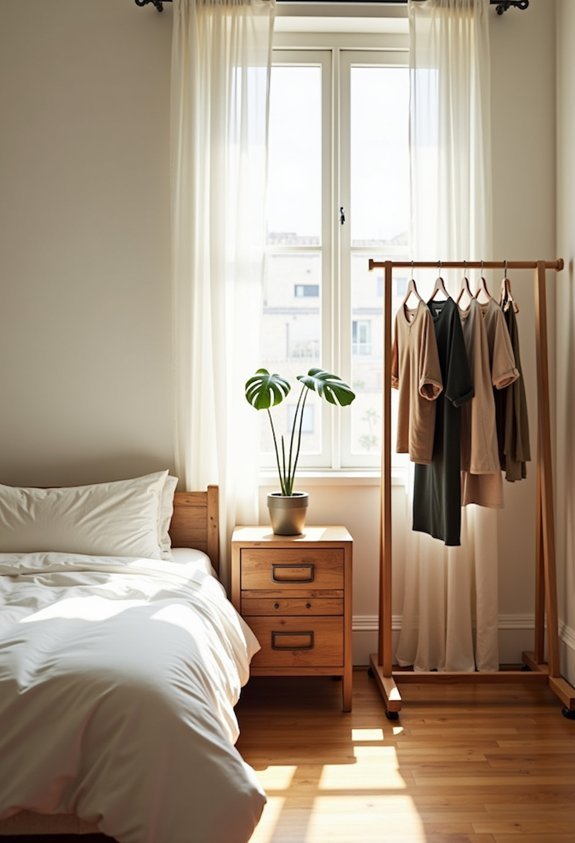
Maintenance—that very un-glam word—is actually where your minimalist style turns from “fun experiment” into your real life.
You keep sustaining mindfulness by asking simple questions—Do I love this, does it fit my values, will I still want it next month?
You may also like:
You start embracing simplicity with money too, paying off cards, skipping “just because” sales, and letting your smaller space cut bills.
The cool part, you feel calmer—less decision fatigue, less closet drama, more energy for people and experiences.
By using the simple one-in-one-out rule, each new item you bring home prompts you to release something else, keeping your space balanced and your style intentional over time.
- Regular mini-purges (10 minutes, one drawer) so clutter never stages a comeback tour
- A “24-hour rule” before non‑essential buys—works better than any coupon
- One in, one out—especially for clothes and gadgets
- Tiny eco-wins—repair, reuse, buy less—so your style also helps the planet
In case you were wondering
How Do I Handle Sentimental Clothing That Doesn’T Fit a Minimalist Wardrobe?
You separate nostalgic pieces from your main closet, keep only a few that fit your minimalist style, and repurpose others into quilts or art. You honor emotional attachment with photos, journals, or rituals instead of excess clothes.
Can Minimalism Work if My Job Requires Different Dress Codes and Uniforms?
Yes, minimalism works; you’re the steady thread stitching through shifting uniforms. Use workplace flexibility to build a capsule: neutral layers, simple shoes, discreet accessories, and well-kept uniform options, so every outfit feels intentional, uncluttered, and unmistakably yours.
How Do I Navigate Cultural or Religious Dress Expectations While Staying Minimalist?
You stay minimalist by choosing modest, versatile staples in neutral palettes, honoring your traditions’ religious symbolism. You avoid cultural appropriation by sourcing within your own culture, asking elders’ guidance, and letting respectful intention guide every outfit and accessory.
What’s the Best Way to Approach Gifts of Clothing I Don’T Really Want?
You thank the giver, honor gift etiquette, then decide its fate. If it’s not you, upcycle, resell, or host clothing swaps. Communicate style preferences kindly, suggest consumable gifts, and let go without guilt to reduce waste.
How Do I Maintain a Minimalist Closet While My Body Size Fluctuates?
You treat your closet like a tidepool: let garments with size adaptability flow in and out through wardrobe rotation, keep only three size ranges, tailor favorites, and release pieces that don’t comfortably return with each tide.
Conclusion
So now it’s your turn—try grabbing your three most‑worn pieces this week and build outfits from there. Studies show we wear only about 20% of our clothes 80% of the time, which means your “favorites” are already telling you your style, you’ve just been drowning them in extras. Start small, repeat outfits, laugh when you spill coffee on your “uniform,” and watch how much lighter, calmer, and more confident you feel.