How Minimalism Helped Me Find My True Priorities
You know that feeling when your closet’s so full you can’t find the one shirt you actually like? That’s how your life can look when every commitment, possession, and expectation piles up. When you start clearing the physical clutter, you don’t just make space on shelves—you expose the distractions you’ve been hiding behind. As you notice what you don’t miss, you begin to question what truly deserves to stay. That’s where everything quietly starts to change.
Realizing That “More” Wasn’t Making Me Happier
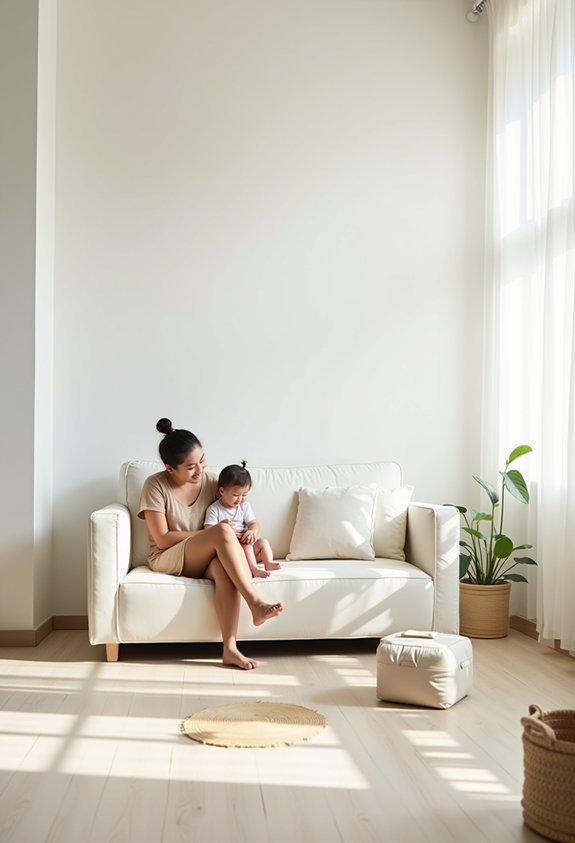
At some point, you notice that every new purchase gives you a quick rush, then quietly fades into the background of your life.
You start to see how consumer culture trains you to chase that rush, promising that the next upgrade, outfit, or gadget will finally complete you. Yet each time, the excitement shrinks faster, leaving you oddly restless.
That’s the happiness paradox: the more you acquire, the less satisfied you feel. Instead of judging yourself, you pause and observe. You ask, “What did I actually hope this would fix?”
The happiness paradox: more stuff, less peace. Pause, observe, and ask what you’re really trying to heal.
You realize you weren’t buying things; you were buying a feeling—belonging, security, status, relief. When you see that clearly, “more” begins to lose its spell.
You’re ready to question what truly deserves your energy.
Decluttering My Space and Confronting My Distractions
Once you see that “more” isn’t making you happier, your physical space suddenly becomes a mirror you can’t ignore.
You notice the piles, the duplicate gadgets, the clothes you never wear. Each item asks for attention, and you’re tired of paying.
So you start small: one drawer, one shelf. You hold each thing and quietly ask, “Does this still serve me?” If not, you thank it and let it go.
Mindful organization replaces frantic searching. Clear surfaces reveal what actually matters—a book you want to finish, a project you’ve avoided.
As the noise on your shelves fades, distraction management gets easier. Fewer objects compete for your focus, so your energy can finally land where your heart’s been pointing all along, every single day now.
Letting Go of Expectations That Were Never Really Mine

Clearing your shelves often exposes something heavier you’ve been carrying: expectations that never belonged to you in the first place.
As you release possessions, you notice old ambitions stuck to them—careers you pursued for approval, lifestyles shaped by subtle societal pressures.
Minimalism invites you to pause and ask, “Who was I trying to please?” Instead of automatically chasing the next milestone, you examine whether it supports your self discovery journey.
You might realize you don’t actually want the promotion, the bigger home, or the constant busyness. You want alignment.
Letting go becomes an inner decluttering: crossing off goals that drain you, keeping only what feels honest.
In that cleared mental space, your own priorities finally have room to speak clearly, calmly, without borrowed scripts.
How Minimalism Clarified My Relationships and Boundaries
When you strip your life down to what truly matters, your relationships naturally come into sharper focus. You start noticing who calls when they need something, and who shows up simply to share time.
Minimalism doesn’t fix relationship dynamics, but it reveals them. As you clear clutter, you feel what drains you and what supports you. That awareness makes boundary setting less theoretical and more compassionate, specific.
You begin to say “no” without guilt, and “yes” with your whole self. You stop chasing approval and start choosing mutual, honest connections.
- You pause before agreeing to favors, checking your energy and values.
- You schedule fewer obligations, which gives each interaction more presence.
- You let distance grow where respect and reciprocity are consistently missing.
Peace follows.
Creating Space for Health, Creativity, and Purpose
Even as your calendar and home get lighter, minimalism keeps asking a deeper question: what’re you actually making room for?
You may also like:
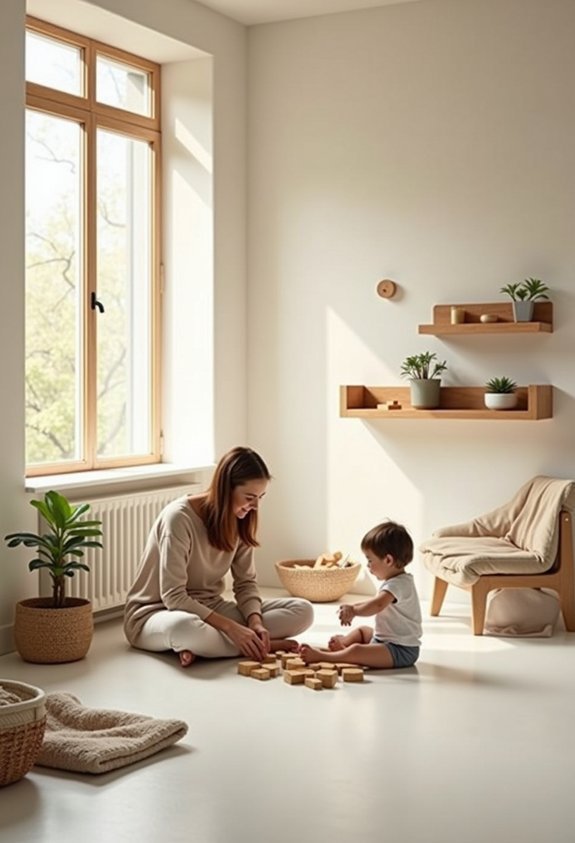
When you clear physical and digital clutter, you free attention for consistent health habits: cooking simple meals, moving your body, sleeping enough. You stop losing time to finding things, scrolling, or overcommitting.
You also notice a quiet pull toward creative expression. With fewer distractions, you can write, sketch, play music, or experiment without needing a perfect plan or outcome.
Minimalism invites you to protect small windows of focused time, then show up for them like appointments.
As you practice, you discover what genuinely energizes you. Purpose stops feeling like a grand mystery and starts looking like daily, aligned choices that you calmly honor.
Living With Less So What Matters Can Take Up More Room
As you keep aligning your days with health, creativity, and purpose, “living with less” shifts from a project into a way of being. You’re no longer just decluttering; you’re practicing intentional living.
Each item you release frees attention for meaningful experiences, deeper relationships, and honest rest.
Each thing you let go returns to you as clarity, presence, and unhurried rest
You notice how quiet rooms calm your thoughts and how clear surfaces invite you to start what matters. Instead of chasing more, you curate:
- Objects that genuinely support your current season of life
- Routines that protect your energy and reflect your priorities
- Commitments that create connection, not obligation
Living with less doesn’t shrink your life; it stretches it. Space appears on your calendar, in your home, inside your mind—room where your truest priorities can finally breathe each day.
Conclusion
When you choose less, you finally see what you’ve been reaching for all along. Maybe, like Maya, you box up half your closet, cancel two draining commitments, and suddenly have evenings free to sketch, cook, or call a friend who truly gets you. Minimalism isn’t about empty rooms; it’s about full attention. As you clear the excess, you don’t lose anything essential—you gain the space to live in alignment with what you honestly value.