How to Help Someone Else Declutter (Without Being Pushy)
You might not realize it, but the way you *offer* to help someone declutter often matters more than any organizing tip you share. When you push too hard, they shut down; when you stay too hands-off, nothing changes. The good news is, you can strike a balance that respects their space while still getting real progress. It starts with one crucial step most people skip—and it determines how everything else goes.
Ask for Permission and Understand Their “Why

Before you jump in and start sorting someone else’s things, pause and ask for permission so they feel respected, not judged. A simple permission request like, “Would you like help deciding what to keep?” gives them control and reduces defensiveness.
Next, explore their personal motivations. Ask open questions: “What would feel easier if this room were lighter?” “What matters most to you about this space?”
Listen for values—peace, more time, easier cleaning, welcoming guests. Reflect those back so they hear their own “why.”
When you link every suggestion to their stated goals, you turn decluttering from criticism into collaboration. You’re not erasing their past; you’re helping them create conditions that support the life they want now.
That shared purpose keeps everything grounded and moving.
Set Clear Roles, Boundaries, and Ground Rules
Even with the best intentions, helping someone declutter can go sideways fast if you don’t clearly define how you’ll work together.
Before touching anything, agree on roles: Are you a coach who asks questions, a sorter who handles categories, or just moral support? Clarify what decisions you can make and what only they decide.
Decide your role up front—coach, sorter, or support—then make sure they keep all final say.
Use simple communication strategies: ask before moving items, reflect back what you hear, and pause if tension rises.
Set time limits, privacy rules, and “no judgment” language. Talk honestly about emotional readiness—what feels okay to address today, what’s off-limits for now.
When roles and boundaries are explicit, your support feels safe, predictable, and genuinely helpful, not controlling or overwhelming. You stay connected, and they stay in charge of change entirely.
Start Small and Choose Low-Emotion Areas First
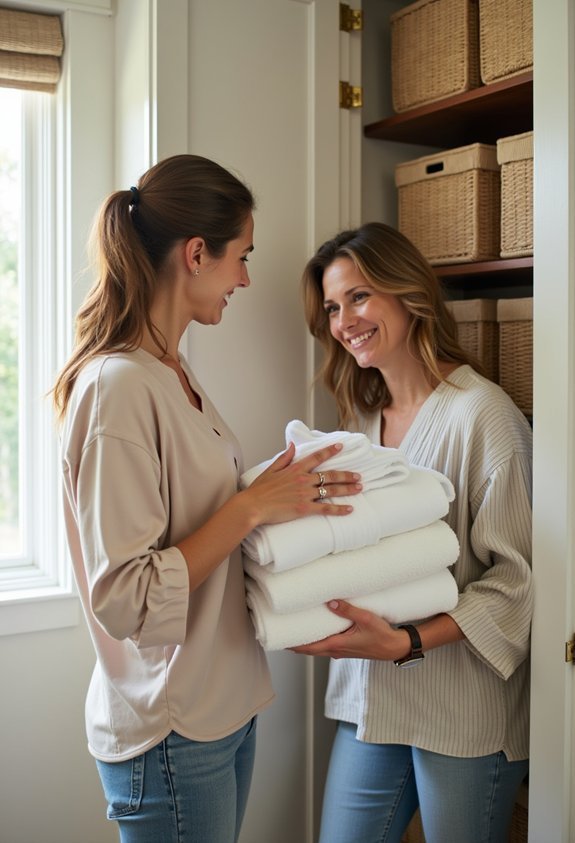
Many decluttering efforts fail because they start too big and too emotional—like tackling old photos or sentimental keepsakes first. When you’re helping someone, guide them toward small, low-stakes areas instead.
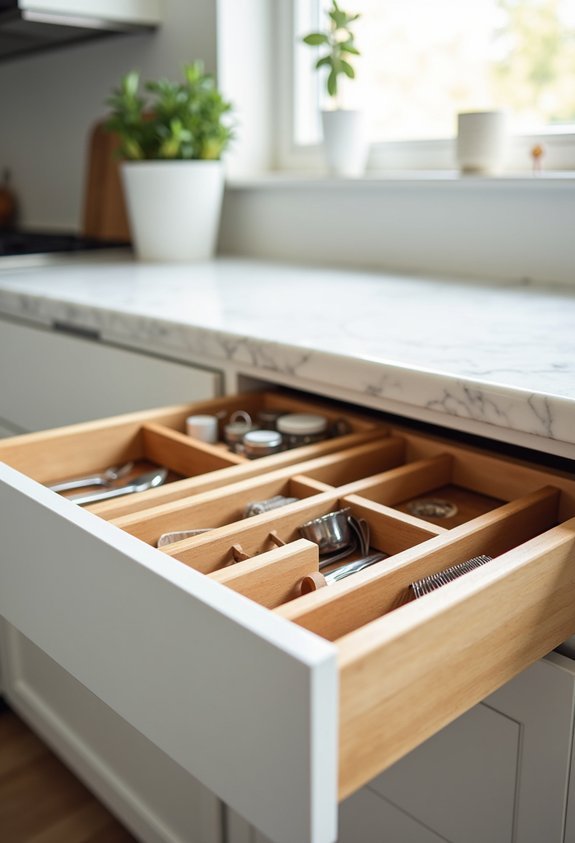
Suggest one drawer of kitchen gadgets, a single shelf of books, or the front section of their closet space. These zones are practical, not deeply sentimental, and they deliver quick wins.
Define a tiny, clear goal: “Let’s just spend 15 minutes on this drawer.” Help them pull everything out, group similar items, and choose obvious duplicates or broken things to release.
Celebrate visible progress, then stop. Ending on success builds trust and momentum, so the next area feels less overwhelming and more achievable.
You may also like:

Over time, these small victories reshape their environment and their habits.
Support Decisions Without Judging or Arguing
Although you might see obvious clutter that “should” go, your most important job is to respect that the final call isn’t yours. Treat every item as their decision, not a test of your influence.
Use active listening: ask why something matters, reflect their words, and pause before responding. Practice empathetic communication by naming feelings: “It sounds like letting this go feels scary,” rather than, “You don’t need that.”
When you disagree, stay curious. Ask, “What makes this worth keeping right now?” instead of arguing. Offer gentle questions about usefulness, space, or duplicates, then back off.
If they choose to keep something, accept it calmly. Your calm respect builds trust, making future choices easier. Over time, they’ll feel safer tackling harder piles and decisions together.
Keep Momentum Going With Gentle Accountability

When the initial burst of decluttering energy fades, your steady presence can help them keep going without feeling pushed. Think of yourself as a gentle accountability partner, not a supervisor.
Agree on shared goals first: which room, how long, what “finished for today” looks like. Then set up light structure with regular progress check ins that focus on effort, not perfection.
- Schedule short, recurring declutter sessions you both treat like appointments.
- Ask specific, compassionate questions: “What felt easier today? What still feels stuck?”
- Celebrate small wins immediately, then decide the very next step together.
If they stall, respond with curiosity instead of pressure. You’re there to notice what’s working, adjust the plan, and protect their momentum of creating calmer, simpler spaces.
Conclusion
When you help someone declutter with patience and respect, you’re not just clearing shelves—you’re opening doors. Like Samwise walking beside Frodo, you don’t carry the ring, but you steady the journey. You ask, listen, set roles, start small, and return to check in. Step by step, you create a safe pattern they can repeat. In time, they’ll see they were capable all along—you simply held the lantern while they chose the path.