How to Shop Smart for Quality Over Quantity
Stop chasing bargains that fall apart after three wears—you’re actually spending *more* in the long run. Focus on cost per use instead of the price tag: a $100 jacket worn 200 times costs just 50 cents per wear, while that $20 find worn twice costs $10 each time. Research purchases like you’d research a new TV, check reviews for durability patterns, and look for quality construction—even stitching, finished seams, and substantial materials that feel built to last. The strategies ahead will transform how you shop forever.
Key Takeaways
- Calculate cost per use rather than initial price to determine true value and long-term savings.
- Research purchases thoroughly using multiple review sources and look for patterns about durability and quality.
- Inspect construction quality by checking stitch integrity, seam alignment, finished edges, and reinforced stress points.
- Choose timeless, classic pieces over trendy items to ensure longevity and sustained style relevance.
- Maintain a curated wardrobe where each piece pairs with at least three others and apply one-in-one-out rule.
Understand the True Cost of Cheap Items

While that $5 t-shirt might seem like a total win at the checkout, it’s probably going to fall apart faster than your New Year’s resolutions.
Here’s the thing—cheap items come with hidden costs that don’t show up on your receipt. You’ll replace that shirt three times while your friend’s $30 one still looks new. That’s $15 versus $30, and yours looks like a dust rag.
Plus, there’s the environmental impact to consider. Those ultra-cheap items often end up in landfills within months, creating waste that sticks around way longer than the shirt did.
That $5 bargain becomes environmental baggage—rotting in a landfill decades after it stopped fitting you.
When you buy better quality, you’re actually saving money long-term—and helping the planet avoid becoming one giant clearance rack.
Instead of fixating on the price tag, focus on the cost per use to determine if an item is truly worth the investment.
Smart, right?
Research Before You Buy
Most people spend more time choosing a Netflix show than researching a $50 purchase—and then wonder why their new blender sounds like a dying robot after two weeks.
Here’s the thing: you’ve got online resources at your fingertips—use them. Consumer Reports isn’t just for your parents anymore (though they were onto something). Spend fifteen minutes reading reviews before you buy, and you’ll save yourself hours of frustration later.
Look for patterns in feedback. If twelve people mention the same handle breaking, that’s not coincidence—that’s a warning sign.
Check multiple sources too. One glowing review might be fake, but consistent praise across websites? That’s legit.
Before you hit checkout, ask yourself what problem this purchase actually solves—this helps you avoid impulse buying disguised as smart shopping.
Your future self will thank you when your purchase actually lasts beyond next Tuesday.
Identify Markers of Quality Construction

Look for weight first—seriously. Quality items feel substantial in your hands—not flimsy or weirdly light like they might disintegrate if you sneeze nearby.
Pick up that sweater, that bag, that whatever-you’re-buying and feel the difference.
Check the stitch integrity next (fancy term, simple concept). Run your fingers along seams and look for even, tight stitching without loose threads hanging out like they’re waving goodbye.
Good seam alignment means patterns match up at the seams—stripes actually connect, plaids don’t look drunk.
Turn things inside out too. The interior should look almost as nice as the exterior, with finished edges and reinforced stress points.
These little markers separate stuff that’ll last from stuff that’ll fall apart after three washes.
Invest in Timeless Pieces Over Trendy Items
Because trends disappear faster than your motivation on a Monday morning, building your wardrobe around timeless pieces actually saves you money in the long run.
Think classic silhouettes that looked good on your mom—and still look amazing today. A well-fitted blazer, straight-leg jeans, or a simple white button-down never goes out of style.
Sure, that neon leopard print might feel exciting right now (we’ve all been there). But you’ll wear timeless designs for years, not just one season.
Here’s the thing: trendy pieces end up shoved in the back of your closet, while classics get constant rotation.
When you’re shopping, ask yourself—would this have worked ten years ago?
Will it work ten years from now?
If yes, that’s your green light to invest. When each item earns its place in your wardrobe, you naturally avoid accumulating pieces that create clutter without adding real value to your daily life.
Calculate Cost Per Use
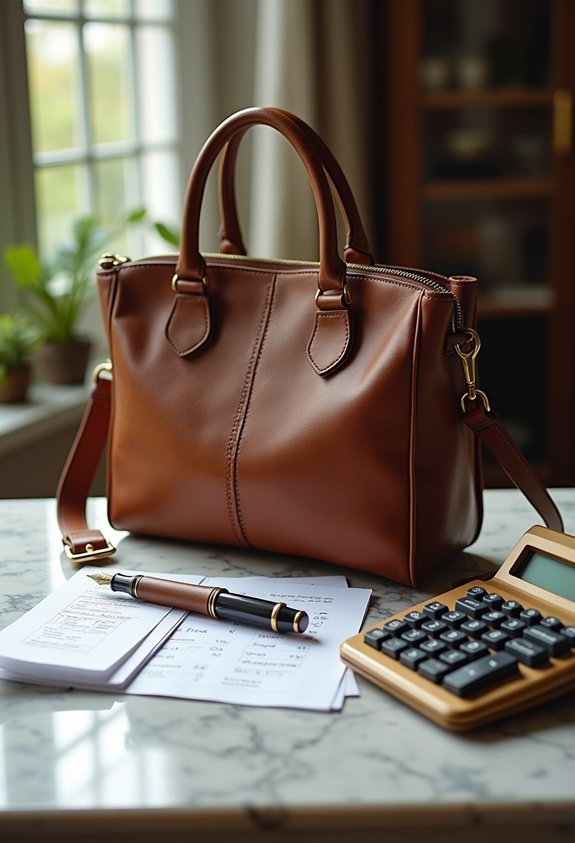
Everything changes when you start thinking about what clothes actually cost you per wear—not just the price tag staring back at you at checkout.
Here’s the thing: that $200 coat you’ll wear three times weekly for five years? Way cheaper than the $40 sweater collecting dust after two wears.
The cost analysis is simple math—divide the price by how many times you’ll actually use it (be brutally honest with yourself here).
Usage frequency matters more than you think.
That fancy dress for “someday” events? Probably not your smartest move.
But those jeans you’d wear twice weekly? Suddenly that higher price makes total sense, even feels like a bargain.
Calculate before you buy—it’ll change everything about how you shop.
This approach lets you compare diverse resources on the same scale, making it easier to spot which purchases actually deliver value and which just drain your wallet.
Read Reviews From Long-Term Owners
You’ve done the math on cost per wear, but here’s what those numbers can’t tell you—whether that $150 jacket will still zip smoothly after year three or start falling apart after six months.
That’s where owner testimonials become your secret weapon.
Skip the five-star reviews posted two days after purchase (because honestly, everything feels great when it’s brand new). Instead, hunt for the brutally honest feedback from people who’ve actually lived with their purchase for a year or more—those reviews reveal the truth about long term satisfaction.
Look for phrases like “still going strong after two years” or “the handles ripped off after eight months.”
These real-world reports tell you what survives daily life and what doesn’t.
Reading through detailed purchase patterns helps you spot whether you’re making a considered decision or simply responding to emotional triggers like boredom or the excitement of something new.
Choose Natural and Durable Materials
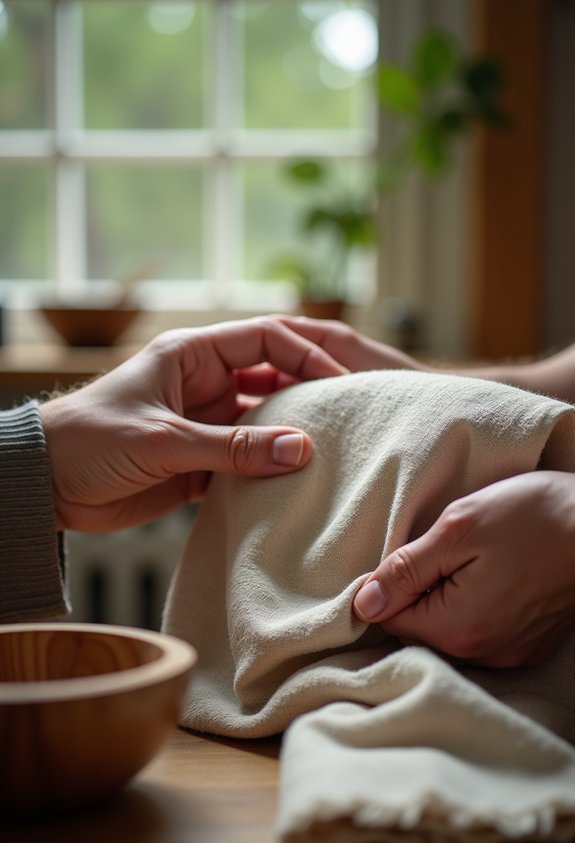
The fabric tag might seem boring, but it’s basically a crystal ball for your wallet.
Natural fibers like cotton, wool, and linen outlast synthetic stuff by years—sometimes decades if you’re lucky.
Look for sustainable sourcing labels too. They’re not just trendy buzzwords; they mean the manufacturer actually cared enough to make something that lasts.
Items made from quality materials resist pilling, fading, and that weird stretched-out sadness cheap clothes get after three washes.
Yes, natural fibers cost more upfront. But here’s the thing—you’re not replacing them every season like you’re running some kind of closet treadmill.
Check those tags. Your future self (and your bank account) will thank you for choosing durability over disposable fashion.
Investing in fewer, higher-quality pieces helps you distinguish between want and need, keeping you focused on what truly serves your life rather than chasing approval through endless purchases.
Master the Art of the Capsule Wardrobe
Think of your closet like a really good playlist—you don’t need every song ever made, just the ones that work together and actually get played.
That’s the beauty of capsule essentials.
Start with pieces that play well together. A white tee, dark jeans, a blazer—these aren’t boring, they’re building blocks.
Wardrobe versatility means one good pair of pants works for coffee runs and job interviews (with different tops, obviously).
Here’s the magic: fewer clothes, more outfits. Seriously.
Aim for around 30-40 pieces per season. Each item should work with at least three others.
If something only pairs with one thing, it’s dead weight.
You’ll spend less time staring into your closet wondering why you’ve got nothing to wear.
Because everything actually works.
To keep your wardrobe from expanding beyond its sweet spot, try the one-in-one-out rule—when you buy something new, let go of something old.
Know When to Repair Instead of Replace

Before you toss that sweater with the loose button or those jeans with the busted zipper, here’s a radical thought: fixing stuff is way cooler (and cheaper) than you think.
Repair benefits are seriously underrated—while replacement drawbacks hit your wallet hard every single time.
Here’s when repair wins:
- Minor damage only (missing buttons, small holes, broken zippers)
- Quality items worth saving (that leather jacket you actually love)
- Simple fixes you can YouTube (hemming pants, sewing buttons—honestly easier than ordering takeout)
- Sentimental pieces (your favorite concert tee deserves another chance)
A basic sewing kit costs like ten bucks and lasts forever.
And hey—learning to fix your own stuff? That’s basically a superpower that saves you hundreds yearly.
Choosing to repair over replace is part of intentional consumption, which means buying less but making what you own last longer.
Build Relationships With Quality Retailers
Relationship building with shop owners means you’ll hear about quality items before they hit Instagram.
They’ll pull things aside for you, offer honest opinions (not just sales pitches), and—here’s the kicker—take returns without making you feel like a criminal.
Retailer loyalty works both ways. You support their business, they support your quest for quality.
You may also like:





Support their business with your dollars, they support your standards with their expertise and honesty.
Chat with them about what you need, ask questions, remember their names. It’s old-school networking that saves money and stress.
Think of it as assembling your personal shopping team.
These trusted relationships help you evaluate whether purchases align with your values before bringing items into your home.
In case you were wondering
How Do I Avoid Impulse Buying When Quality Items Go on Sale?
You’ll avoid impulse buying by creating a wishlist before sales start and waiting 24 hours before purchasing. These impulse control strategies and sale shopping tips help you distinguish genuine needs from tempting deals, ensuring you’re buying quality items you’ll actually use.
What Should I Do With Lower-Quality Items I Already Own?
Studies show 85% of textile waste ends up in landfills unnecessarily. You should donate items in decent condition to local charities or upcycle materials into cleaning rags, craft projects, or storage solutions, preventing waste while making room for quality pieces.
How Can I Convince Family Members to Prioritize Quality Over Quantity?
Share your positive experiences with quality items and have value conversations about long-term savings. Provide quality education by showing comparisons between durable and cheap products. You’ll find that demonstrating benefits works better than lecturing family members directly.
Are Secondhand Quality Items Better Than New Fast-Fashion Pieces?
Yes, secondhand quality items outlast fast-fashion pieces while offering sustainability benefits through reduced waste. You’ll find vintage finds with superior craftsmanship that’ve already proven their durability, making them smarter investments for your wardrobe and the environment.
How Do I Budget for Expensive Quality Purchases on a Limited Income?
Like a squirrel storing acorns for winter, you’ll need smart savings strategies to afford quality items. Set aside small amounts monthly for priority purchases, gradually building your fund until you’re ready to invest in lasting pieces.
Conclusion
You’ve got this—think of your closet like a garden, not a junkyard. Plant quality pieces that’ll bloom year after year instead of filling it with weeds you’ll toss next season. Sure, that $200 coat might make you gulp now, but wearing it 300 times beats buying five cheap ones that fall apart. Your future self (and your wallet) will absolutely thank you.