How to Start a Minimalist Lifestyle on Any Budget
By coincidence, you might be thinking about simplifying your life at the exact moment you’re surrounded by stuff you barely use. Minimalism doesn’t mean throwing everything out or buying expensive “simple” décor. It’s about choosing what truly supports your values, one small decision at a time. You can start with what you already own, spend almost nothing, and still feel lighter—once you take the very first, surprisingly small step…
Clarify What Minimalism Means for You
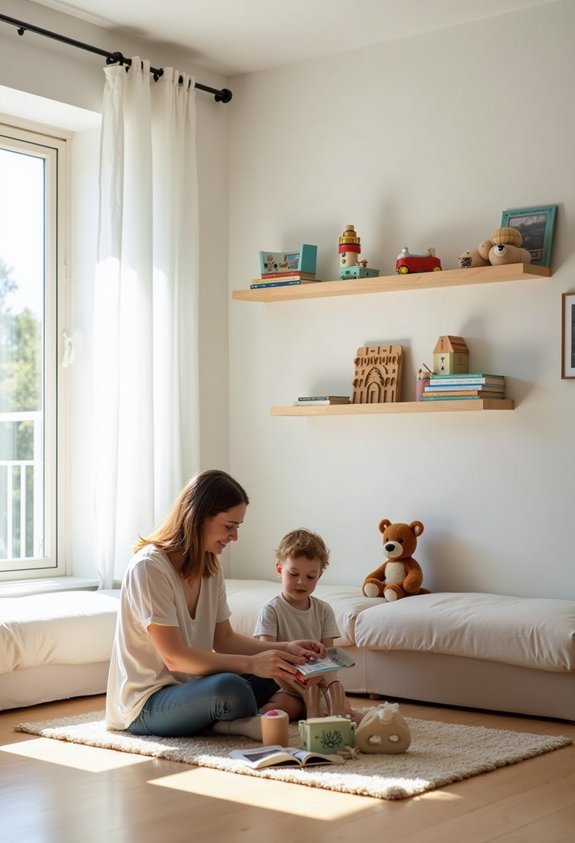
Where do you actually want minimalism to take you? Start by defining what a simpler life looks like for you, not for anyone online.
Ask what matters most: relationships, health, creativity, freedom, faith, or contribution. Those answers reveal your personal values. Write them down in plain words.
Next, turn them into specific minimalist goals. You might aim to free time for family, protect your attention from digital clutter, or reduce money stress. Keep your goals small, concrete, and believable. Use phrases like “so I can” to connect each goal to a value.
When choices appear—work, purchases, commitments—check them against those values and goals. If they don’t match, you can confidently say no.
Over time, this definition of minimalism becomes your practical everyday compass forward.
Take Inventory and Appreciate What You Already Own
Before you let go of anything, pause and see what you already have. Start with a simple inventory checklist. Walk through your home slowly and write down what’s in each space: clothes, tools, kitchen items, digital devices, even subscriptions.
Don’t judge or sort yet; you’re just noticing.
Next, turn this list into a gentle gratitude practice. Look at each category and ask, “How does this already support my life?” You may realize you own more than enough towels, notebooks, or mugs.
Let your list become gratitude: notice how each item already quietly supports your life
You might also rediscover items you love but rarely use. This awareness helps you spend more intentionally, appreciate what’s working, and see where you’re already rich in resources, even without buying a single thing today, right where you are, with no extra cost.
Declutter One Small Area at a Time
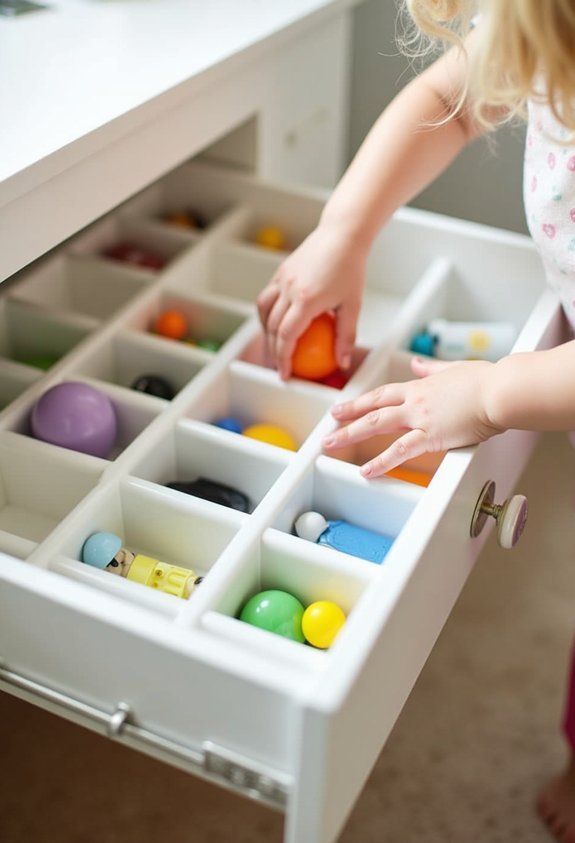
Start with just one small area so the process feels doable instead of overwhelming. Choose a drawer, shelf, or corner of a small space and stay there.
Set a short timer, maybe 15–20 minutes, so you don’t drift. Pick up each item and decide: use, love, or let go. These simple decluttering techniques keep choices clear.
Put trash in one bag and donations in another. If you hesitate, set the item aside and review it at the end.
When the timer rings, stop, tidy what’s left, and notice the difference. You’ve finished a complete zone. Tomorrow, tackle the next small area.
Little sessions add up, and you’ll build confidence without exhausting your time, money, or energy. Progress feels gentle, steady, and surprisingly motivating inside.
Create Simple, Low-Cost Systems for Staying Organized
Once you’ve cleared a few small areas, you can keep that hard-won space by setting up simple systems that don’t cost much—or anything at all.
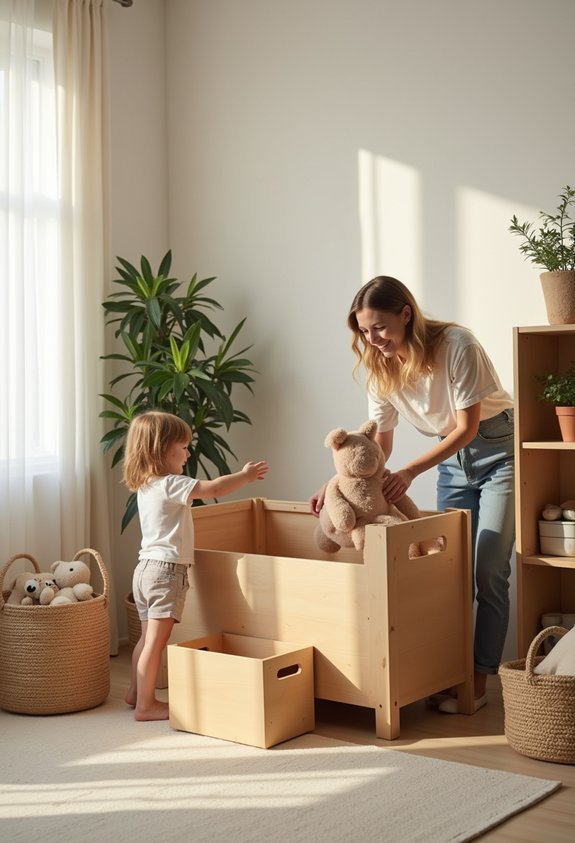
Start with a home for everyday items: a bowl for keys, a hook for your bag, a tray for mail. Label shelves and bins so you know where things return. Use what you already own—jars, shoeboxes, baskets—as budget friendly organization.
Keep similar items together and store them near where you use them. Choose efficient storage solutions like vertical shelves, under-bed boxes, or a single drawer for tools.
Finish each day with a five-minute reset: return items, recycle papers, clear counters. These small habits protect your progress and make your minimalist home easier to enjoy and maintain every single day.
Cut Impulse Spending and Redesign Your Budget

Although decluttering your home is a big step, a minimalist lifestyle won’t stick if your spending habits keep flooding your life with new stuff. Start by noticing your impulse triggers: boredom, stress, sales emails, social media. When you feel the urge to buy, pause, breathe, and wait 24 hours. Most desires fade.
Next, build budget awareness. List your monthly income, then your real essentials: housing, food, utilities, transport, debt.
Give every remaining dollar a clear job: savings, sinking funds, or a small guilt‑free spending amount. Track expenses weekly, using a notebook or free app, and compare them to your plan.
When something isn’t aligned with your values, adjust. Over time, your money will support simplicity, not clutter. You’ll feel lighter, in finances and mind.
Simplify Daily Routines for Less Stress
When your days feel packed but scattered, simplifying your routines gives you back a sense of calm control.
Start by listing your main daily tasks: waking up, getting ready, meals, work, chores, winding down. For each, remove one unnecessary step or decision.
List your daily tasks, then remove one step or decision from each to reclaim ease.
Lay out clothes the night before. Keep a simple breakfast. Batch small tasks, like checking messages, instead of reacting all day.
You may also like:

Create mindful routines around anchors you already have, such as morning coffee or evening dishes. Do those slowly, with full attention, to signal your brain to relax.
Use checklists for recurring tasks so you don’t rely on memory. Fewer choices and clearer steps free mental space, making stress reduction a natural result.
You end each day calmer, with energy left over.
Maintain Your Minimalist Lifestyle Over the Long Term
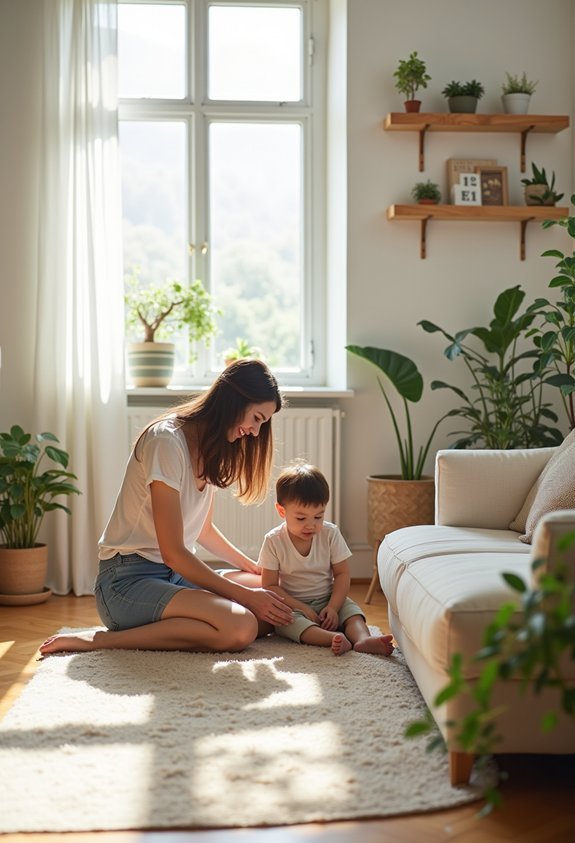
Even after you’ve simplified your space and routines, the real challenge is keeping your minimalist lifestyle steady as life changes. Treat minimalism as an ongoing practice, not a one-time project.
Schedule regular check-ins: monthly, ask what’s adding value and what’s creating noise. Release items and commitments that no longer fit.
Build sustainable habits, like one-in-one-out when something new enters your home. Practice mindful consumption by delaying purchases for 24 hours and comparing options, including not buying at all.
Protect white space on your calendar; leave room for rest and relationships. When life gets busy or emotional, return to your core reasons for living with less. Let those reasons guide small daily choices.
Accept gradual progress, and adjust your systems whenever your circumstances shift slightly.
Conclusion
Minimalism doesn’t ask you to empty your life; it invites you to weed the garden so what matters can bloom. Start small, stay curious, and let each cleared shelf or quiet morning confirm you’re on the right path. When you choose what to keep, spend, and do, you’re drawing the map instead of drifting. Keep walking light, adjusting gently, and your days will feel more spacious, focused, and truly your own, with less noise inside.