Minimalism Fails When You’re Burnt Out — Here’s the Gentler Alternative
Traditional minimalism asks you to audit every possession like it’s a referendum on your values, which is exactly the kind of mental load you can’t carry right now. Gentle minimalism flips that—it lets you keep the seven coffee mugs because mornings are chaotic, honors the worn sweater that calms your nervous system, and treats clutter as data about your actual needs rather than evidence you’re failing. The goal isn’t a magazine-perfect space; it’s building a home that bends around your burnout instead of demanding you perform recovery perfectly, and there’s a completely different framework waiting once you stop measuring yourself against someone else’s capsule wardrobe.
What you will leave with
- Aggressive decluttering creates decision fatigue and anxiety, depleting mental resources needed for recovery during burnout.
- Gentle minimalism prioritizes nervous-system capacity over aesthetic perfection, treating clutter as useful data rather than failure.
- Keep comfort objects that soothe you, even if they seem illogical or fail to meet external minimalist standards.
- Replace exhausting purge sessions with micro rituals like clearing one counter to build consistent, small wins.
- Customize personal inventory rules based on real-world needs, adjusting boundaries as energy levels and life circumstances shift.
Why Traditional Minimalism Adds to Your Mental Load
When I first stumbled into minimalism, I thought I’d found the answer to everything—the clutter, the overwhelm, the constant feeling that my life was spinning just a little too fast.
But here’s what nobody told me: those endless decisions about what stays and what goes? They create their own kind of exhaustion.
Decision fatigue is real, and when you’re already running on empty, sorting through every drawer becomes another job you didn’t sign up for.
Each small choice about whether to keep or discard an item draws on your limited mental resources, weakening your ability to make bigger decisions that actually matter.
Then there’s the aesthetic pressure, the Instagram-perfect feeds that trigger status anxiety in a whole new way.
Suddenly you’re not just decluttering—you’re performing minimalism, measuring yourself against an impossible standard.
That’s not relief. That’s just trading one weight for another.
The Hidden Costs of “Intentional Living” When You’re Already Exhausted

Because intentional living sounds so wholesome, so empowering, we rarely talk about how much work it actually is. Every purchase becomes a values audit, every possession a referendum on who you’re trying to be.
When burnout’s already hollowed you out, adding this constant self-interrogation doesn’t build clarity—it accelerates identity erosion. You’re too tired to know what matters anymore, yet you’re supposed to curate a life around it.
You’re exhausted from being depleted, now exhausted from deciding what deserves to stay.
And here’s what really stings: minimalism often asks you to shed rituals before you’ve built new ones, creating ritual loss that leaves you floating. That Sunday coffee routine with the “wrong” mug. The jacket that doesn’t spark joy but anchored countless hard days.
Each item you evaluate triggers micro-decisions that compound into cognitive overload, draining the mental reserves you need just to function.
Intentionality demands energy you simply don’t have right now.
What Gentle Minimalism Actually Looks Like
So what does it actually mean to do minimalism gently, when you’re already running on fumes?
It means letting go of the aesthetic perfection you see scrolling through those Pinterest boards at 2 a.m. Aesthetic Flexibility becomes your friend—your space doesn’t need to look like a magazine spread to support you.
Maybe your books stay visible because seeing their spines calms you, even if that’s “too cluttered” by someone else’s rules.
And instead of overhauling everything at once, you build Micro Rituals: clearing one counter before bed, putting away three things when you stand up.
Tiny, almost laughably small actions that don’t drain what little energy you’ve got left. It’s minimalism that bends around your burnout, not the other way around.
These consistent, simple wins help you rebuild trust in your own choices without the weight of getting everything perfect.
Permission to Keep Comfort Objects (Even If They’re Not “Essential”)
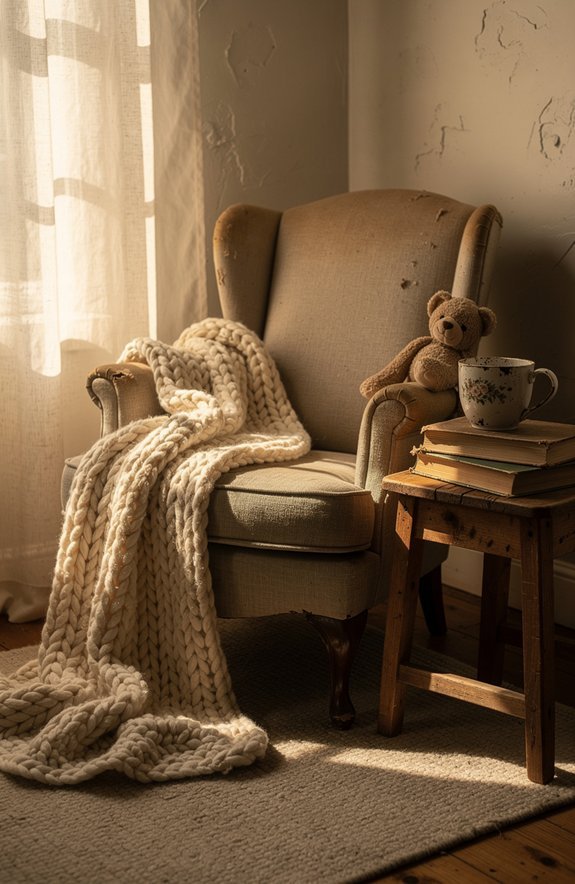
The trickiest part of simplifying when you’re burned out isn’t deciding what to toss—
it’s giving yourself permission to keep the things that don’t make logical sense but somehow make your nervous system settle.
That worn sweatshirt you don’t wear outside.
The mug collection you haven’t used in months.
These aren’t essentials by minimalist standards, but they offer something metrics can’t measure: Sentimental Safety.
Tactile Anchors work differently than logic.
They’re:
- The blanket that feels like home when everything else feels foreign
- Books you’ve already read but need nearby, just in case
- That candle you never light but like seeing on the shelf
- Photos in frames, even cluttering your nightstand slightly
- Hobby supplies for the person you hope to be again
Your recovery doesn’t require perfection.
It requires what actually soothes you, even when it’s messy.
These objects often represent deeper needs—identity, safety, or meaning—and naming these fears can help you understand why certain items feel impossible to release right now.
Lowering the Bar: Why “Good Enough” Is the Goal

When burnout has you pinned, everything starts feeling like a test you’re already failing—including your attempt to simplify.
So here’s what I’ve learned: the goal isn’t perfect minimalism.
It’s establishing baseline standards low enough that you can actually meet them.
Clean enough to walk through without stepping on things.
Organized enough to find your keys most mornings.
That’s it.
Flexible expectations aren’t giving up—they’re recalibrating to what your nervous system can actually handle right now.
When I stopped trying to maintain magazine-worthy surfaces and aimed for “functional corner of the couch,” something shifted.
The bar lowered, yes, but I could finally clear it.
And clearing it, even barely, felt like breathing room I desperately needed.
Instead of chasing more systems or perfection, I began removing the excess—starting with the pressure itself.
Creating Recovery Spaces Instead of Perfect Spaces

Recovery happens in your body before it happens in your head, which means your bedroom isn’t a styling project—it’s a nervous system lab.
I stopped chasing magazine-perfect and started asking what actually helped me exhale.
What worked when I was too tired to think:
- Soundscaping Corners with brown noise machines or rain playlists, not silence
- Aroma Anchors like lavender on my pillowcase, signaling safety to my anxious brain
- Blackout curtains that didn’t Instagram well but let me finally sleep past dawn
- A water bottle next to the bed, because dehydration makes everything worse
- One soft blanket within arm’s reach, zero decorative pillows
Your space doesn’t need to look calming. It needs to feel like you can stop performing, even when you’re alone.
I also dimmed the overhead lights and added a low-light lamp on my nightstand, which helped signal my brain that it was finally time to unwind.
Practical Ways to Simplify Without Adding Pressure
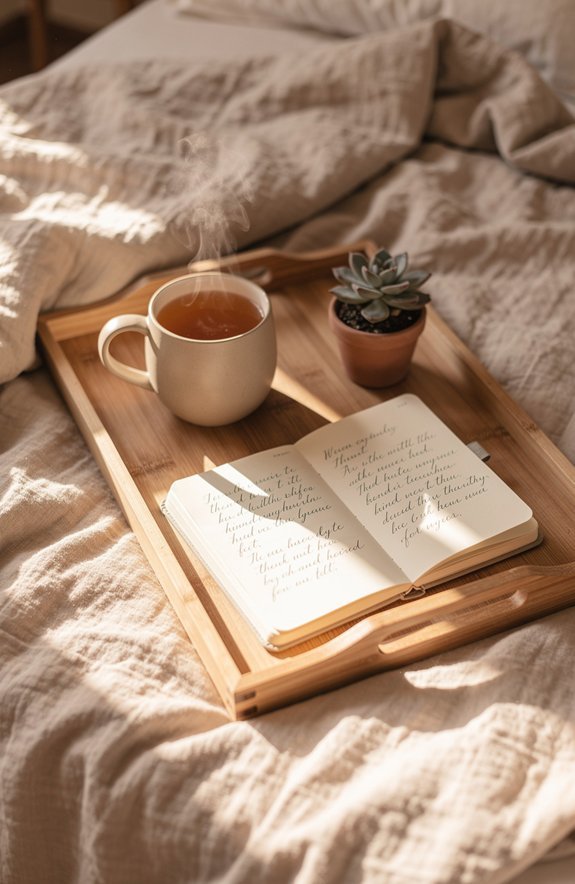
Simplifying felt impossible until I realized I’d been treating it like another productivity project—and my brain was already running on fumes.
I started energy mapping instead—literally rating tasks from one to five based on how depleted they’d leave me.
Turns out, reorganizing my entire pantry? A solid nine of exhaustion I didn’t have.
When your nervous system is overloaded, no amount of decluttering will create the calm you’re actually craving.
Recognizing When Decluttering Is Actually Harmful

I thought decluttering was supposed to help.
But some nights I’d lie awake cataloging what I’d donated that day, second-guessing every single choice.
That’s when I realized: decluttering itself can become harmful.
You deserve to recognize the signs before things spiral:
- Constant regret cycles that keep you mentally sorting through discarded items
- Physical exhaustion from marathon purge sessions that leave you depleted for days
- Anxiety spikes when deciding what stays, turning each object into a moral test
- Ignoring allergy triggers by keeping irritants just to hit minimalist quotas
- Legal risks from hasty disposal of important documents during aggressive cleanouts
When simplifying creates more distress than the clutter itself, you’re not failing minimalism.
Minimalism’s failing you.
Your mental bandwidth matters more than any aesthetic.
Instead of pushing through, treat your clutter as information about personal needs rather than evidence of failure.
Building Your Own Rules Based on What You Actually Need
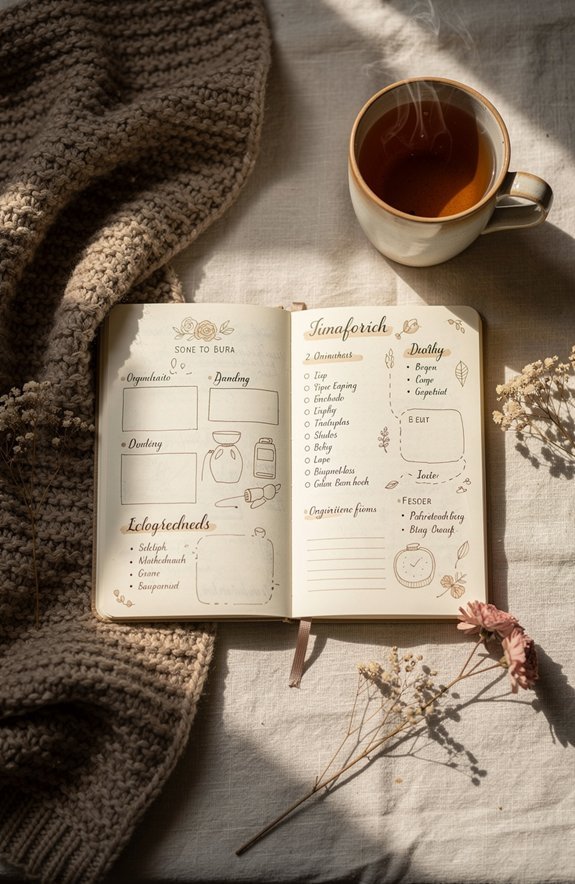
What if the perfect decluttering system isn’t something you download from a blog, but something you build from the wreckage of every rulebook that’s already let you down?
Your Personal Inventory doesn’t need to look like anyone else’s.
Maybe you need seven coffee mugs because mornings are chaos and the dishwasher’s always full.
Maybe you keep three winter coats because temperature regulation is real, and your body doesn’t care about capsule wardrobe counts.
Rule Experimentation means trying one small boundary—say, no new books until you’ve read three—then adjusting when it stops serving you.
You may also like:


You’re not failing minimalism; you’re recalibrating it around your actual nervous system, your real schedule, your specific dopamine fatigue.
The rules that stick are the ones you write tired, at 9 p.m., after another long day of just surviving.
Minimalism adapts to life changes like shifting responsibilities, fluctuating energy levels, and the seasons of burnout that demand more gentleness than any one-size-fits-all method could ever provide.
In case you were wondering
Can Minimalism Help Prevent Burnout Before It Starts?
Yes, minimalism can prevent burnout by reducing decision fatigue through simplified choices and supporting sustainable habit formation around priorities. You’ll conserve cognitive energy and maintain clearer boundaries before exhaustion sets in.
How Do I Explain My Cluttered Space to Minimalist Friends?
You’re not climbing their mountain—use emotional transparency about burnout’s toll and contextual framing around recovery needs. Share that your space reflects healing, not laziness, and you’re prioritizing mental health over aesthetics right now.
Should I Wait Until I Recover to Start Simplifying?
You don’t need to wait—start now with gentle beginnings that match your current capacity. Use energy pacing to guide micro-steps, letting simplification support your recovery rather than delay it until you’re “ready enough.”
What if My Family Members Don’t Support Gentle Minimalism?
Focus on your personal space first—research shows 30–40% of workers experience burnout, so prioritize your recovery zone. Use respectful communication to explain your needs, then gradually build household agreements around shared areas without pressuring others.
Does Keeping More Possessions Mean I’ve Failed at Self-Care?
No—ownership narratives that equate fewer items with virtue create false binaries. Self-kindness means honoring your actual needs, energy, and values. Your inventory of possessions should support recovery, not prove minimalist success. Function matters more than count.
Conclusion
You don’t need to earn your rest by achieving perfect emptiness first. That’s the thing I keep forgetting, then remembering, then forgetting again. Your home isn’t a magazine spread—it’s the container that holds you while you heal. Some days, gentle minimalism looks like leaving those boxes unpacked, keeping that worn sweater, choosing yourself over the aesthetic. And honestly? That’s more than enough.