13 Misconceptions About Minimalist Living
You’ve probably seen minimalist homes that look like art galleries and assumed that’s the standard, but that image leaves out most of the story. Minimalism isn’t about owning a single chair or living in a stark white box; it’s about making space for what actually matters to you. When you strip away the myths—about money, aesthetics, parenting, even happiness—you gain options you didn’t realize you had. The surprising part is where those misconceptions quietly hold you back…
Minimalism Means Owning Almost Nothing
One of the biggest myths about minimalism is that it requires you to own almost nothing and live in bare, white rooms.
Minimalism isn’t deprivation; it’s intentionally keeping what matters and releasing what quietly drains you
In reality, minimalism invites you to keep what matters most and release what constantly drains your time, energy, and money. You’re not chasing emptiness; you’re curating a life supported by essential belongings.
That might mean fewer items, but it primarily means more intention. You look at each purchase and ask whether it serves your values, goals, and relationships.
This mindful consumption helps you spend less on distractions and invest more in what truly enriches you—learning, experiences, rest, creativity, community.
Over time, your surroundings stop feeling cluttered and start feeling clear, calm, and supportive of the life you actually want to live fully.
You Have to Follow a Strict Aesthetic
Although Instagram might suggest otherwise, minimalism isn’t a design contest with rigid rules about white walls, monochrome wardrobes, and sleek furniture. You’re not required to erase color, pattern, or sentimental objects to “qualify.”
Real minimalism focuses on intention, not uniformity. That means your space can reflect aesthetic diversity while still feeling calm and uncluttered. Instead of copying a template, decide what actually supports your life and values.
- Define your purpose for each room—how do you want to feel and function there?
- Keep only decor that earns its spot through meaning, beauty, or utility.
- Let personal expression guide your choices; limit quantity, not character.
When you prioritize alignment over appearance, your home becomes both lighter and more authentically yours, every single day.
Minimalists Never Spend Money
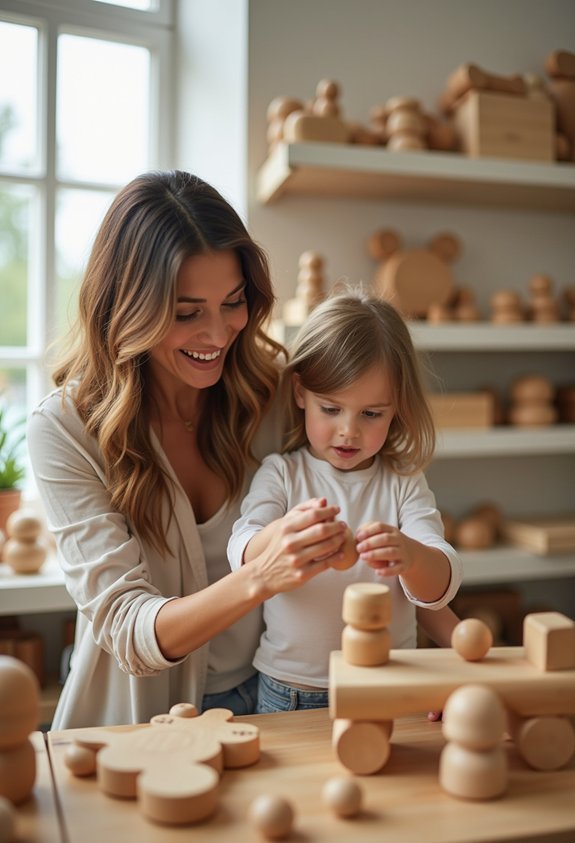
Despite what the memes say, minimalism isn’t about never spending money—it’s about spending it on purpose. You’re not trying to win a contest for owning the least or paying the least; you’re aligning money with what actually matters to you.
Frugal spending becomes a tool, not a personality. You pause before buying, ask whether something supports your priorities, and skip what doesn’t.
Intentional purchases can mean paying more for quality boots, fresh food, or a class that builds a skill, while saying no to impulse deals you’d forget next week.
You still enjoy treats, travel, and comfort, but you choose them instead of drifting into them. Over time, your bank account, schedule, and attention reflect your real values.
That’s real freedom, not financial self-denial.
It’s Only About Decluttering Your Stuff
Intentional spending is only part of the picture; minimalism isn’t finished once you’ve hauled trash bags to the curb.
Decluttering helps, but if you stop there, you’re resetting the cycle.
Minimalism is intentional living, not a one-time purge. You choose what stays in your home, schedule, and attention because it supports your values.
That’s where mindful consumption comes in. Before something enters your life, you pause and ask questions:
- Does this align with your priorities and long-term goals?
- Will you still value and use this months from now?
- What’ll this cost you in time, energy, and focus?
When you practice that filter daily, your space, calendar, and finances gradually reflect who you are.
You feel lighter, clearer, and more aligned.
Minimalism Is Cold, Empty, and Joyless
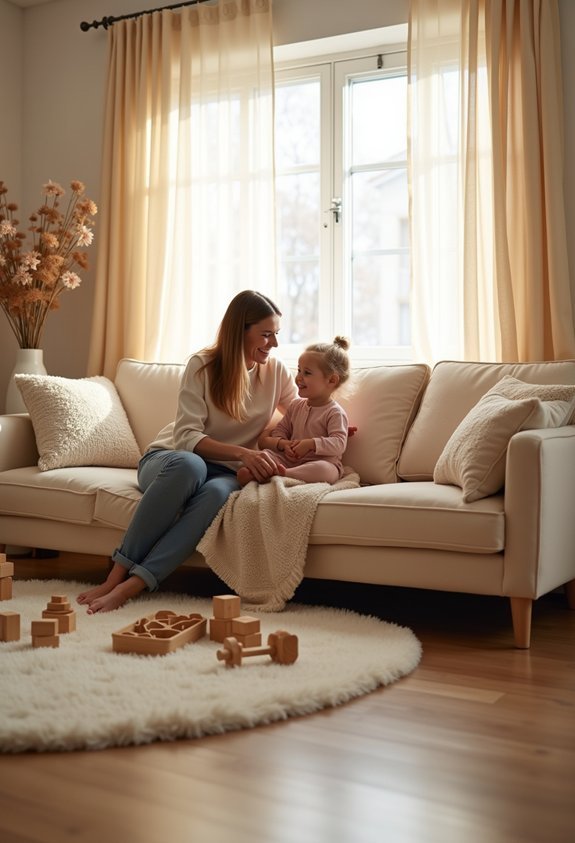
When people picture minimalism as a cold, empty room with a single chair, they’re really seeing a lack of personality, not a lack of stuff.
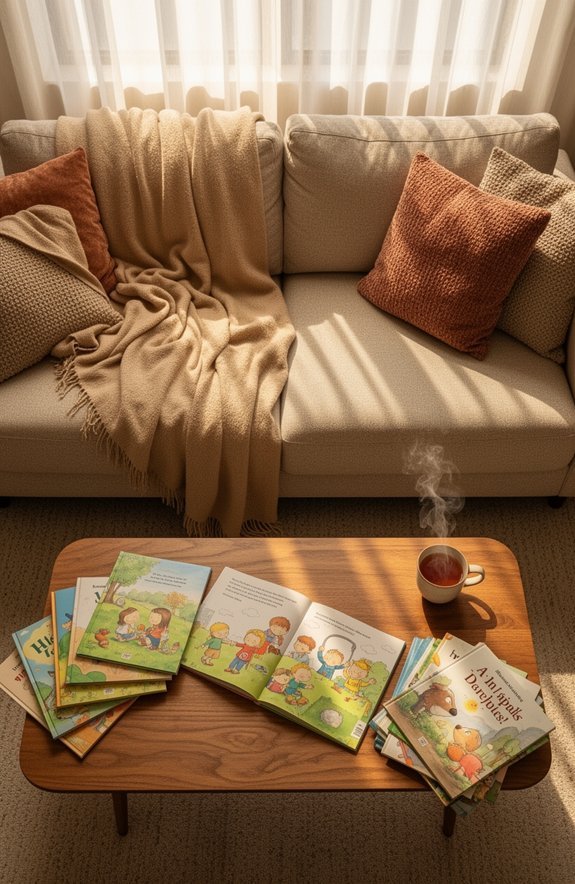
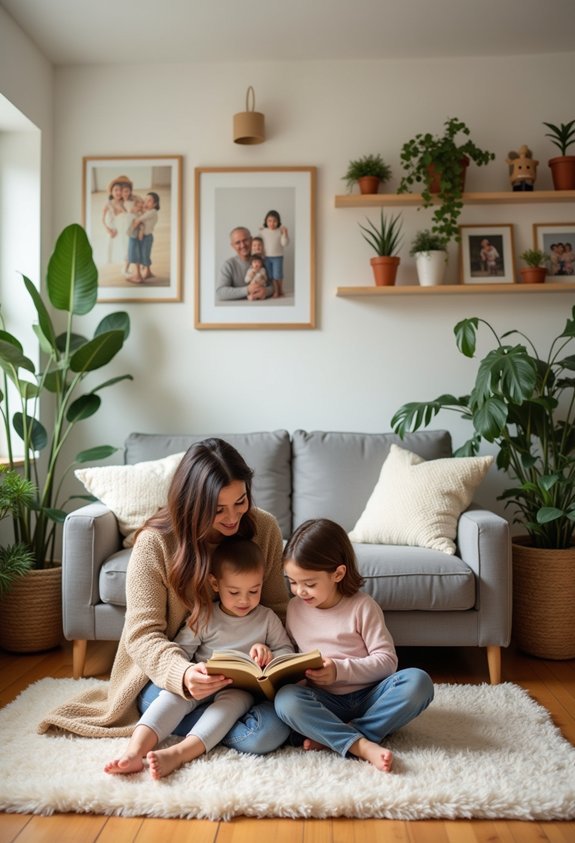
Minimalism actually asks you to keep what matters most and display it with intention. You create warmth in minimalism when you choose colors, textures, and meaningful objects that reflect your story. A clear shelf can hold a well-loved book, a candle, and a photo that reminds you why you’re living this way.
Minimalism is keeping what matters most and arranging it with warmth, story, and intention.
You’re not rejecting comfort; you’re rejecting distraction. As you strip away excess, you make space for connection, creativity, and rest.
That’s joyful simplicity: fewer visual demands, more room for what you value, and a home that quietly supports how you want to live every single day, intentionally.
You Must Live in a Tiny Home
Minimalism doesn’t require you to squeeze your entire life into a 200-square-foot tiny house on wheels.
You can love open space, a backyard, or a city apartment and still live minimally. A tiny house is one expression of alternative living, not the definition of a minimalist life.
Instead of focusing on square footage, ask how your home serves your values.
You practice minimalism whenever you remove what distracts and keep what matters.
Consider:
- Define the activities you want your home to support: rest, creativity, community.
- Edit belongings so every item earns its space, whether you’re in a studio or a farmhouse.
- Borrow tiny home benefits—multi-purpose furniture, thoughtful storage, lower costs—without shrinking your home.
Shape your space to reflect your deepest priorities.
It’s Only for Single, Young, or Wealthy People
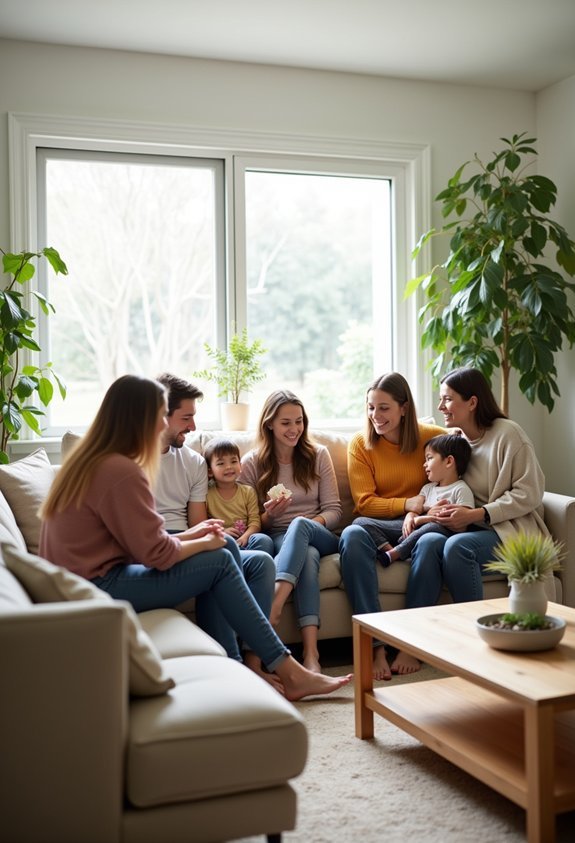
You don’t need a tiny house, and you also don’t need to be young, single, or rich to live with less.
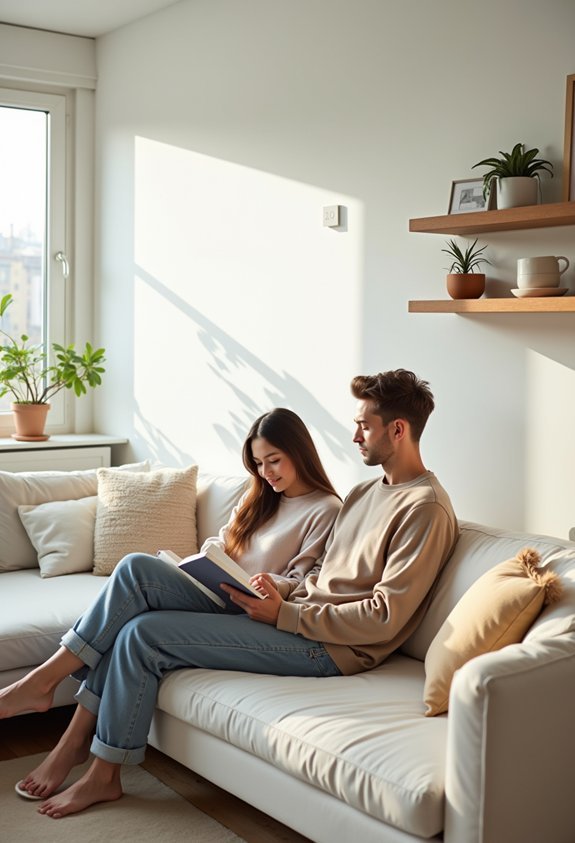
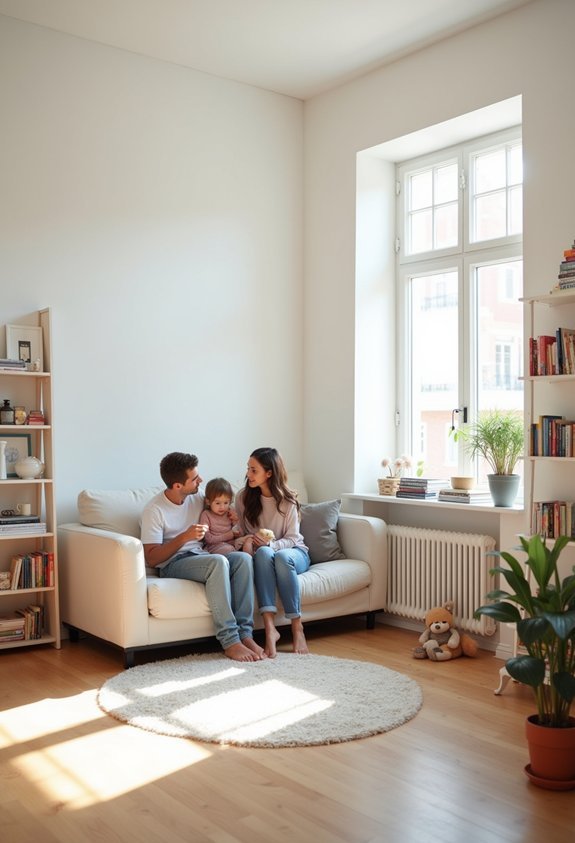
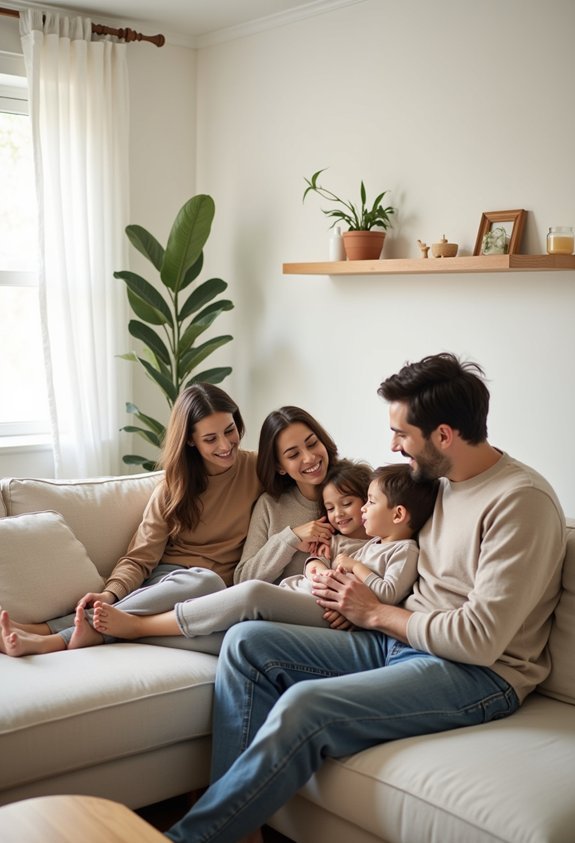
Minimalism adapts to diverse lifestyles: families with kids, multigenerational homes, roommates, and retirees. You focus on what matters, not on matching an aesthetic.
You can practice minimalism in a studio or a suburban house by questioning what you own and why. Instead of chasing status, you align spending with your values, which creates financial flexibility at any income level.
That might mean owning fewer clothes, simplifying kids’ toys, or saying no to upgrades you don’t truly need. When you define “enough” for yourself, minimalism becomes a tool, not a label—and it fits the life you actually live—today, tomorrow, and as circumstances change too.
Minimalists Can’t Be Sentimental
Despite what many people assume, being a minimalist doesn’t mean shutting off your emotions or tossing every keepsake in the trash. You’re choosing what truly matters, not erasing your history.
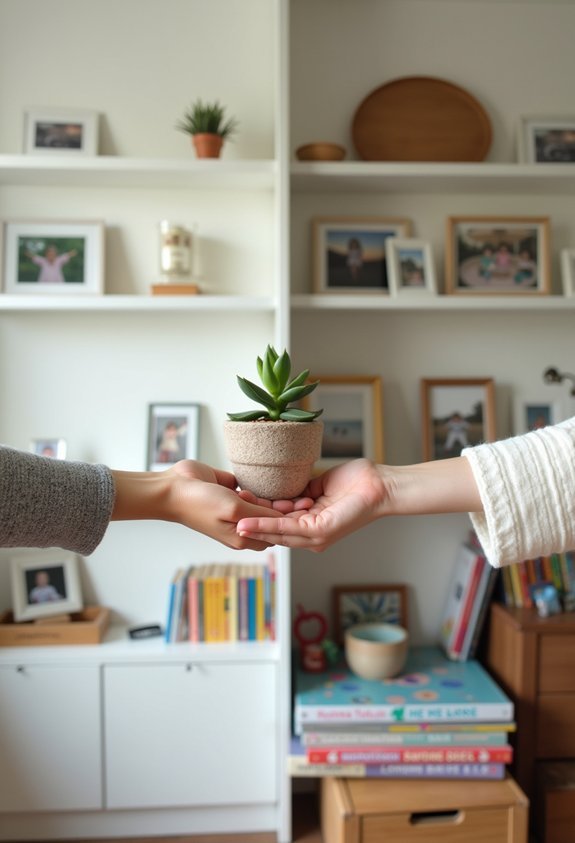
Minimalism asks you to honor sentimental value, not drown it in clutter.
A helpful approach is to:
- Select a limited space—a box or drawer—for items with deep emotional attachment.
- Capture memories digitally: photograph bulky objects, then keep one small piece that represents the story.
- Display a few meaningful items where you’ll actually see and appreciate them.
When you curate instead of accumulate, you give your memories room to breathe.
Your home reflects your values, and your most important relationships and stories stay front and center in your daily, present-focused life rhythm.
You Have to Get Everything “Perfect” Right Away
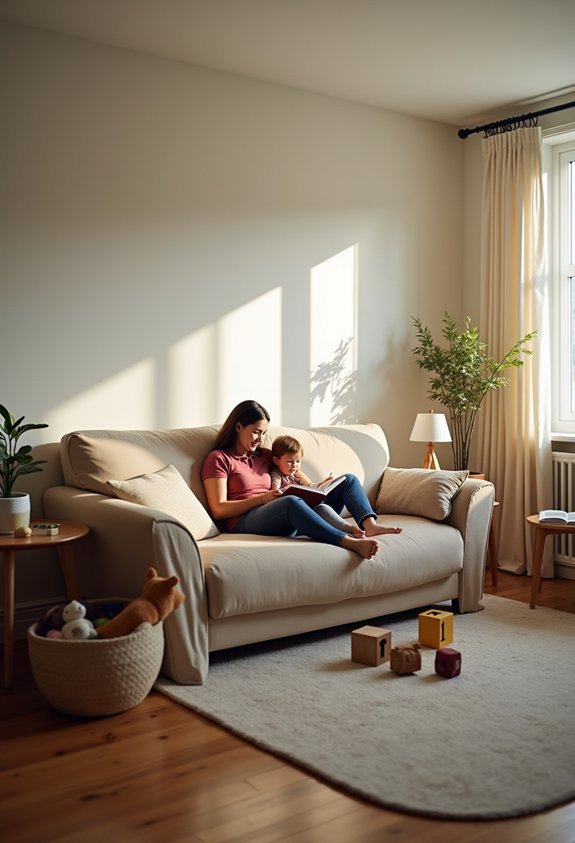
Instead of arriving in a spotless, magazine-ready home overnight, minimalist living unfolds through a series of small, imperfect choices that add up over time.
You don’t need matching containers, a capsule wardrobe by Friday, or a perfectly curated bookshelf. Focus on progress over perfection. Start with one drawer, one habit, one honest question about what adds value.
As you release what no longer serves you, let experiments teach you what you actually need. Some weeks you’ll declutter; other weeks you’ll simply pause before buying more.
This gradual transition builds skills, not just tidy corners. When your choices reflect your values, your space becomes calmer, whether or not every surface looks staged.
Trust that consistency, kindness to yourself, and time will shape a sustainable simplicity.
Minimalism Is Just a Trend or Social Media Fad
Although minimalist aesthetics surge and fade on social media, the heart of minimalism isn’t a trend at all—it’s a values-based way of living that predates Instagram by generations.
When you treat it like a passing craze, you let social media influence define what your home and life “should” look like, instead of asking what you actually need.
Minimalism lasts when you pursue minimalist authenticity, not performance. A simple way to test this is to ask why you want less.
If your reasons fit at least one of these, you’re on solid ground:
- You want more time, energy, and focus for what matters.
- You want financial and mental breathing room.
- You want your space to reflect your real priorities, not anyone else’s.
You Can’t Be a Parent and Live Minimally
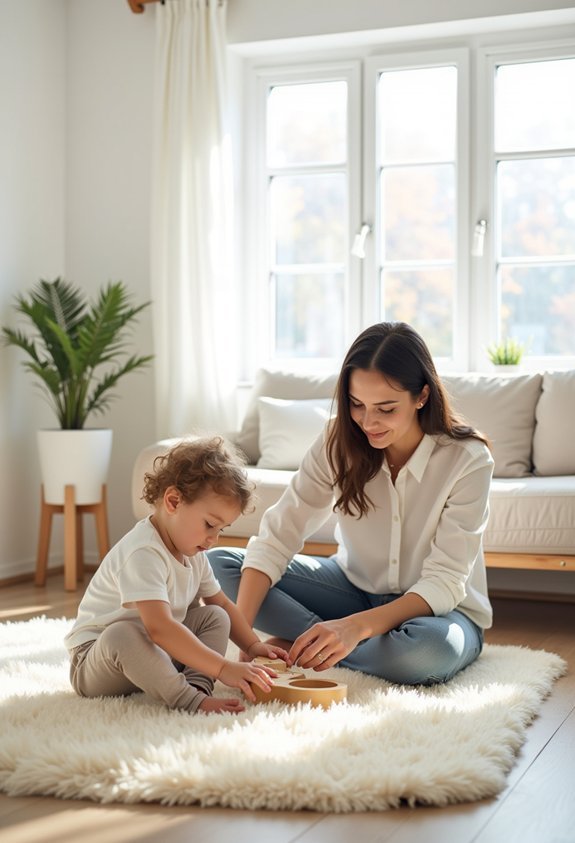
Parenthood often gets framed as the enemy of minimalism, as if kids automatically equal chaos, clutter, and overflowing toy bins. You know the script: more birthdays, more stuff, less space.
Parenthood isn’t the death of minimalism; it’s an invitation to choose what truly matters
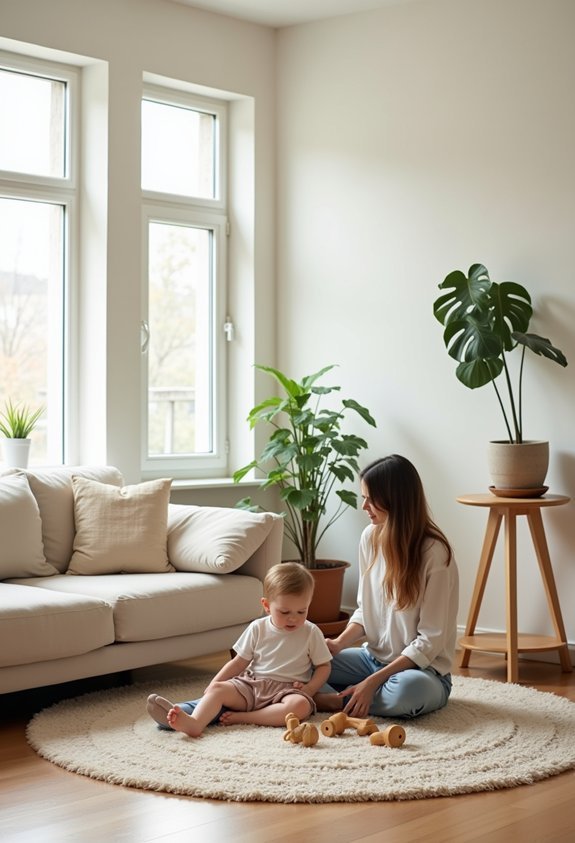
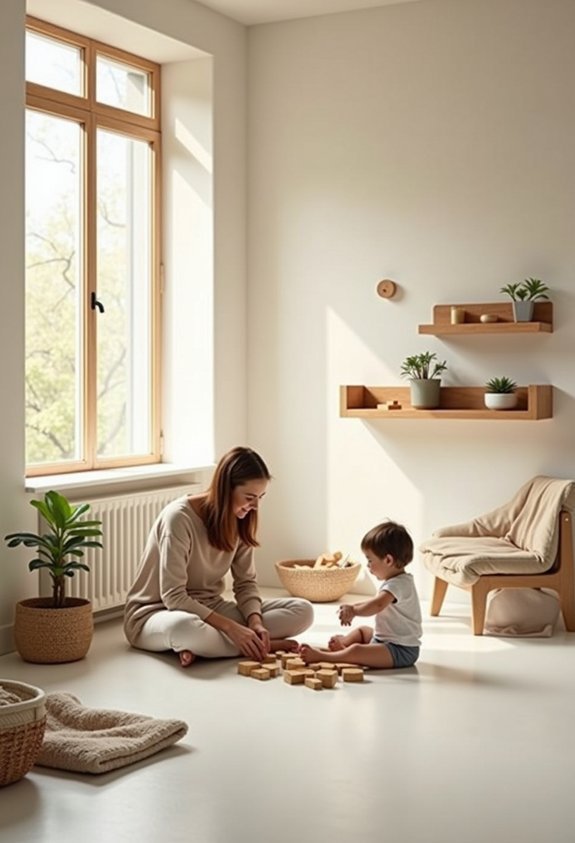
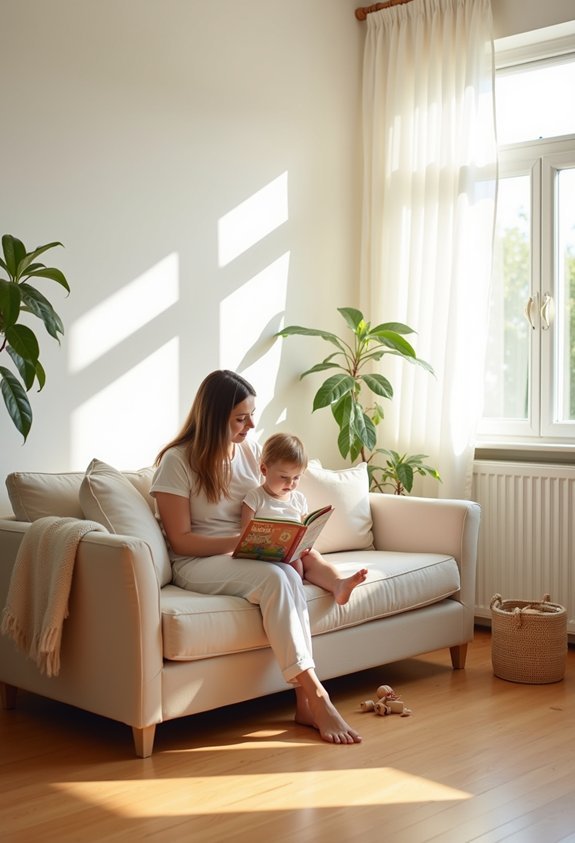
But minimalism with children isn’t about strict limits; it’s about intentional choices that protect your parenting balance and your energy. You decide what supports your family values, not advertisers or well‑meaning relatives.
You can start small: fewer toys with clear homes, shared family experiences instead of constant purchases, simple routines that everyone can follow.
Involve your kids in donating, borrowing, and caring for what they keep. When possessions stop crowding your home, you gain more attention for listening, playing, and resting together.
Minimalism becomes a family culture, not a rigid rulebook in everyday life.
You may also like:
Minimalism Solves All of Life’s Problems
Raising kids with fewer, well‑chosen possessions shows how powerful minimalism can be—but it also reveals its limits. You quickly notice practical benefits: calmer mornings, less cleaning, more room for connection.
Still, minimalism doesn’t fix money stress, relationship wounds, or anxiety on its own. It’s a tool, not a cure-all.
To use it wisely, you can:
- Clarify what you value most, then let possessions serve those values, not replace them.
- Pair decluttering with deeper work—budgeting, honest conversations, therapy, spiritual practices.
- Treat your home as a support system for your personal journey, adjusting stuff when your season of life changes.
When you see minimalism this way, you stop chasing perfection and start building a life that’s lighter, kinder, and more truthful for you.
Once You “Become” a Minimalist, You’re Done
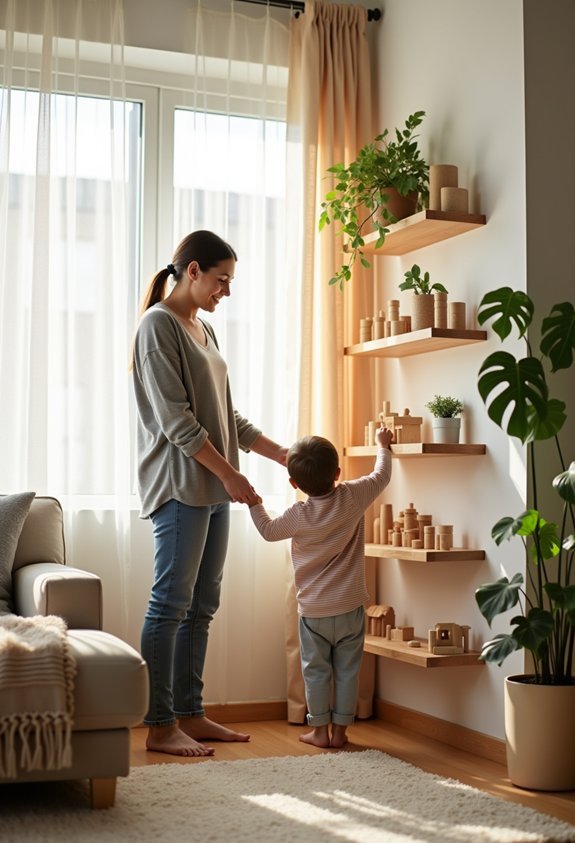
Once you’ve decluttered your home and adopted a “minimalist” label, it’s tempting to treat the journey like a project you can finally check off your list.
But minimalism isn’t a finish line; it’s an evolving mindset. Your priorities shift, relationships change, and new commitments appear. If you cling to a fixed idea of how a minimalist “should” live, you’ll feel guilty anytime life grows messy.
Instead, treat minimalism as a continuous journey of realignment. Regularly ask: Does this reflect what I value now? That question applies to your schedule, digital life, and even beliefs, not just your closet.
When you keep adjusting, minimalism supports growth instead of restricting it, helping you build a life that matches your deepest values today, tomorrow, and in transition.
Conclusion
Minimalism isn’t about shrinking your life; it’s about expanding what matters. Instead of rigid rules, you choose flexible boundaries. Instead of sterile rooms, you create spaces that actually feel like you. You keep the memories, lose the excess. You spend less on distractions, more on what aligns with your values. As myths fall away, you don’t become a different person—you become a truer version of yourself, living with clarity, purpose, and enough for you today.