19 Painless Ways to Save Money Every Single Day
You can save money every day without feeling deprived—start by switching to generic brands (they’re honestly just as good), packing lunch a few times a week, and implementing a 24-hour rule before impulse buys. Cancel those subscriptions you forgot about, lower your thermostat by two degrees, and fill up your gas tank on Tuesdays when prices dip. Stack cashback apps with store sales, embrace no-spend Wednesdays, and hit up free community events instead of expensive outings—these small shifts add up to thousands annually while your daily life stays pretty much the same.
Key Takeaways
- Switch to generic brands and check unit prices to save significantly on groceries without sacrificing quality.
- Pack lunch three days weekly instead of buying daily to save roughly $1,800 annually.
- Use the 24-hour rule before non-essential purchases to eliminate impulse buying and unnecessary spending.
- Lower your thermostat by two degrees to reduce heating costs by approximately 5% each month.
- Implement weekly no-spend days to save $20-50 per week, totaling $2,400 yearly in avoided expenses.
Switch to Generic Brands at the Grocery Store

When you’re strolling down the grocery aisle, those name-brand products are basically celebrities—flashy packaging, premium price tags, and honestly? They’re not always worth it.
Here’s the truth: store brand benefits include the exact same quality (sometimes from identical factories!) for way less money. We’re talking serious savings here.
Do a quick cost comparison next time you shop. That generic cereal? Tastes just like the fancy box but costs half as much. Same goes for pasta, canned goods, and most staples.
Your wallet will thank you—and you won’t even notice the difference.
Start small. Swap one or two items this week. Before you know it, you’ll wonder why you ever paid extra for a prettier label.
To maximize your savings, check the unit prices on shelf tags to confirm you’re getting the best deal per ounce or pound.
Unsubscribe From Retail Email Lists
Those promotional emails hitting your inbox? They’re designed to make you spend money—and honestly, they’re really good at their job.
Here’s the thing: email fatigue and promotional overload are real problems. When you see “40% OFF TODAY ONLY!” fifteen times a week, your brain starts thinking you’re missing out if you don’t buy something.
But you’re not missing out. You’re just being manipulated.
Unsubscribe from those retail lists, and watch your impulse purchases drop dramatically. No more midnight shopping sprees because Target sent you a coupon (we’ve all been there).
No more “just browsing” that turns into a $200 cart.
The unsubscribe button is literally at the bottom of every promotional email. Use it liberally.
These constant promotional messages force your brain to make countless micro-decisions throughout the day, leading to emotional fatigue that extends far beyond your inbox.
Your wallet—and your sanity—will thank you.
Make Coffee at Home During the Week

If you’re dropping $6 on a latte every morning before work, that’s $30 a week—or roughly $1,560 a year (yes, really).
Making coffee at home doesn’t mean suffering through sad, watery brew while your coworkers sip their fancy drinks. With basic coffee brewing techniques—like using the right water temperature or trying a French press—you’ll actually enjoy what you’re making.
Your daily coffee savings add up fast. That $1,560 could cover a vacation, pay off debt, or pad your emergency fund.
Start small. Make coffee at home Monday through Friday, then treat yourself on weekends. You’ll still get your café fix without the guilt—or the financial hangover.
Restaurant meals carry 200-300% markups compared to what you’d spend making the same food at home, and café drinks follow the same pattern.
Plus, you can drink it in your pajamas. That’s honestly priceless.
Use the 24-Hour Rule Before Making Non-Essential Purchases
Before you click “buy now” on that thing you suddenly need, try waiting just one day. This simple trick—seriously, it’s almost too easy—helps you build impulse control without feeling deprived.
Here’s what happens: you see those shoes, that gadget, whatever’s calling your name, and you bookmark it instead of buying it.
Twenty-four hours later, you’ll either realize you don’t actually want it (happens more than you’d think), or you’ll buy it knowing it’s a genuine choice, not just your brain’s shopping excitement talking.
Waiting one day separates real wants from impulse buys—your future self will know the difference.
This pause builds real financial discipline. No willpower required, just a tiny delay.
The waiting period lets your rational brain catch up to the emotional impulse that first made you want to buy.
And honestly? Half the time you’ll forget about it entirely, which tells you everything you need to know.
Cancel Unused Subscription Services

Streaming services, gym memberships, app subscriptions—they’re like houseguests who quietly moved in and never left, except these ones charge rent.
Take thirty minutes this week to audit your bank statements and hunt down those sneaky recurring charges you’ve forgotten about.
You’ll probably discover you’re paying for three streaming platforms when you only watch one, or that meditation app you used twice in January.
This is subscription fatigue in action—and it’s costing you real money.
Canceling what you don’t use isn’t deprivation. It’s financial awareness.
Most services make canceling surprisingly easy (they just hope you won’t bother).
You can always resubscribe later if you genuinely miss something.
But you probably won’t.
Subscription models are designed with behavioral design that keeps you on autopilot, making it easy to forget what you’re paying for until you actively break the cycle.
Meal Prep on Sundays to Avoid Takeout
When Monday hits and you’re too tired to cook, that’s when the takeout apps start whispering sweet nothings—and your wallet starts bleeding.
But here’s the thing: spending just two hours on Sunday changes everything.
The meal planning benefits are real—you’ll save money, eat healthier, and actually have time to binge-watch your shows guilt-free during the week.
Start simple with batch cooking tips that work: make a big pot of chili, roast a bunch of chicken thighs, chop vegetables like you’re on a cooking show (minus the knife skills).
Portion everything into containers, and boom—you’ve got lunch and dinner sorted.
No more sad desk salads or $15 burritos.
Try repeating 2–3 dinners weekly so you can buy fewer total ingredients and cut down on both prep time and grocery costs.
Your future self will thank you.
Set Up Automatic Transfers to Your Savings Account
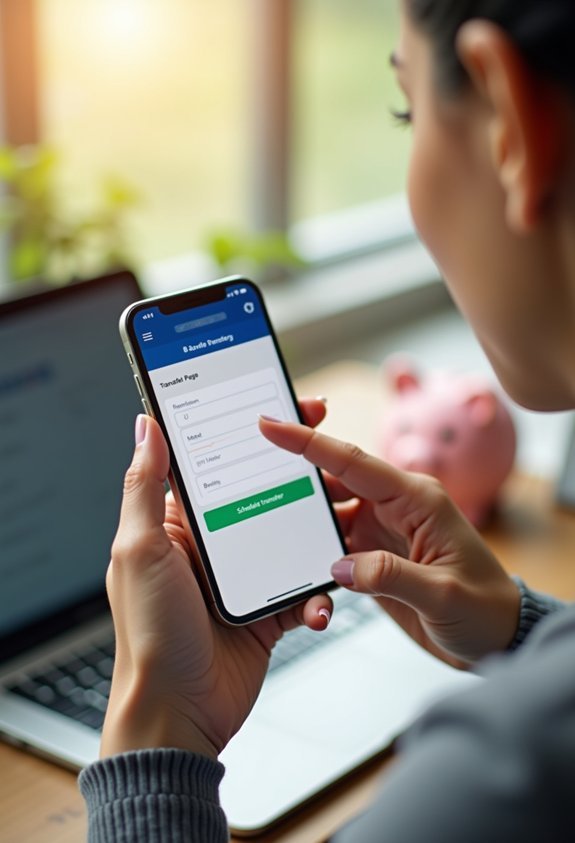
Just like you’re not thinking about dinner when those Sunday meal prep containers are stacked in your fridge, you shouldn’t have to think about saving money either.
That’s where automatic savings swoops in like your financial superhero.
Set it up once, and you’re done. Your bank transfers money—maybe $25, maybe $100—straight from checking to savings before you can accidentally spend it on another pair of shoes you definitely don’t need (but they were on sale!).
Automate your savings once and watch money move to your future self before your spending impulses kick in.
The beauty? You’ll barely notice it’s gone.
It’s like paying a bill to your future self, and honestly, that person will thank you.
Whether you’re building an emergency fund or crushing other financial goals, automation removes the temptation.
Consider opening a high-yield savings account specifically labeled for emergencies so your money grows faster while staying separate from everyday spending.
No willpower required. Just results.
Use Cashback Apps for Purchases You’re Already Making
Picture this: you’re buying groceries, filling up gas, ordering that coffee you swore you’d skip today—and getting paid for it.
That’s what cashback apps do—they’re basically free money for smart shopping you’d do anyway.
Here’s how to make it work:
- Download popular cashback apps like Ibotta, Rakuten, or Fetch Rewards (they’re free!)
- Scan receipts after shopping—takes literally 30 seconds
- Stack deals with store sales for double savings
- Link your credit card for automatic cashback on online purchases
- Cash out regularly once you hit minimum thresholds
No extreme couponing required.
You’re not changing your lifestyle—you’re just getting paid for living it.
Think of cashback apps as your personal rebate assistant, working quietly in the background while you do your thing.
While you’re scanning those receipts, you can also review your subscription management to identify any unused services that might be draining your wallet.
Buy Gas on Mondays or Tuesdays

Everyone knows gas prices have a mind of their own—but here’s a secret they don’t advertise at the pump: timing actually matters.
Studies show gas price trends typically spike on weekends when everyone’s out running errands or road-tripping.
Monday and Tuesday? That’s when stations lower prices to stay competitive.
Fill up early in the week and you’ll save a few bucks each time—which adds up to real money over a year.
Small savings per fill-up multiply into significant annual gains—proof that strategic timing beats convenience every time.
And here’s the kicker: stack this strategy with fuel rewards programs from grocery stores or credit cards.
You’re already buying gas anyway, so why not save 10-30 cents per gallon just by being strategic?
It’s painless, it’s easy, and honestly—your wallet will thank you every single Monday morning.
Pack Your Lunch Three Days a Week
It’s bleeding your bank account dry—and you probably don’t even realize how much. That daily $12 lunch adds up to roughly $3,000 a year (yeah, we did the math—ouch).
But here’s the thing: you don’t need to pack lunch every single day to see real savings. Just three days a week makes a massive difference.
Here’s how to make it work:
- Browse simple lunch recipes on Sunday and prep ingredients
- Pack leftovers from dinner—it’s basically free lunch
- Create meal variety by rotating between wraps, salads, and grain bowls
- Invest in a decent lunch container that doesn’t leak everywhere
- Keep backup snacks at work for those “forgot my lunch” days
Start small, celebrate the wins, and watch your savings grow. If you redirect these savings into an emergency fund, you could build a $500 cushion in just a few months—creating a real financial buffer against unexpected expenses.
Lower Your Thermostat by Two Degrees

When winter hits and your heating bill shows up like an unwelcome houseguest, you might feel tempted to just suffer through the cold—but there’s a smarter middle ground.
Lower your thermostat by just two degrees.
Seriously—you probably won’t even notice the difference, especially if you’re wearing socks (which you should be anyway, because cold feet are the worst). This simple adjustment is one of those energy efficiency tips that actually works without making you miserable.
Most thermostat settings hover around 72°F, but dropping to 70°F can slash your heating costs by roughly 5%. That’s real money back in your pocket every single month.
Throw on a cozy sweater, grab your favorite blanket, and let your heating system take a breather.
Your wallet will thank you—and you’ll still be perfectly comfortable.
By reducing just one fixed expense like heating, you’re lowering the minimum income you need each month, which decreases financial stress and gives you more flexibility in your career choices.
Use the Library Instead of Buying Books
Book lovers everywhere face the same painful dilemma: your reading list keeps growing, but your bank account definitely doesn’t.
Here’s your solution—the library. It’s free, it’s amazing, and honestly, you’re already paying for it through taxes anyway.
Modern libraries offer way more than dusty shelves:
- Free e-books and audiobooks you can download instantly (no late fees!)
- Library events like author talks and workshops that’d cost serious money elsewhere
- Book clubs where you’ll meet fellow readers and actually finish that novel
- Interlibrary loans that get you nearly any book imaginable
- New releases available sooner than you’d think
You’ll save hundreds—maybe thousands—annually.
Plus, you won’t need more bookshelves.
Win-win.
Negotiate Your Cell Phone and Internet Bills Annually

Your phone and internet companies are banking on your laziness—literally. They know most people never call to ask for better deals, so they just keep charging you the same (or more) every year.
Set a calendar reminder to review your bills annually—it’s one of the easiest bill negotiation strategies out there. Call and say you’re considering switching providers. They’ll often slash your rate immediately to keep you.
During annual plan reviews, ask about promotions for “new” customers. Why should they get better deals than you?
Here’s the thing: a 20-minute phone call can save you $300-500 yearly. That’s basically paying yourself $900-1,500 per hour.
Your future self will thank you.
Shop Your Pantry Before Going to the Grocery Store
Before you add “groceries” to your to-do list, take five minutes to actually look at what’s already hiding in your pantry, fridge, and freezer.
You’d be surprised what you’ll find back there—probably enough ingredients to create at least two or three meals. A quick pantry inventory saves you from buying duplicates (hello, fourth jar of pasta sauce) and helps with meal planning for the week ahead.
Here’s how to make it work:
- Check expiration dates first and move older items to the front
- Snap a quick phone photo of your shelves before shopping
- Build meals around what you already have instead of starting from scratch
- Keep a running list on your fridge of pantry staples you’re actually running low on
- Challenge yourself to a “pantry cleanout week” once a month
You’ll waste less food *and* money.
Use Reusable Water Bottles and Coffee Cups

That $5 daily latte might seem small, but multiply it by 365 days and you’re looking at $1,825 a year—just on coffee.
Here’s the thing: investing in a good reusable water bottle and insulated coffee cup pays for itself in weeks, not months.
You’ll save money *and* develop eco friendly habits that actually make a difference. Win-win.
Most coffee shops offer discounts when you bring your own cup (usually 10-25 cents off).
Plus, the hydration benefits of carrying water everywhere? Your skin, energy levels, and wallet will thank you.
Look, I get it—remembering to bring your cup feels impossible at first.
But once it becomes routine (usually takes about two weeks), you’ll feel weird *without* it.
Your bank account will definitely notice the difference.
Take Advantage of Free Community Events for Entertainment
When most people think about entertainment, they automatically picture expensive concert tickets, movie theaters, or pricey dinner reservations.
But here’s the thing—your community is practically bursting with free stuff to do if you know where to look.
Check out these amazing (and totally free) options:
- Local festivals celebrating food, art, or seasonal events
- Free concerts in parks during summer months
- Community workshops teaching everything from cooking to photography
- Library events like author readings, book clubs, and kids’ activities
- Outdoor movie nights hosted by neighborhood groups
You’ll save hundreds of dollars yearly while actually connecting with real people in your area.
Plus, you might discover a new hobby or make friends—which beats scrolling through streaming services alone on your couch.
DIY Simple Home and Car Maintenance Tasks
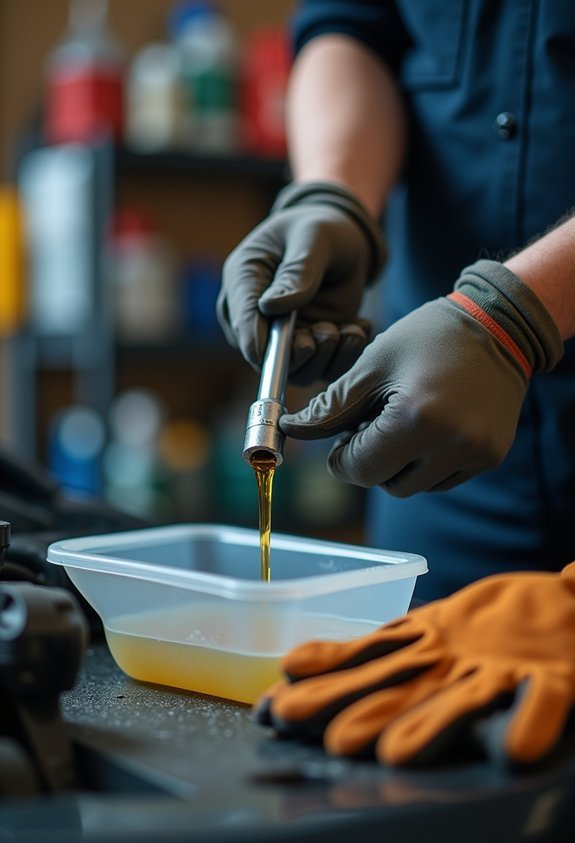
Although hiring professionals seems easier, you’re literally flushing money down the drain every time you pay someone $100 to do something you could learn on YouTube in fifteen minutes.
Basic car maintenance tips—like changing air filters, replacing wiper blades, or checking your oil—can save you hundreds annually. These tasks take maybe twenty minutes, and you’ll feel ridiculously accomplished afterward.
Home repair hacks are equally game-changing. Unclogging drains, fixing leaky faucets, patching drywall holes—all surprisingly simple once you watch a tutorial or two.
Sure, you might mess up your first attempt (we all do), but even buying the tool and trying twice costs less than one service call.
Start small. Build confidence.
Your wallet will thank you, and honestly? There’s something deeply satisfying about fixing stuff yourself.
Buy Seasonal Produce When It’s Cheapest
Just like you’re saving money by fixing things yourself, you can apply that same smart-shopper energy to your grocery trips—specifically, the produce section.
Here’s the thing: strawberries in December cost a fortune because they’re shipped from halfway across the planet. But in June? They’re practically giving them away.
Smart ways to buy seasonal produce:
- Check what local farmers are harvesting—their prices beat supermarkets every time
- Learn what’s in season each month (hello, fall squash and summer tomatoes!)
- Buy extra when prices drop and freeze portions for later
- Search for seasonal recipes that match what’s cheap right now
- Visit farmers markets near closing time for bonus deals
Your wallet will thank you, and honestly, seasonal produce tastes way better anyway.
Implement No-Spend Days Once a Week
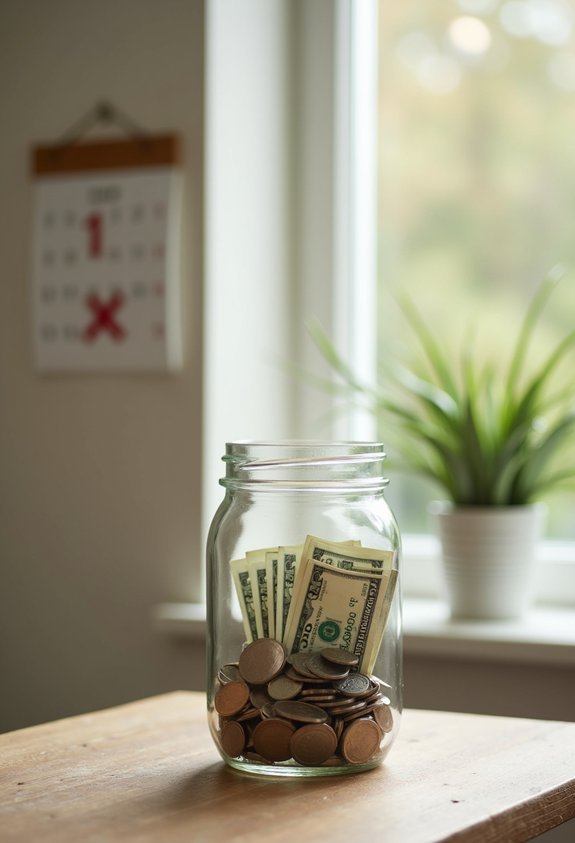
One day each week without spending a single dollar—sounds impossible, right?
But hear me out—no spend challenges are actually one of the most effective budgeting techniques you’ll ever try.
Pick a day (Wednesdays work great) and commit to zero purchases. None. Nada.
You’ll pack lunch, skip the coffee run, and—gasp—actually use that streaming service you’re already paying for instead of renting another movie.
The magic happens when you realize how much mindless spending sneaks into your day.
That $4 energy drink, the “quick” Target trip that becomes $60, those app purchases you barely remember making.
You may also like:





One no-spend day saves $20-50 weekly.
That’s potentially $2,400 yearly—just by hitting pause once a week.
Pretty painless for serious savings.
In case you were wondering
How Do I Stay Motivated to Save Money Long-Term?
You’ll stay motivated by setting specific savings goals and tracking your progress. Create visual reminders like charts or vision boards showing what you’re saving for. Celebrate small milestones along the way to maintain your enthusiasm and commitment.
What Percentage of My Income Should I Save Each Month?
You should aim for a 20% savings percentage as your baseline income allocation. Start with at least 10% if you’re beginning, then gradually increase. This proven formula helps you build wealth while maintaining comfortable daily expenses.
How Do I Handle Social Pressure to Spend Money?
you’ll resist peer influence by being honest about your budgeting strategies upfront. Tell friends you’re saving toward goals, suggest free alternatives, and remember—true friends won’t pressure you to overspend.
Should I Focus on Saving or Paying off Debt First?
You’ll want to prioritize high-interest debt first while maintaining a small emergency fund. This debt management approach prevents costly interest charges. Once you’ve tackled expensive debt, shift focus toward building your savings balance for long-term financial security.
How Can I Teach My Children About Saving Money?
You can teach your children about saving money by giving them regular allowances to manage independently. Create fun challenges like matching their savings or setting goals for toys they want, making financial lessons engaging and practical.
Conclusion
You don’t need a complete financial overhaul to start building serious wealth—just a few smart tweaks here and there. These simple strategies won’t make you feel deprived (because who wants that?), but they’ll add up faster than you think. Start with two or three that feel easiest, then add more as they become habits. Before you know it, you’ll be saving money without even thinking about it.