17 Questions to Ask Before Bringing Anything Home
Many people claim that asking a few key questions before buying anything can completely change how your home feels—does that actually hold up in real life? When you pause to consider where something will live, how often you’ll use it, and whether it solves a real problem or a passing feeling, your choices look very different. If you’re willing to challenge your automatic yes, 17 targeted questions can quietly reset your entire approach to what you bring home next.
Where Will This Live in My Home?

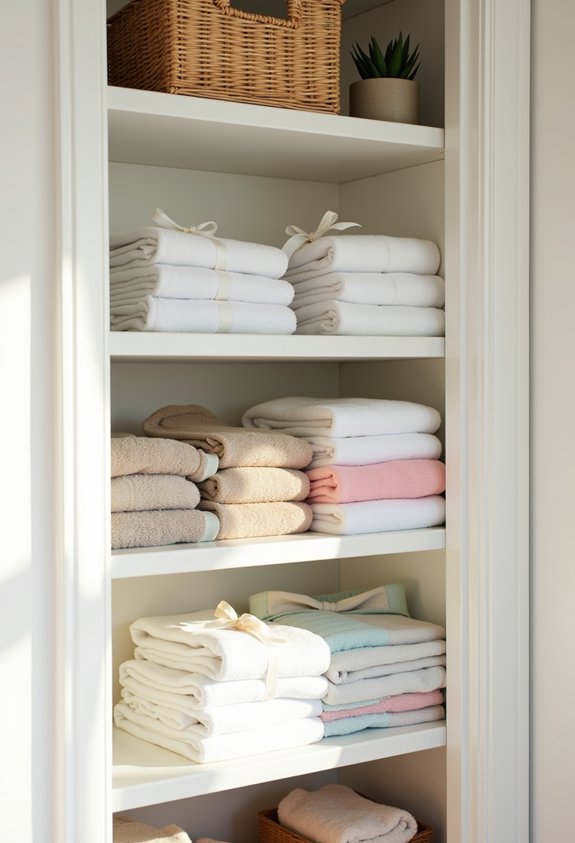
Before you bring something new through the door, decide exactly where it will live in your home. Picture the specific shelf, drawer, or zone. If you can’t name a spot in ten seconds, pause.
Clarify your space allocation: which category does this item belong to, and what container or boundary will define its limits? Check that the chosen location is easy to access and easy to return things to; if it’s awkward, you won’t maintain it.
Ask yourself what must move or leave so this object fits cleanly. Then assign a label, mentally or physically.
Do I Already Own Something That Does the Same Job?
How often do you pause to ask whether you already own something that can do this job? Before buying, scan your home mentally, then physically.
List what you own that serves a similar purpose. Perform a quick item comparison: features, quality, compatibility, and storage needs. Ask, “Can I repurpose or combine tools to cover this role?” Often, duplicate functionality hides in gadgets you rarely notice.
Check closets, kitchen drawers, apps, and digital subscriptions. Many purchases merely upgrade appearance, not capability.
Challenge every “better version” impulse. If an existing item works safely and reliably, treat the urge to replace it as optional, not automatic.
How Often Will I Realistically Use This?
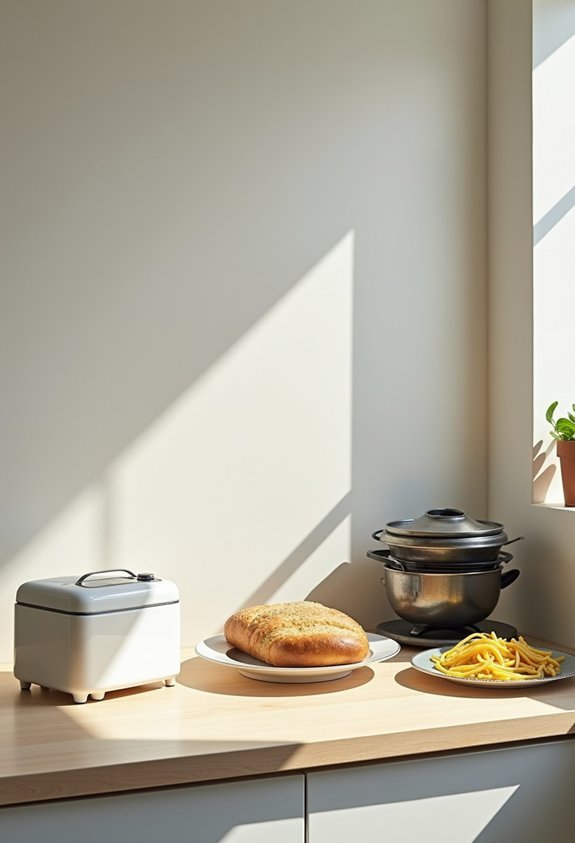
Instead of trusting the excitement of the moment, zoom out and ask when this thing will actually be in your hands, not just in your home.
Start by estimating its usage frequency: daily, weekly, monthly, or “special occasion.” For each category, name specific situations when you’ll reach for it. If you can’t list at least three concrete uses in the next month, pause.
Compare the time you’ll spend using it with the space, money, and maintenance it demands. Set realistic expectations by asking, “In a normal week, where would this fit into my routine?”
Visualize your schedule and available energy, not an idealized version of yourself. If it mostly lives in a closet, leave it in the store for someone with your current lifestyle.
Am I Buying This to Solve a Real Problem or an Emotion?
When you feel an urge to buy, pause and ask: “What problem am I actually trying to solve?”
Separate concrete issues from vague emotions by naming them clearly.
Say it out loud: “I’m bored,” “I’m stressed,” or “My back hurts at my desk.” Only the last one points to problem-solving purchases.
For each item, write the specific problem it fixes, then check if you could solve it with what you already own, a free option, or a habit change.
Notice patterns of emotional spending: buying to self-soothe, procrastinate, or feel productive.
When you catch that, stop the transaction, set a 24-hour delay, and revisit the problem later.
If no real problem remains, you don’t need to bring anything home from that particular shopping impulse.
Does This Fit My Current Lifestyle, Not an Imagined One?
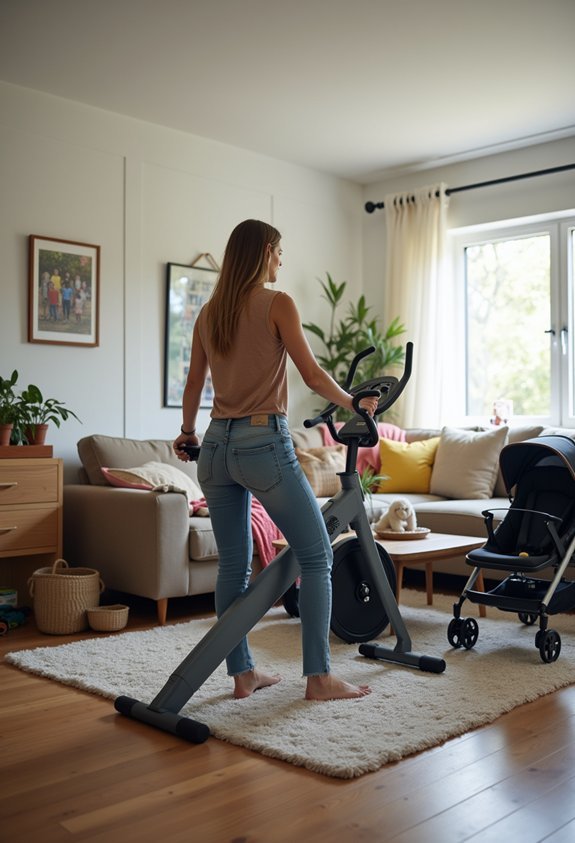
You’ve named the real problem; now you need to ask whether the solution actually fits the life you’re living today.
Start with lifestyle alignment: how do you really spend your time, space, and energy right now? If you work long hours, will you honestly use this item, maintain it, and store it?
Buy for the life you actually live, not the schedule you wish you had
Map the item to practical needs. Where will it live? How often will you use it this week, not in a fantasy version of your routine? What’ll it replace or make easier today?
If it adds tasks—washing, charging, organizing—can your current schedule absorb that? Compare the item’s demands with your actual habits. If they clash, you’re buying for an imagined self, not the life you already manage every day, in practice.
Will This Still Matter to Me Six Months From Now?
Before you commit, project yourself six months ahead and test the item against your future self, not just your current mood.
Ask, “What specific problem will this still solve for me then?” If you can’t name one clear use or benefit, pause.
Consider its future relevance: will an upcoming season, project, or routine actually require it, or are you chasing a brief impulse?
Next, separate excitement from emotional attachment. Are you buying a story, a fantasy identity, or a memory you already own in another form?
Imagine decluttering six months from now. Would you confidently keep this, or feel relieved to let it go?
If future-you feels indifferent, respect that signal and leave the item behind. Save your space and money for clearer priorities.
What Is the True Cost to Maintain, Store, and Use This?

How often do you pause to calculate what an item will really demand from you after it’s in your home?
Start by listing every expense beyond the price tag: maintenance costs, supplies, repairs, cleaning products, subscriptions, and energy use. Estimate monthly and yearly totals.
Next, ask where it will live. If you need new storage solutions, factor in shelves, bins, or furniture you’d buy, plus the space you’ll permanently give up.
Then consider time. How many minutes per week will you spend assembling, cleaning, organizing, and troubleshooting it? Multiply that by your hourly rate to see the hidden labor cost.
Finally, compare this full cost to the actual value the item will add to your daily life. If it’s not worth it, walk away.
Is This High-Quality Enough to Last?
Once you’ve figured out the true cost of owning something, the next step is to decide whether it’s built to justify that cost over time. You do that by examining durability factors, not just appearance or brand claims.
Look closely and test what you can before you commit.
- Check material quality: solid wood vs. veneer, heavy-gauge metal vs. thin plating, tightly woven fabric vs. flimsy blends.
- Inspect construction: seams, joints, screws, finishes, and how securely moving parts attach.
- Simulate real use: open, close, lift, zip, stack, and wipe to see how it behaves under stress.
- Look for maintenance info, repair options, and realistic lifespans so you’re not replacing it again next year.
Choose the item that feels sturdy and ages gracefully, not instantly disposable.
Does This Align With My Values and Priorities?

Why bring something home if it quietly clashes with what you say matters most? Before you buy, pause for a quick value alignment check. Ask, “What do I stand for, and does this reflect that?”
If you prize sustainability, will you actually use this long-term? If you value creativity, does it support meaningful projects, or just distract you?
Next, run a priority assessment. List your top three life priorities—maybe health, relationships, financial stability—and test the item against each one.
Does it support, ignore, or undermine them? If it doesn’t clearly support at least one, don’t take it home.
Let your values and priorities act as a practical filter, not an abstract ideal. When in doubt, wait, review your list, and decide deliberately tomorrow instead.
Am I Willing to Let Go of Something Else to Make Space?
Instead of asking where you’ll put something new, ask what you’re prepared to release to make room for it.
This shifts you from storing more to choosing better. Before you buy, link every potential item to a concrete trade-off. If you can’t name what goes out, don’t let anything in.
Consider:
- Open one cabinet: what can you donate, recycle, or trash to create visible space?
- For every book or gadget, which duplicate or outdated item will you remove today?
- When something enters your closet, which worn, unfitting, or unloved piece leaves with it?
- What storage bin, box, or drawer could be emptied entirely instead of reorganized?
This question trains practical space management and a disciplined decluttering mindset in your home.
Is This the Best Version of What I Need or Just the Most Convenient?

How often do you grab the item that’s easiest to buy, not the one that best fits your real needs?
Before you bring something home, pause. Define the job this item must do. Then list the minimum features required, not just nice-to-haves.
Compare options against that list, not against each other’s price tags alone. Ask yourself: am I choosing quality versus convenience?
Will this last, function well, and stay useful, or just solve today’s problem badly? Look at materials, repairability, warranties, and total cost of ownership.
Estimate how many uses you’ll realistically get. Divide the price by that number. If the cost per use feels unfair, wait.
Choose the version that offers true long term value, not instant relief for both you and home.
Would I Still Want This If No One Else Ever Saw It?
Often, the simplest way to cut through impulse is to ask: would I still want this if no one ever knew I owned it? This question shifts your focus from display to personal satisfaction. You’re testing for intrinsic value, not applause.
Want clarity fast? Ask if you’d want it without witnesses, status, or applause.
Picture a quiet room where only you interact with the item. Ask:
- Does this solve a real problem I feel every week?
- Will I still reach for this after the initial excitement fades?
- Would I pay the same amount if it lived in a drawer, unseen?
- If I lost it tomorrow, would I actively miss it?
Answer honestly. If your enthusiasm drops when the audience disappears, you’ve learned the item serves ego more than your actual life each day.
Am I Being Influenced by Sales, Trends, or Pressure?

Rarely do you pick something up in a store or click “add to cart” without outside influence nudging you.
Before you buy, pause and name it: is this sales pressure, trend influence, or genuine need?
Notice time limits, scarcity language, and upsells; they’re designed to rush you. If a discount disappeared, would you still want the item?
Next, separate trends from your true preferences. Ask, “Would I choose this color, style, or brand if it weren’t popular right now?”
Review who benefits if you say yes—yourself, or a company’s quarterly goals.
Finally, build a rule: when you feel hyped, wait 24 hours, re-check your budget, and decide in a calm, well-lit moment, not under a spotlight.
Give yourself permission to walk away, completely guilt-free.
Can I Borrow, Rent, or Buy It Secondhand Instead?
Before you commit to buying, pause and ask if you actually need to own this thing at all. Walk through your real options: borrow, rent, or buy used. Each path keeps clutter down and money in your pocket.
- Borrow: Test how often you’ll use it by asking a friend, neighbor, or library-of-things before spending.
- Rent: Compare costs and convenience in a quick borrow vs rent search; choose renting when ownership adds storage or maintenance headaches.
- Buy secondhand: Look for quality used versions first; secondhand benefits include lower prices, less packaging, and reduced environmental impact.
- Delay: Give yourself 24 hours; if you can’t easily borrow, rent, or find it secondhand, you’ll know it truly matters.
Document what you chose and how it felt; use that record to guide decisions.
Is This Safe and Appropriate for Everyone in My Household?

How will this item actually interact with the people, pets, and routines in your home? Start with basic household safety. Could it choke, shock, burn, poison, or trip someone? Check labels, age recommendations, warnings, and recalls.
If it plugs in, confirm it’s certified and won’t overload outlets. If it’s chemical, confirm you can store it locked, high, or separated from food.
Next, test for family appropriateness. Does it match your household’s values, rules, and limits on screens, noise, or mess? Consider each person: allergies, sensory needs, disabilities, phobias, or past trauma.
Ask whether pets could chew, swallow, or be stressed by it. Finally, picture real-life use: who’ll reach it, misuse it, or copy it—and adjust or skip accordingly. Err on the side of caution.
Have I Waited at Least 24 Hours Before Deciding?
When you feel that familiar rush to click “buy,” treat a 24-hour pause as part of the purchase, not an obstacle to it. This waiting period slows your decision making process so impulse doesn’t masquerade as need.
During those 24 hours, don’t research more versions; just observe what happens when you step back:
You may also like:



- Notice your emotional attachment: does the desire fade, stay steady, or grow sharper?
- Watch your day: do you actually miss the item when you go about normal tasks?
- Check your body: are you tense, agitated, or calm when you think about not owning it?
- Revisit your priorities: does this still align with current projects, space, and budget?
Afterward, decide deliberately, not reactively, with a clear, settled mind.
Will Bringing This Home Move My Life Closer to or Further From Calm?

Instead of asking only “Do I like this?” start asking “Does this lead me toward or away from calm?”
Choose what brings you closer to calm, not just what briefly sparks want
Every object you bring home doesn’t just take up space; it adds visual noise, mental decisions, and future maintenance.
Before buying, picture the item in your home. Does it simplify a routine, or create more to clean, store, and track?
Ask: Where will it live? What’ll it replace? How often will I use it? If you can’t name a clear role, it likely pulls you away from a calm environment.
Practice mindful consumption: buy fewer, better things that serve defined purposes.
Let your desire for mental clarity override impulse. When in doubt, leave it and protect your peace.
Your future self will thank you.
Conclusion
When you pause and probe with these questions, you protect your space, schedule, and sanity. You choose with clarity, not clutter; with purpose, not impulse. You turn chaotic collecting into careful curating. Each time you evaluate where it lives, how you’ll use it, and why you want it, you build a calmer, cleaner, more coherent home. Start today: slow down, scrutinize, and select only what truly serves you—and let everything else stay on the shelf.