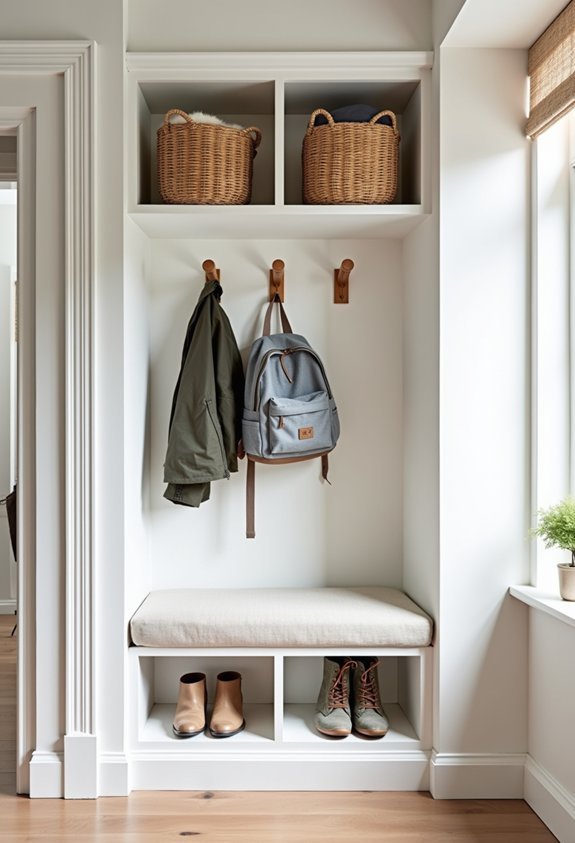
13 Signs You’ve Successfully Decluttered Your Home
Like a seasoned editor trimming a manuscript, you know your home’s truly decluttered when every item earns its place and nothing slows you down. You clean faster, surfaces stay clear, and you can find what you need in under a minute. If you’re unsure whether you’ve reached that point, a few specific signs will tell you exactly where you stand—and what to adjust next.
You Can Clean Your Home in Less Time
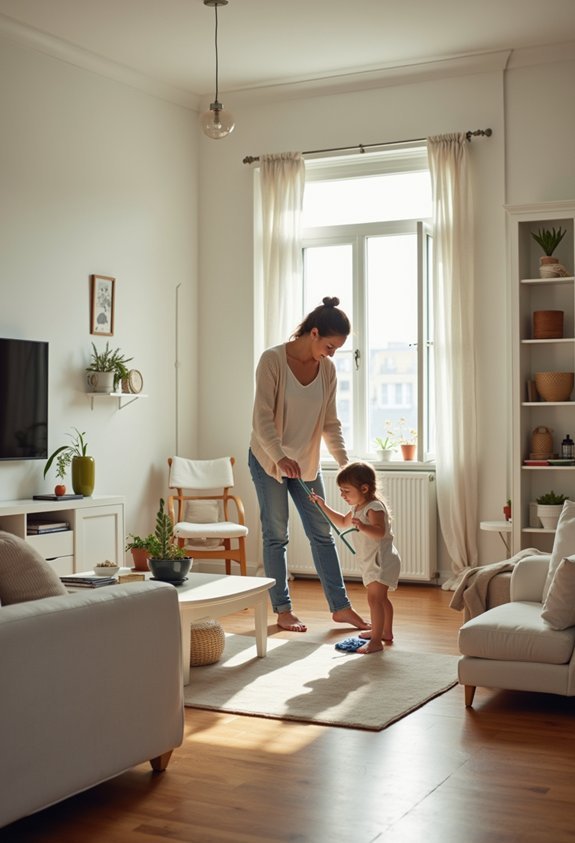
One clear sign you’ve successfully decluttered is that you can clean your home in a fraction of the time it used to take. You move quickly because surfaces are open, floors are clear, and you’re not shifting piles just to dust or vacuum.
Cleaning becomes swift and lightweight when decluttered rooms offer clear surfaces, open floors, and zero shifting piles
First, walk room to room and note how many minutes basic reset tasks require: wiping counters, sweeping, and putting things away.
Second, batch similar chores; clean all bathrooms at once, then all floors.
Third, keep essential tools together so you’re not hunting for supplies.
Use simple cleaning hacks: microfiber cloths instead of stacks of products, a cordless vacuum for daily crumbs, and a laundry basket for fast pickup.
These time saving tips prove your decluttering efforts work day after day reliably.
Every Item Has a Clear, Logical Home
As cleaning gets faster, another sign your decluttering worked is that everything now has a clear, logical home—and you can point to it instantly.
Start by assigning a specific spot for each category: keys, mail, chargers, toiletries, tools. Then refine item placement by frequency of use: daily items at eye level, weekly items higher, rarely used items higher still or deeper.
Label shelves, bins, and drawers so you don’t rethink decisions. Next, group related things where you actually use them—bills near your desk, food storage near the stove, cleaning supplies near the rooms they serve.
This logical organization reduces hunting, duplicates, and mess. Finally, commit: when you’re done using something, return it directly to its home. Make this nonnegotiable, and your system will last.
Flat Surfaces Stay Mostly Clear
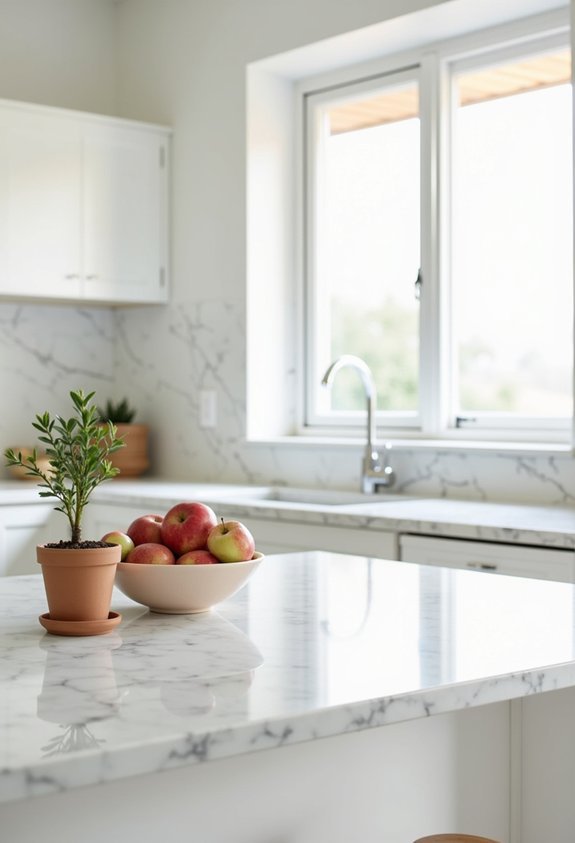
Clear countertops, tables, and dressers are a strong sign your decluttering is working because surfaces no longer act as storage by default.
To keep them that way, establish strict clutter free zones on every major flat surface. First, decide what, if anything, may live there permanently—like a lamp or a small tray.
Second, use the tray as the only landing spot for daily essentials, and clear it every evening.
Third, practice flat surface maintenance by doing a 60-second sweep whenever you finish cooking, working, or getting ready.
Finally, stop clutter at the door: carry mail, bags, and receipts straight to their designated homes instead of dropping them on the nearest surface.
When clear space becomes your default, you know your systems are truly working.
You Can Find What You Need in Under a Minute
When your flat surfaces stay clear, the next proof your decluttering is working shows up in how quickly you can grab what you need—ideally in under 60 seconds.
To reach that point, follow three steps. First, group items by task: bills with pens, baking tools together, chargers with devices.
Second, assign each group a single, clearly labeled home; avoid mixing categories in one drawer.
Third, practice a strict “one touch” rule: when you’re done, return things immediately.
These organization strategies reduce searching and support better time management every day.
Test your system: set a timer and locate specific items. If you beat the minute mark consistently, your home’s layout is serving you, not slowing you.
Tweak locations until the fastest spots feel completely natural.
Your Entryway Feels Open and Easy to Navigate
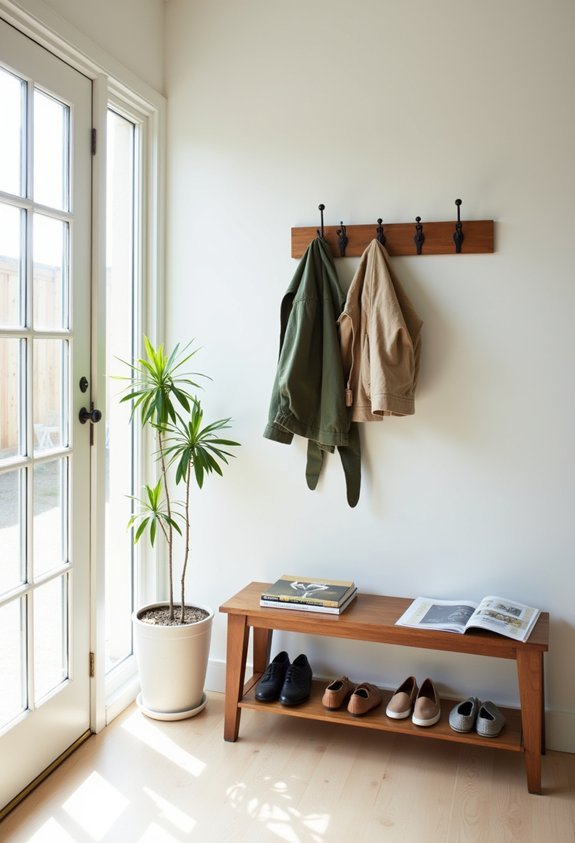
Even before you hang up your coat, you can tell your decluttering is working if your entryway feels open, obvious to navigate, and free of visual obstacles.
First, look at the floor: you walk in without dodging shoes, bags, or packages.
Next, check sightlines; you see clear surfaces, not random piles competing for attention.
Then test function. You know exactly where to place keys, mail, and outerwear, and you can do it in seconds. This is effective entryway organization, not guesswork.
Finally, notice the mood. Light flows, doors swing fully, and guests step in without hesitation.
You’ve created a welcoming atmosphere that signals order, calm, and control the moment anyone crosses the threshold. Your body relaxes, and daily transitions start to feel effortless instead.
Storage Spaces Aren’t Stuffed to the Brim
One unmistakable sign you’ve decluttered well is that closets, cabinets, and drawers close easily and still have visible empty space.
To get there, start by emptying one storage area. Group like items, then immediately toss what’s broken, expired, or unused.
Next, measure shelves and choose storage solutions that fit, leaving some clearance above and in front. Contain small categories in labeled, organized bins so you can see everything quickly.
Then assign each item a clear “home” and return only what fits without forcing or precarious stacking.
Finally, test your work: doors should shut without resistance, and you should grab what you need in seconds. If adding something new requires a quick edit, your system’s working, not crammed—yet still easy to maintain over time.
You’re No Longer Duplicating Purchases
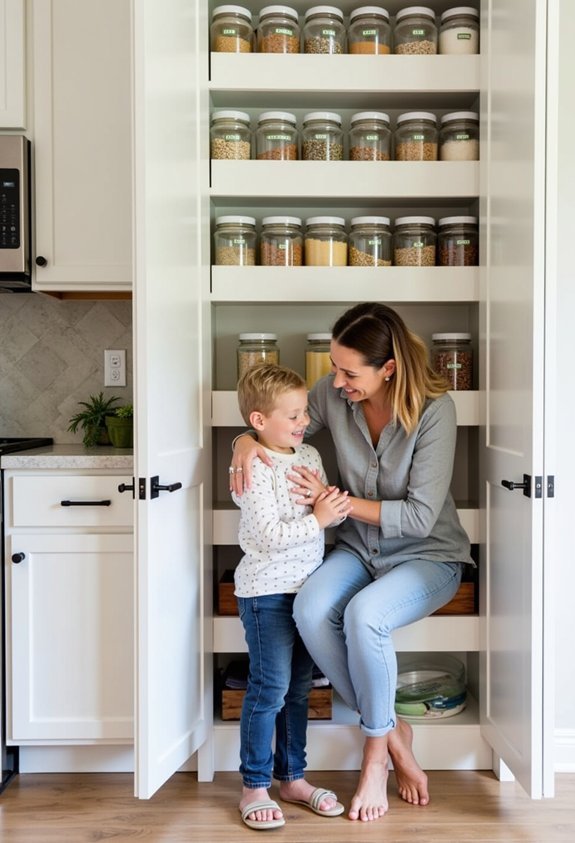
A clear sign your decluttering has paid off is that you stop rebuying things you already own, because you now know exactly what you have and where it lives.
Start by creating a simple home inventory: list pantry staples, toiletries, cleaning supplies, and office basics. Store similar items together and label shelves clearly, so you can scan quickly before shopping.
Before every purchase, pause and ask, “Do I already own this, and where’s it?” This single question prevents unnecessary duplicate items. Use a notes app to track what you’re running low on, not just what’s missing.
Over time, you shift into mindful shopping: you buy replacements only when needed, in quantities you can comfortably store and actually use, while saving money and stress.
Your Decor Finally Looks Intentional
Harmony in your rooms is a strong sign decluttering worked, because your decor now supports how you live instead of fighting for attention.
Harmony at home means your space finally serves you, instead of silently competing for your attention.
First, you can identify a clear color palette—no more random throw pillows or art pieces; every shade now relates.
Second, you group items by purpose: reading lamp with chair, tray with remotes, plants near natural light.
Third, you edit surfaces so one or two focal objects stand out instead of messy collections.
Fourth, you repeat materials—woods, metals, textiles—to create intentional aesthetics rather than visual noise.
Finally, you can describe your home in a sentence, and each room reflects that cohesive style, proving you’ve curated, not just accumulated, what surrounds you.
This clarity makes decorating decisions quicker, sharper, and far less impulsive.
You Feel More Relaxed When You Walk Through the Door
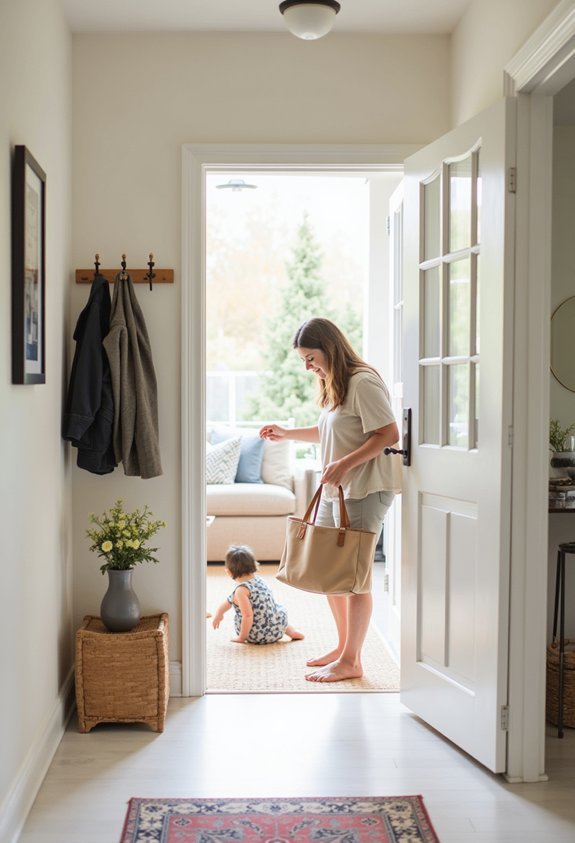
When your decor finally feels intentional, your nervous system notices first. You unlock the door and exhale instead of bracing yourself.
To reinforce that reaction, follow three steps. First, clear visual noise near the entrance: keep only one surface for keys, mail, and essentials; empty it nightly.
Second, shape the home ambiance: choose warm lighting, a neutral scent, and one calming object you love seeing immediately.
Third, protect open floor space so you move freely without dodging piles or furniture. When you consistently return things to their spots, your brain stops scanning for clutter and shifts into recovery mode.
That ease, that automatic stress relief, tells you decluttering is no longer a project; it’s your new baseline and your home finally feels like refuge.
Your Daily Routines Flow More Smoothly
Because clutter no longer interrupts every task, your morning and evening routines start to run like a checklist instead of a scavenger hunt.
You move through each step without searching, backtracking, or redoing.
To lock this in, design simple paths for your day:
- Assign a fixed landing zone for keys, bags, and wallet.
- Create a morning routines tray with toiletries, medications, and daily makeup.
- Pre-stage breakfast tools—mugs, kettle, cereal, supplements—near one another.
- Set up an evening rituals basket for chargers, book, glasses, and hand cream.
- Keep laundry, trash, and donation bins visible but not in the way.
When everything has a clear home, your decisions shrink, your pace steadies, and your day starts and ends on purpose, with less friction, stress, and wasted motion.
Letting Go of New Items Feels Easier

Instead of clinging to every purchase “just in case,” you start releasing new things as easily as you bring them in.
First, you pause before storing an item and ask, “Do I genuinely need or love this?” If not, you return, donate, or recycle it immediately.
Second, you notice emotional attachment sooner. You label it: guilt, impulse, fear of waste. Then you decide that your home, not the object, deserves protection.
Third, you practice mindful shopping. You use a list, wait 24 hours on non‑essentials, and compare each potential purchase to your space limits and priorities.
Finally, you set an exit plan: receipts in one folder, donation box ready, and a monthly review so excess never settles. You trust yourself to release more quickly.
Guests Can Drop By Without Last-Minute Panic
Releasing new items more easily naturally supports another clear sign of success: guests can text, “I’m nearby,” and you say “Come over” without scanning the room in dread.
Your surfaces stay clear, floors open, and bathrooms presentable, so spontaneous gatherings feel realistic instead of terrifying.
To lock in stress free hosting, create a simple, repeatable reset you can run in ten minutes. Focus on visibility, not perfection:
- Clear dishes and trash from all common areas
- Toss stray items into one labeled basket by the door
- Wipe kitchen counters and sink quickly
- Straighten sofa cushions and fold throw blankets
- Do a fast check of the entry, toilet, and hand towel
With this baseline, surprise visits reveal calm, not chaos, for you and your relaxed guests.
You may also like:


You’re Motivated to Maintain, Not Just Declutter
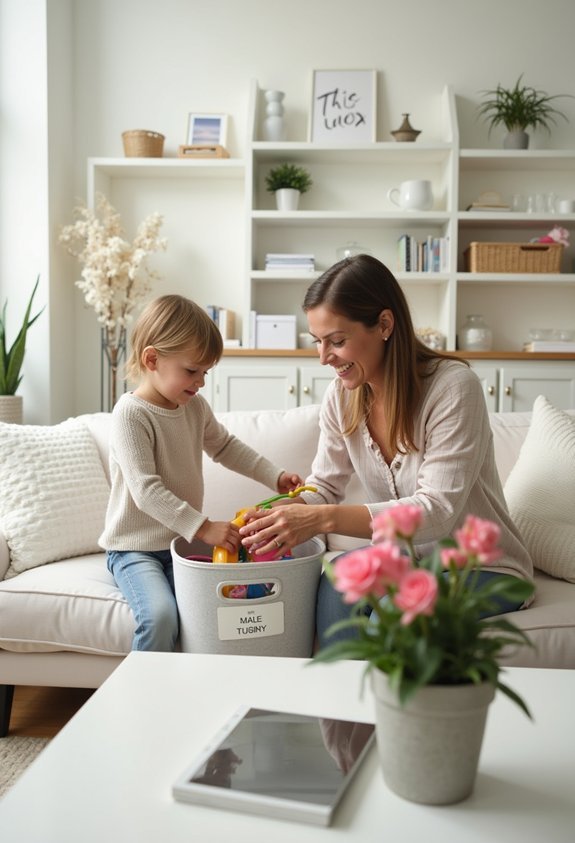
Once the big purge is done, the real indicator of success is that you actually want to keep your home this way.
You’ve shifted from a one-time cleanout to a steady decluttering mindset. To lock this in, follow a simple system.
First, set a five-minute reset at the same time daily; return every item to its home.
Second, use the “one in, one out” rule so belongings never quietly multiply.
Third, schedule a 30-minute review each week; scan surfaces, drawers, and hotspots for buildup.
Fourth, keep a donation box ready and drop items in the moment you question them.
By treating clutter control as routine maintenance, you’re actively maintaining organization instead of waiting for chaos to return.
That shift proves your decluttering work succeeded.
Conclusion
Now that your home no longer auditions for a “before” photo, lock in the progress. First, do a 5‑minute reset in each room every night. Second, follow the one‑in, one‑out rule like it’s tax law. Third, schedule a monthly clutter patrol to re-home strays. Finally, protect clear surfaces as if they’re endangered species. Do this, and you won’t just look decluttered—you’ll live like it, daily, without the melodrama of a storage unit horror documentary spin-off.