15 Smart Shopping Rules for People With ADHD
Shopping with ADHD means you need a system that works *with* your brain, not against it. Start by photographing your list so you can’t lose it, set a timer to avoid time-warping in the aisles, and use the “touch it three times” rule before buying anything non-essential. Shop during off-peak hours, bring headphones to reduce overwhelm, and never—seriously, never—shop when you’re hungry, angry, lonely, or tired. These strategies (plus a few more) can transform your shopping trips from chaotic money-drains into focused, guilt-free missions.
Key Takeaways
- Create a detailed shopping list with prioritized items (essential, important, optional) and photograph it before leaving home for easy reference.
- Set a specific time limit and shop during low-stress hours while avoiding hungry periods to prevent impulse purchases.
- Use the “Touch It Three Times” rule, walking away between touches to create reflection time before buying non-essential items.
- Remove shopping apps and unsubscribe from marketing emails to reduce digital triggers that encourage impulsive spending.
- Review purchases after shopping to assess needs versus wants and adjust future strategies based on spending patterns.
Never Shop Without a Visual List You’ve Already Photographed

Too often, people with ADHD make shopping lists that end up abandoned in a drawer, forgotten in another app, or—let’s be honest—still sitting on the kitchen counter while you’re already halfway through the grocery store wondering what you actually needed.
Here’s the fix: photograph your list before you leave.
Seriously—just snap a picture with your phone. This simple visual organization trick means your list lives where you actually look (your camera roll), not buried in some productivity app you downloaded three months ago.
Even better? Do some list prioritization beforehand by circling or highlighting must-have items.
Label each item as essential, important, or optional so you know exactly what you need to prioritize when decision fatigue kicks in mid-aisle.
When you inevitably get distracted by the bakery section (those cookies aren’t going to admire themselves), you’ll have a visual backup that’s impossible to forget.
Your future self will thank you.
Set a Timer for Every Shopping Trip
Having your list on hand is great—but if you don’t set a time limit, you’ll still find yourself wandering the aisles two hours later, somehow ending up in the camping section of Target when all you needed was toothpaste.
Timer techniques are your secret weapon here.
Before you even walk through those automatic doors, set a timer on your phone. Give yourself a realistic window—maybe 20 minutes for a quick grocery run, 45 for a bigger haul. When it goes off, that’s your cue to head to checkout, no matter what.
Think of it as a game you’re trying to win.
Shopping reminders like these keep you focused and prevent the “just browsing” spiral that drains your wallet and your entire afternoon.
This built-in pause helps your rational brain catch up to those initial impulses, making it easier to stick to what you actually need.
You’ll actually get home before dinner.
Use the “Touch It Three Times” Rule Before Buying
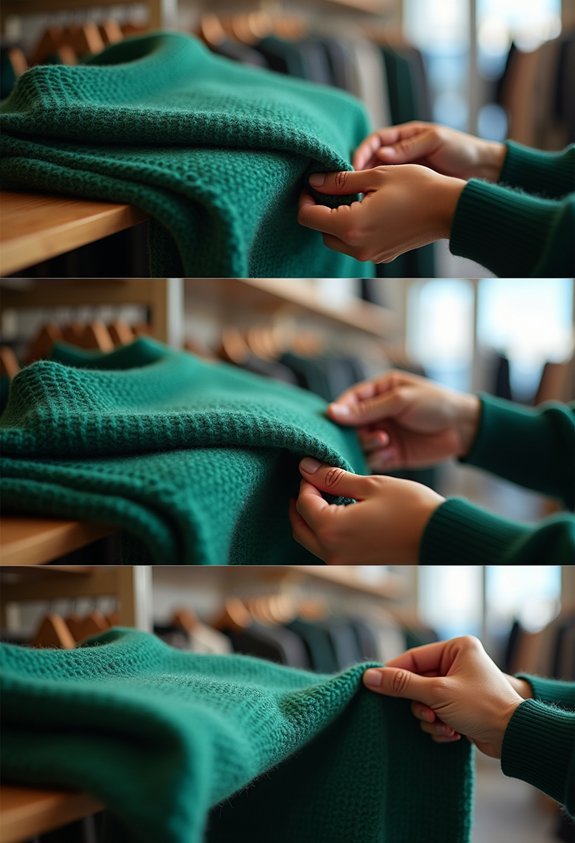
you have to physically pick up, put down, and return to an item three separate times before buying it.
Walk away between each touch—even just to the next aisle.
This isn’t about denying yourself. It’s about giving your brain time to separate “ooh, shiny!” from “I’ll actually use this.”
Most impulse items fail the third-touch test because the dopamine spike wears off.
This pause helps engage your prefrontal cortex, transforming an automatic reaction into a deliberate choice.
And yeah, that hedgehog bread maker? Probably stays on the shelf.
Shop Online First to Preview Before Going In-Store
Why walk into a store completely blind when you can basically do a reconnaissance mission from your couch?
Browse online first—it’s one of the biggest online shopping benefits for your ADHD brain.
You can compare prices without getting distracted by everything shiny, read reviews at 2 AM when you randomly remember you need new headphones, and actually think through whether you need that thing.
Virtual cart organization becomes your best friend here. Add items online, then sleep on it (literally—your impulse control will thank you).
The next day, review your cart and decide what’s actually worth the in-store trip.
This approach helps you avoid the sensory stimulation that physical stores deliberately use—warm lighting, strategic scents, and mood music—all designed to keep you browsing longer and spending more.
Plus, you’ll know exactly where to find items once you arrive, turning a three-hour store wandering session into a focused twenty-minute mission.
Done and done.
Wear Headphones or Earbuds to Minimize Sensory Overload

Nothing says “I’m about to have a sensory meltdown in aisle seven” quite like fluorescent lights buzzing overhead, shopping carts clanging together, crying babies echoing through the store, and that one employee who insists on using the world’s loudest price scanner.
Here’s your secret weapon: headphones or earbuds.
Pop them in, play your favorite playlist (or white noise, or literally nothing), and suddenly you’ve got a buffer between your brain and retail chaos. It’s sensory management at its finest—and honestly, it’s a game-changer for handling auditory distractions.
Consider these options:
- Noise-canceling headphones that block out everything except your carefully curated shopping soundtrack
- Calming music or lo-fi beats that keep you focused without overstimulating
- Nothing at all—sometimes just the physical barrier helps reduce overwhelm
Reducing sensory noise in your environment can help prevent the kind of nervous system overload that leads to racing thoughts and shallow breathing.
You’ll shop faster, stay calmer, and actually remember why you came.
Implement the “One In, One Out” Policy
Before you toss that adorable polka-dot organizer (that you absolutely don’t need) into your cart, make a deal with yourself: if it’s coming home with you, something else has to leave.
This simple rule—one of the most effective budgeting strategies and decluttering techniques out there—keeps your space (and spending) from spiraling into chaos.
Bought new jeans? Time to donate that pair you haven’t worn since 2019.
Snagged another coffee mug with a hilarious pun? Say goodbye to the chipped one hiding in the back of your cabinet.
This isn’t about deprivation—it’s about creating sustainable habits that work with your ADHD brain, not against it.
You’ll spend less, own less clutter, and actually remember what you have.
The key is shifting your mindset from “Where can I store this?” to “What will this replace?” each time you consider a new purchase.
Win-win-win.
Leave Your Credit Cards at Home and Use Cash Only
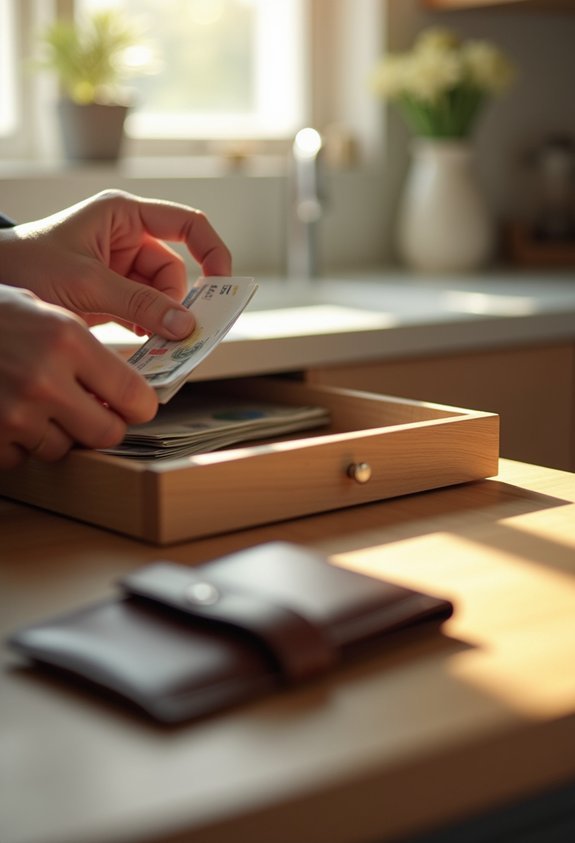
When you hand over actual bills at the register, your brain registers the loss—you can see your wallet getting lighter, feel the difference in your pocket, and experience that tiny moment of “ouch, there goes my money.”
Credit cards, on the other hand, are sneaky little dopamine enablers that let you swipe without consequence (until that statement arrives and you want to cry).
Cash budgeting gives you a physical limit that’s impossible to ignore. No mental math required—when the bills are gone, shopping’s done.
Try this approach:
- Withdraw your weekly shopping budget on Monday and divide it into envelopes
- Leave cards in your car’s glovebox (or better yet, at home)
- Watch how impulse control magically improves when you’re counting actual dollars
It’s harder to justify that random purchase when you’re literally holding tomorrow’s coffee money.
This 24-hour delay between wanting something and actually buying it can reduce your discretionary spending by 20-30%, giving your brain time to separate genuine needs from emotional urges.
Schedule Shopping for Your Peak Focus Hours
Your brain has a golden window—that precious slice of the day when your executive function actually shows up to work instead of calling in sick.
For most people with ADHD, that’s either early morning (hello, 9 AM clarity) or right after lunch when your meds kick in.
Smart shopping time management means blocking your Target run for these peak hours, not when you’re already running on fumes at 7 PM.
This simple focus enhancement technique prevents those infamous “How did I spend $200 on stuff I don’t need?” moments.
Morning person? Shop before work.
Afternoon warrior? Hit the store during your lunch break.
Work with your brain’s natural rhythm instead of fighting it—you’ll make better decisions and actually remember why you went shopping in the first place.
Before you head out, group your shopping needs with other similar errands to minimize the mental switching costs between different types of tasks—batching small tasks like returns, pickups, and shopping trips into one focused outing saves both time and cognitive energy.
Create a Dedicated “Impulse Buy Waiting Period”

Even with perfect timing, that little dopamine-seeking gremlin in your ADHD brain will spot something shiny and scream “MUST HAVE NOW!”
The solution?
Build yourself a mandatory waiting period before checkout. Think of it as impulse buy strategies that actually work with your brain, not against it.
Here’s how waiting period techniques save you:
- The 24-hour rule: Screenshot it, add to cart, but don’t buy until tomorrow (you’ll forget half the time—that’s the point)
- The “three encounters” method: You have to see/want the item three separate times before purchasing
- The trade-off game: For every new thing, something old goes—makes you really consider if you need it
These structured pauses create friction between desire and purchase, which helps counteract retailers’ one-click checkout designs that prey on quick decision-making.
Your future self will thank you when that random cheese-making kit stays unpurchased.
Use Separate Carts or Baskets for Needs vs. Wants
Because everything looks equally important when you’re standing in a store with an ADHD brain on overdrive, physically separating your purchases into two distinct piles becomes your secret weapon against checkout chaos.
Here’s your shopping strategy: grab two baskets (or use one cart with a clear divider—even a reusable bag works).
Physical separation isn’t just organization—it’s giving your ADHD brain a fighting chance against impulse spending before you reach the register.
Left basket? Absolute needs. The toilet paper, eggs, and prescription refill you actually came for.
Right basket? Everything else that suddenly became “essential” when you spotted it.
This simple needs assessment happens in real-time, forcing your brain to categorize instead of just tossing everything together.
You’ll literally see how much you’re spending on wants versus needs.
Plus, it’s way easier to put back that third candle when it’s sitting in the “wants” basket, judging you.
Before you head to checkout, pause and challenge whether conveniences in your wants basket are truly necessary or just impulse additions you’ll regret later.
Block Store Apps and Unsubscribe From Marketing Emails

Those colorful shopping apps sitting on your phone aren’t innocent little programs—they’re dopamine slot machines specifically designed to catch ADHD brains at their most vulnerable moments.
Delete them. Seriously, just remove every single store app from your phone right now (you can always shop from your browser if you actually need something).
Next up: email subscription management. Those daily “SALE ENDING SOON!!!” messages? They’re triggering impulsive decisions you’ll regret later.
Here’s your action plan:
- Use unroll.me or a similar service to mass-unsubscribe from marketing emails in one satisfying purge.
- Set up store app limitations by blocking reinstalls through screen time settings—yes, even from yourself.
- Keep ONE email for receipts only, completely separate from your main inbox.
Your future self will thank you for these protective boundaries.
Bring a Body Double or Accountability Partner
Shopping with another human being might sound like bringing a chaperone to the mall, but for ADHD brains, it’s actually one of the most effective damage-control strategies you can deploy.
Body double benefits include having someone physically present who keeps you anchored to your original mission—like buying toothpaste, not seventeen candles you’ll never light.
Your accountability partner doesn’t need to scold you or grab items from your hands (though honestly, sometimes that helps). They just exist there, creating gentle external structure when your internal structure has left the building.
Pick someone who understands the assignment: staying on task, redirecting your attention when you’ve wandered into your third unrelated aisle, and—most importantly—reminding you that no, you absolutely don’t need another phone case.
Accountability partner tips? Choose wisely and buy them coffee afterward.
Establish a Pre-Shopping Routine to Ground Yourself

Before you even leave your house—or click “open cart” on your phone—you need to build yourself a launch sequence that actually sets you up for success instead of chaos.
Think of your pre shopping checklist as emotional armor. You’re not just grabbing your wallet and running—you’re getting your brain ready for all those shiny distractions waiting to ambush you.
Shopping unprepared is like going into battle without a shield—your wallet doesn’t stand a chance against the impulse traps.
Try these grounding techniques before shopping:
- Take three deep breaths and visualize yourself sticking to your list (yes, really—it helps)
- Set a timer for how long you’ll shop (because time blindness is real)
- Eat something first so hangry impulse-buying doesn’t destroy your budget
Your brain deserves preparation, not punishment.
Use the “HALT” Check Before Making Any Purchase
Now that your brain’s prepped and you’re actually in the store (or scrolling through that website), you need a split-second safety check to catch impulse buys before they happen.
Enter the HALT principle—your new best friend for impulse control.
Before clicking “buy now” or heading to checkout, ask yourself: Am I Hungry, Angry, Lonely, or Tired?
Because here’s the thing: your ADHD brain makes *terrible* shopping decisions when you’re running on empty (literally or emotionally).
That’s when the sparkly kitchen gadget you’ll use exactly once seems absolutely essential.
If you’re experiencing any HALT feeling, step away.
Grab a snack. Text a friend. Take five minutes.
Your bank account will thank you—and that impulse purchase loses its magic pretty quickly once you’re properly fed and rested.
Create a Post-Shopping Decompression Ritual

Think of post shopping mindfulness as hitting the reset button.
Give yourself 10-15 minutes to decompress before diving into bags and receipts (trust me, they’ll still be there).
You may also like:





Here’s what actually helps:
- Sit in your car for five minutes with your eyes closed
- Make a cup of tea before unpacking anything
- Put on comfy clothes and journal about how the trip went
You’re not being lazy—you’re letting your nervous system catch up.
This simple ritual prevents buyer’s remorse spirals and helps you process what just happened without immediate judgment.
In case you were wondering
How Do I Handle Returns When ADHD Makes Me Procrastinate?
Set phone reminders immediately after purchase with return deadlines. Keep items in their original packaging near your door. Use procrastination strategies like the “two-minute rule”—if you’re unsure, start the return process right now before overthinking it.
What if I Forget Where I Parked at the Store?
Use parking strategies like always choosing the same area or row. Take a photo of your car’s location immediately. Drop a pin on your phone’s map app as memory aids you’ll actually remember to check.
Can Medication Timing Affect My Shopping Impulse Control?
Yes, medication timing significantly impacts impulse control. Studies show ADHD medication effects peak 1-4 hours after taking them. You’ll better manage impulse triggers when shopping during your medication’s peak effectiveness window, not when it’s wearing off.
How Do I Shop for Groceries When I Can’t Meal Plan?
Shop with flexible grocery lists organized by store section rather than specific meals. Use shopping apps that save your frequently bought items, so you’ll quickly grab familiar staples without needing detailed meal plans beforehand.
What Should I Do When Store Layouts Change Frequently?
Don’t let shifting aisles throw you off course. Create a flexible shopping checklist organized by category, not location. This way, you’ll maintain solid store navigation habits regardless of layout changes, staying focused on what you need.
Conclusion
Shopping with ADHD is like trying to navigate a maze while someone’s juggling shiny objects in your face—but with these rules, you’ve got a map and noise-canceling headphones. You won’t nail every strategy every time (nobody does), and that’s completely okay. Pick two or three that feel doable, test them out, and adjust as you go. Your future self—standing calmly in the checkout line—will thank you.