The Decluttering Hack That Works for Busy Families
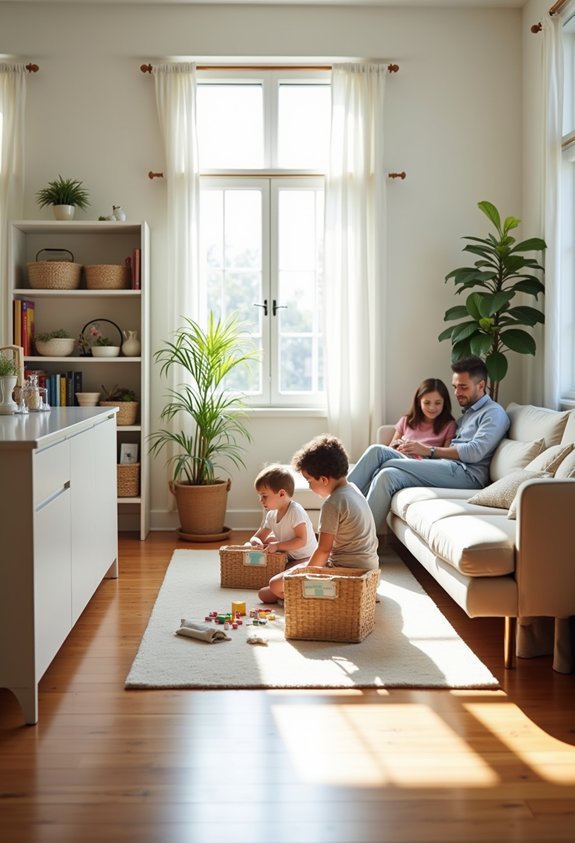
Try a 10‑minute “family reset” every day—one timer, one tiny zone, everyone helps. You’re not “cleaning the house,” you’re just rescuing one spot: the kitchen counter, the toy explosion, the entryway of mystery shoes. Kids toss trash or sort toys, you grab dishes and mail, your partner handles backpacks and bags. No perfection, no huge weekend overhaul—just small wins that add up fast, and there’s a simple way to make this stick.
What you will leave with
- Use a daily 10-minute “family reset” where everyone tackles one tiny zone together for fast, visible progress.
- Create simple drop zones for keys, mail, backpacks, and shoes to stop daily searching and mess at the door.
- Give kids age-appropriate jobs and tools (bins, pegs, labels) so they can put away their own things easily.
- Do a 15-minute evening tidy of one area—dishes, laundry, or living room—to reset the house for the next day.
- Limit clutter hotspots with clear boundaries (one bin, one shelf) and apply a one-touch rule to mail, clothes, and bags.
Why Clutter Steals Your Time and Sanity
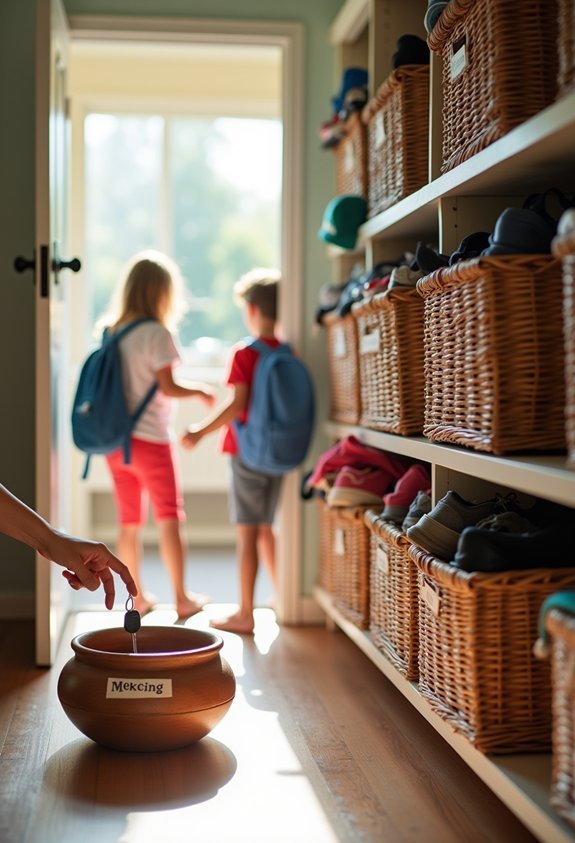
Even though it just looks like “stuff,” clutter quietly steals your time and sanity like a slow leak you don’t notice—until you’re standing in the hallway, late for school drop-off, hunting for one kid’s missing shoe and your own keys at the same time.
You think it’s just a messy counter, but the real clutter impact shows up in your brain, your calendar, and your mood.
Every pile you walk past whispers, “Deal with me,” raising your stress levels, making you snap faster, and focus slower.
You lose minutes every day searching for things, but you also lose calm—your mind keeps juggling unfinished tasks, so you feel behind, guilty, and weirdly tired… even when you’ve barely sat down. When your home is visually crowded, your brain stays on high alert, keeping your nervous system in work mode even when you’re supposed to be resting.
The One Hack Busy Families Can Actually Stick With
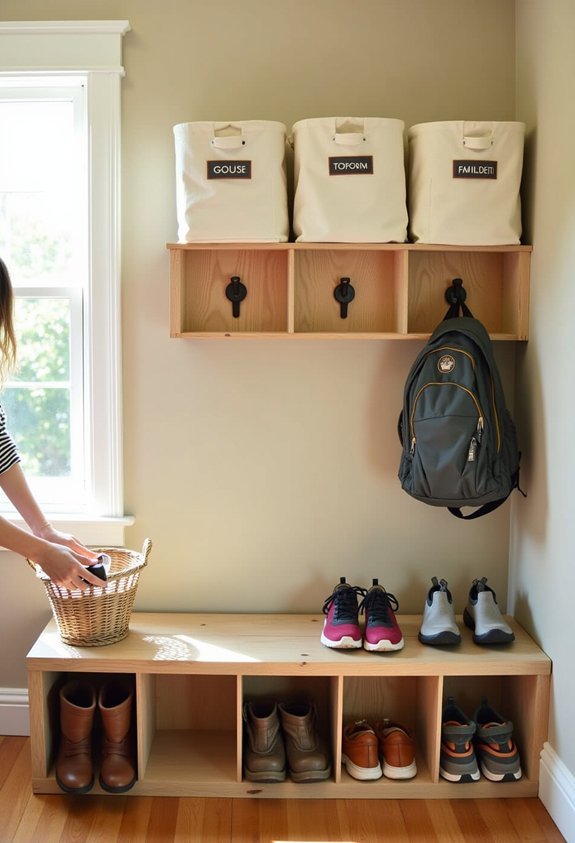
When your days already feel like a sprint, you don’t need a 47-step organizing system—you need one simple rule you can actually remember at 8 p.m. when everyone’s melting down.
Here it is: Ten-Minute Family Reset. Every day. Same time. All hands.
Ten-Minute Family Reset: one tiny zone, ten minutes, everyone pitches in, clutter disappears without the meltdown.
You set a timer for ten minutes, pick one tiny zone—one drawer, one counter, one toy basket—and everyone jumps in, which keeps decluttering challenges small and your brain out of that “burn it all down” spiral. Unlike the autopilot buying that subscription culture encourages, this intentional daily reset helps your family notice what you actually use, need, and want to keep.
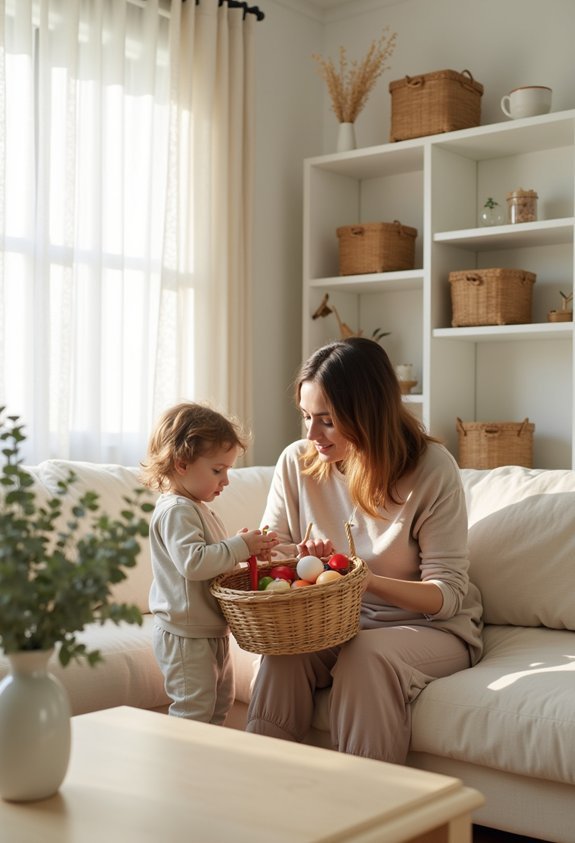
Kids sort toys, you skim for trash, someone runs donations to a holding bin, and boom—you’re done, with real family engagement and visible progress, without a giant weekend purge that nobody has the energy (or attitude) for.
Setting Up Your Home to Practically Declutter Itself
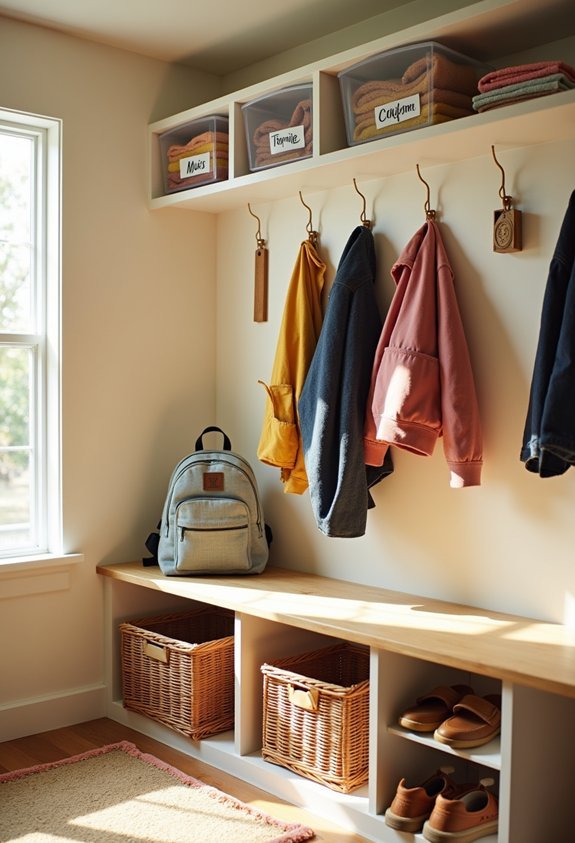
Some homes seem magically tidy, but the truth is they’re just set up to do the work *for* you.
Yours can be, too—you just need a few smart systems that quietly fight mess while you live your life.
Try this:
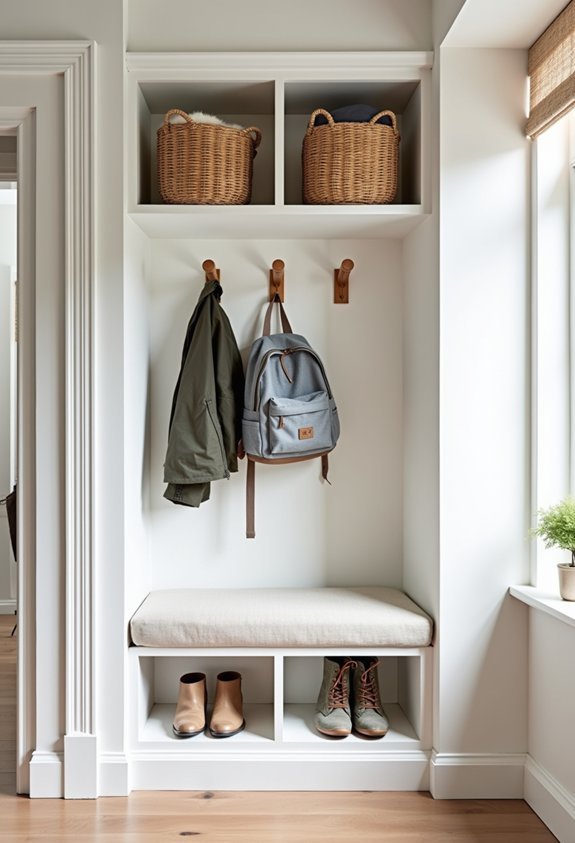
- Create designated drop zones by doors for keys, mail, backpacks—label baskets, add hooks, skip the daily scavenger hunt.
- Use wall pegs and bins so kids can hang coats and toss lunch boxes—no “mountain of stuff” by the door.
- Add visual organization with clear containers, simple labels, and “this is where it lives” spots for everything.
- Use one-touch rules—mail to the bin, shoes to the rack, dirty clothes straight to the hamper.
- Tackle clutter hotspots (entry table, kitchen counter) with limits—when the basket’s full, something has to go.
- A simple weekly home reset helps maintain these systems so clutter never has a chance to build up again.
A 15-Minute Daily Routine That Reclaims Your Evenings
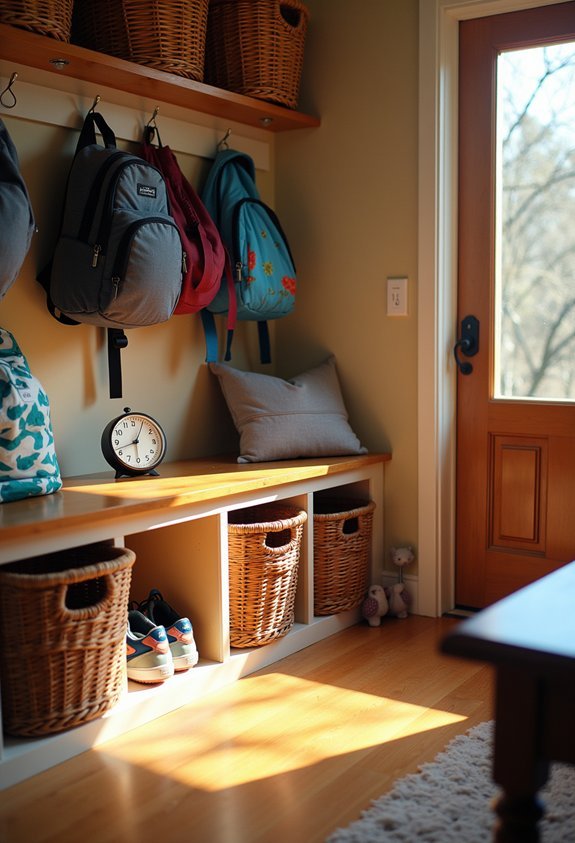
Most nights feel like a blur—dinner dishes, random socks, backpacks exploding on the floor—and by the time you sit down, the house looks like it hosted a small tornado.
Most evenings end in a blur of dishes, socks, and backpacks, like a tiny tornado hit home
Here’s your reset: a 15-minute timer, one small mission, no perfection. Pick a zone—kitchen, living room, or “mystery pile” corner—and focus there, folding laundry, loading the dishwasher, wiping counters, or plumping couch cushions. Over time, this nightly reset becomes a simple form of decluttering self‑care that connects a tidy space with a calmer mind.
Then do a quick tomorrow-prep sweep—set out clothes, park keys and bags, pack lunches, take out the trash—so your morning self feels seriously loved.
These tiny evening habits shift your clutter mindset, turning chaos into calm, because you’re winning in little bursts, not waiting for a mythical “free weekend” that never actually comes.
Getting Kids and Partners On Board Without Power Struggles

Your 15-minute reset is powerful, but here’s the honest part—you didn’t make that mess alone.
So you shouldn’t clean it alone either.
Skip the lectures and sell the benefits. Kids care about finding the blue dinosaur, not “household systems,” and partners usually like less stress, more couch space, and fewer mystery toe-stabbings at midnight.
Try this for gentle family involvement:
- Call it a “family power-up,” not a chore—set a 10–15 minute timer.
- Give kids simple wins: “Find five toys to re-home so your favorites fit.”
- Explain perks to partners: calmer evenings, faster mornings, clearer brain.
- Use positive reinforcement—high-fives, screen time tokens, or choosing dinner.
- Let everyone decide some keep/toss items, even if you quietly disagree.
Less pressure, more teamwork.
When everyone helps define what “enough stuff” looks like for your family, decluttering feels less like a punishment and more like creating space for what you all actually enjoy.
Keeping Clutter From Sneaking Back In
You may also like:


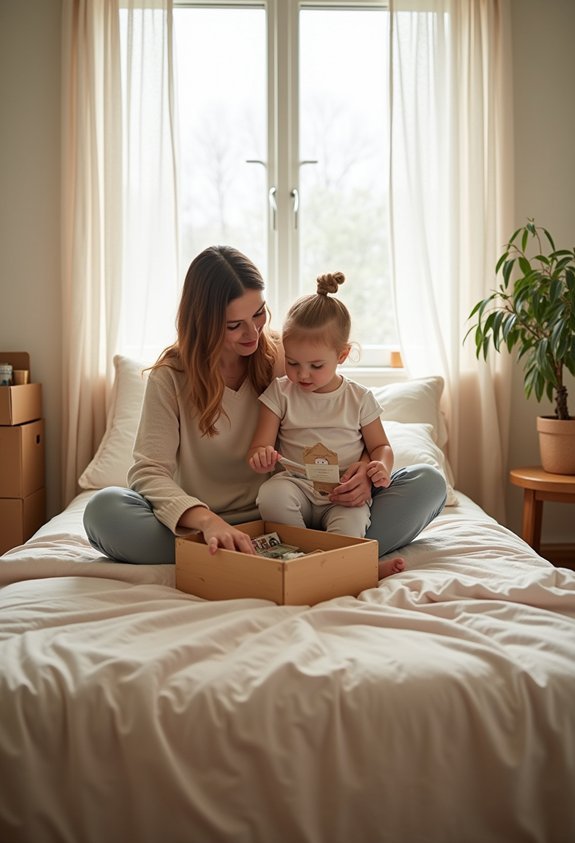

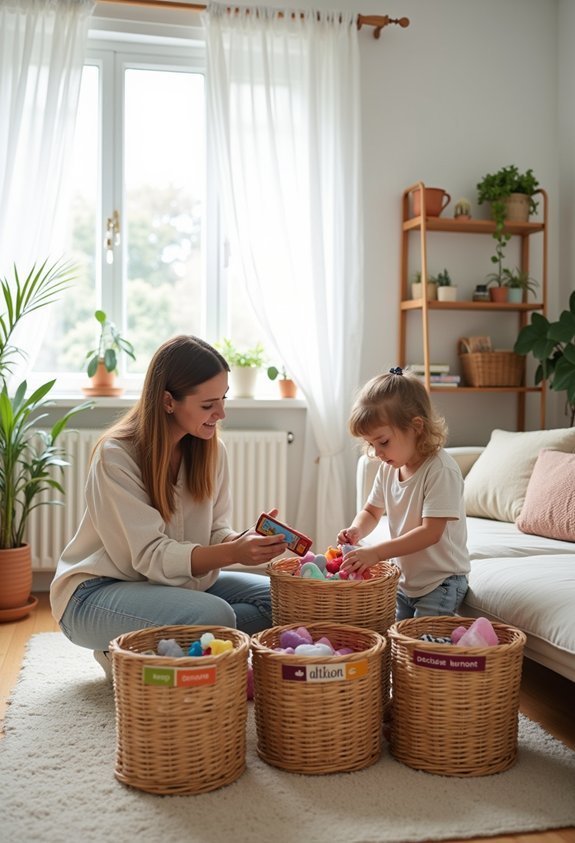
Even after a big clean-out, clutter loves a comeback tour—like that one band that just won’t retire.
So you shift from “big purge” mode to everyday clutter prevention, using tiny, repeatable household habits.
Think simple “reset routines” first—10–15 minutes after dinner where everyone puts things back, clears counters, and resets the living room, because small daily pickups stop those scary weekend pileups that steal your whole Saturday and your last bit of patience.
Use the 10-Minute Rule on micro-zones—a drawer, one shelf, the shoe pile by the door—plus one-in, one-out for toys, mugs, and clothes, so stuff doesn’t quietly multiply.
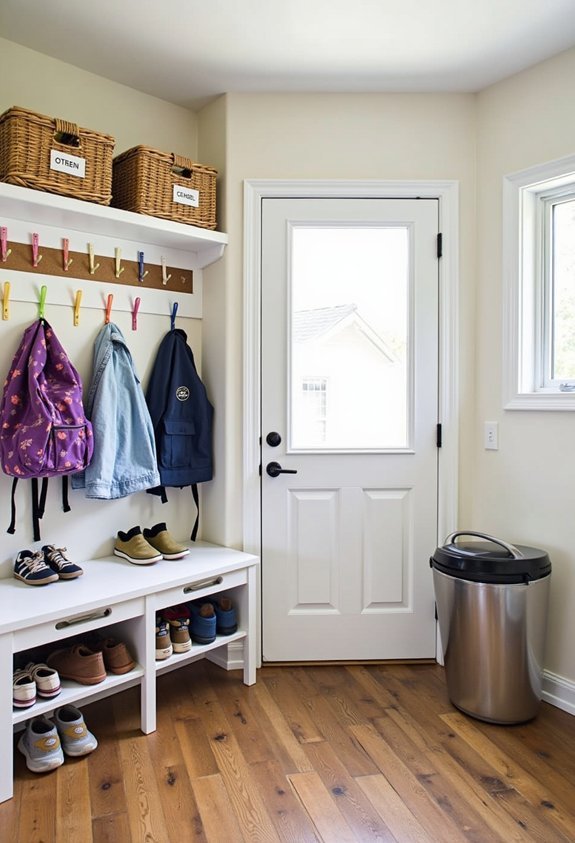
Then, guard your hotspots, setting landing zones for keys and backpacks, and limiting what’s allowed there—no overflow, no excuses.
These tiny routines also reduce cognitive load and visual noise, which can quietly drain your energy and spike your stress over time.
Tracking Your Wins So You Stay Motivated
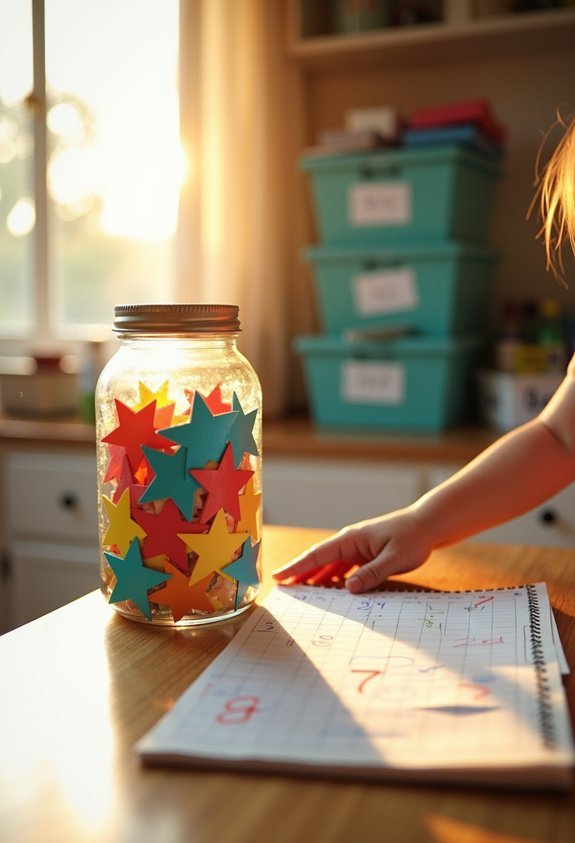
Try simple, quick wins like:
- Drop a bead in a clear jar for every item you declutter—kids love watching it fill.
- Draw a fill line on the jar, celebrate when you hit it (pizza night totally counts).
- Take before-and-after photos, so on hard days you can prove it’s getting better.
- Use a checklist of tiny tasks, and enjoy the rush of crossing things off.
- Turn it into a game—points, timers, silly prizes—whatever gets your family laughing while you tidy.
- As your jar fills and your checklist grows, notice how much faster daily routines like getting out the door or cleaning up after dinner start to feel.
In case you were wondering
How Do I Emotionally Detach From Sentimental Items Without Feeling Guilty?
You detach by honoring the memory, not the object. Use memory preservation strategies—photos, journaling, one “best-of” keepsake box—then donate the rest. Reframe it as guilt free decluttering: you’re keeping the story, just releasing excess stuff.
What Should I Do With Valuable Items We No Longer Need?
Sort valuables by meaning and usefulness, then explore donation options, resale strategies, or thoughtful gifting. Photograph special pieces, create legacy projects, recycle what’s broken, and set one-in, one-out rules so clutter doesn’t slowly return.
How Can I Declutter When My Partner Is a Sentimental Hoarder?
Like walking through a memory museum, you declutter by using gentle communication strategies, validating feelings, and proposing compromise solutions: small shared goals, defined “keep” zones, gradual sorting sessions, and, when needed, supportive professional help together.
Is It Possible to Declutter Effectively in a Very Small Apartment?
Yes, it’s absolutely possible. You use space optimization, strict minimalism techniques, and category-based purges. Declutter digitally, store vertically, repurpose furniture, and build 10-minute daily habits so your tiny home feels calm, functional, and roomy.
How Do I Handle Gifts and Hand-Me-Downs That Create Clutter?
You handle cluttering gifts by picturing a tidy hallway where only cherished items stay. Practice intentional gift management: accept what fits your life, decline extras kindly, use one‑in‑one‑out, and streamline hand me down organization with clear limits and donation plans.
Conclusion
You’ve got this—really.
If you use this one simple system, a few tiny habits, and some honest “we’re-all-in-this-mess-together” teamwork, your home will stop feeling like a lost-and-found exploded and start feeling calm, easy, and actually yours again. You won’t be perfect—no one is—but you’ll be in control, day by day, basket by basket, bedtime pick-up by bedtime pick-up.