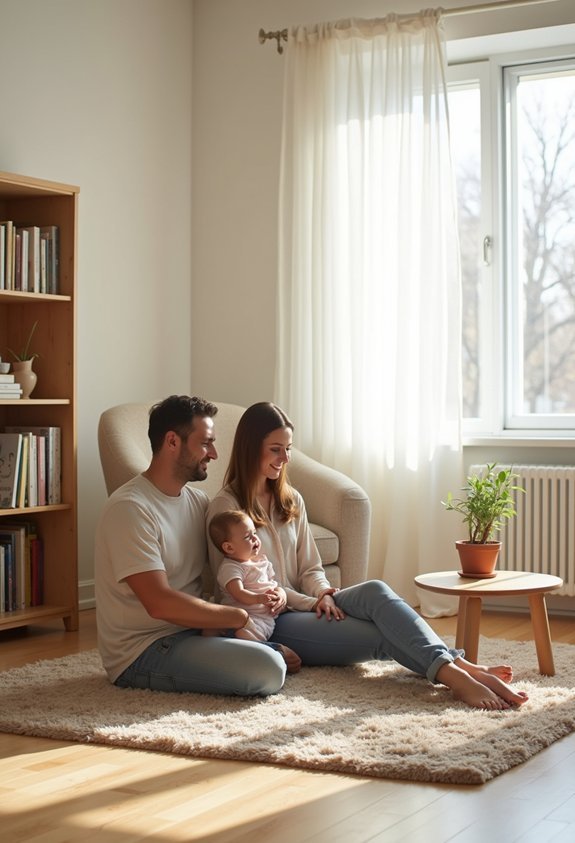
The Minimalist’s Guide to Experiences Over Things
You’re not actually craving more stuff—you’re craving memories. As a minimalist, you learn to spend on moments, not merchandise: road trips instead of random decor, cooking classes instead of kitchen gadgets, concert tickets instead of trendy shoes. Experiences don’t need storage bins, they don’t clutter your closet, and they usually come with better stories (and fewer assembly instructions). If you’re curious how to shift your money, time, and energy toward memories that last, you’re in the right place.
What you will leave with
- Prioritize experiences that create lasting memories and stories instead of buying items that add to physical and mental clutter.
- Use mindful questions like “Will this matter in five years?” to guide spending toward meaningful activities rather than impulse purchases.
- Plan and budget for shared experiences—trips, classes, events—to deepen relationships and boost long-term happiness.
- Embrace minimalism to reduce cognitive overload, improve emotional clarity, and free time and money for life-enriching experiences.
- Maintain an experience-first lifestyle with habits like no-buy weeks, spending audits, and decluttering your calendar for quality time.
Why Minimalists Choose Moments, Not Merchandise

Even though new stuff can feel exciting for a minute, most minimalists know the real magic is in moments.
When you practice experience prioritization, you’re betting on memories—laughing with friends, learning a new skill, watching a sunrise—instead of chasing another package on your doorstep.
You’ve felt it: that little rush when you buy something, then—poof—it fades, and the thing just sits there, asking to be dusted.
Experiences don’t do that, they keep paying you back through anticipation, the actual event, and all the stories later.
Experiences keep paying you back—before, during, and long after—in memories, meaning, and shared stories
With mindful living, you pause and ask, “Will I remember this in five years?”
A weekend hike, a cooking class, game night with family—those usually win.
And they don’t need closet space.
Over time, choosing moments over merchandise creates mental clarity and a sense of breathing room that no overflowing closet can match.
The Psychology of Owning Less and Living More
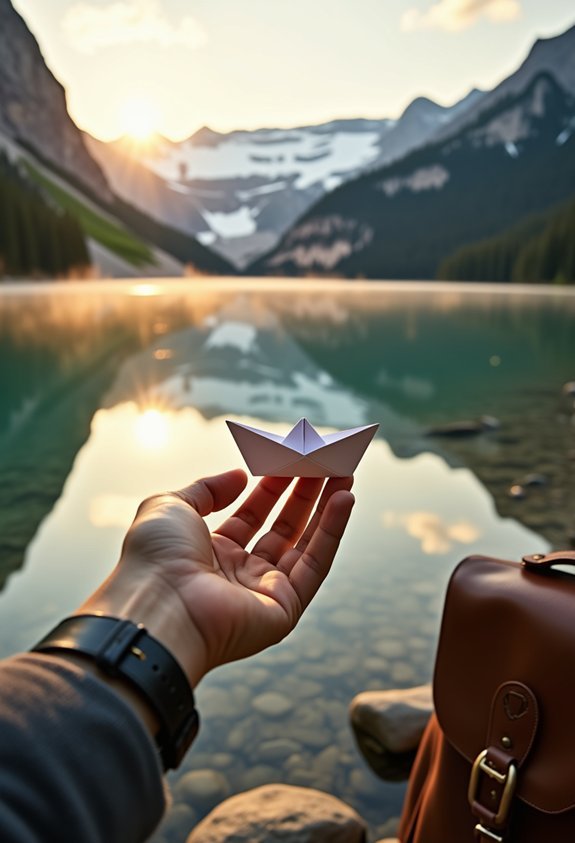
When you start owning less, something surprising happens—you don’t just clear your shelves, you clear your head. Less clutter means less cognitive overload, so your brain stops screaming, “Where’s that thing?!” every five minutes, and you feel actual emotional clarity instead of low-key chaos. You also feel calmer—your space looks simple, your mind follows, and your mental health quietly levels up, like a game character gaining hidden XP. Those are real psychological benefits, not just “aesthetic vibes,” because fewer material distractions give you more focus, more order, and less constant stress buzzing in the background. As you let go of excess possessions, you begin to see how physical clutter was secretly fueling irritability, guilt, and a constant hum of anxiety in the background of your life. Over time, you shift into intentional living—you buy on purpose, not by accident—and that growing sense of control, freedom, and “I’ve got this” feels incredibly good.
How Experiences Boost Happiness and Relationships

Instead of buying more stuff for your shelves, think about the moments that actually stick in your mind—like that random road trip with your friends, the messy baking night with your kids, or the concert where you lost your voice from singing too hard. Those experiences give you a rush while you plan them, while you live them, and long after they’re over, because the memory keeps paying you back with quick smiles and warm replay moments in your head. When you own less and spend more intentionally, you free up emotional breathing room that makes it easier to notice and invest in experiences that genuinely matter. You also get shared joy—inside jokes, “remember when” stories, and that deep emotional connection that grows when you go through something together, even if it’s awkward. Especially if it’s awkward, honestly, because those are the stories everyone begs you to retell.
Financial Freedom Through Experience-Focused Spending
Although “financial freedom” sounds huge and far away—like you need six figures and a yacht—it really starts way smaller.
Financial freedom isn’t a yacht and millions—it’s the small, everyday choices that give you breathing room
It’s paying bills on time, knocking down debt, having a tiny cushion for “uh‑oh” moments, and still grabbing tacos with friends.
Here’s the twist—you’re living in an experience economy, where memories often matter more than stuff, and that can actually help your financial security.
When you plan for experiences on purpose (a concert, road trip, or cozy game night) you’re less likely to impulse‑buy random gadgets, clothes, or décor that end up in a closet of shame.
By choosing experiences intentionally and keeping everyday costs in check, you naturally start living below your means, which creates a structural surplus that quietly reduces stress and buys you more future freedom.
You build a “financial sweet spot” instead—cover needs, save a bit, then use the rest to feel alive, not just survive.
Minimalism, Sustainability, and the Future We Leave Behind

Even if it just looks like “owning less stuff,” minimalism quietly does something bigger—it helps the planet breathe.
You buy fewer random gadgets, they don’t get built, shipped, or tossed as fast—so your carbon footprint shrinks.
You also waste less, which is huge, because every “maybe I’ll use it” item often ends up in a landfill.
When you keep only what you need—and actually eat the food you buy—you cut trash, save resources, and dodge the “moldy spinach guilt stare” from your fridge.
These minimalism benefits ripple outward, turning your home into a small hub of sustainable living.
Your choices nudge factories, freight, and even forests, shaping a quieter, cleaner future for the people who come after you. Minimalism also lightens the emotional weight of clutter, freeing up mental space for experiences that actually matter.
Designing a Life Around Experiences Instead of Stuff

When you start designing your life around experiences instead of stuff, everything quietly shifts—your days feel fuller, but your shelves don’t.
Design your days around experiences, not things—and watch your life feel full, even as your shelves stay clear.
You stop chasing the next package on your doorstep, and you start noticing the sky, your breath, your people.
Think of it as experience design for your actual life—choosing meaningful moments on purpose.
A slow walk with a friend, a game night, a free concert at the park, even cooking a new recipe together (and burning it, laughing, ordering pizza) all count, and they boost your mood way more than another “must‑have” gadget ever does.
Your space gets calmer, your mind feels clearer, and you remember, “Oh right, I’m in charge here—not the ads.”
By choosing experiences over things, you gently loosen the grip of the happiness paradox—that cycle where acquiring more leaves you feeling less satisfied.
Practical Ways to Shift Your Budget From Things to Experiences
So here’s the fun part—you don’t have to make more money to live a more “experience‑rich” life, you mostly just need to point your money in a different direction.
Start with simple experience budgeting—make a separate “experiences” line in your budget, even if it’s tiny at first, then slowly shrink the “stuff” line so more cash flows toward moments instead of clutter.
Think of it as happiness allocation, not cost cutting—choose one regular experience you’ll fund (coffee with a friend, a class, a local event), and let yourself actually spend the full amount, while you keep hunting for deals on clothes, gadgets, and random “might use this” junk.
You’re not buying less joy. You’re just buying joy that lasts longer.
Over time, this shift naturally supports a “fewer, better” mindset, where you own less physical stuff but invest more deeply in experiences that align with your values and actually enhance your day‑to‑day life.
Gifting Memories: Experience-Based Gifts That Matter

How often have you stared at a store shelf thinking, “I have no idea what to get them”? You’re not alone—most people actually prefer experiences anyway, not more stuff that needs dusting.
Think about it: hot-air balloon rides, tiny cooking classes, goofy improv nights—experience gifts turn “thanks” into real memory creation, something you both laugh about years later instead of quietly re-gifting. Just like a minimalist home favors intentional decor and calming spaces over extra objects, experience gifts prioritize shared moments over more physical items.
Partners, close friends, even family usually want time with you—adventure sharing, not another mug, and numbers back that up, with most partner and friend gifts now being experiences, not gadgets.
Start simple: a local food tour, a day trip by train, a virtual masterclass you do together. No clutter—just stories.
Simple Habits to Maintain an Experience-First Minimalist Lifestyle
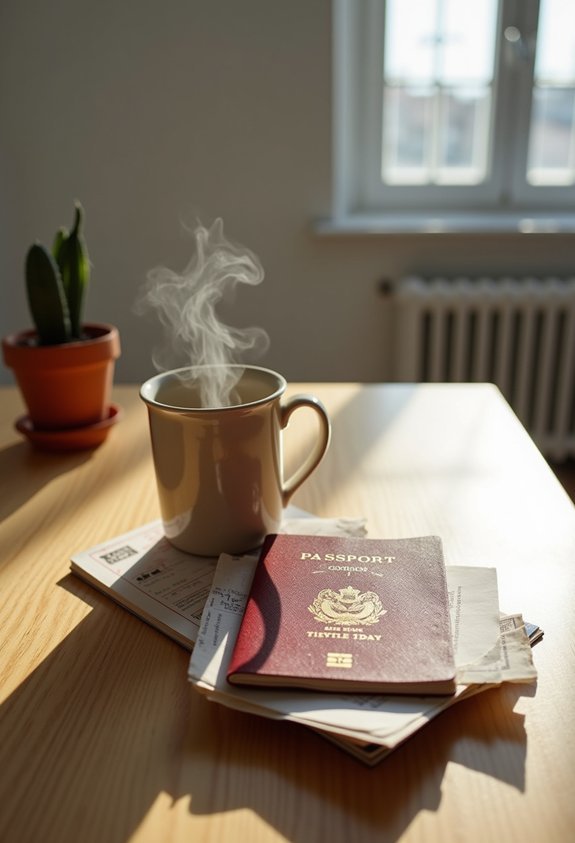
Even if you love the idea of “less stuff, more life,” it’s the tiny daily habits that actually keep you from sliding back into Amazon-at-1 a.m. mode.
You may also like:
You don’t need a full life makeover, you just need a few simple moves you repeat, over and over, until they feel automatic and kind of boring—in the best way.
- Practice mindful consumption: do quick spending audits, use shopping lists, try a no-buy week, and notice what actually makes you happier, then keep habit tracking so you see progress instead of guessing.
- Simplify your stuff slowly—capsule wardrobe experiments, light travel bags, small closet cleanouts—so letting go feels safe, not scary.
- Declutter your calendar too, choosing slow nights, walks, and honest talks over constant busyness and new purchases.
Each week, do a tiny review of your spending and note any impulse purchase triggers so you can see patterns, tighten your options, and line future buys up with what you actually value.
In case you were wondering
How Do I Handle Sentimental Items While Transitioning to an Experience-Focused Minimalist Lifestyle?
You handle sentimental items by practicing memory curation: photograph, scan, or journal key memories, then keep a small, intentional memory box. Use sentimental decluttering: release duplicates, donate meaningful pieces, and prioritize shared experiences over physical reminders.
Can Minimalism and Experience-Focused Living Work With Kids and Family Obligations?
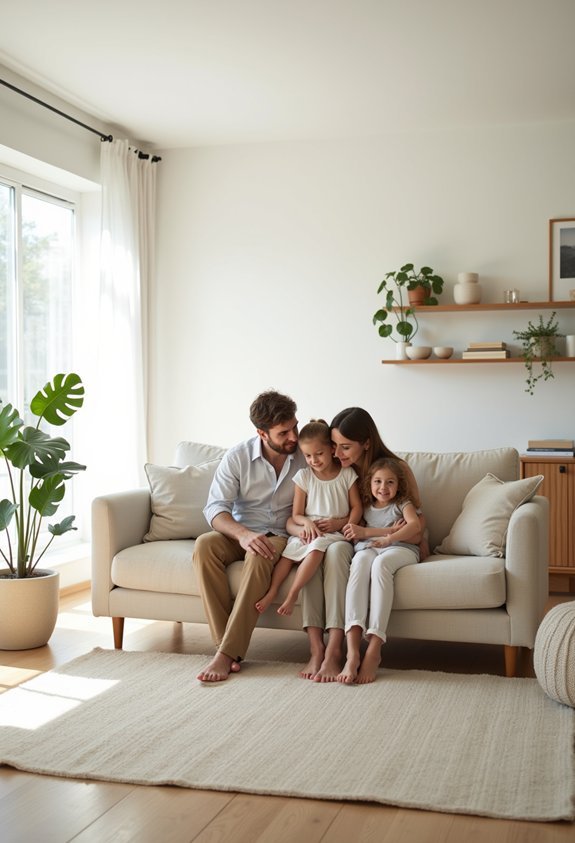
Yes, it can work. You simplify stuff, not love. Prioritize shared family activities, rotate toys, set clear limits, and practice mindful parenting so everyone values time together, creativity, and calm routines over clutter and constant shopping.
How Do I Navigate Social Pressure to Show Success Through Material Possessions?
Silently subvert shallow status signals: define success metrics by meaning, not merchandise. Question social expectations, curate your feeds, celebrate relationships and growth, and consistently choose purchases that match your values, not your peers’ projected priorities.
What Are Some Minimalist-Friendly Ways to Document and Remember My Experiences?
You document experiences by practicing creative journaling with brief notes, photos, and voice snippets. You prioritize memory preservation through curated albums, selective keepsakes, and occasional photo books, deleting excess so you keep only meaningful, easily searchable highlights.
How Can I Practice Experience-Focused Minimalism if My Partner Isn’T on Board?
You walk first, like lighting a small candle in a dark room. Use gentle communication strategies, share why experiences matter to you, invite small shared values experiments, model the benefits, and never shame their different pace.
Conclusion
You might think, “But I like my stuff!”—and that’s honest, you don’t have to toss everything tomorrow.
Just start small: choose a sunset walk with a friend instead of another random online haul, a game night instead of new decor, a weekend picnic instead of pricey gadgets you’ll forget in a drawer—those tiny swaps add up fast, and before you know it, your life feels fuller, lighter, and a lot more *you*.