The One Drawer That Started My Decluttering Journey
Studies suggest the average person spends over a year of their life looking for misplaced items, and much of that chaos starts in a single drawer. You open it, see old receipts, broken tools, random chargers, and shut it again. Instead of ignoring it, you can treat that drawer as a simple project with clear steps—and once you do, something unexpected happens to the rest of your space…
The Moment a Messy Drawer Became Impossible to Ignore
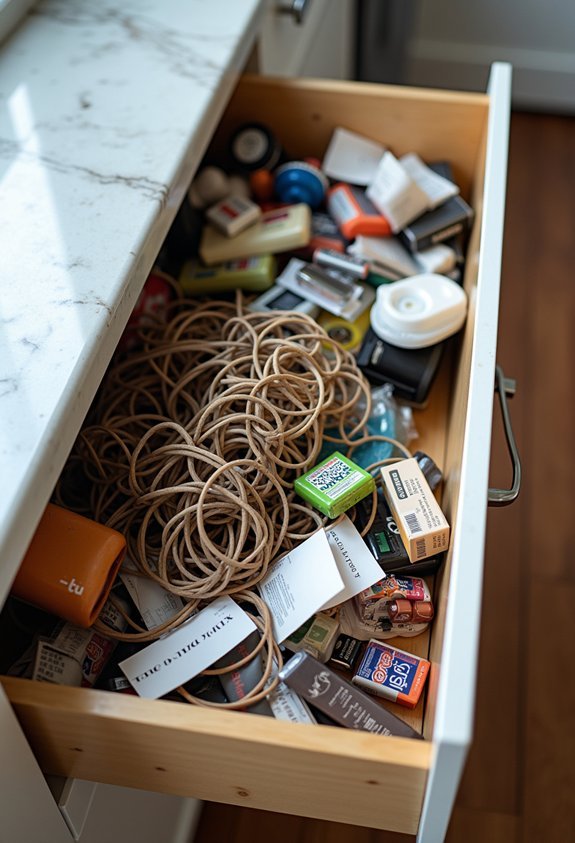
When you can’t shut a drawer without forcing it, that’s the moment you can’t ignore the mess anymore. You feel the resistance, hear things crunch, and realize your messy habits have turned one small space into daily friction.
First, pause and name the problem: this drawer doesn’t work.
Second, open it fully and really look; you’re not judging yourself, just assessing.
Third, notice categories—tools, receipts, chargers, random extras.
Fourth, decide what actually belongs near this spot and what doesn’t.
Fifth, remove everything, wipe the drawer, and return only essentials.
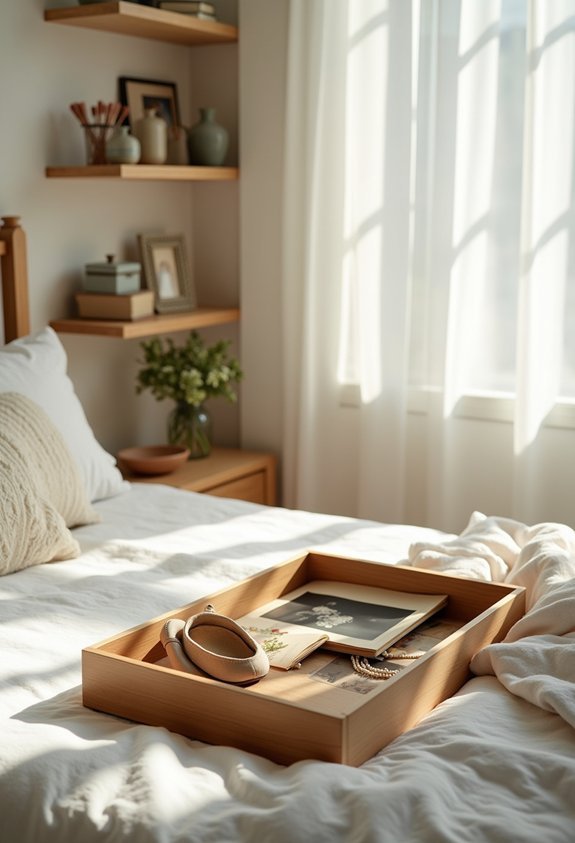
Finally, choose simple drawer solutions: a tray, a small box, or dividers.
You’ve taken one overloaded drawer and turned it into a clear, useful station. This single decision proves you can change how clutter works.
Uncovering What I’d Been Avoiding
Something shifts once you realize the clutter isn’t just random stuff—it’s a record of what you’ve been putting off. You stop seeing a messy drawer and start seeing decisions delayed, conversations avoided, responsibilities postponed.
First, name what each cluster represents: unfinished projects, unresolved paperwork, outdated identities.
Next, notice your emotional reactions. Which items sting, which feel heavy, which spark relief? You’re mapping your emotional attachments, not cleaning yet.
Then, identify patterns: do you avoid financial documents, sentimental notes, or anything tied to a past version of you?
Finally, acknowledge that the drawer also holds hidden treasures—proof of skills, relationships, and dreams you cared about. Recognizing both the weight and the worth prepares you to move forward intentionally.
That awareness becomes your roadmap for change.
Sorting Through the Chaos, One Item at a Time
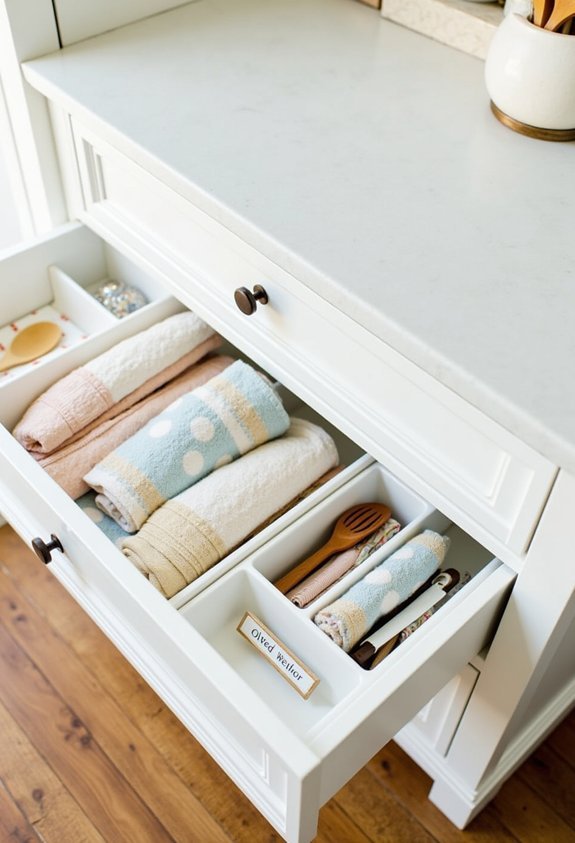
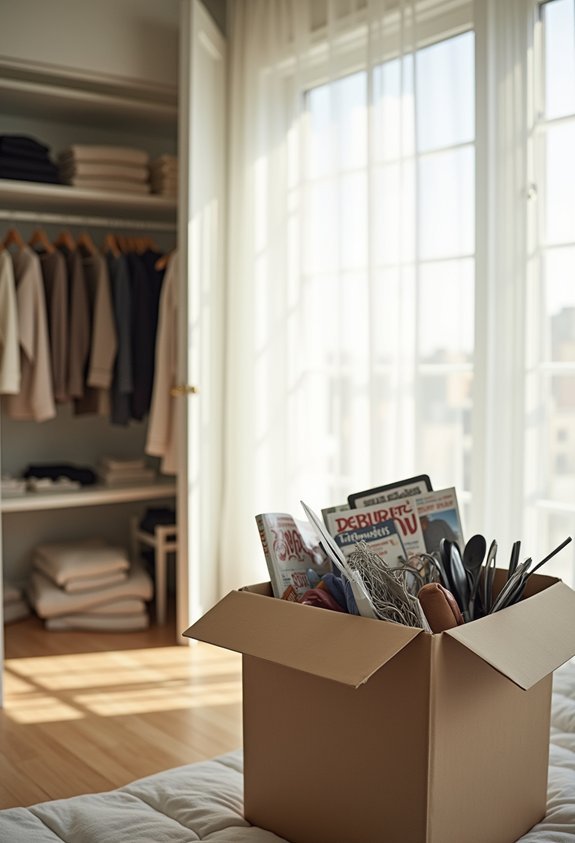
Start with a single item in front of you and give it your full attention. Don’t stare at the whole drawer; narrow your focus. Ask three questions: What’s it? When did I last use it? What purpose does it serve now? Name the decision, then act.
Use a simple system:
- Keep: you use it weekly or monthly.
- Store: you need it, but only seasonally.
- Repair: it’s useful, but broken or incomplete.
- Donate: it’s good, but doesn’t fit your life.
- Recycle/Trash: it has no real function left.
As you repeat this, the chaotic organization in the drawer dissolves. You’re training a minimalist mindset, choice by choice, item by item, until the space finally reflects how you live today.
You see progress, not overwhelming piles.
What That Pile of “Just in Case” Stuff Taught Me
Although it looked harmless at first, that pile of “just in case” stuff exposed how much fear and indecision were driving your clutter.
You saw how often you kept things because you didn’t trust yourself to cope without them.
Step one was naming the fears: running out, wasting money, needing backups.
Step two was separating sentimental attachments from vague anxieties; you asked, “Do I love this, or am I just afraid to lack it?”
Step three was testing practical considerations: “When did I last use this? What’s the realistic scenario I’ll need it?”
Finally, you realized every object demanded space, time, and attention.
That pile taught you your home isn’t storage for hypothetical problems; it’s support for real life.
You began questioning every backup.
Turning a Small Win Into a New Habit
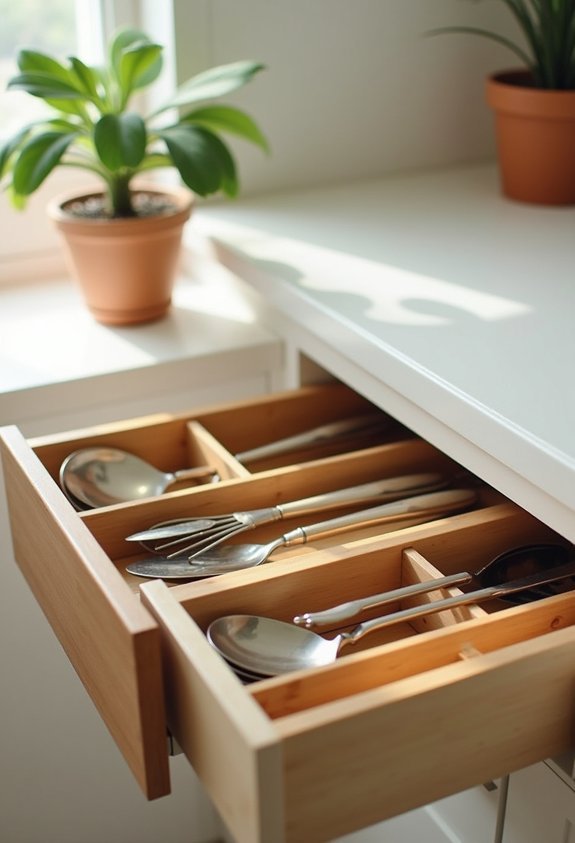
Once you’ve cleared even one small “just in case” pile, the key is to convert that win into a repeatable process.
Treat it as a lab for habit formation, not a one-off burst of energy. Start by naming what worked: your time limit, criteria, and finish line.
Treat each cleared pile as an experiment: capture your time limit, criteria, and finish line for next time
- Choose one tiny zone to tackle daily, no exceptions.
- Set a five‑ to fifteen‑minute timer so the task always feels doable.
- Use the same keep/toss/donate rules you used on that first pile.
- End each session by resetting the area fully, then stop.
- Record your small victories in a notebook or app to track momentum.
How One Drawer Changed the Feel of My Space
You’ve tested your system on small zones; now put it to work on a single drawer and notice how much it changes the room around it.
Start by emptying the drawer completely, then group items by function on a clear surface. Decide what truly supports daily life and remove the rest.
Next, assign each kept item a precise spot, using simple dividers so everything stands upright and visible. Step back and notice the cleaner lines and calmer drawer aesthetics.
Close the drawer, then scan the room. You’ll see fewer visual distractions, smoother surfaces, and easier movement.
That small pocket of order creates a subtle space transformation: you feel lighter, walk differently, and automatically put things back where they belong. That single change anchors everything.
Extending the Declutter Beyond That Single Spot
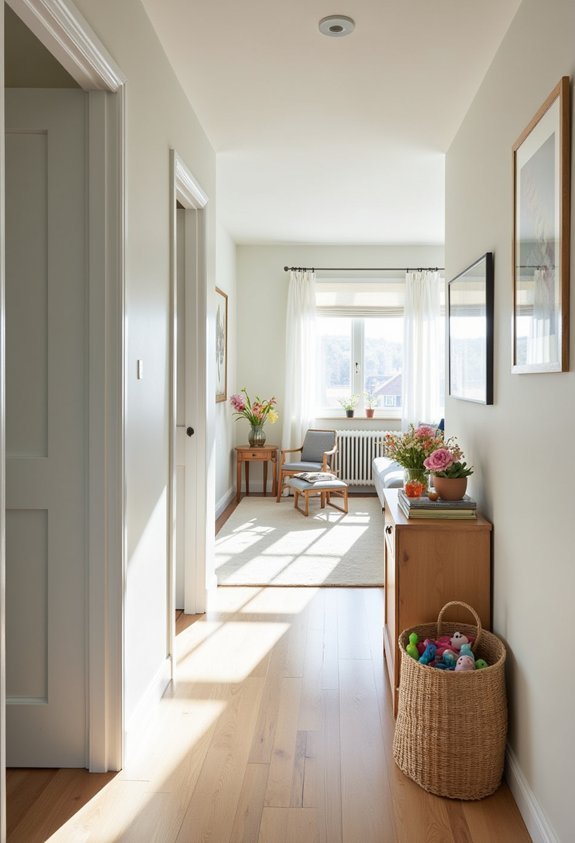
When that single drawer feels settled and reliable, treat it as a template and deliberately expand its influence outward.
Start with the nearest surface or storage zone so you build a clear path of order. Apply the same rules: define the drawer’s purpose, sort, edit, and containerize.
Begin with the nearest surface, define its job, then sort, edit, and gently contain everything.
Then move one step at a time:
- Choose the next small space: a shelf, bin, or desktop corner.
- Empty it completely and group items by actual use.
- Remove duplicates and rarely used things so you move beyond clutter, not just reshuffle it.
- Assign each remaining group a specific, labeled home.
- Do a one-minute reset each evening to protect your progress.
As you repeat this process, your drawer’s mindful organization quietly spreads through your home, room by room.
Emotional Surprises I Didn’t Expect Along the Way
Although decluttering seems purely practical, it quickly stirs emotions you mightn’t anticipate—guilt over wasted money, sadness tied to memories, anxiety about letting go, even unexpected relief.
First, notice what surfaces; simply name the feeling without judgment.
Second, ask, “What is this attached to?”—the person, the season of life, or the identity you’re afraid to lose.
Third, separate the memory from the object; remind yourself the story lives in you, not in the item.
Fourth, look for unexpected emotions like resentment, regret, or pride; each one offers personal insights about how you’ve spent time, energy, and money.
You may also like:



Finally, decide how you want to live going forward, and let that vision, not old emotions, guide what stays.
You’ll feel lighter, clearer, and more intentional inside.
Simple Steps to Start With Your Own “One Drawer”
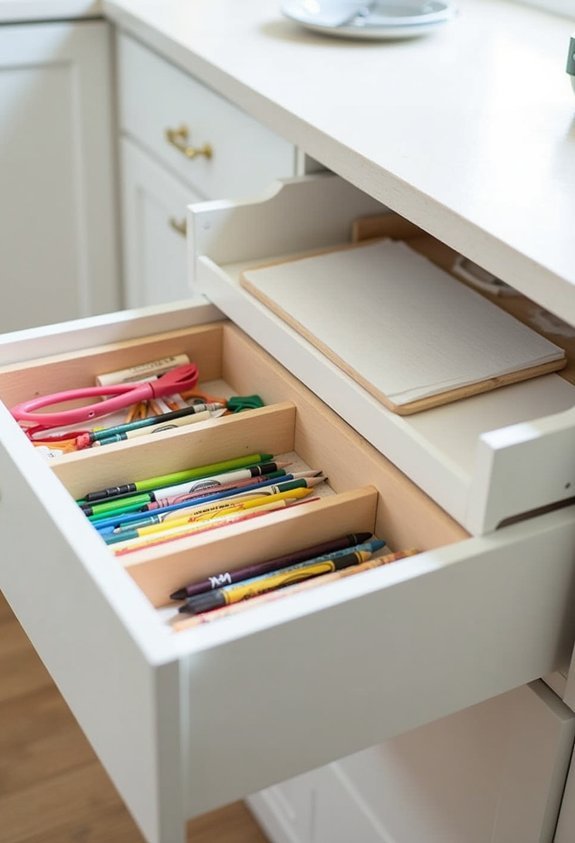
One small, clear starting point cuts through overwhelm, and that’s where your “one drawer” comes in.
Choose a contained space: a nightstand, desk, or kitchen junk drawer. Empty it completely so you can see what you own.
Then move through five precise actions:
- Group similar items together.
- Decide what you actually use weekly or monthly.
- Toss trash, expired items, and obvious duplicates.
- Create simple zones using boxes or dividers.
- Put back only what supports daily life.
Label sections if it helps maintain drawer organization.
Give every item a clear home or let it go. As you repeat this process elsewhere, you’ll train a minimalist mindset: question necessity, keep what serves you, and release what doesn’t.
This single drawer becomes proof that change is manageable.
Conclusion
Now you’re staring at your own “one drawer,” heartbeat just a little faster. You grip the handle, but wait—don’t yank it open yet. First, set a timer, grab a trash bag, a donate box, and a “decide later” container. Next, open the drawer and sort only what’s on top. Then one layer deeper. And then? That quiet click you hear isn’t just the drawer closing—it’s the moment your space, and routine, begin to shift forever.