The Real Reason Minimalism Made Me Happier
Studies suggest the average person spends over 4,000 hours in a lifetime just looking for misplaced items, and you might feel that in your own home. You’re not lazy or disorganized; you’re simply surrounded by too much. When you start letting go, you don’t just clear shelves—you clear mental static. What surprised you most, though, isn’t what you lose, but what quietly appears in the empty space.
From Overstuffed to Overwhelmed: The Turning Point
When your home is packed with possessions, there comes a quiet moment when you realize the stuff isn’t serving you anymore—it’s running you. You notice how often you move piles instead of finishing tasks.
Closets jam, drawers stick, and every surface holds overstuffed belongings that demand dusting, sorting, deciding. You feel late even when you’re on time because nothing feels simple.
Those small frictions add up to overwhelming emotions: irritability, guilt, anxiety. You may even avoid certain rooms because they remind you of postponed decisions.
This is your turning point. You don’t need a dramatic crisis; you just need to admit, “I’m tired of managing all this.”
From there, you can start releasing items and reclaiming mental space. Each choice builds a quieter rhythm.
Redefining “Enough” in a World of More
Although the world constantly urges you to want more, your well-being depends on learning what “enough” really means for you. Redefining enough starts with quiet value reassessment: What actually supports your health, growth, and relationships, and what just fills space?
Enough isn’t about having more; it’s about honoring what truly sustains your life.
You stop measuring your life by comparisons and sales, and start measuring it by alignment with your priorities.
When you know your personal “enough,” you can adopt an abundance mindset without chasing excess. You notice you already have enough comfort, enough tools, enough commitments to live in integrity with your values.
This clarity guides your choices: you say yes more intentionally, and no without guilt. Enough becomes a boundary, not a limitation—a clear line that protects your energy and attention every single ordinary day.
Clearing Physical Clutter to Expose Mental Noise
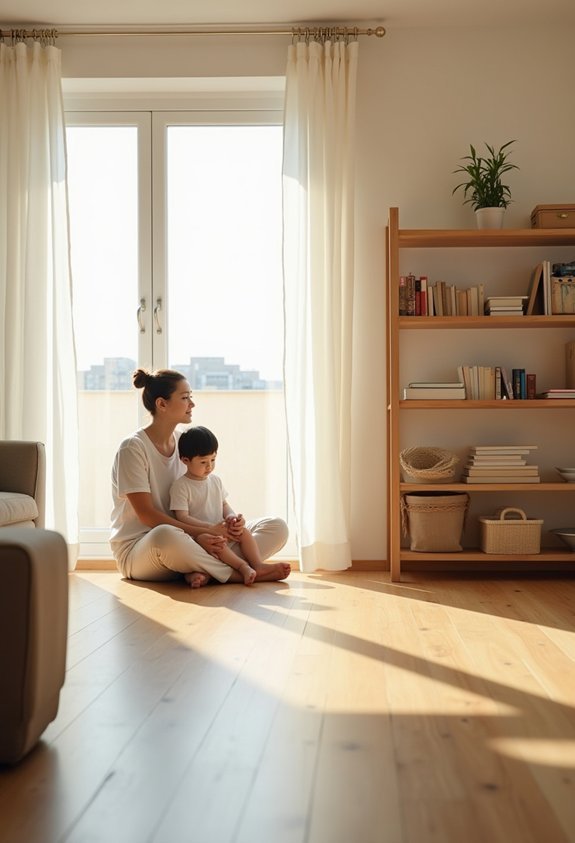
As you start clearing physical clutter, you quickly see that you’re not just sorting objects—you’re revealing the mental noise they conceal.
Each pile you question forces you to notice the story attached to it: guilt, fear, obligation, or pride. You’re not only deciding what to keep; you’re deciding which stories still deserve space in your life.
As surfaces open up, you feel mental clarity returning, like static fading from a radio. You can finally hear yourself think.
To stay grounded, notice what rises as you let things go:
- Old aspirations that no longer fit you
- Purchases tied to regret or comparison
- Gifts you’ve kept only to avoid disappointment
- Projects that quietly drain joy and emotional freedom
Let these insights guide gentler choices going forward.
How Letting Go Gave Me Back My Time
Instead of chasing more productivity hacks, I started letting go of what quietly consumed my hours: extra possessions, lingering commitments, and half-hearted obligations.
As you release similar clutter, you’ll notice something surprising: your calendar loosens. Fewer errands, fewer maintenance tasks, fewer guilt-fueled meetups. Time management becomes simpler because there’s less to manage. You stop color-coding chaos and start preventing it.
You might begin by listing what drains you weekly, then ask, “If I say no, what truly breaks?” Most things won’t.
As you cut the nonessential, you’re not becoming lazy; you’re practicing intentional living. The space you gain isn’t empty—it’s available. You can rest without rushing, finish projects you care about, and finally give attention to the people right in front of you daily.
Identity Without the Labels in My Closet
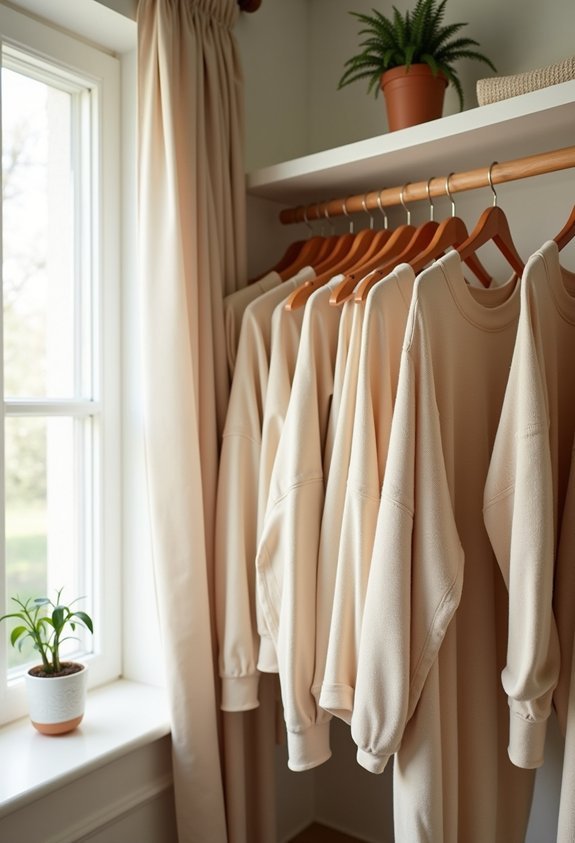
Why do so many of our clothes feel like costumes we’re auditioning our lives in? When you pare back, you notice how often a label tried to stand in for a self.
Minimalism invites identity exploration: who are you without the logos, trends, or aspirational sizes? As you release pieces that don’t match your real days, you gain closet clarity and quieter everyday mornings.
- Keep only what fits your body today
- Choose colors and fabrics you genuinely enjoy
- Let go of “someday” items tied to guilt or fantasy
- Repeat outfits that make you feel grounded
You’re not shrinking your personality; you’re stripping away noise. With fewer disguises, you show up more honestly, and your reflection starts to feel like a relationship, not a performance.
Space That Serves Me, Not Impresses Others
A home that truly serves you starts with an honest question: what do you actually do here, and what supports that?
Instead of arranging furniture for hypothetical guests, shape each room around your real routines. If you read every evening, let a chair, lamp, and small shelf claim that corner. If you cook often, clear counters and a few reliable tools matter more than trendy gadgets.
Treat every surface as functional, not decorative storage. Your personal space isn’t a showroom; it’s a tool for living. Practice intentional living by keeping what earns its place through daily use or clear purpose.
When you walk in the door, you should feel relief, not pressure to maintain appearances. Let comfort, clarity, and ease quietly guide every choice.
The Quiet Confidence of Owning Less
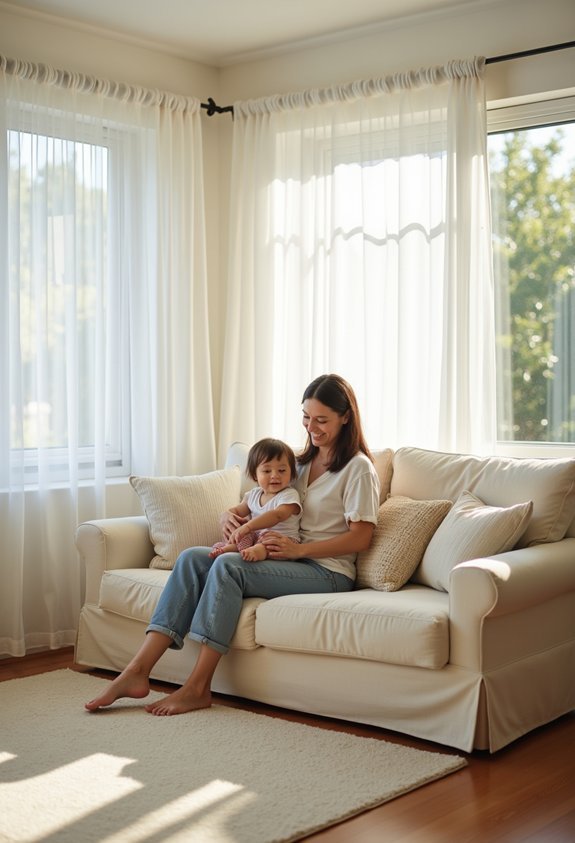
When you stop measuring your life by how much you own, a quiet kind of confidence starts to grow. You’re no longer chasing every trend or upgrade. You notice you stand a little taller, speak more honestly, spend more deliberately. Your worth isn’t on a receipt; it’s in your ability to make intentional choices that fit your values and real needs.
A simpler life quietly replaces status with self-trust, intention, and enoughness you can actually feel
A simplified lifestyle becomes proof that you can trust yourself.
You may also like:

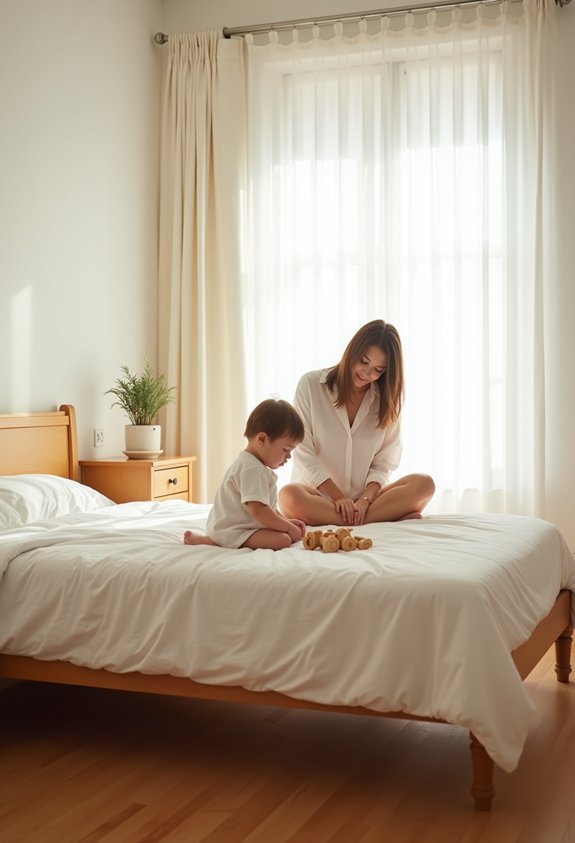
- You release backup clutter and keep only tools you actually use daily.
- You buy slower, compare less, and feel sure about saying “no, enough.”
- You maintain your home with less effort, so small routines truly stay sustainable.
- You redirect money toward stability and options, building calm confidence instead of fragile status over time.
Relationships, Presence, and the Gift of Undistracted Attention
Someone who’s lived with constant distraction knows how rare it feels to be fully seen and heard—and that’s where minimalism quietly transforms your relationships.
When you clear physical and digital clutter, you free attention for people, not objects or notifications. You look up more. You listen longer. You remember small details because your mind isn’t juggling as much.
Minimalism helps you create mindful connections: lingering conversations, unhurried meals, slow walks without your phone in your hand. You start giving intentional presence instead of half-listening while scrolling.
Practically, this might mean silencing your devices, setting simple routines, and choosing fewer commitments so you can show up fully. As you offer undistracted attention, intimacy deepens, and ordinary moments feel surprisingly rich for you and those around.
Choosing a Life That Aligns With My Values
Though minimalism often starts with decluttering your home, its real power shows up when you begin shaping a life that reflects what you truly value.
You stop living on autopilot and start making conscious choices about how you spend time, energy, and money. Instead of asking, “Do I want this?” you ask, “Does this support value alignment?”
Minimalism becomes less about owning less and more about choosing better. You might decide to work fewer hours, protect slow mornings, or say no to social obligations that drain you.
- Clarify three core values and write them down.
- Schedule weekly check-ins to review alignment.
- Remove one commitment that clashes with your priorities.
- Add one small habit that nurtures what matters most.
Let your days reflect your decisions.
Conclusion
You’ve seen how clearing space outside clears space inside. When you strip life down to what you truly need, your days stop feeling like a race and start feeling like a quiet walk home. Minimalism won’t fix everything, but it will give you room to breathe, notice, and choose. Start with one drawer, one habit, one yes or no. As you release the excess, you’ll uncover a life that already fits you from the inside.