19 Things Frugal People Never Waste Money On
If you want to keep more money in your pocket without feeling deprived, it starts with knowing what to avoid. Research shows big budget leaks often come from oversized housing, new cars, daily takeout, and silent killers like bank fees and high-interest debt. Frugal people systematically cut these, then target less obvious traps—like guilt-driven gifts, trend chasing, and poorly planned online orders. Once you see all 19, you’ll likely spot several you’re funding right now.
Oversized Housing and Unnecessary Space

Although bigger homes are often marketed as symbols of success, the data shows they’re usually quiet budget killers: larger houses cost more in mortgage or rent, utilities, insurance, taxes, furnishings, and ongoing maintenance.
Bigger homes signal status, but in reality they quietly drain your budget every single month.
Studies estimate each extra bedroom can add thousands annually, yet typical households regularly use only a few rooms. Frugal people refuse to fund empty space.
You start by tracking where you actually live in your home for 30 days. Then you compare that footprint to cheaper options.
Smart downsizing might mean one less bedroom, a smaller yard, or moving closer to work. You redirect savings to debt payoff, investing, or emergency reserves.
Minimalist living doesn’t mean deprivation; it means paying only for space that serves you—boosting your long-term financial resilience.
Brand-New Cars and Costly Auto Upgrades
Just as oversized homes quietly drain your budget, brand-new cars and flashy upgrades do the same on four wheels. When you drive a new car off the lot, it typically loses 10% of its value instantly and about 20%–30% in the first year.
Frugal people avoid tying cash to depreciating assets like this. Instead, you target reliability and total cost of ownership. You compare models’ maintenance records, insurance rates, and fuel efficiency.
You buy used, ideally three to five years old, after the steepest depreciation. You skip dealer add-ons, premium sound systems, oversized rims, and cosmetic mods that don’t improve safety or longevity.
Expensive Daily Coffee and Takeout Habits

While a $5 latte or $12 lunch feels harmless in the moment, the math tells a harsher story. Buying a $5 drink and $12 takeout sandwich just three times a week costs about $2,652 a year; daily, it jumps above $6,000.
Frugal people don’t pay restaurant prices for routine calories. You can keep convenience without bleeding cash.
First, downgrade café trips to once a week and use coffee alternatives at home: a $0.40 brewed coffee, cold brew concentrate, or a simple French press.
Next, start basic meal prepping: batch-cook grains, protein, and vegetables on Sunday, then portion them into grab‑and‑go lunches.
Track one month of reduced purchases; compare receipts to your prior spending so you can see the savings compound over the next year.
High-Interest Debt and Avoidable Fees
Skipping the $5 latte helps, but high-interest debt quietly erases those gains even faster. You may pay 20%–30% APR on credit cards, turning a $1,000 balance into hundreds in yearly interest.
Frugal people attack this first. List every debt, interest rate, and minimum payment. Use targeted debt management strategies: refinance high-rate balances, negotiate lower APRs, or transfer to 0% promo cards you can clear before the offer ends.
Automate payments to avoid late fees and dings to your credit score. Then set extra payments to the highest-rate debt while paying minimums on the rest.
For fee avoidance tips, opt out of overdraft “protection,” maintain a small checking buffer, and use bank alerts. You also review subscriptions, ATM usage, and foreign-transaction costs, eliminating avoidable charges.
Designer Clothing and Trend Chasing

Although a new logo hoodie or limited-edition sneaker can feel like a small reward, consistently chasing trends is one of the fastest ways to sabotage your savings rate.
Markups on designer clothing commonly exceed 300%, and most micro-trends lose relevance within months, not years. Instead of paying for logos, you pay for accelerated obsolescence.
Trend-chasing means renting status, not owning style—and paying luxury prices for built-in expiration dates.
Shift to a values-based wardrobe. Track cost-per-wear: divide price by the number of expected uses and aim for under $1 per wear.
Favor durable basics in neutral colors that mix easily. Use thrift store shopping and resale apps to buy high-quality pieces at a 70–90% discount.
Prioritize sustainable fashion: natural fibers, repairable construction, and timeless cuts. You’ll look polished while keeping hundreds annually in your pocket instead of in theirs.
Extended Warranties and Add-On Protection Plans
Ever notice how cashiers pitch extended warranties right after you’ve mentally “finished” the purchase? That timing isn’t accidental. Retailers earn huge margins on extended warranties and add on protection, often 50% or more of the price.
Yet Consumer Reports and SquareTrade data show most products never fail within the coverage window, and when they do, repairs usually cost less than the plan.
Instead of buying coverage, you build your own “self-insurance” fund. Set aside a small monthly amount in a high-yield savings account for future repairs and replacements.
Before any purchase, read the manufacturer’s warranty length, reliability ratings, and average repair costs. If the item’s failure risk is low or replacement is affordable, you confidently say no. You’ll save more over time by declining.
Premium Cable Packages and Unused Subscriptions

Saying no to pricey warranties is one quick win; canceling premium cable and unused subscriptions is often an even bigger one.
You probably watch only a fraction of the channels you pay for. Studies show the average household wastes hundreds yearly on forgotten memberships and overlapping streaming services. Treat subscriptions like any other bill: measure value or cut it.
- List every recurring charge and tag when you last used it.
- Downgrade to one or two streaming services that match your actual viewing.
- Set calendar reminders for free trials so you cancel on time.
Use strict subscription management: check bank and app-store statements monthly, and negotiate or cancel anything that doesn’t deliver clear, regular benefits.
You’ll see lower bills and higher savings.
Constantly Upgrading Phones and Gadgets
While new phones and gadgets launch every year with flashy marketing, the real numbers show frequent upgrading quietly drains your savings.
A flagship phone that costs $1,000 and is replaced every year effectively costs you about $83 a month, before accessories, cases, and interest if you finance it.
Frugal people stretch smartphone longevity to four or five years, dropping that cost to roughly $20 a month. They also understand tech depreciation: your phone loses most of its resale value in the first two years, so “trading up” rarely makes financial sense.
To spend smarter, disable upgrade reminders, buy only when performance or security truly limit you, and choose durable devices with replaceable batteries and ample storage to delay upgrades and protect your long-term savings.
Name-Brand Groceries Without Comparing Prices

Tech upgrades can quietly erode your budget, but so can your weekly cart if you grab name-brand groceries without checking prices.
Frugal shoppers know you’re often paying for marketing, not quality. They compare unit prices and switch when a store brand matches ingredients and taste. Studies show private labels can cost 20–30% less, saving hundreds per year.
Use quick price comparison habits:
- Scan shelf tags for unit price instead of package price.
- Test one category at a time—start with staples like rice, oats, or canned tomatoes.
- Track savings for a month; if quality holds, lock in the cheaper option.
You’ll reduce impulse loyalty to brands and build a repeatable system that keeps your grocery spending permanently lower without sacrificing taste either.
Gym Memberships They Don’t Regularly Use
A surprising share of household budgets leaks through gym memberships that rarely see a swipe—industry data shows that around 60% of members don’t go regularly, yet auto-billing keeps charging month after month.
Frugal people track usage: if you’re not going at least eight times a month, the per-visit cost often exceeds boutique studio prices. They cancel quickly and replace sunk-cost guilt with flexible options.
Frugal people audit memberships ruthlessly: when cost-per-visit climbs, they cancel fast and switch to flexible, lower-cost options
You can build an effective home workout using resistance bands, bodyweight moves, and free YouTube programs. Low-cost fitness apps provide structured plans, progress tracking, and reminders.
Outdoor activities—walking, running, cycling, or park workouts—add cardio without membership fees. Many cities offer inexpensive community classes at recreation centers or libraries.
Run a 90-day test: track visits and cancel if cost-per-use is high.
Impulse Purchases and Flash Sale “Deals

Although retailers frame flash sales and “limited-time offers” as savings opportunities, behavioral studies show they reliably trigger impulse buys that inflate monthly spending by 20–30% for frequent online shoppers.
Frugal people recognize these flash sale temptations as a pricing tactic, not a bargain. You can copy them by forcing a pause between desire and purchase.
- Track every unplanned checkout for a week and label it “need” or “impulsive buying”; most will fall in the second column.
- Disable one-click checkout and remove stored cards so extra steps give your rational brain time to engage.
- Create a 24-hour rule for nonessential buys; studies show cooling-off periods can cut online overspending by double digits.
Over time, you’ll redirect “deal” money toward real priorities and long-term financial goals.
Fancy Home Décor Bought Just to Impress Others
Just as flash sales push you to buy things you didn’t plan on, social pressure can nudge you into overspending on home décor that’s more about status than comfort.
Research on consumer happiness shows purchases driven by impressing others lose their appeal quickly, while clutter increases stress and reduces perceived well‑being.
When you chase trends, you pay high markups for fragile pieces you’ll replace soon. Instead, define your priorities: minimalist aesthetics, durable materials, and functional furnishings that serve daily life.
Before buying, ask, “Who is this for—me or my guests’ opinions?” Track how often you actually use or notice each decorative item.
If it doesn’t add comfort, utility, or real joy, keep your money. Redirect those funds toward savings, debt repayment, or experiences instead.
Single-Use Convenience Items and Disposables
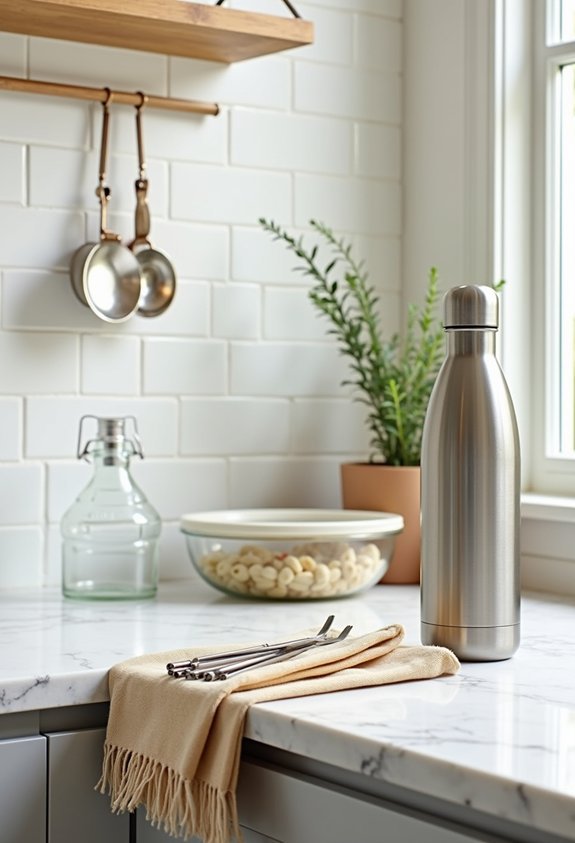
Disposable coffee cups, paper towels, takeout containers, and travel-size products look cheap in the moment, but their costs add up quickly and silently drain your budget.
You might spend $4 a day on coffee and $10 a month on paper towels; that’s over $700 a year on trash.
Frugal people track these leaks and replace them with reusable products and eco-friendly alternatives.
Start with items you use daily:
- Bring an insulated mug and water bottle instead of buying drinks on the go.
- Use microfiber cloths and washable napkins, not endless paper towels.
- Pack meals in glass or stainless-steel containers, not flimsy disposables.
Calculate a rough yearly total for each swap.
Seeing the hard numbers makes it easier to commit for the long-term savings.
Overpriced Vacations and Tourist Traps
Ever notice how “once-in-a-lifetime” trips quietly become once-a-year budget disasters?
Frugal people reject overpriced vacations because travel markups are massive: hotels often yield 60% margins, and tourist shops charge 200–400% more than local markets.
You avoid that by planning budget friendly travel around data, not hype. Compare total trip cost per day, not just airfare, and cap it at a fixed percentage of your annual income.
Skip packaged excursions; book directly with local operators after checking reviews and government tourism boards.
Track dynamic flight prices with alerts, then travel off‑peak when fares drop 15–40%.
Choose hidden gem destinations where your currency stretches, using cost-of-living indices and average nightly rates to decide.
You’ll enjoy richer experiences without financial hangovers and more space in your budget.
Frequent Dining Out Instead of Simple Home Meals

Although restaurant meals feel convenient, frequent dining out quietly erodes your budget because you’re often paying a 200–300% markup over the cost of the same meal cooked at home.
Restaurant convenience hides how quickly 200–300% markups on meals drain your budget.
When you eat out four times a week at $20 per meal, that’s over $4,000 a year—money that could cover groceries for several months.
Frugal people protect their wallets by building simple systems:
- Plan a weekly menu, then batch-cook 2–3 versatile dishes you can reheat quickly.
- Improve basic cooking skills so 15-minute stir-fries and sheet-pan dinners replace takeout.
- Keep a running list of cheap, go-to meals under $2 per serving to avoid impulse orders.
With consistent meal planning, you’ll cut food costs dramatically while still eating well most nights of the week.
Lottery Tickets and Get-Rich-Quick Schemes
While big jackpots and slick “easy money” pitches promise life-changing wealth, they quietly drain your finances and sabotage real progress.
The math is brutal: in many state lotteries, you’re more likely to be struck by lightning than win the top prize. When you buy tickets weekly, you don’t just lose money; you reinforce lottery myths that wealth comes from luck, not behavior.
Frugal people redirect that same cash into savings, debt payoff, or skills. You can do the same. Track how much you’ve spent on tickets or schemes this year.
Then, commit to a no-lottery month. Use free financial education resources to learn about compound growth, index funds, and side hustles that build predictable, repeatable income.
Over time, that discipline transforms your net worth.
Bank Accounts With Monthly Maintenance Fees

Easy-money traps don’t just appear in lottery lines; they’re also baked into everyday banking through monthly maintenance fees that quietly skim your balance.
Paying $10–$15 a month can cost you over $180 a year—money that could earn interest instead.
You don’t need to accept those fees. Compare accounts and switch to a no-fee option, especially at credit unions or online banking platforms that offer high yield accounts.
Look for:
- No minimum balance requirement
- Free ATM access or broad fee reimbursements
- Automatic transfers to savings so idle cash earns more
Run the numbers: if a no-fee account pays 3% and you keep $2,500 there, you’ll earn about $75 annually instead of losing money to pointless charges.
That’s effortless savings you control daily.
Excessive Gift Spending Driven by Guilt or Pressure
Holiday sales, birthdays, and social media “unboxing” posts can push you into overspending on gifts, especially when guilt or family pressure is involved.
Studies show most people spend 20–30% more than planned when emotions drive purchases, and guilt driven gifting is a major trigger.
You may also like:





Frugal people set firm budgets per person and stick to them, even when social pressure rises. You can decide a yearly gift cap, track it in a spreadsheet, and stop once you hit the limit.
Instead of buying bigger, focus on better: ask what the recipient actually needs, or give experiences, like shared meals or childcare.
You can also opt out of adult gift exchanges and suggest charity donations or low-cost Secret Santa swaps to keep generosity affordable and intentional.
Shipping Costs and Poorly Planned Online Orders

Impulse gifting has a hidden companion cost: shipping fees and rushed online orders that quietly drain your budget.
Retail data shows shipping often adds 10–30% to a purchase, and express options can double that.
Frugal people avoid this leak by planning purchases weekly, not emotionally. They use:
- Free click‑and‑collect or other low‑cost shipping alternatives instead of default express.
- Price trackers and wish lists to replace impulse buys with deliberate cart abandonment.
- A minimum-order threshold and shared orders with friends or family to unlock free shipping.
You can copy these habits today: set a monthly limit for shipping, batch non-urgent orders, and refuse “buy now for guaranteed delivery” prompts unless the item is truly essential.
This protects your cash flow and sanity.
Conclusion
When you stop paying for oversized houses, brand‑new cars, and mindless takeout, you don’t just save a few dollars—you redirect thousands over the years. Each avoided fee, skipped latte, and canceled subscription becomes a brick in your financial safety net. Treat your budget like a data-backed experiment: track every change, measure the results, and keep what works. Over time, you’ll watch your savings rise like a steady tide, lifting every part of your life.