19 Things I Do Every Day for a Simpler Life
You keep life simpler by doing small things on repeat—like starting your morning without your phone, walking for 30 minutes, and eating the same easy breakfast so you’re not rage-staring into the fridge. You plan your top three tasks, do a quick 10-minute tidy, connect with one person on purpose, and put stuff back where it belongs. Then you quickly check your spending and set out tomorrow’s clothes, and that’s where the real magic starts.
What you will leave with
- Start the day phone-free with a brief mindfulness practice to calm your nervous system and set a clear, intentional tone.
- Move your body and hydrate daily to support mood, energy, and mental clarity with minimal effort.
- Simplify meals and routines (like a repeatable breakfast and nightly prep) to cut decision fatigue and morning stress.
- Set digital boundaries—use tech-free zones and limited notifications—to protect focus, rest, and meaningful connection.
- Do small daily maintenance: a quick money check-in, one decluttering action, and a single “no” to unnecessary commitments.
Start the Morning Without My Phone

How many times have you opened your eyes, grabbed your phone “just to check one thing,” and then—whoops—20 minutes are gone and you already feel behind?
Try this instead: when you wake up, leave your phone facedown across the room, and give yourself just two quiet minutes.
When you wake up, keep your phone across the room and gift yourself two undistracted minutes
That tiny gap creates morning mindfulness, lets your brain wake up gently, and keeps you from diving straight into bad news, emails, and everyone else’s drama. Even a short, phone-free pause gives your nervous system a chance to reset, much like a mini five-minute check-in that reduces overload before it spirals into full-blown overwhelm.
Those small, phone free benefits stack up—less anxiety, clearer thinking, better mood, and fewer “why am I already stressed?” moments.
You’ll feel more present with yourself and the people around you, and you can actually decide what matters today, before the internet does.
Move My Body for At Least 30 Minutes

You’ve protected your mornings from the chaos on your phone—now it’s time to help your body wake up too.
Think of 30 minutes of daily movement as your “system update”—boring name, huge exercise benefits.
It doesn’t need to be fancy. Walk the dog a little longer, dance while you clean, pace during phone calls—light movement like this already lowers your risk of heart problems and early death, especially when you’re not sitting all day.
If you can, add some moderate stuff—brisk walking, biking, climbing stairs. Just 30 minutes can boost mood like therapy, ease anxiety, and help you sleep, because it nudges brain chemicals (the good ones) into balance. Just like clearing clutter lowers decision fatigue and calms your nervous system, moving your body daily reduces the mental “background noise” that keeps you stuck in stress.
Not a gym person? Cool. Just move—every day, on purpose.
Eat the Same Simple Breakfast
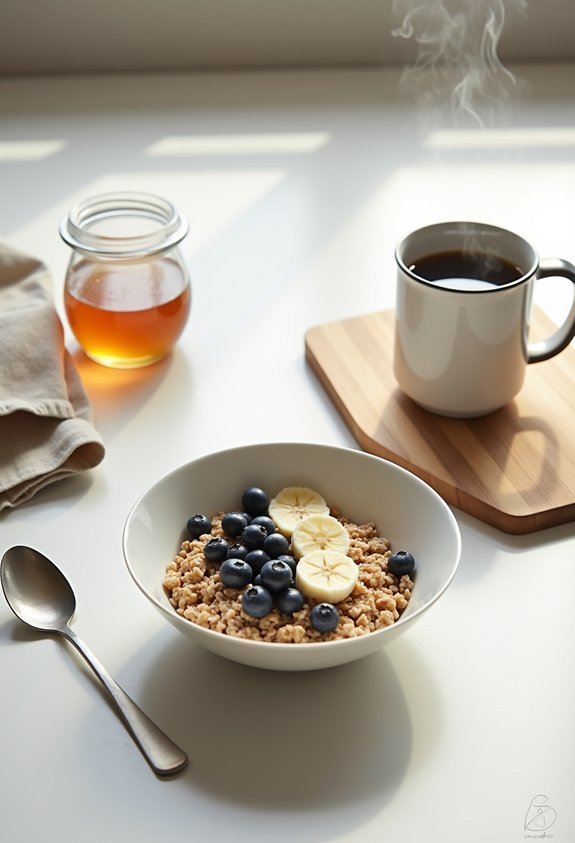
Even if the rest of your day looks like a circus, your breakfast doesn’t have to audition for new tricks.
Pick one simple combo—say oats, yogurt, fruit, and nuts—and repeat it, letting breakfast benefits show up quietly every morning.
This tiny routine becomes one of your strongest morning rituals, because habit building loves repetition, not drama.
Meal simplicity cuts decision fatigue, boosts mental focus, and keeps nutrient balance steady, while small swaps (berries one day, banana or seeds the next) still give you enough food variety to stay interested.
You also win at grocery efficiency—fewer random items, less waste, faster trips.
And on those chaotic mornings when everything’s on fire, your breakfast is already solved.
A familiar, predictable breakfast becomes part of a gentle morning routine that signals safety to your nervous system and helps you start the day feeling calmer and more regulated.
Plan My Top Three Tasks

When your day feels like a giant to‑do list exploded in your brain, choosing a simple “top three” calms the mess fast.
When your brain feels like confetti, a simple daily “top three” pulls everything back into focus.
Start by brain‑dumping everything, then use a few task prioritization techniques so your list doesn’t bully you. Ask, “What’s my one MIT—Most Important Task—today?” That’s your A1, your MoSCoW “Must,” your high‑impact, no‑excuses job.
Next, pick two more, using daily productivity strategies that keep things realistic, not heroic. Maybe one “Should” task, then a quick win—something small, low effort, but satisfying, so you actually feel momentum instead of dread. This kind of lean, achievable list helps you stop overloading your to‑do list and focus on what truly moves the needle.
Everything else? It’s “Could,” “Won’t,” “Fill‑ins,” or “Delete.” You’re not lazy for not doing them—you’re just the boss now.
Do a 10-Minute Tidy-Up

Two words that sound tiny but feel life‑changing: “ten minutes.”
Set a visual timer, pick one small spot—bathroom counter, couch, or paper pile—and just start quick cleaning.
The tidy up benefits sneak up on you, because this tiny habit shifts you into a decluttering mindset without drama or all‑day cleaning marathons. You’re breaking mess into bite‑size pieces, which secretly doubles as smart time management and gentle stress reduction, since you’re moving your body, clearing surfaces, and proving, “Hey, I *can* handle this.”
You’ll notice focus improvement and mental clarity, especially when you do it as part of your daily routines—an evening reset, a mail sort, a mini pantry sweep—nothing fancy, just ten minutes that don’t boss your whole day around. Adding this daily ten‑minute tidy naturally supports simple daily decluttering habits, keeping mess manageable and preventing overwhelming clean‑up sessions later.
Batch Similar Tasks Together
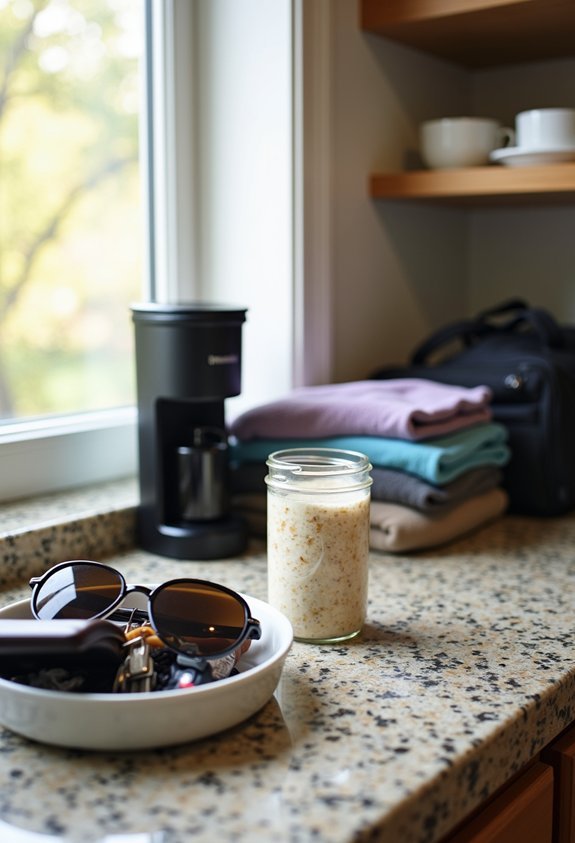
Ten‑minute tidy time helps your space; batching helps your brain. Instead of hopping between email, texts, and half-finished reports, group similar tasks together—this simple task organization trick supercharges time management and cognitive efficiency.
Try this: answer all emails in one block, then do calls, then writing, protecting each block like it’s sacred (because honestly, your focus is). You cut setup time, boost workflow optimization, and feel mental clarity return—like taking off ten mental backpacks you forgot you were wearing. By reducing constant context switching, batching also shields your brain from decision fatigue, preserving mental energy and making it easier to stay calm and satisfied with your choices.
Batching gives real productivity enhancement, focus improvement, and stress reduction, because you’re not constantly wondering, “What now?” You just follow the plan, ride the momentum, and save your best mental energy for the work that actually matters.
Keep Meals Minimal but Nutritious

One of the easiest ways to simplify life is to stop making every meal a big production. Aim for basic, balanced plates—protein, grain, veggies, fruit, maybe dairy—nothing fancy, just real food that fills you up. When you keep food simple, you also lower decision fatigue around eating, freeing up mental energy for what actually matters in your day. Use “ingredient optimization” instead of chef-level skills, buying a few staples you can spin into different meals, like chicken, rice, beans, frozen veggies, and oats, so you get great nutrition without eighty random jars in your pantry staring at you in judgment.
Plan simple meals once or twice a week, keeping meal variety small but smart—tacos, stir‑fries, big salads, bowls—then repeat them, mixing sauces or veggies.
It’s not boring, it’s peaceful, and it quietly protects your budget, your health, and your energy.
Drink Water Before Anything Sugary

Before you grab that soda, juice, or fancy iced coffee, make it a rule to drink water first.
You don’t have to quit sugar forever, you just give water a head start—and those water benefits add up fast.
Here’s how this tiny habit helps:
- It calms hunger, so you snack less, which quietly supports your weight and metabolism without weird diets.
- It steadies blood sugar, so you dodge those crash-and-crave cycles that lead to “accidental” cookie attacks.
- It keeps joints, digestion, and brain happy, cutting headaches, brain fog, and random aches you swear came from sleeping.
- It protects teeth and skin, rinsing away sugar while keeping your face more “glow” than “wilted salad.”
Easy hydration tips: keep a filled bottle nearby—always. Drinking water first is also a tiny daily way to practice intentional living, the same mindset that turns minimalism into a tool for clearer space, time, and energy.
Take a Short Walk Outside

Two things can turn a messy day around fast—good light and fresh air—and a short walk outside gives you both.
Think of it as a tiny reset button, not a workout event, just 15 minutes around the block, phone in your pocket, breathing real air instead of email fumes.
Those 15 minutes come with big walking benefits—lower risk of heart disease, better blood pressure, even longer life—which is wild, considering you’re basically just…moving your legs.
Brisk steps help most, but any pace beats “scrolling on the couch.”
Use outdoor mindfulness too—notice three things you see, hear, and feel (dog barking, wind on your face, sun on brick), and let your brain unclench, one step at a time.
Over time, this simple walk becomes practice for being present instead of productive, letting you notice the actual moment you’re in rather than how many things you’ve checked off.
Say No to One Unnecessary Thing

Even though it sounds tiny, saying no to just one unnecessary thing each day can feel like magic. You’re not being rude—you’re doing smart commitment evaluation, choosing what truly matters instead of saying yes on autopilot.
Try this simple habit:
- Say no to one extra invite (the “we should totally hang out” you dread already), and enjoy guilt‑free rest.
- Skip one unhealthy “treat” you don’t even want that much—like the third soda or random drive‑thru snack.
- Turn down one non-essential favor at work or home, and protect your focus and sanity with gentle boundary setting.
- Refuse one small purchase or trinket, and keep your space—and bank account—a little lighter.
Each small daily “no” is a form of self-respect that protects your time, energy, and mental health from quiet burnout.
One daily “no.” Huge quiet relief.
Limit My Daily Screen Time
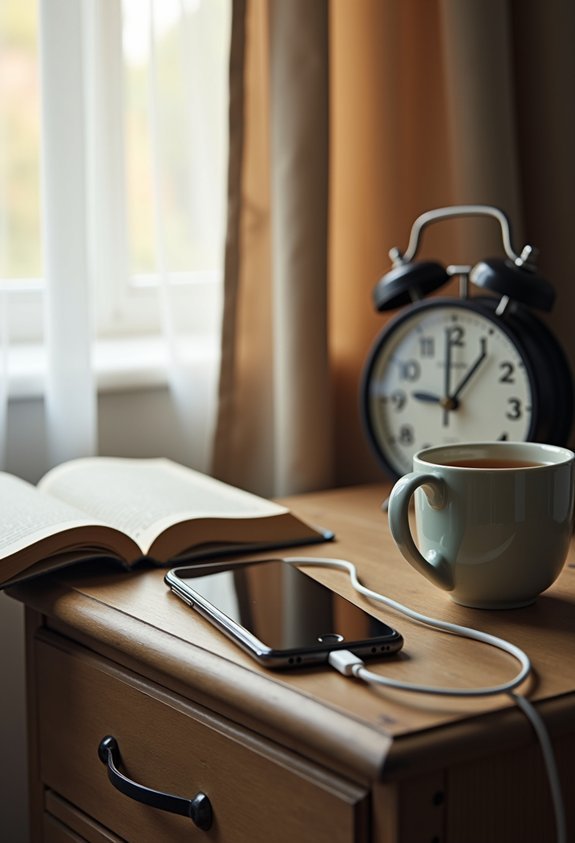
Saying no to one extra thing each day feels powerful—now imagine doing that with your screens.
You don’t need a full screen detox, you just need kinder digital boundaries that give your brain a break.
Try shrinking your daily screen time a little—especially endless videos and social scrolls—so you notice fewer health impacts, like eye strain, headaches, and that weird foggy feeling after “just one more episode.”
Trim just a bit of scrolling and streaming to ease eye strain, headaches, and that post-binge brain fog
Create tiny tech free zones: the table (device free meals), the bedroom, maybe the car on short drives—yes, even for family screen time.
Then do a quick digital declutter—turn off random notifications, move tempting apps, log out.
You’re not banning fun—you’re trading a few hollow clicks for quieter, quality interactions.
Use a Simple Checklist to Track Habits
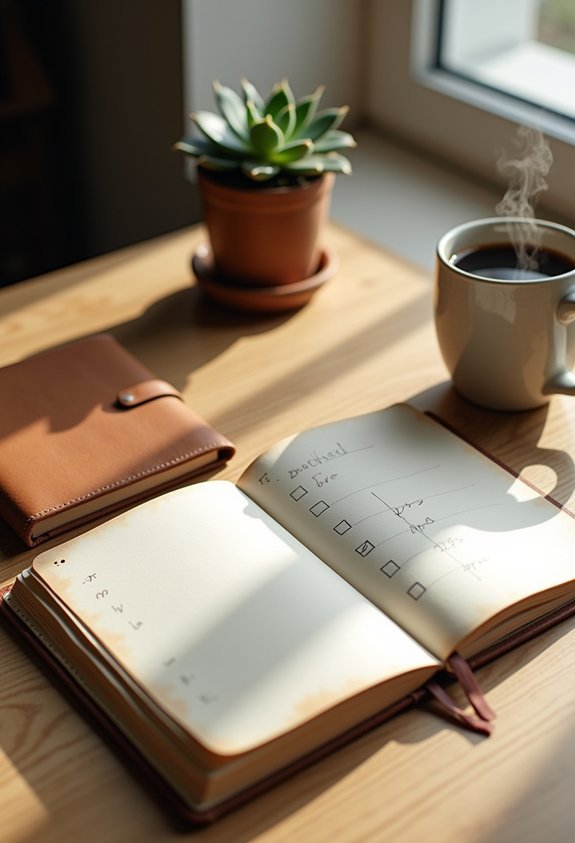
If your days feel a bit fuzzy and “where did the time go?”, a tiny habit checklist can be your new sidekick. Habit tracking gives you accountability benefits without a coach hovering—just simple visual reminders and honest daily progress.
Try a small list, nothing fancy:
- Drink water
- Move your body
- Take meds / vitamins
- Read 5 pages
Each checkmark gives a hit of intrinsic motivation, helps routine formation, and offers quick behavioral insights—like noticing you never hydrate on busy days.
That same list quietly supports health monitoring, stress reduction, focus maintenance, and efficiency improvement.
You stop guessing, you start seeing patterns, and you lean into process orientation—less “perfect results,” more “showing up today,” even if today looks a little messy.
Practice One Stress-Reducing Ritual

Some days your stress feels like it woke up before you did, made coffee, and took over the house.
That’s when one small, steady ritual saves you.
Pick one stress‑reducing ritual and give it real ritual significance—like lighting a candle, taking ten slow breaths, then jotting one page in a notebook.
Pick a single calming ritual and repeat it until your nervous system learns to exhale
You’re not just “calming down,” you’re following steps your brain learns to trust, which brings powerful anxiety relief, lowers mental noise, and tells your body, “We’re safe, stand down.”
Keep it simple but repeat it often—before work, a meeting, or a hard talk—because the predictability, not the length or drama, does the magic, gently pulling your mind from chaos back into order.
Prioritize Sleep at the Same Time Each Night

One simple habit quietly runs your whole life—what time you go to bed and wake up.
When you keep sleep consistency, your body finally relaxes, like, “Oh good, we’re doing this again.” Your circadian rhythm steadies, your brain clears, and your mood doesn’t swing like a wrecking ball.
Try this simple plan:
- Set one bedtime and wake time (yes, even weekends), and guard them like important appointments.
- Build a short bedtime routine—low lights, phone away, maybe stretching or reading.
- Fix your sleep environment: cool room, dark curtains, quiet fan, comfy pillow.
- Use light relaxation techniques—slow breathing, easy music—to signal “sleep mode.”
You’re not chasing perfect sleep duration, you’re building sleep hygiene that stacks real health benefits over time.
Spend a Few Minutes in Quiet Reflection

Even though your days feel packed, a few quiet minutes with your own thoughts can change the whole vibe.
Think of it as a tiny reset button—one you actually control, unlike your inbox.
These mindful practices give real cognitive benefits and stress reduction, helping your brain slow down, sort through noise, and find mental clarity.
You notice your feelings instead of stuffing them down, which quietly supports emotional growth, self awareness, and better choices when life feels messy and rushed.
Try daily journaling, a short pause in your parked car, or sitting with tea—no phone, no podcast, just you.
In those small pockets, creative thinking wakes up, personal insights pop through, and your reflective habits start shaping a simpler, steadier life.
Connect Intentionally With One Person

Real magic happens when you stop trying to “be social” with everyone and just really show up for one person.
Pick one coworker, friend, or family member, and give them real attention—no half-texting, no glancing at email.
Try this:
- Practice active listening — let them finish, pause, then reflect back what you heard, even if you’re “pretty sure” you already know.
- Watch non‑verbal cues, like their eyes, hands, and posture—these usually tell you more than their words.
- Schedule small check‑ins, a 10‑minute walk or video call, for simple but meaningful dialogue that keeps you both grounded.
- Put your phone face‑down, close extra tabs, and let that person feel like the only human on your planet—for five minutes.
Put Everything Back in Its Place
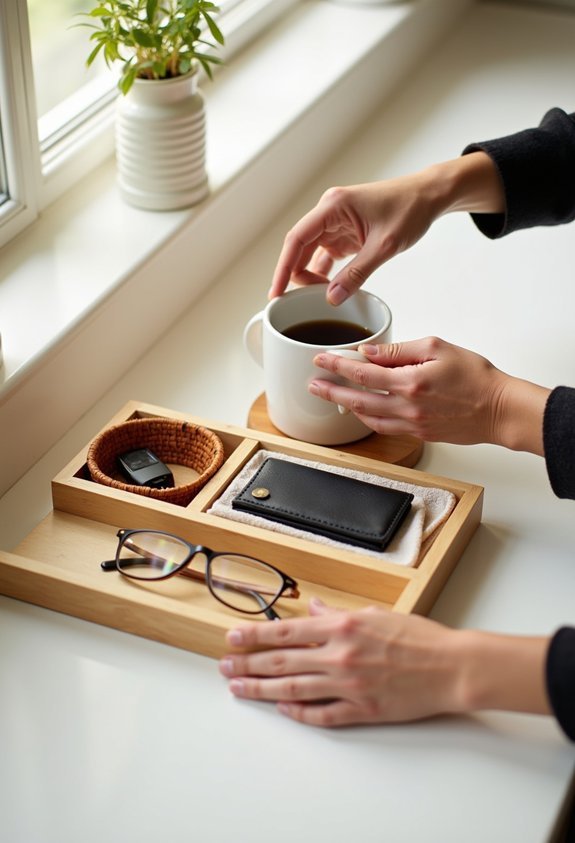
You know how showing up fully for one person makes your day feel calmer and more grounded?
Putting everything back in its place does that for your space.
Putting things back where they belong restores calm to your home the way presence restores calm to your mind
It’s simple clutter management: keys in the bowl, chargers in a drawer, mail in one spot, shoes by the door. That tiny habit brings huge organizational benefits—mental clarity, emotional regulation, and a sneaky productivity boost—because you’re not wasting energy hunting for scissors or that one clean mug you “just had.”
Plus, you get time efficiency, better physical health (less dust, fewer tripping hazards), and easier social interactions—no panic-cleaning before guests.
Think of it as a quick mindfulness practice built into your cleaning routines, like telling your brain, “We’re okay, it’s handled.”
Review My Spending Briefly

One tiny money habit changed my stress level more than any fancy budget app—glancing at my spending for five minutes.
You don’t need a full “money summit,” just a quick check-in so those 46+ monthly payments don’t sneak up on you.
Try this tiny routine:
- Open your bank or card app, scan the last day or two of charges, and spot anything weird.
- Look at your spending categories—food, rides, fun—and notice which one’s already yelling for help mid‑week.
- Make tiny budget adjustments, like “one less takeout,” instead of swearing you’ll never eat again.
- Cancel or pause one useless subscription (yes, even that app you forgot existed).
Five minutes, less worry, more control.
Prepare for Tomorrow the Night Before

Two tiny choices at night can save you from ten mini‑meltdowns in the morning.
Lay out clothes, pack your bag, and put keys in the same spot—future‑you will want to hug you.
This tiny bit of nighttime organization cuts morning decisions, so you’re not half‑dressed, holding cold toast, wondering where your laptop went.
Plan tomorrow’s top three tasks, make breakfast or lunch simple (hello, leftovers), and you’ll walk into the day already a step ahead, not chasing it.
You may also like:





Then add one more layer—sleep hygiene.
Turn off screens 30 minutes before bed, stretch, read something light, and let your brain power down slowly, so you fall asleep faster and wake up calmer, less snappy, and a lot more you.
In case you were wondering
How Do You Stay Consistent With These Habits During Busy or Stressful Weeks?
You stay consistent by protecting sleep and meals first, using stress management breaks, and scheduling exercise. You set habit reminders, plan groceries and backups, and involve buddies so shared routines and accountability keep you on track when weeks explode.
What Tools or Apps Do You Use to Support a Simpler Daily Routine?
You use TickTick for task management and habit tracking, Rize or Toggl for focused work, Sunsama for planning, and Zapier or IFTTT to automate busywork. You also practice digital decluttering by reviewing and pruning apps weekly.
How Long Did It Take Before These Habits Felt Automatic and Natural?
You’d likely feel these habits become automatic and natural after about 2–3 months of consistent habit formation. Simpler daily rituals might click sooner, while more complex behaviors can take many more weeks of steady repetition.
What’s Your Strategy for Getting Back on Track After Falling off Your Routine?
You pause, breathe, and name the slip—then you launch a routine reset: plan your next tiny action, text a supporter, schedule sleep, food, and movement, and use each win as a motivation boost for tomorrow.
How Do You Adjust These Habits When Traveling or Visiting Family?
You adjust habits by shrinking them: protect sleep, hydration, and movement, then flex timing. Use travel adjustments like portable gear, alarms, and simple cues. Anchor behaviors to family routines—meals, walks, bedtime—so you’re consistent without feeling rigid or antisocial.
Conclusion
So try one or two of these tiny habits tomorrow—don’t wait for “perfect Monday 2.0” to magically appear.
You’ll forget some days, sure, and sometimes your phone will win, and the dishes will stage a coup, but each small choice—top three tasks, 10‑minute tidy, same breakfast—stacks up like quiet little superpowers, turning your loud, messy, “Windows 95‑brain” life into something softer, calmer, and actually yours.