15 Things I Stopped Buying to Afford What I Really Want
You’re probably draining thousands yearly on daily coffee runs, impulse buys, unused gym memberships, and streaming services you forgot existed. That $6 latte habit? Nearly $2,000 gone. Weekly gas station snacks, $12 lunches, retail therapy sessions—they all add up faster than you’d think. The secret isn’t deprivation; it’s redirecting money toward what actually matters by meal prepping, making coffee at home, canceling forgotten subscriptions, and waiting 30 days before buying that shiny new gadget, so you’ll finally fund those dreams collecting dust.
Key Takeaways
- Daily coffee and gas station purchases waste $2,000+ annually; making coffee at home and packing snacks redirects savings toward personal goals.
- Eating out for lunch costs $240 monthly; meal prepping budget-friendly recipes on Sundays dramatically reduces expenses and improves satisfaction.
- Retail therapy and impulse purchases accumulate quickly; shopping with lists, removing payment apps, and evaluating necessity prevents wasteful spending.
- Unused streaming services and gym memberships drain $80+ monthly; regularly auditing subscriptions and using free alternatives saves substantial amounts yearly.
- New books and tech gadgets create buyer’s remorse; libraries, used items, refurbished devices, and 30-day waiting periods eliminate unnecessary costs.
Daily Coffee Shop Purchases
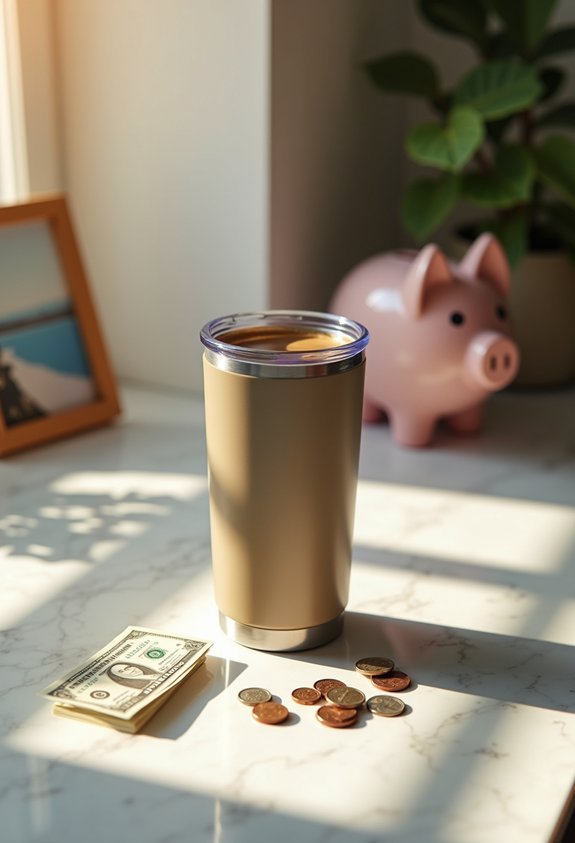
Looking back, I can’t believe how much money I was literally pouring down my throat—one venti latte at a time.
That daily $6 habit? It was costing me nearly $2,000 a year—money that could’ve funded an actual vacation instead of just fueling my 9 AM Monday survival strategy.
I was funding coffee shop profits instead of my own dreams—$2,000 a year, one overpriced latte at a time.
Here’s what changed everything: I discovered coffee shop alternatives that didn’t make me feel deprived.
I bought a decent coffee maker (one-time cost, paid for itself in three weeks), learned some basic homemade coffee recipes, and suddenly I was that person with the fancy kitchen drinks.
Cold brew in summer.
Cinnamon lattes in fall.
The best part? I actually enjoyed my morning routine more, and my bank account finally stopped judging me.
Once I tracked my spending patterns over a few weeks, I realized my coffee runs were less about caffeine and more about emotional triggers—using that morning ritual to manage stress before facing my inbox.
Impulse Buys at Retail Stores
Whenever I walked into Target “just for toothpaste,” I’d somehow leave with decorative throw pillows, a new candle collection, and—inexplicably—a cheese grater shaped like a hedgehog.
You know the feeling.
What I thought was harmless retail therapy was actually destroying my budget planning. Those $15 here and $20 there purchases added up to hundreds monthly—money I could’ve used for things I actually cared about.
Stores are designed with layouts that strategically guide you past high-margin items, turning a quick errand into an expensive shopping trip.
Here’s what changed everything: I started shopping with a list and left my credit card in the car (taking only enough cash for planned items).
Sounds extreme? Maybe. But it worked.
Now I ask myself: “Will I remember buying this next month?” If the answer’s no, it stays on the shelf.
The hedgehog grater? Still haunts me.
Unused Subscription Services
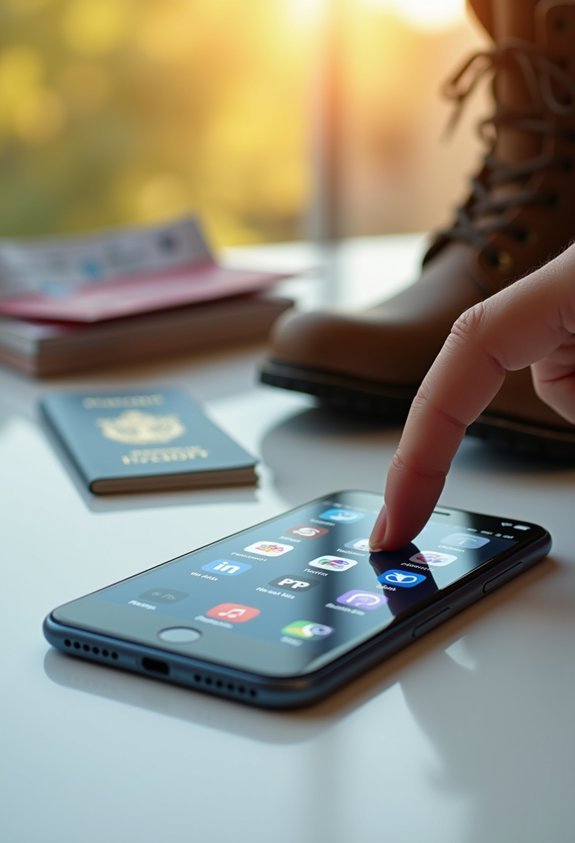
Last month, I finally checked my bank statement and discovered I was paying for seven—yes, *seven*—streaming services I barely used.
That’s when I realized streamlining subscriptions wasn’t just smart—it was necessary if I wanted to afford things that actually mattered to me.
Streamlining subscriptions isn’t just smart—it’s necessary when you want to afford what actually matters.
Here’s what worked: I spent one afternoon evaluating needs versus wants. Did I *really* need three different music apps? (Spoiler: no.)
Was I using that meditation subscription I signed up for during my New Year’s resolution phase? (Also no.)
I canceled everything except two services I genuinely used weekly.
The savings? Almost $80 monthly.
That’s nearly $1,000 yearly—money I’d rather spend on experiences, not forgotten login credentials.
The truth is, subscription models leverage behavioral design to keep us consuming on autopilot, making it easy to forget what we’re even paying for.
You’ve got subscriptions draining your account too.
Time to audit them.
Brand New Books
I used to think bookstores were sacred spaces where price tags didn’t matter—until I dropped $35 on a hardcover I finished in two days and never touched again.
Here’s what changed my reading life without breaking the bank:
- Library membership became my best friend (hello, free bestsellers and zero buyer’s remorse)
- Book swapping with neighbors and coworkers means I’m always discovering new titles
- Little Free Libraries in my neighborhood are treasure troves I walked past for years
- Digital borrowing apps like Libby let me read on my phone during lunch breaks
Buying used books can cut costs by 70–90% compared to new retail prices, and you can resell them later to recoup even more.
You’re not less of a reader because you don’t own every book you consume.
Actually? You might read more when the financial pressure disappears.
Eating Out for Lunch Every Day
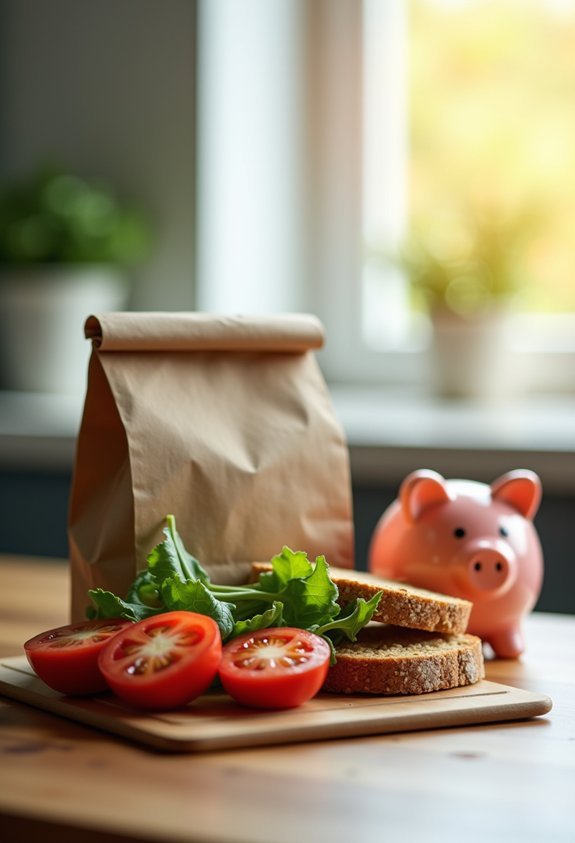
My daily $12 “treat yourself” lunches were quietly draining $240 from my bank account every single month—and honestly, half the time I didn’t even enjoy what I ordered.
Now I meal prep on Sundays—and it’s honestly saved my financial life.
I’m not talking about eating sad desk salads every day (nobody wants that). I’m talking about budget friendly recipes that actually taste good and cost maybe $3 per serving.
Batch cooking rice bowls, pasta dishes, or hearty soups takes about two hours, and suddenly you’ve got lunch sorted for the entire week.
The money I’ve saved? It’s funded weekend trips, paid down debt, and built my emergency fund.
Plus—and this is wild—I actually look forward to eating my homemade meals now.
Replacing just one weekly takeout order with a home-cooked meal can save you $60–$80 monthly, so imagine what swapping five days does for your budget.
Fast Fashion and Trendy Clothing
Every time a new trend dropped, there I was—clicking “add to cart” on another $30 top I’d wear exactly twice before it fell apart in the wash. Fast fashion had me convinced I needed a constantly updated wardrobe, but honestly? I was just filling my closet with regret.
Switching to sustainable fashion changed everything.
Now I focus on:
- Building wardrobe essentials that actually work together
- Thrift shopping for unique pieces (and saving serious cash)
- Choosing quality over quantity with timeless styles
- Defining my personal style instead of chasing trends
A minimalist wardrobe sounds boring until you realize you’re wearing clothes you genuinely love—not polyester nightmares that pill after one outing.
Fashion sustainability isn’t about sacrifice; it’s about investing in pieces that stick around. Breaking free from collecting burnout meant I stopped buying just to complete my “capsule wardrobe” and started choosing only what truly reflected my values.
Premium Cable and Streaming Packages
The same minimalist mindset that transformed my closet eventually made me look at my monthly subscriptions—and wow, was that a wake-up call.
I was paying for cable, Netflix, Hulu, Disney+, HBO Max, and Amazon Prime. That’s over $150 monthly—just to watch the same three shows on repeat.
Here’s what changed everything.
I picked two streaming alternatives (Netflix and one rotating subscription) and called my provider for cable negotiations.
Turns out, they’d rather give you discounts than lose you completely—who knew?
Companies would rather negotiate than cancel—use that leverage to your advantage.
Now I save $100 monthly, and honestly? I don’t miss scrolling endlessly through content I never watched anyway.
The entertainment’s still there when I want it.
But my bank account looks way better, and that feels more satisfying than any binge-watch ever did.
What really helped was deleting the apps from my phone entirely—turns out frictionless spending works both ways, and adding back that small barrier made impulse upgrades and add-ons disappear.
Convenience Store Snacks and Drinks
After tracking my spending for just one week, I realized I was dropping nearly $40 on random gas station runs—and I didn’t even remember half the stuff I bought.
Those impulse purchases add up fast.
Here’s what worked for me:
- Pack a cooler for your car with water bottles and healthy snack alternatives like trail mix or granola bars.
- Make coffee at home instead of grabbing those overpriced energy drinks.
- Keep budget friendly drinks in your fridge (hello, pitcher of iced tea).
- Prep snack bags on Sunday so you’re never caught hungry and desperate.
The best part? I stopped feeling guilty about wasting money—and my body actually thanked me for ditching all that sugar.
When I looked back at my purchase log, I noticed most of these buys happened when I was stressed or bored—classic emotional triggers that had nothing to do with actual hunger.
Win-win.
Expensive Gym Memberships I Rarely Used
Speaking of wasting money on things I barely touched—let me tell you about my $65-per-month gym membership that collected dust while I collected excuses.
Sound familiar?
I’d swipe my card every month, promising myself I’d *totally* go this time. Spoiler alert: I didn’t.
Here’s what changed everything—I discovered personal training alternatives and home workout solutions that actually fit my life. YouTube became my free personal trainer, and my living room became my gym (no judgment from strangers while I figured out burpees).
Those free fitness apps? Game-changers.
That $780 I saved annually? Now funding things I genuinely love.
You don’t need fancy equipment or expensive memberships to stay healthy—you just need consistency and creativity.
Cutting unused memberships was one of those simplified choices that freed up both money and mental energy, clearing space for what actually mattered in my life.
The Latest Tech Gadgets and Upgrades
My wallet used to suffer from a serious case of “shiny object syndrome”—every new iPhone release, every upgraded laptop, every trending gadget felt absolutely *essential*. Spoiler alert: they weren’t.
That urgent *need* for the latest tech? It was my wallet’s worst enemy disguised as essential upgrades.
Here’s what I do now instead:
- Keep devices until they actually break (not just when something shinier appears)
- Buy refurbished or last year’s model—budget friendly gadgets work just as well
- Research tech upgrade alternatives like software updates that refresh old devices
- Wait 30 days before buying to see if I still “need” it
Turns out, my three-year-old phone takes perfectly good photos. Who knew?
The money I’m saving—hundreds, sometimes thousands yearly—goes toward experiences that actually matter. Your current tech is probably more capable than you think. I now focus on cost per use rather than upfront price, which helps me recognize that holding onto reliable devices longer actually maximizes their value.
Bottled Water and Single-Use Items
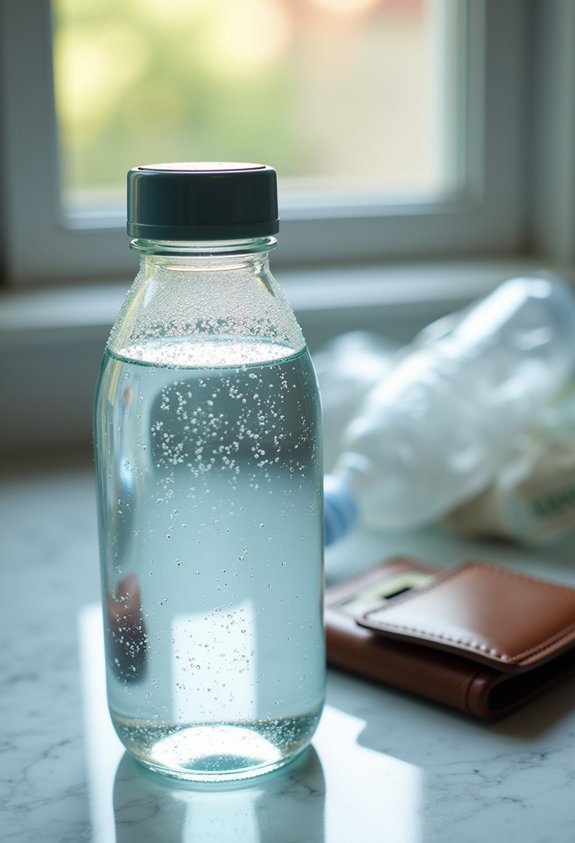
When I calculated how much I’d spent on bottled water in a single year, I nearly choked—$400 on something that literally flows from my tap for pennies.
That’s when I invested in quality reusable containers (about $30 total) and completely transformed my hydration habits.
Single-use items were bleeding my budget dry—paper plates, disposable razors, plastic bags, coffee pods.
All those “convenient” purchases added up to roughly $600 annually, and I’d nothing to show for it except overflowing trash cans.
Now I’ve got a sleek water bottle I actually love carrying around, cloth napkins that feel fancier than paper anyway, and a safety razor that’ll last decades.
The planet’s happier, my wallet’s heavier, and I don’t miss the waste one bit.
Overpriced Skincare and Beauty Products
For years, I believed the fancy serums behind department store counters held some kind of magical anti-aging secret—turns out they mostly held my money hostage.
Here’s what shifted my entire approach to beauty spending:
- Drugstore dupes work just as well (seriously—check the ingredient lists)
- Natural alternatives like rosehip oil cost pennies compared to $80 serums
- Minimalistic routines with three quality products beat ten mediocre ones
- SPF matters more than any $200 cream ever will
You don’t need seventeen steps to healthy skin—that’s just marketing genius making you feel inadequate.
I switched to simple, affordable products that actually deliver results.
My skin looks the same (maybe better?), and my wallet’s finally breathing again.
That’s called winning.
Brand Name Groceries
Standing in the cereal aisle, clutching that colorful box with the cartoon mascot, I used to think generic brands were basically admitting defeat in life.
Then I did a blind taste test with my kids—they couldn’t tell the difference.
Plot twist: the store brand costs half as much and often comes from the same factories as name brands.
You’re literally paying for packaging and advertising (which, honestly, feels ridiculous once you realize it).
Here’s what changed my grocery bill: I switched to store brands for staples like pasta, rice, and canned goods.
Bulk buying helped even more—especially for things like oats and nuts.
I splurge on organic alternatives when it matters, like produce and dairy, but everything else?
Generic all the way.
Impulse Online Shopping
My phone knows me too well—at 11 PM, it serves up ads for things I didn’t know I needed until that exact moment.
Those online shopping triggers are sneaky. They prey on your tired brain, your boredom, your perfectly reasonable desire for a miniature waffle maker shaped like a cat (just me?).
Here’s what helped me break the cycle:
- Delete shopping apps from my phone—can’t buy what I can’t access
- Unsubscribe from marketing emails that tempt me with “limited time offers”
- Use budget tracking tools to see where my money actually goes
- Wait 48 hours before any non-essential purchase (most cravings die by morning)
The money I saved? It’s sitting in my travel fund now.
Worth way more than impulse purchases I’d forget about anyway.
Expensive Cocktails and Nights Out

When the bar tab hits $80 and you’ve only had three drinks, something’s gone terribly wrong with your math—or the cocktail prices in this city.
Look, I’m not saying you should become a hermit.
But there’s a middle ground between never going out and dropping half your paycheck on overpriced mojitos every weekend.
Here’s what changed everything: hosting at home with craft cocktail recipes (they’re shockingly easy to find online), suggesting happy hour alternatives instead of prime-time outings, and—revolutionary concept—actually saying “I’m good with water” sometimes.
You may also like:



You’ll still have fun.
You’ll still see your friends.
You’ll just have money left over for things that matter beyond tomorrow’s headache.
In case you were wondering
How Do I Stay Motivated When Friends Still Spend on Things I’ve Cut?
You’ll stay motivated by setting firm financial boundaries and reminding yourself of your goals. Don’t succumb to peer pressure—your friends’ spending doesn’t define your priorities. Focus on what you’re working toward, not what you’re missing.
What if Cutting Expenses Makes Me Feel Deprived or Unhappy Long-Term?
You’re likely cutting too much. Sustainable spending includes joy-bringing purchases, not just deprivation. Try emotional budgeting—track how expenses make you feel, then reallocate money toward what genuinely satisfies you instead of eliminating everything.
How Long Did It Take to Save Enough for Your Big Goal?
Your savings timeline depends on your goal’s size and income. Most people hit major goal milestones within 6-18 months by cutting unnecessary expenses. You’ll reach yours faster when you’re consistently redirecting spending toward what truly matters.
Did You Ever Relapse and Start Buying These Things Again Temporarily?
Yes, you’ll likely slip up occasionally. That’s normal. The key is implementing strong budgeting strategies and developing better impulse control over time. Don’t let temporary setbacks derail your progress—just refocus and keep moving forward.
How Do You Handle Special Occasions Without Spending on Cut Items?
You’ll find alternative celebrations work beautifully—host potluck dinners instead of expensive restaurants, give budget-friendly gifts like homemade treats or thoughtful experiences, and focus on meaningful time together rather than costly traditions that drain your savings.
Conclusion
You’re planting seeds now—little ones that’ll bloom into the life you’ve been dreaming about. Each time you walk past that coffee shop or close that shopping app, you’re choosing your future self. And honestly? That’s pretty powerful stuff. Your money’s finally working for *you* instead of disappearing into things you’ll forget about next week. You’ve got this—and your goals are so worth the wait.