11 Things Minimalists Do Differently Every Day
You might notice that minimalists move through the day a bit differently. They don’t rush for their phones first thing or pack their schedules until there’s no space left. Instead, they protect their time, clear their spaces, and choose a slower, more intentional rhythm. It’s not about owning almost nothing—it’s about letting go of what weighs you down. If you’ve ever wanted your days to feel lighter and more focused, these daily habits may surprise you…
They Start the Day With Intention, Not Distraction

Before you reach for your phone, you have a small but powerful choice: start the day on your terms or let distractions set the tone. You pause, notice your thoughts, and decide to begin gently.
Instead of scrolling, you sit up, place your feet on the floor, and take five slow, mindful breathing cycles. Your attention settles; your nervous system softens.
You choose one or two simple morning rituals that matter: brewing tea, stretching, reading a short paragraph that realigns your priorities. You move deliberately, without rushing to check messages.
They Keep Their Physical Spaces Light and Uncluttered
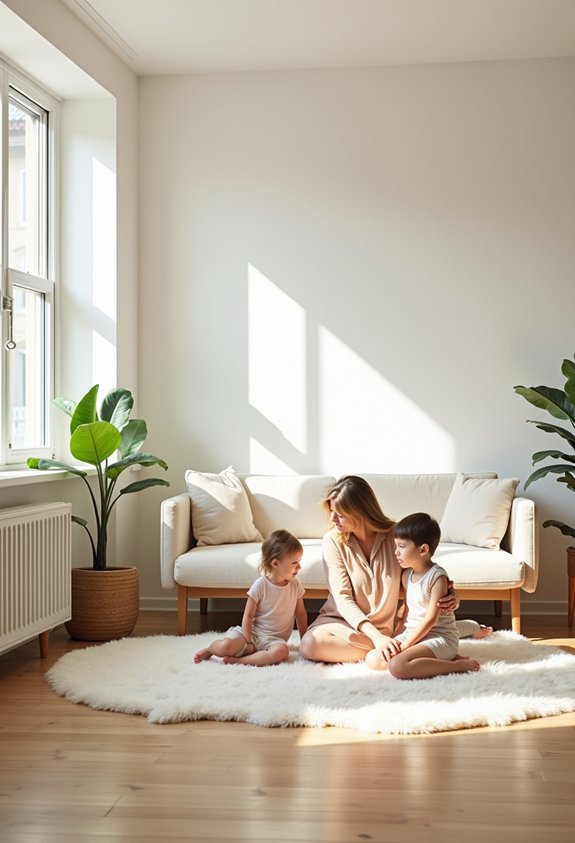
One quiet room, a clear table, and a few objects you truly use can change how your whole day feels.
You notice your shoulders drop when surfaces stay open and floors remain easy to walk across. Minimalists protect small clutter free zones: a nightstand, a desk, a kitchen counter.
These islands of order guide the rest of your space. You clear items after using them, return things to simple homes, and let decor breathe. Instead of hiding mess in bins, you choose fewer, better belongings.
Clear what you use, honor simple homes, and let fewer, better things quietly shape your space.
Over time, this gentle editing turns cleaning into quick maintenance and your rooms into calm support. You begin to trust that open space isn’t wasted; it’s what lets you breathe deeply, focus faster, and end the day settled inside.
They Say “No” More Often Than They Say “Yes

A minimalist day often rests on a quiet, steady “no.” You stop treating every request, invite, or opportunity as an automatic yes and start asking if it truly fits your season, energy, and values.
Each no becomes an act of boundary setting. You notice how often social obligations drain your emotional energy, and you allow fewer of them in.
With growing self awareness, you recognize when you’re saying yes to avoid discomfort instead of honoring your personal values.
Saying no more often also softens decision fatigue. You don’t debate every option; you let many pass.
This simple filter becomes practical time management and quiet stress reduction, freeing space for what genuinely matters to you—and only you. Your no protects your days from cluttered living.
They Plan Their Time Around Priorities, Not Obligations
Instead of letting your calendar fill with what others expect, you start shaping your days around what actually matters to you.
This simple shift turns time management into an intentional practice, not a reaction to demands. You begin with priority focus, then allow obligations to take only the space that remains.
Each day, you:
- Name your top three priorities, so you know what must receive your freshest energy.
- Block time for them before accepting meetings, favors, or extra tasks.
- Review commitments, then gently remove what no longer fits your season or values.
As you repeat this, your schedule feels lighter, yet richer.
You’re still responsible, but you’re no longer ruled by every request that appears. Your days start to look like your real life.
They Limit Digital Noise and Screen Time

As you start protecting your time for what matters, you quickly notice how screens try to claim every spare moment. Minimalists see this and respond on purpose.
Minimalists notice how screens steal our quiet moments—and choose instead to protect them on purpose.
You begin by choosing clear limits: specific hours for email, social media, and news, instead of constant checking. You turn off nonessential notifications, unsubscribe from distracting feeds, and keep only a few well-chosen apps. These simple digital decluttering strategies reduce mental static and free up attention.
You also practice mindful screen habits. Before you pick up a device, you ask, “What am I here to do?” When the task is done, you put the screen away.
Over time, your phone becomes a tool again, not a default destination. You feel calmer, clearer, and present in daily life.
They Practice Gratitude for What They Already Have
When you live with less, gratitude becomes less of a mood and more of a daily practice. You stop chasing more and start noticing enough. Each day, you gently train your mind toward thankful reflections.
- Start or end your day with gratitude journaling and daily affirmations. List three things you appreciate, then speak kind truths to yourself with simple self compassion exercises.
- Use mindfulness practices during ordinary tasks. Add mindful breathing while washing dishes, or create small appreciation rituals before meals or sleep.
- Try light gratitude challenges. For a week, practice contentment exercises, like pausing before purchases and using positive visualization to imagine peace with what you already own.
Over time, you feel calmer, clearer, and more grounded in your days.
They Choose Quality Over Quantity in What They Own

Minimalists don’t aim to own more; they aim to own better. You start by asking whether an item truly earns space in your life. Instead of chasing sales or trends, you pause, compare, and wait.
Minimalism isn’t about owning more, but owning better—only what truly deserves space in your life
You choose quality over quantity: one sharp knife instead of a drawer of dull ones, one jacket you love instead of five you tolerate. You notice how sturdy, well-chosen things simplify decisions and reduce visual noise.
Through mindful consumption, you buy less often, but you buy with intention. You repair before replacing, and you let go of backups “just in case.” Each object has a purpose, a place, and a reason.
Your home holds fewer things—and more calm. You feel lighter, clearer, and more at peace each day inside.
They Build Simple, Supportive Daily Routines
Owning fewer, better things naturally invites you to simplify how you move through each day. You stop performing life and start living it.
Simple, supportive routines don’t crowd your schedule; they frame it, so your energy goes where it matters.
You build mindful habits that anchor you without feeling rigid. Think of your day as a gentle pattern, not a strict script, with routine flexibility for real life.
- Begin with a short, repeatable morning flow—tidy your space, hydrate, set one clear intention.
- Create tiny reset points: a walk after work, a five‑minute declutter, a quiet cup of tea.
- Close the day the same way each night, signaling it’s safe to rest and release.
Over time, these rhythms gently steady your mind.
They Spend Money Slowly and Thoughtfully

Instead of chasing every new thing, you start letting your money move at the pace of your values. You pause before buying, asking what problem this actually solves and whether it deserves space in your life.
You may also like:




Mindful spending becomes a quiet filter, helping you separate passing wants from durable needs. You compare options, read reviews, and wait a little, noticing how many urges fade when they’re not fed immediately.
When you do buy, you favor intentional purchases: fewer, better, longer-lasting. You think about repair, maintenance, and whether you’ll still want this after the novelty disappears.
Over time, this slower pace with money lightens your home, steadies your budget, and frees attention for what you truly care about owning and supporting. You feel calmer, enough.
They Protect Quiet Moments for Reflection and Rest
Even in busy seasons, you can still defend small pockets of quiet like they’re non‑negotiable appointments with yourself.
Treat stillness like a standing meeting with yourself—one you never cancel, even on chaotic days
You treat stillness as fuel, not a luxury. Instead of cramming every gap with screens or chores, you choose calm, device‑light pauses that reset your mind.
- You schedule five minutes of mindful meditation, noticing your breath and surroundings. When your thoughts race, you let them pass instead of chasing them.
- You keep a simple notebook for quiet journaling, clearing mental clutter with a few honest lines, not pages of analysis.
- You create gentle evening cues—a dim lamp, a cleared nightstand, a closed laptop—that tell your body it’s time to unwind, so you fall asleep with less noise inside.
Each quiet day feels lighter.
They Invest Deeply in a Few Relationships, Not Many

While the world pushes you to collect contacts and followers, a minimalist pace invites you to choose a small circle and show up fully for it. You stop chasing every invitation and instead protect space for deep connections. You call, listen, and remember small details. You let silence breathe in conversations. You prioritize people who meet you with honesty, kindness, and respect.
Each day, you practice intentional friendships: you send a thoughtful message, schedule an unrushed walk, or share a simple meal. You’d rather disappoint a distant acquaintance than dilute your presence with someone who truly matters.
Conclusion
You might worry that living this way will feel restrictive, like you’re giving up too much. But you’re not shrinking your life—you’re refining it. When you choose fewer distractions, you create space for what actually matters to you. Each small, intentional step—clearing a surface, saying no once, pausing before you buy—adds up. Over time, you’ll notice more ease, more clarity, and more room to breathe in both your home and your mind.