15 Ways Minimalism Reduced My Stress
Minimalism reduced my stress by clearing the “mental tabs” everywhere—your counters, closet, phone, even your calendar. When you own less, you clean faster, lose things less, and stop shame-buying storage bins for stuff you don’t even like. Your bedroom feels calmer, you sleep better, your bank account sighs in relief, and your brain finally gets quiet enough to hear what you actually want—step by step, you’ll see how all 15 shifts work together.
What you will leave with
- Clearing physical clutter calmed my mind, reduced visual noise, and made my home feel like a peaceful place instead of a storage unit.
- Owning fewer things lowered my daily anxiety, decision fatigue, and mental juggling, helping my brain move from constant threat mode to a calmer baseline.
- Minimalism simplified my finances by cutting impulse buys, maintenance costs, and debt pressure, which significantly reduced money-related stress.
- A decluttered bedroom and streamlined routines improved my sleep and mornings, lowering cortisol and easing racing thoughts before bed.
- Saying no to extra stuff and digital clutter freed time for self-care, better relationships, and more intentional, value-driven choices.
Clearing Physical Clutter Calmed My Mind
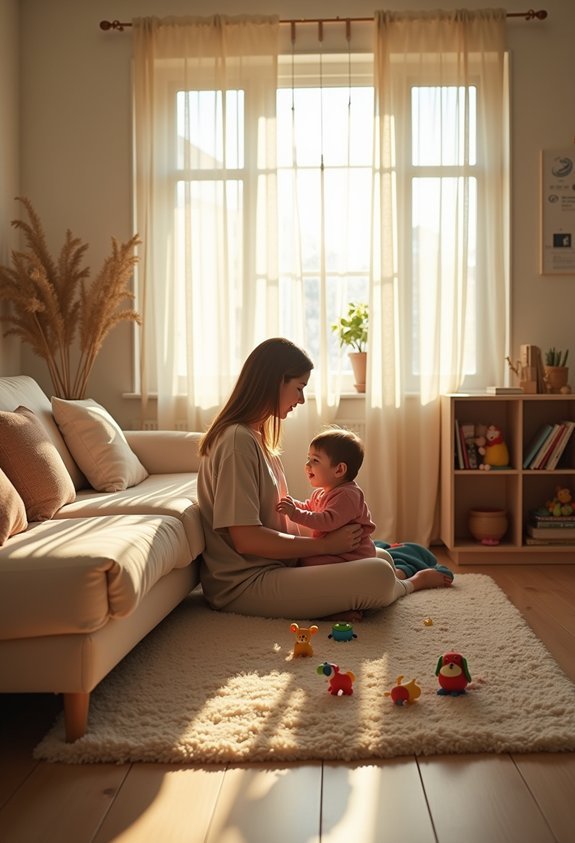
Even though I didn’t change jobs, move cities, or fix all my problems, clearing my physical clutter completely changed how my mind felt.
I didn’t need a new life—just less clutter—to finally feel at home in my own mind
You don’t notice how loud your stuff is until it’s finally quiet—like turning off a TV that’s been buzzing all day in the background.
When you start mindful organization, your brain stops wrestling with every pile, every “I’ll deal with that later” corner.
You feel cognitive clarity creep in, and suddenly simple things—choosing clothes, making dinner, paying bills—don’t drain you so much, because your eyes aren’t tripping over ten other reminders of what you haven’t done.
Less visual noise, less guilt, fewer “where did I put that?!” moments.
Your space exhales.
And your mind finally follows.
Letting go of what no longer matters lightens the emotional weight each object carries, turning your home from a source of low-grade tension into a space that actually supports your mental clarity.
Owning Less Lowered My Daily Anxiety
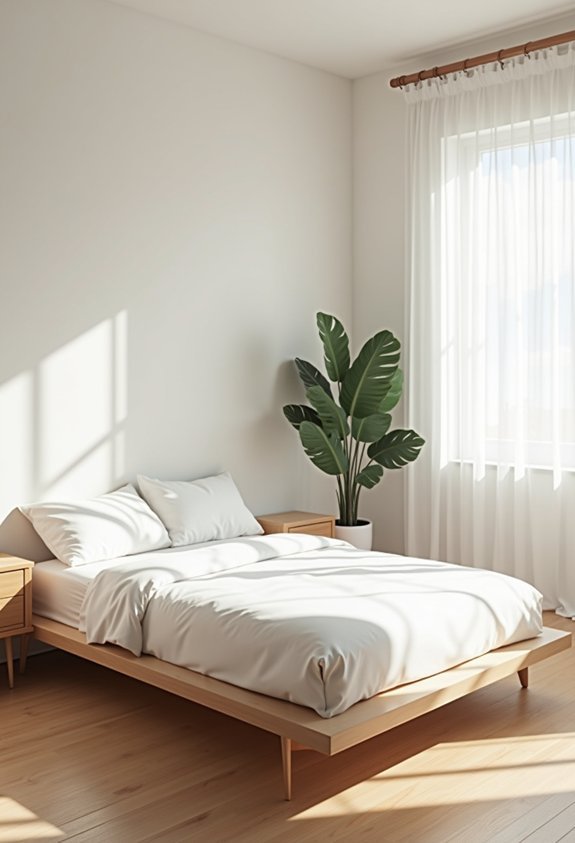
Once I started owning less, my anxiety didn’t vanish overnight—but it stopped screaming at me all day.
You know that shaky, wired feeling when your brain’s juggling a hundred tiny choices—what to wear, where things are, what to clean first?
Owning less cuts that noise, so your mind finally gets a breather.
With fewer options, you waste less energy deciding, and you gain emotional clarity—your head feels lighter, your body less tense, your stress response not always on high alert.
You practice mindful ownership, keeping only what actually helps your life, not what silently nags you from every corner.
Your space looks calmer, you feel more in control, and your mood stops swinging so hard—less clutter, less chaos, less low‑key panic.
By intentionally clearing surfaces and simplifying your surroundings, you create a calmer bedroom that quietly lowers your baseline stress every day.
Fewer Possessions Meant Fewer Financial Worries
When I started owning less, I didn’t just clear my shelves—I accidentally calmed down about money too.
When you stop buying random “little treats,” your spending quietly drops—by a lot. You’re not paying for extra clothes, gadgets, or decor, so you’re also not paying to store, clean, or fix them, which means fewer bills sneaking up later and fewer nights doing math at 2 a.m.
With fewer wants, financial planning feels simpler—just basics, savings, and goals that actually matter to you.
That’s one of the biggest minimalism benefits: you dodge debt, grow an emergency fund, and feel less panicked when life throws stuff at you, because you know you’re not one broken toaster away from disaster.
By cutting back on purchases and possessions, you also remove a lot of the decision fatigue and background stress that clutter creates, which makes it easier to stay calm about money in everyday life.
Simplified Spaces Improved My Sleep Quality
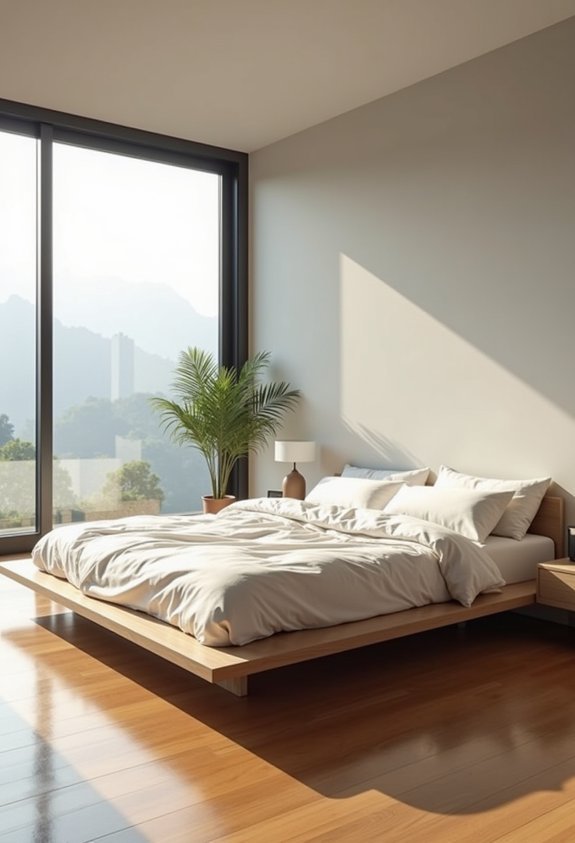
Before I ever bought a fancy pillow or tried melatonin, I did one simple thing for my sleep—I cleaned my room.
You can do the same, and no, it doesn’t require turning into a Pinterest person overnight.
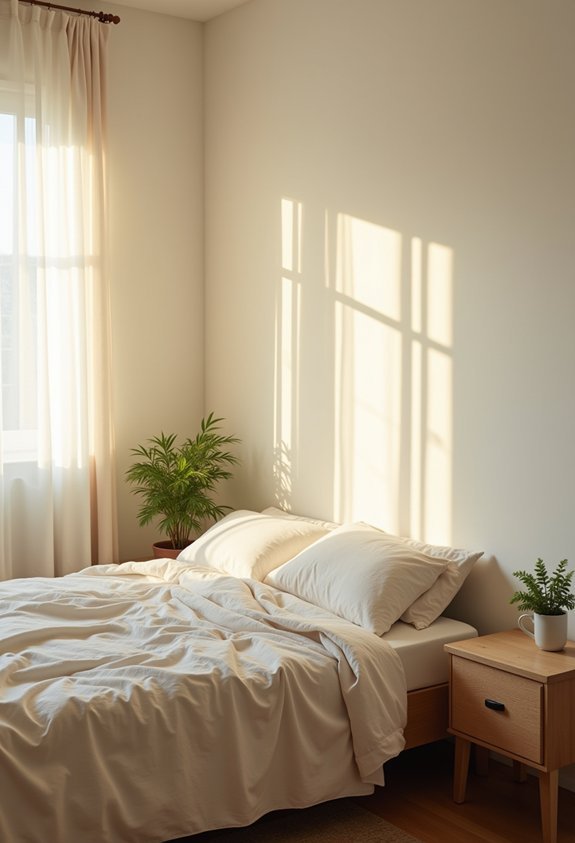
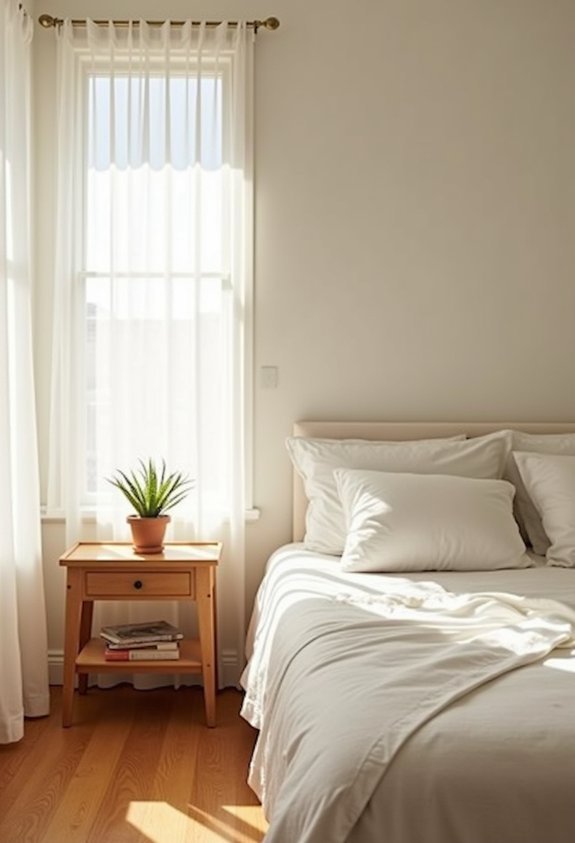
Start with your bedroom layout—bed clear, floor mostly visible, nightstand not buried in half-read books and cups.
When your sleep environment isn’t screaming for attention, your brain finally gets to power down, cortisol drops, and you fall asleep faster. Decluttering your bedroom reduces visual clutter competing for your attention, which helps your nervous system shift into a calmer, more restful state.
Hide stuff in under‑bed storage or closet bins, keep only a few calm things in sight, and do a tiny reset most nights (two songs, tops).
Less clutter, fewer “I should deal with that” thoughts at midnight.
More deep, quiet sleep.
Reducing Choices Cut My Decision Fatigue
Even on calm days, my brain used to feel like 47 tabs were open—and every tab wanted a decision. You know that “why am I tired, I’ve done nothing” feeling—that’s decision overload sneaking in and stealing your energy. When you face a thousand tiny choices—outfits, apps, snacks, emails—your mind burns out fast, and important decisions get sloppy or delayed, because your brain starts grabbing easy defaults or procrastinating instead of thinking clearly. Over time, this constant strain triggers decision fatigue, where your brain’s mental resources get depleted and even simple choices start to feel overwhelming. So you cut the noise. You keep fewer clothes, limit apps, rotate simple meals—less “What should I pick?” and more “This works.” That’s cognitive simplicity, and it protects your willpower, lowers anxiety, and leaves you with enough mental fuel for real life, not just choosing cereal.
Streamlined Routines Gave Me Back My Mornings
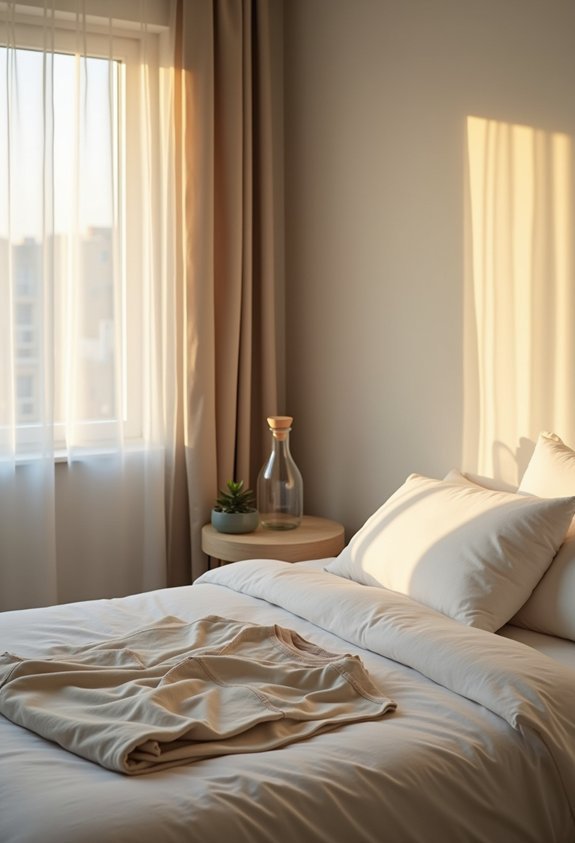
Turns out, cutting decisions at night didn’t fix much if my mornings still felt like a fire drill in slow motion. You probably know that feeling—standing in the kitchen, half awake, staring at the fridge like it personally betrayed you.
Mornings still felt like a slow‑motion fire drill, with my fridge as the main suspect
Minimalism helped you build simple morning rituals, so your brain isn’t doing cartwheels before 8 a.m. You use decision simplification everywhere—fewer outfits, preset breakfast, even a tiny workout plan. Minimalists use simple, supportive routines to anchor their days so mornings start with intention instead of panic.
- Lay out clothes, pack your bag, and fill your water bottle the night before.
- Keep a short movement routine—like a 20‑minute walk or yoga—ready on autopilot.
- Make a go‑to protein breakfast, so you’re not debating cereal versus “accidental” donuts.
Less chaos, more calm. Your morning finally feels like yours again.
Prioritizing Essentials Boosted My Mental Clarity
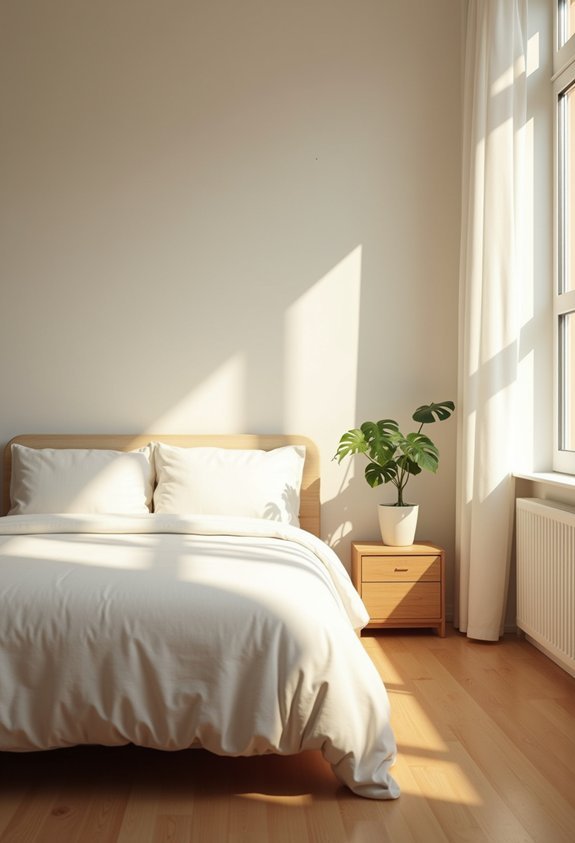
Somewhere between my third “Where did I put my keys?” and my fifteenth browser tab, I realized my brain wasn’t broken—it was just buried.
When you start stripping life down to essentials, you notice something wild—your mind finally has room to think, instead of juggling random stuff (receipts, half-finished tasks, mystery chargers).
You cut visual noise, extra apps, pointless commitments, and you feel this quiet clarity enhancement sneak in.
By consciously clearing mental clutter and defining a single daily priority block, you create the conditions for deeper focus and calmer decision-making.
Fewer choices, fewer “shoulds,” less mental clutter—your brain stops loading like bad Wi‑Fi and actually focuses.
As you ask, “Does this match my priorities?”, you build real values alignment.
Decisions get simpler, guilt fades, and you trust yourself more—because your life, and your space, finally match what matters most.
Letting Go of “Just in Case” Items Eased My Fears
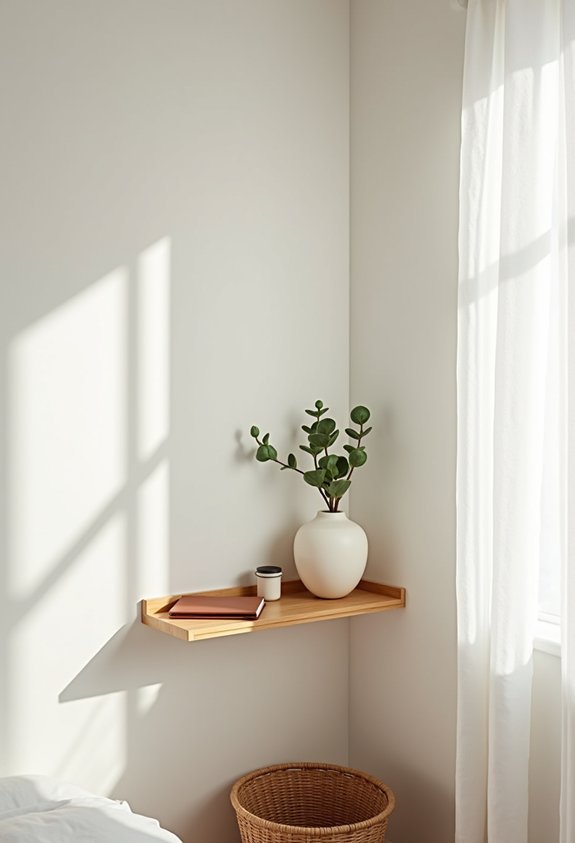
But every “just in case” item is a tiny alarm bell, always buzzing in the back of your mind.
When you start tossing them, you’re not just clearing shelves—you’re practicing fear management and giving yourself real emotional release. Over time, this shift turns your home from a storage unit into a functional tool that actually supports how you live right now.
Try this:
- Toss expired “emergency” sauces and mystery cables
- Keep one backup, not six, for things like blankets or mugs
- Donate clothes you’re saving for a “maybe” version of you
Your brain calms down, decisions get easier, and your home finally feels peaceful—not like a storage unit.
Minimalism Helped Me Set Healthier Boundaries
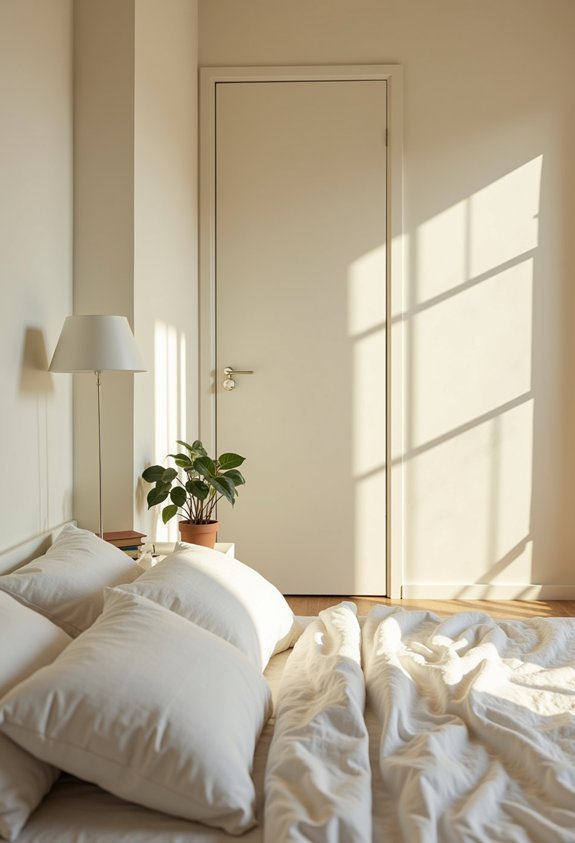
Boundaries were always this fuzzy idea for me—like, “say no more” sounded great, until someone actually asked for something.
Minimalism changes that, because you’re not just tossing stuff, you’re choosing what gets space—on your shelves, phone, and calendar.
You turn off most notifications, check messages at set times, and suddenly your brain’s not buzzing like a broken fridge, so you can notice what truly drains you and what actually matters.
You also start seeing the boundary benefits in real life—fewer random favors, fewer “sure, I can help” lies, more honest “I’m not able to do that today.”
Over time, this kind of minimalism-backed boundary setting helps your nervous system shift out of constant threat mode and into a calmer, more sustainable baseline.
That’s mindful living in action, and it gives you this calm, quiet confidence, like, “Hey, I’m actually in charge here.”
Spending Less Freed Up Time for Self-Care
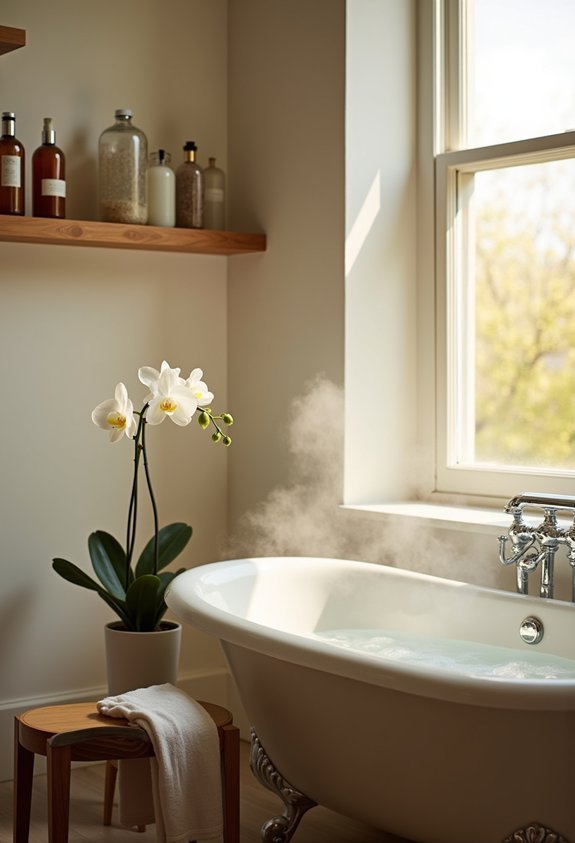
Once you start saying “no” to extra stuff and random favors, something surprising happens—you also stop “shopping your stress away.”
You’re not scrolling sales for two hours, or wandering aisles “just to look,” and suddenly your day feels wider.
All that time you used to spend buying, returning, cleaning, and hunting for lost things—it’s now open for self care routines.
Not fancy spa days (unless you want that), but simple things you never had space for, like:
- A slow walk after dinner, without checking your phone every ten seconds
- Ten quiet minutes with a planner, using basic time management so tomorrow feels calmer
- Stretching, reading, or journaling—tiny resets that, done most days, lower your stress more than any flash sale ever will
As you make these small shifts, you start to value space as breathing room more than another impulse purchase, and your days feel lighter because of it.
A Tidy Home Reduced Tension in My Relationships
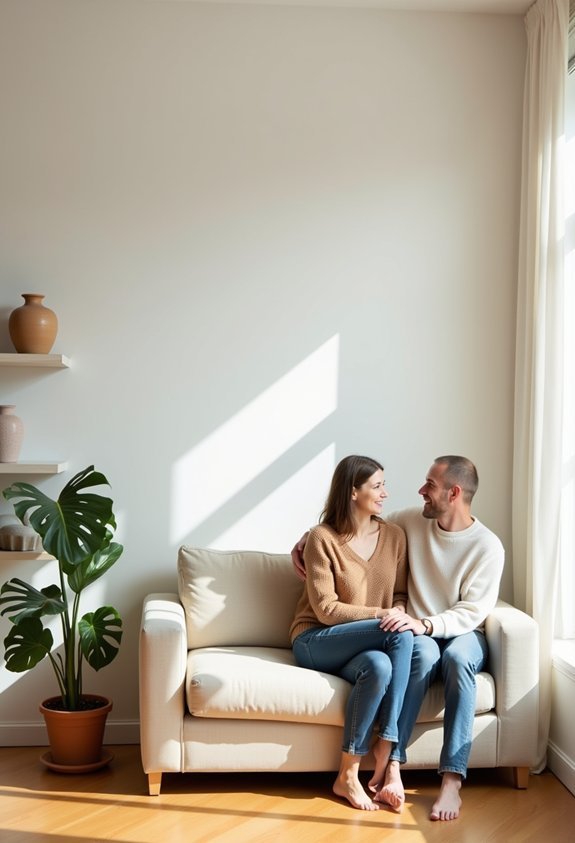
In that noise, clutter communication gets sharp—more sighs, more eye‑rolls, less kindness. Your brain’s on high alert, your patience drops, and simple talks about chores turn into “Do you even care about me?” fights.
When you clear space, you lower that constant stress, so you show up with more emotional availability—actually listening instead of silently counting piles.
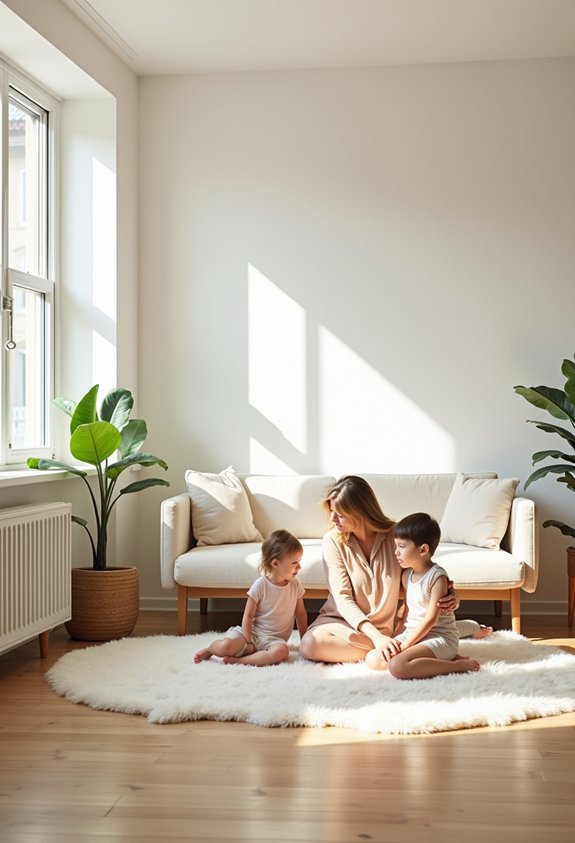
There’s more room on the couch, more calm in the air, and suddenly you’re arguing less about crumbs…and laughing more about life.
Focusing on Experiences Increased My Day-to-Day Joy

Clearing the clutter at home didn’t just calm your relationships—it quietly changed what you *wanted* from your life.
You start craving moments, not mail-order boxes, and that shift brings a deep, steady kind of happiness.
Instead of buying more stuff, you buy time—walks with a friend, cheap picnic dates, board games that get way too competitive.
Those simple things stick in your memory, they keep feeding joy long after the moment ends, and they don’t need dusting.
- Weekend hikes, where the only “upgrade” is better snacks
- Game nights and story swapping—easy experience sharing, zero assembly required
- Volunteering or helping a neighbor, quiet joy cultivation that makes you like yourself more
Less chasing, more living.
Digital Decluttering Quieted My Constant Distractions

Somewhere between your 87 open tabs and the 4,000 unread emails, your brain just quietly tapped out.
You weren’t “bad at focusing” — you were buried under digital clutter, tiny pings and pop‑ups dragging your attention everywhere.
So you start small. You close extra apps, mute most notifications, and keep only one main screen open—suddenly your mind feels quieter, like someone turned down background noise you didn’t know was blasting.
Then comes digital organization. You sort files into a few simple folders, unsubscribe from junk, and archive old messages, which cuts your cognitive load because you’re not making a thousand tiny choices about what to click, read, or delete.
Less chaos on screen, less chaos in your head.
Intentional Purchases Made Me Feel More in Control
You notice you’re drawn more to experiences than random stuff—coffee with a friend, a day trip, a class—because they give you emotional fulfillment instead of dust.
You pause before buying and ask, “What am I really needing right now?”
You save for things you truly want, stretching out the joy with planning and anticipation.
You skip “stress shopping” and choose one small, thoughtful treat (like a solo movie) that actually restores you.
Fewer impulse buys. Way more control.
Living With Purpose Replaced Overwhelm With Peace
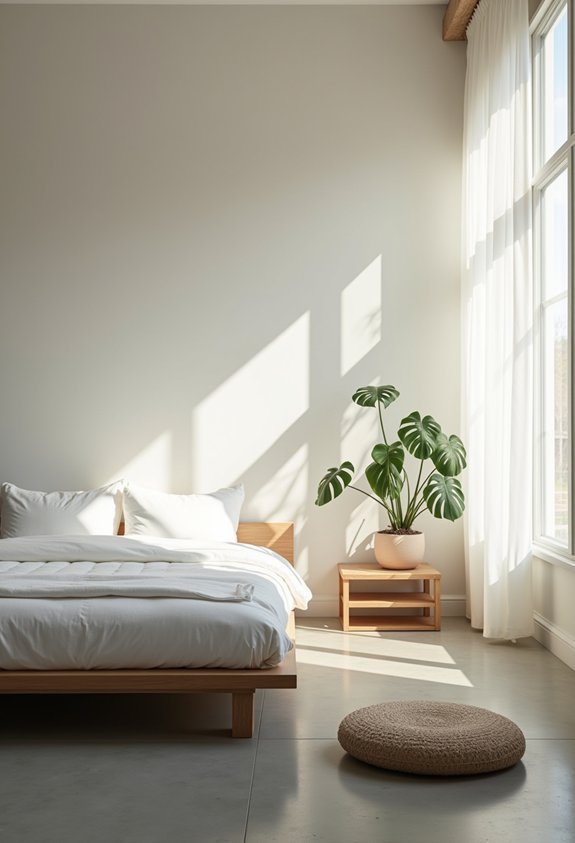
When you lean into purpose alignment, you stop chasing every random “good idea,” and start choosing meaningful pursuits.
Suddenly, you’ve got life clarity—fewer tabs open in your brain, less 2 a.m. panic-scroll, more quiet.
Purposeful living gives your days intentional goals and value driven choices, so even simple tasks feel like small wins, not chaos.
Purposeful living turns everyday to-dos into intentional, value-aligned wins instead of scattered, exhausting chaos
You get a motivation boost, a gentle pull forward, instead of pressure.
You may also like:
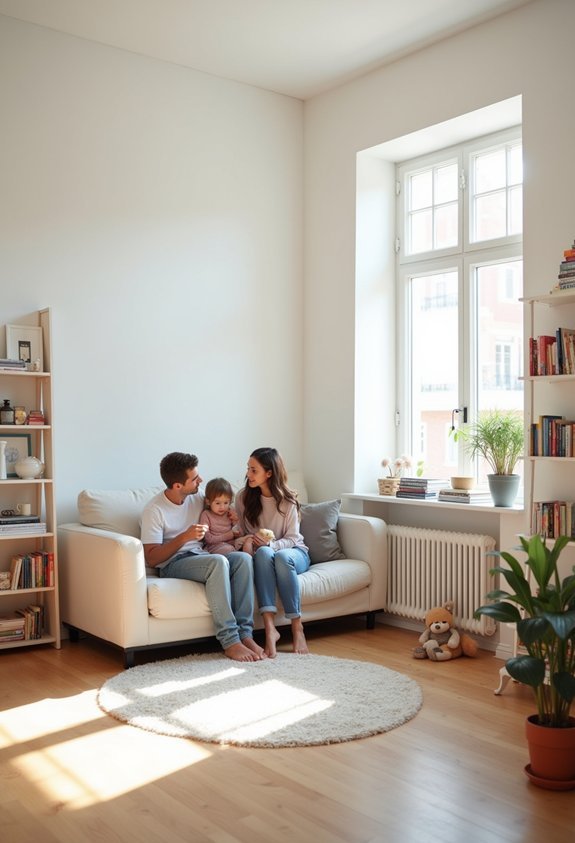
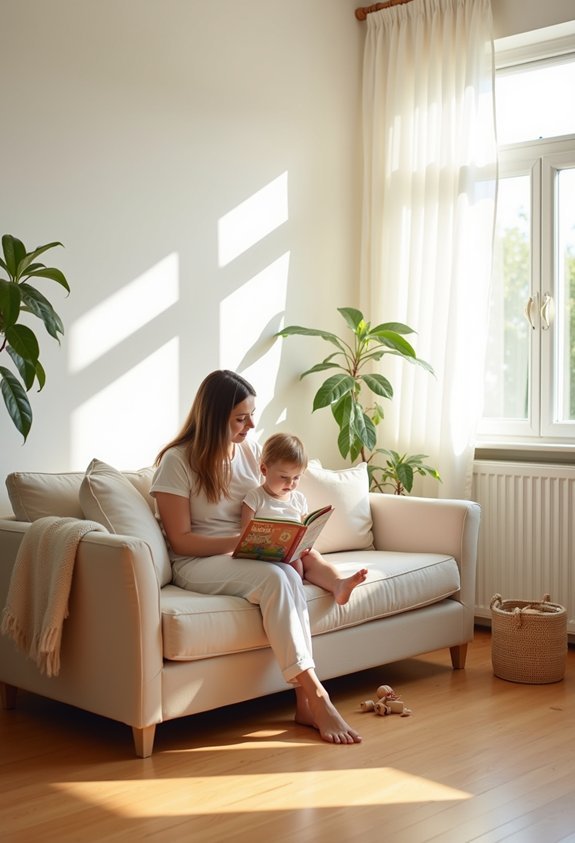

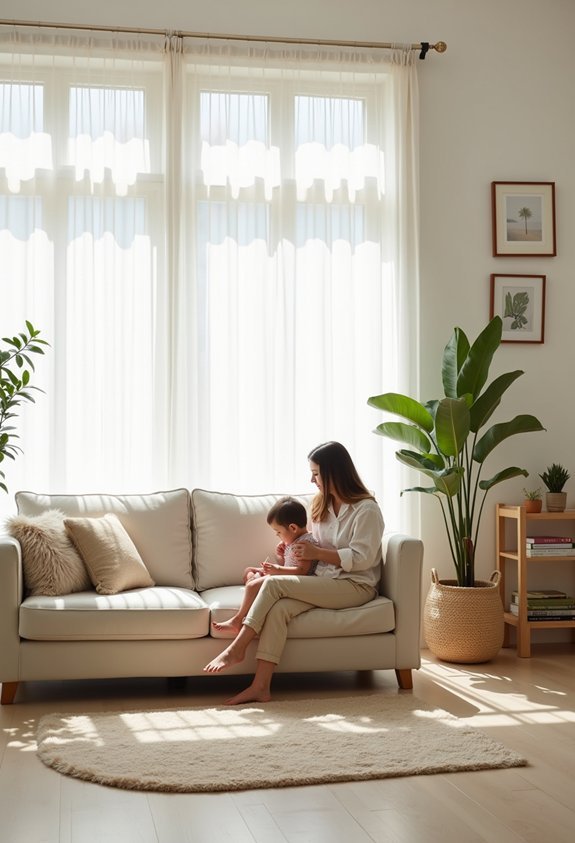
You focus on fulfillment focus and passion projects, not just survival, and your time shifts toward enriched experiences—calls that matter, work that fits, rest that actually restores.
Overwhelm out, peace in.
In case you were wondering
How Do I Practice Minimalism When My Family Doesn’T Share My Values?
You practice minimalism by decluttering your own spaces, setting gentle family boundaries, and using calm communication strategies. Explain your reasons, invite tiny shared experiments, respect their belongings, and seek outside minimalist support so you don’t feel alone.
Can Minimalism Help With Chronic Stress or Burnout From Work?
Yes, minimalism can ease chronic work stress; while clutter multiplies decisions, simplicity preserves energy. You’ll cut cognitive load, support stress reduction, protect sleep, and create clearer boundaries, strengthening emotional resilience and improving work life balance without abandoning ambition.
What’s the Difference Between Minimalism and Simply Being Frugal or Cheap?
You treat minimalism as intentionally owning less for clarity and meaning, while frugal living focuses on saving money. With a minimalist mindset, you’ll prioritize value and experiences; if you’re just cheap, you’ll mainly chase the lowest price.
How Do I Maintain Minimalism During Major Life Changes or Crises?
You maintain minimalism during major life changes by honoring “less is more,” keeping only essentials that support emotional resilience. You regularly declutter, simplify routines, protect quiet time, and align choices with core values to navigate life transitions steadily.
Can Minimalism Ever Become Too Extreme and Harm Mental Health Instead?
Yes, extreme minimalism can harm mental health. You might develop anxiety, perfectionism, or obsessive decluttering, feel lonely in sparse spaces, avoid helpful possessions, and strain relationships. Instead, you balance simplicity with comfort, flexibility, and emotional needs.
Conclusion
So here you are—trying to stress less by… getting rid of the stuff you stressed so hard to buy.
You don’t have to toss everything today, but you can clear one drawer, donate one shirt, or delete ten apps, and notice how your shoulders drop a little, your breathing slows, and your brain stops yelling quite so loudly—because sometimes “less” really does give you more of what you wanted in the first place: calm.