Why I Became a Minimalist After Years of Collecting
You probably remember when owning more felt comforting—each new purchase seemed to promise security, identity, even joy. But over time, the shelves filled, the boxes stacked, and what once felt like freedom began to feel like a quiet, constant demand on your attention and energy. At some point, you start to wonder whether the life you’re curating matches the life you actually want. That’s where the shift toward minimalism often begins—and where everything starts to change.
The Comfort I Found in Owning More
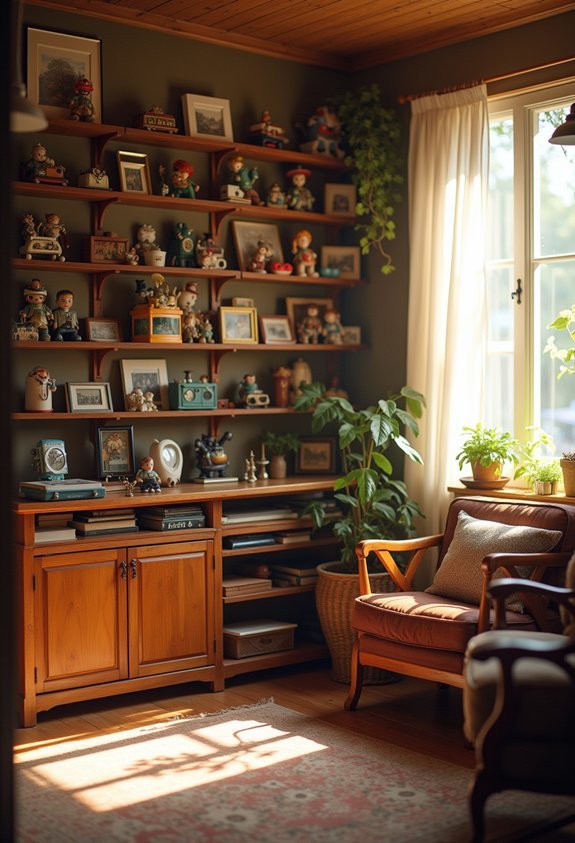
Before you ever questioned your relationship with stuff, owning more likely felt like a kind of safety net—each new purchase promising comfort, identity, and a sense that you were “catching up” to the life you imagined.
You didn’t just buy objects; you built comfort zones. A full closet, stacked shelves, and backup gadgets seemed to guard you from uncertainty. If something broke, you’d a spare. If you felt inadequate, you’d proof you were trying.
Over time, emotional attachment wrapped itself around these belongings. You kept things because they’d seen you through breakups, moves, late-night worries. In moments of doubt, you turned to familiar items instead of inner reflection, trusting possessions to hold the weight that your values now need to carry most.
When Collecting Stopped Being Fun
At some point, the thrill of adding one more thing faded, and collecting started to feel less like joy and more like obligation.
When the thrill fades, collecting quietly shifts from joyful pursuit to quiet, nagging obligation.
You kept hunting, but the spark was gone; shelves filled up while your satisfaction thinned out.
What used to feel like discovery became routine, pressure. You sensed collecting burnout creeping in, yet you pushed forward anyway.
You might recognize the turning point in ways:
- You buy pieces just to complete a set, not because you love them.
- You feel anxious when you pass up a “good deal.”
- You rearrange more than you actually enjoy the items.
- You notice moments of joyless acquisition, followed by indifference.
Noticing these signals invites you to realign your habits with your values.
The Emotional Weight of Clutter
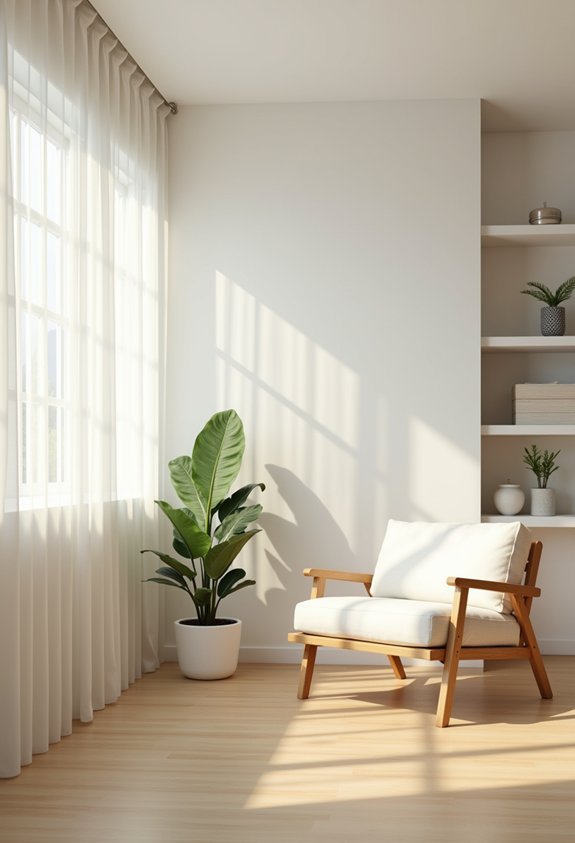
Once collecting stopped feeling like play and started feeling like pressure, the objects themselves began to carry a different kind of weight.
You notice how each item tugs at your emotional attachment, asking for space, care, and justification. Instead of joy, shelves now trigger clutter anxiety; drawers feel like delayed decisions. Nostalgia bias whispers that everything is important because it once mattered, even when it no longer does.
You hesitate, stall, and feel decision fatigue over the smallest choice: keep, store, or let go. That constant low-grade tension follows you from room to room.
As you start to recognize this, you see how physical excess quietly taxes your energy, and how letting go might restore mental clarity and calm in your home and mind.
Questioning What Truly Mattered
How do you decide what deserves a place in your life when everything feels important on the surface?
You start by noticing what supports your days, not just fills your shelves. As you pause, you see how often you’ve chased approval, nostalgia, or distraction instead of alignment with your personal values.
To clarify what truly matters, you might quietly ask:
- Does this reflect who you’re becoming, not just who you were?
- Does it deepen meaningful connections or keep you isolated?
- Would you miss it if it disappeared tomorrow?
- Does maintaining it cost more energy than it returns?
When you answer honestly, some things stay significant, yet many lose urgency.
What remains points toward a life that feels lighter, rooted inside.
My First Steps Toward Owning Less

You may also like:
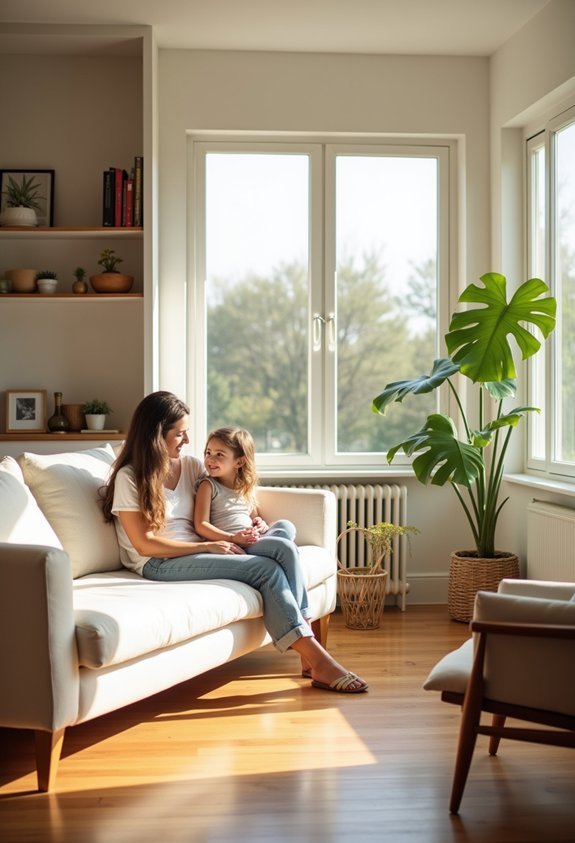
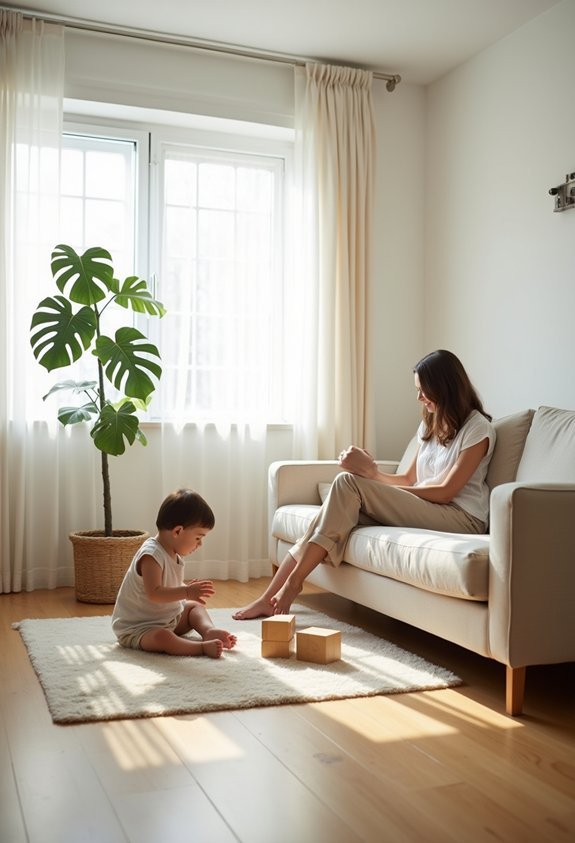
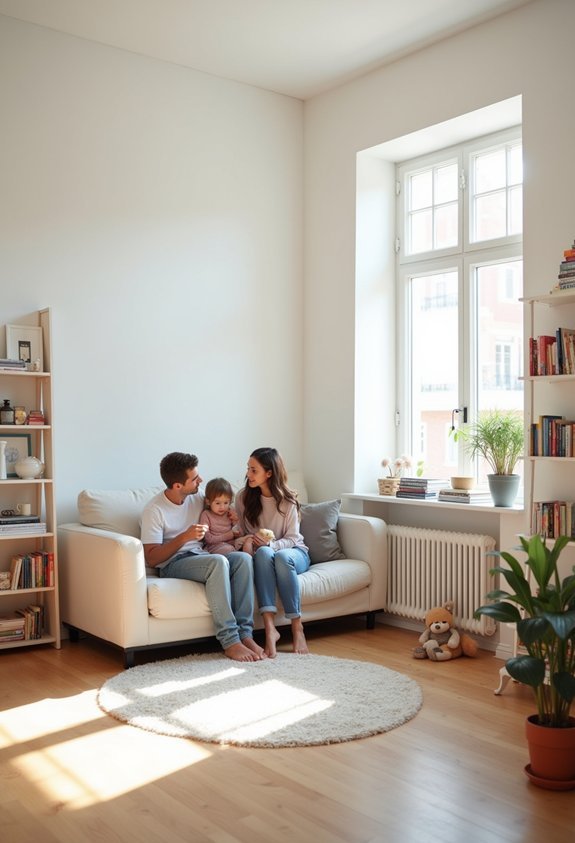
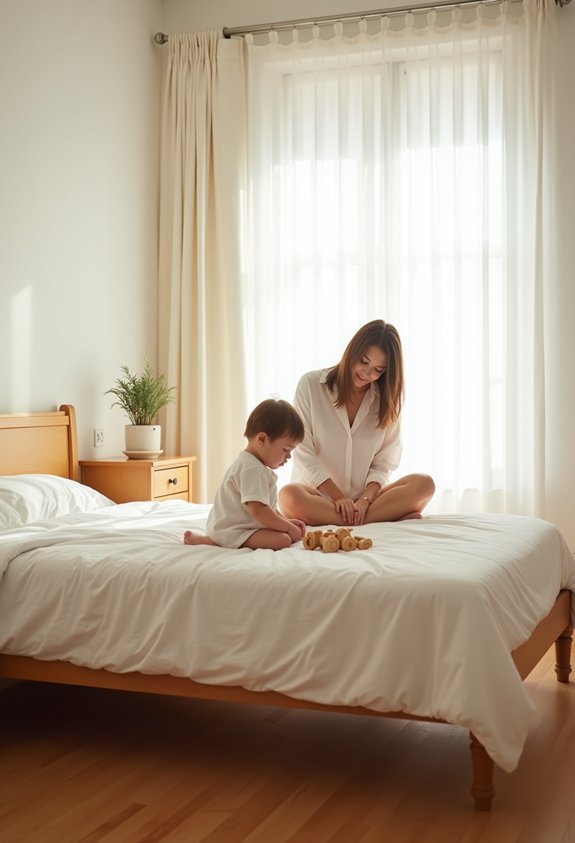

Although the idea of owning less can feel abstract at first, your early steps are often small, specific choices rather than dramatic purges. You don’t start with your whole home; you start with one drawer, one shelf, one category.
Begin with less: one drawer, one shelf, one small choice toward a simpler life.
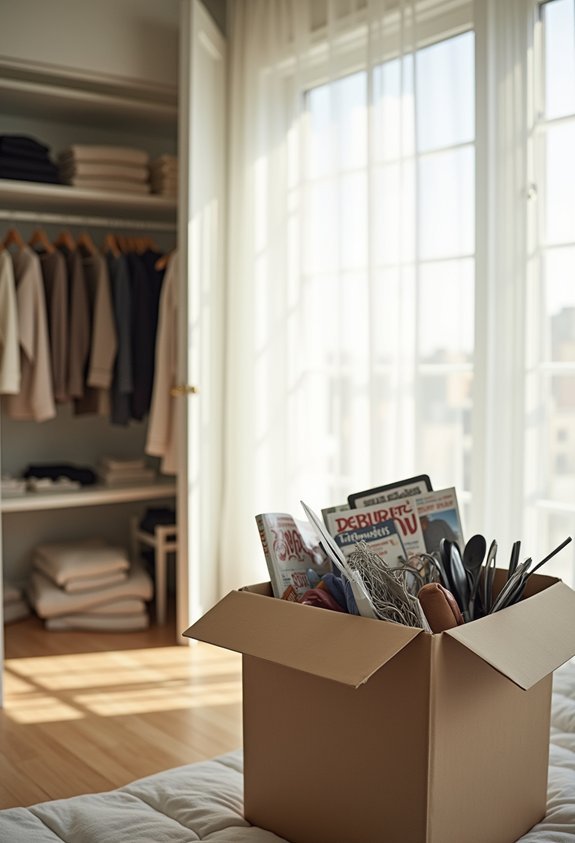
In your first decluttering experience, you pick up each item and ask, “Does this still serve who I’m becoming?” You notice duplicates, unfinished projects, objects that carry more guilt than joy. You let a few go, then a few more.
You’re not chasing emptiness; you’re embracing simplicity. You’re learning to pause before keeping something “just in case.” You begin to create gentle rules—one in, one out; keep what you use, love, or need—and you follow them, quietly, consistently.
Over time, these choices reshape your surroundings.
The Surprising Benefits of Letting Go
As you keep making those small choices to own less, the effects reach far beyond your closets and drawers. You start noticing a quiet space opening inside you, matching the cleared shelves around you. Each item you release becomes a decision to live by intention, not impulse.
- You feel the freedom gained when your identity no longer rests on what you store or display.
- You experience mental clarity because fewer possessions mean fewer unresolved decisions.
- You reconnect with values you’d buried under bargains, trends, and “just in case” purchases.
- You discover enoughness—accepting that what you already have, and who you already are, can be sufficient.
Letting go stops feeling like loss and starts feeling like alignment in how you live.
How Minimalism Changed My Daily Life
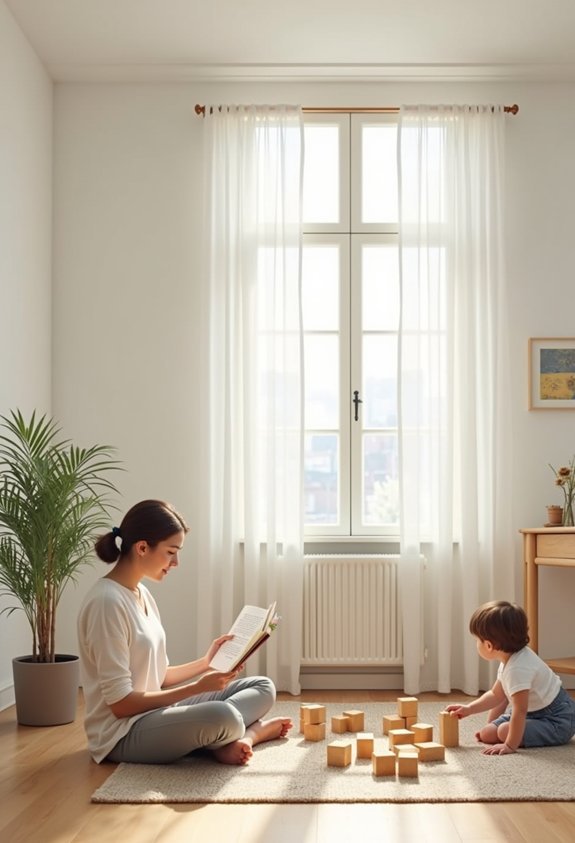
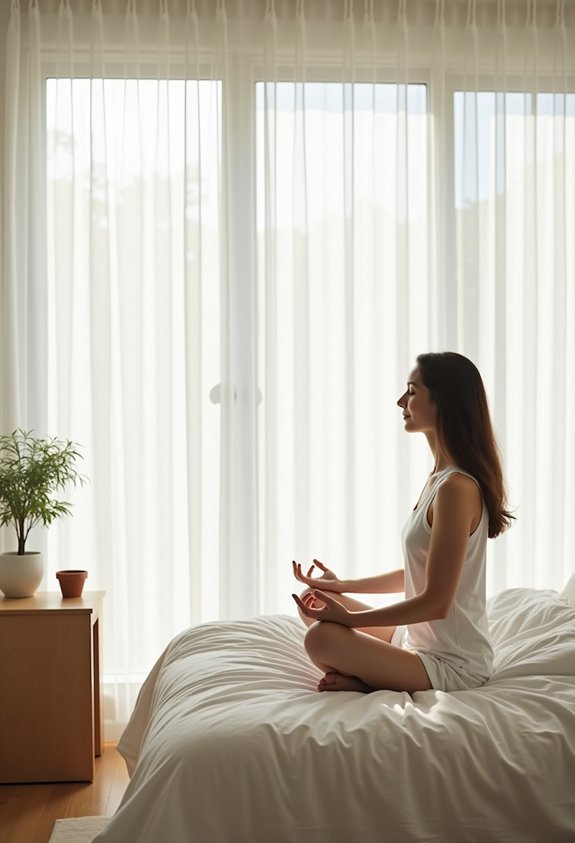
Once minimalism moved from a weekend decluttering project into the way I actually lived, my days began to feel quieter, lighter, and more deliberate.
You wake up and see open space instead of half-finished purchases, so your mind doesn’t scramble for decisions. You know where everything belongs, which turns daily routines into calm, almost rhythmic sequences: make the bed, clear the counter, prepare coffee, step out the door.
With fewer distractions, you notice how often you used to numb yourself with browsing, scrolling, and rearranging.
You start choosing actions that match your values: reading instead of shopping, walking instead of driving, listening instead of multitasking.
Mental clarity grows, not from perfection, but from repeatedly asking, “Does this still matter?” to the way you live.
Continuing the Journey With Fewer Things
Living with less doesn’t end when the closets are cleared and the schedule is lighter; it keeps asking you to choose what you’ll welcome into your life next.
Minimalism begins after the decluttering, in every new choice about what you allow in.
You practice intentional living each time you pause before saying yes—to objects, commitments, even relationships. To continue the journey, treat every new addition as a question: Will this support who you’re becoming, or pull you back into clutter?
- Notice urges to buy, and breathe before acting; this is mindful consumption in real time.
- Set clear limits for spaces, then honor them.
- Schedule regular “lighten up” reviews of home and calendar.
- Invest in experiences, skills, and rest more than possessions. In doing so, you keep your days spacious, grounded, and quietly joyful inside.
Conclusion
Now, when you look around, you don’t see gaps where stuff used to be; you see space where your life can breathe. The old rush of buying has softened into the quiet relief of enough. Instead of chasing upgrades, you’re refining priorities. Let that contrast guide you: less noise, more clarity; fewer objects, deeper presence. Keep choosing what supports who you’re becoming, not who you felt pressured to be. Your home can mirror that freedom.