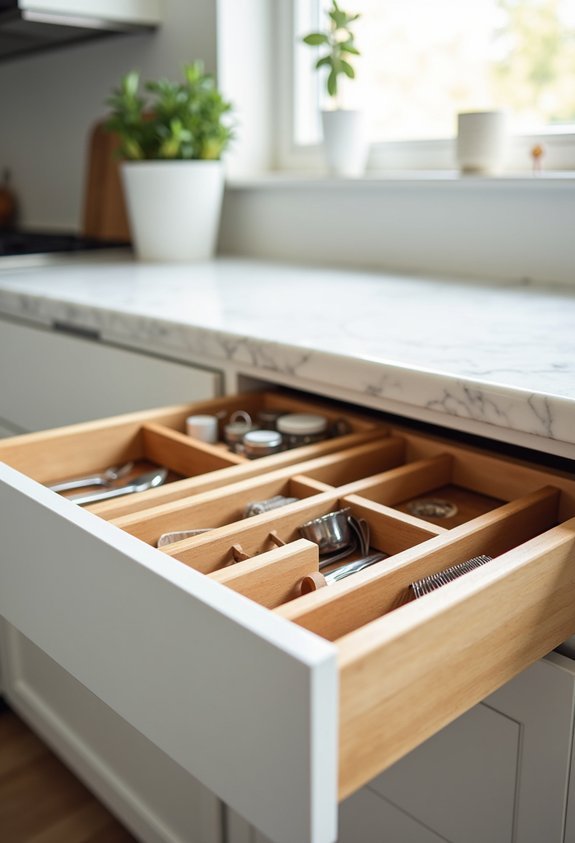
Why I Don’t Aim for Perfection When Decluttering
When you stop chasing a picture-perfect home, decluttering becomes less about shame and more about support for your real life. Instead of obsessing over matching bins and flawless closets, you focus on what makes your day easier: quick choices, clear surfaces, and items you actually use. This “good enough” approach helps you make progress faster, feel less overwhelmed, and stick with it—especially when you start noticing one specific shift in how you handle your stuff.
The Problem With Chasing a Picture-Perfect Home

When you’re constantly chasing a picture‑perfect home, you set yourself up for stress, procrastination, and disappointment. You compare every room to curated photos, feel aesthetic pressure, and decide it’s not worth starting until you can overhaul everything.
Instead of taking small, useful steps, you wait for the “right” system, budget, or weekend. Meanwhile, clutter grows and you blame yourself, turning ordinary mess into heavy clutter shame. That shame makes you hide piles in closets, rush to clean before guests, or avoid inviting people at all.
When your focus shifts from “How does this look?” to “How does this work for me today?” you free yourself to make steady, realistic progress and create a home that actually supports you day after day, in real life.
How Perfectionism Stalled My Decluttering Progress
Perfectionism quietly turned my decluttering into a series of stalled projects and half‑finished piles. You probably know this pattern: you start strong, then freeze because you can’t make the perfect decision about every item. That indecision is perfectionism paralysis in action.
Instead of finishing one drawer, you bounce between rooms, chasing an ideal you can’t define. Your brain tells you, “If it can’t look flawless, why bother?” That pressure creates decluttering anxiety, so you avoid starting at all. Progress shrinks to organizing the same pile repeatedly.
To break this cycle, lower the bar: aim for “better,” not “perfect.” Set a small, clear goal—one shelf, one box, ten minutes. Decide quickly, keep moving, and let consistency replace perfection. Each simple win rebuilds trust with yourself.
Shifting My Focus From Aesthetics to Everyday Ease
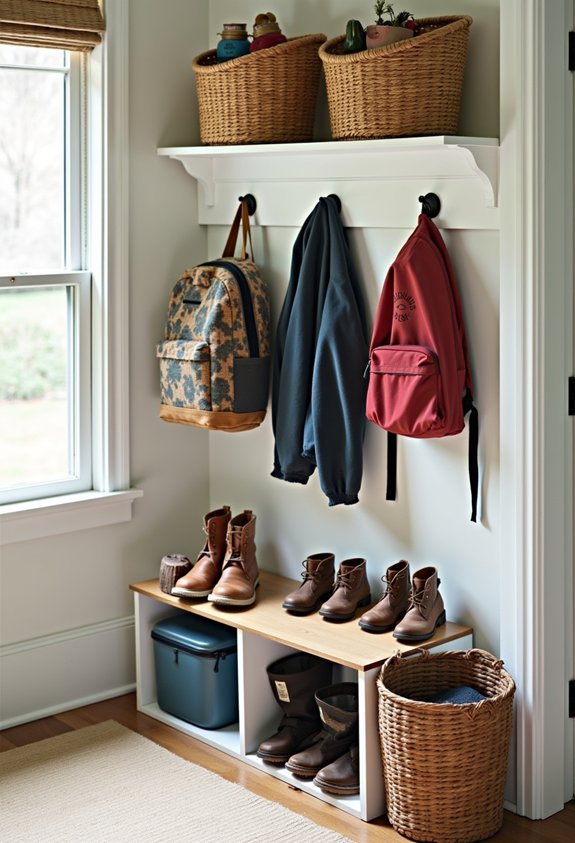
Lowering your perfectionism isn’t just about making faster decisions; it also means changing what “success” looks like in your space. Instead of chasing magazine-worthy rooms, you design functional spaces that support how you actually live.
You ask, “What needs to be easy?”—getting dressed, cooking, cleaning up—and organize around those answers.
You group items by task, not by color. You store things where you use them, not where they look prettiest. You choose containers that fit shelves and habits, not trends.
This is practical organization: labels you can read, homes you can reach, surfaces you can clear quickly.
When you shift your goal from impressing visitors to simplifying routines, your home starts working for you, not the other way around. That shift makes maintenance lighter.
Embracing “Good Enough” as a Decluttering Standard
Although it can feel uncomfortable at first, adopting “good enough” as your decluttering standard gives you a clear, realistic finish line instead of a vague idea of “perfect.”
Instead of agonizing over every drawer and corner, you decide in advance what “good enough” looks like: surfaces mostly clear, floors easy to sweep, closets that close without a struggle, systems you can maintain on your busiest days.
This decluttering mindset respects your energy, time, and current season of life. You create simple criteria for each space, then stop when those boxes are checked, even if a magazine photo might look neater.
Allowing a Little Mess Without Feeling Like a Failure
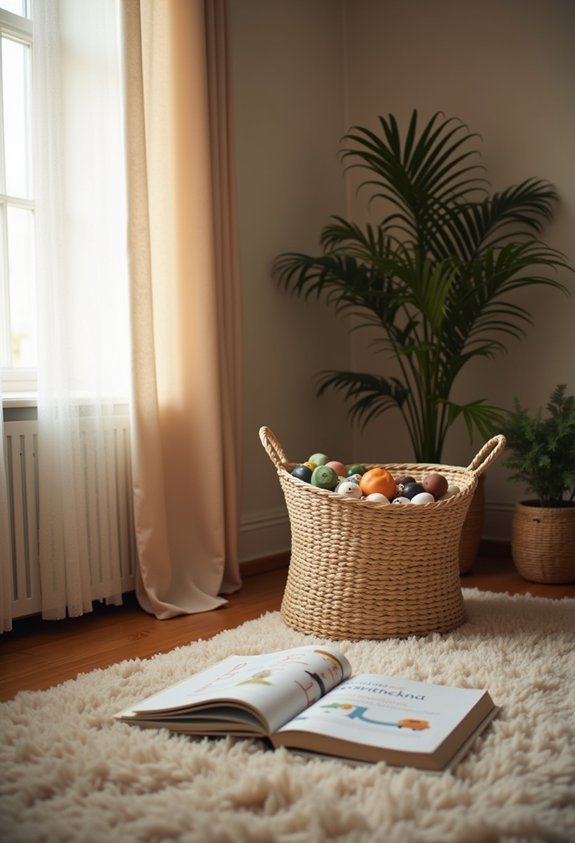
When you allow some everyday mess to exist without panicking, you break the exhausting cycle of all-or-nothing thinking. You stop grading yourself on how your home looks and start noticing how it feels.
Instead of labeling scattered toys or papers as failure, you read them as signs of life. You expect messy moments and treat them as temporary, not permanent.
When frustration rises, pause and name what’s actually wrong: “This corner feels crowded,” or “I can’t find what I need.” Then decide one small action you can finish in five minutes.
You’re not surrendering; you’re accepting chaos as a normal part of living. That shift frees your energy for what matters more than perfectly cleared surfaces, most days, in this season of your life.
You may also like:


Systems That Support a Lived-In, Low-Stress Home
Letting a little mess exist is easier once you have simple systems that keep it from snowballing.
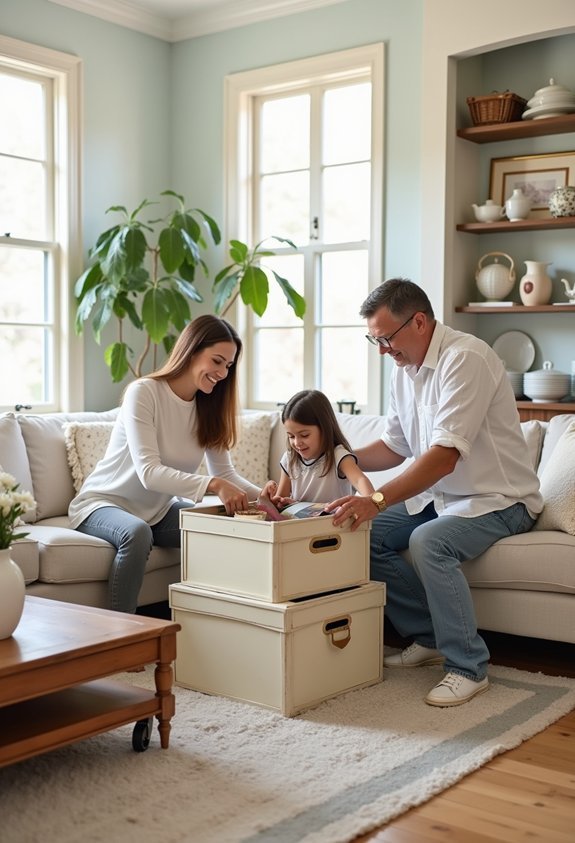
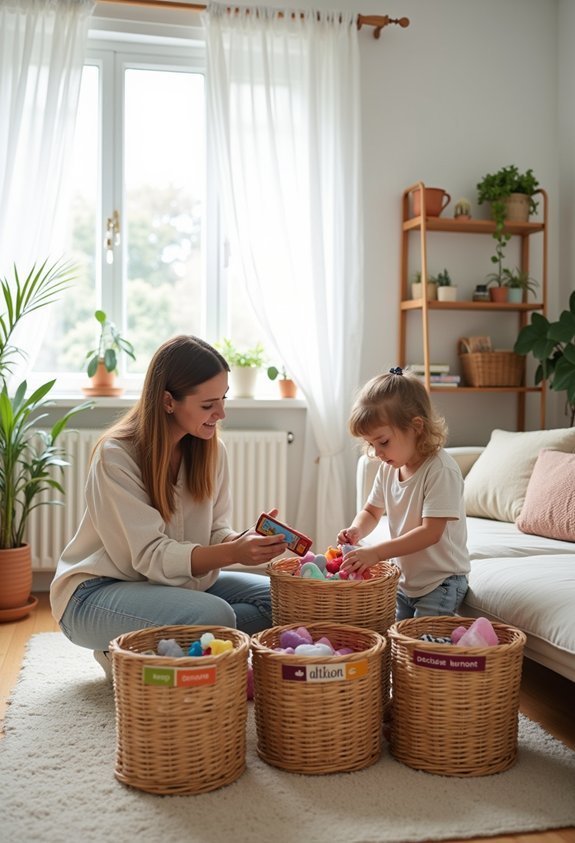
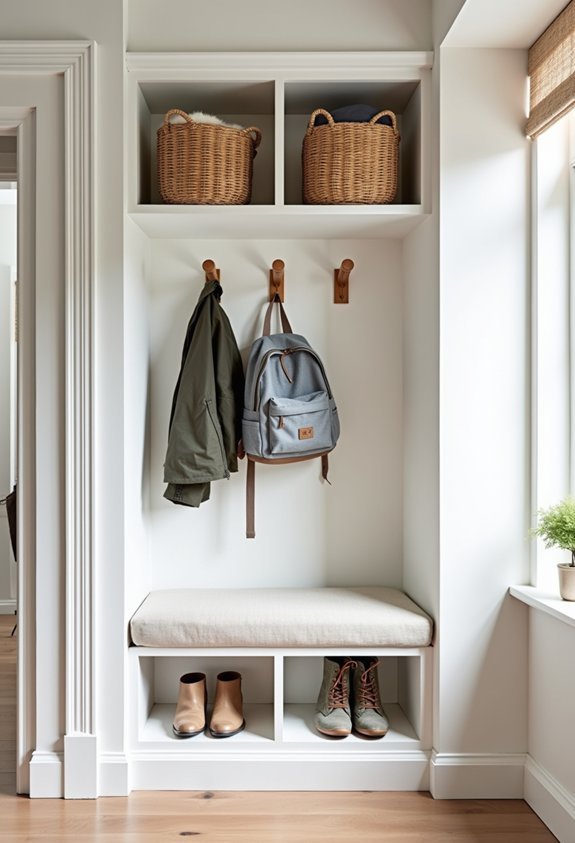
Start by designing functional organization around how you actually live, not how you wish you lived. Give every category a clear, reachable home: a basket for shoes, a tray for mail, a bin for toys.
Label things so anyone can reset the room in minutes. Build tiny routines that support these systems: a five-minute reset after dinner, a quick sweep before bed, a weekly donation check.
Protect mindful spaces—your nightstand, desk, or kitchen counter—so you always have calm landing zones. When stuff inevitably drifts, you don’t panic; you just return items to their homes and move on.
Over time, these habits become automatic and stress drops noticeably.
Why Imperfect Decluttering Is More Sustainable Long-Term
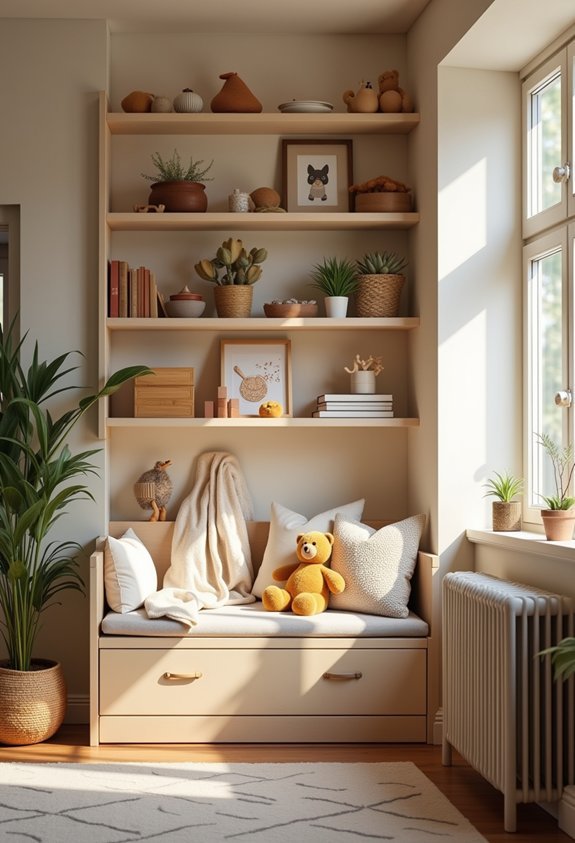
Perfection-free decluttering lasts longer because it respects how real life works instead of fighting it. When you stop chasing flawless rooms, you start building systems you can repeat on a busy Tuesday, not just a rare free weekend. You focus on sustainable habits: daily resets, quick ten-minute tidies, and realistic limits for each space.
Imperfect decluttering also frees your attention for mindful choices. Instead of debating every object endlessly, you decide “good enough for now” and move on. That momentum keeps clutter from rebounding. You adjust containers, furniture, and routines as your life changes, rather than freezing the room in a staged moment.
Over time, consistency beats intensity, and your home slowly becomes easier to maintain, not harder, even when your schedule feels chaotic.
Conclusion
When you release perfection, you reclaim peace. You stop staging rooms and start solving real, repeatable problems. You create simple systems—drop zones, donation bins, daily resets—that support your schedule, not some staged spread. You allow mild mess without meaning failure. You choose function over fuss, rhythm over rigidity, habits over heroics. Bit by bit, you build a steady, sustainable, “good enough” home that lets you actually live, not constantly labor, in your space.