Why I Quit Subscription Boxes and Never Looked Back
You probably don’t know that the average subscriber underestimates their total subscription spending by up to 60%, according to recent surveys. You sign up for “curated” boxes because they promise surprise, savings, and identity—yet behavioral research shows they often trigger decision fatigue, guilt, and clutter. As the boxes stack up, so do the sunk costs and emotional friction. Here’s what actually happens when you cancel them all—and why it changes more than your budget.
The Allure of a Monthly Surprise
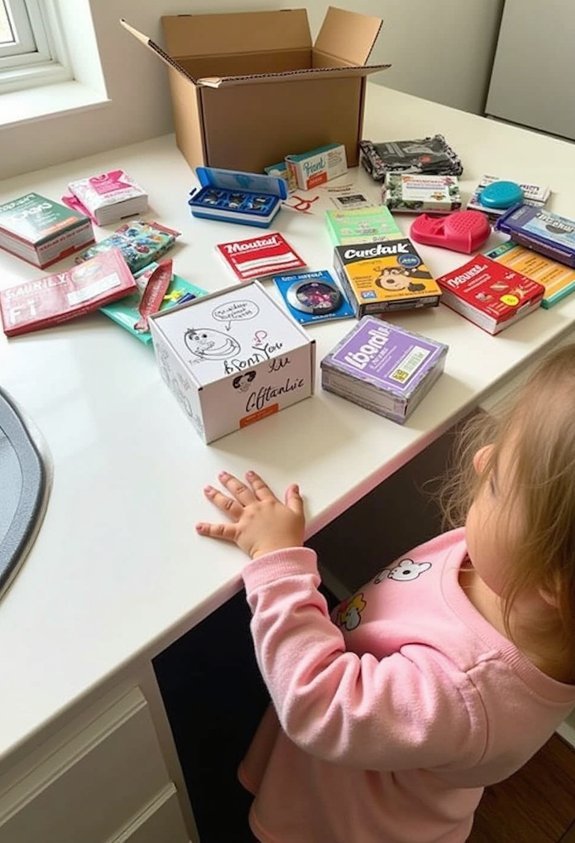
Though you probably know exactly what’s inside your pantry and inbox, the psychology of not knowing what’s in that next box is what hooks you: variable rewards. Each shipment gives you a tiny lab-rat jolt; your brain releases dopamine in anticipation, not consumption.
We’re hooked on the dopamine of not knowing what’s inside the next box
Studies on intermittent reinforcement show you’ll check tracking updates more often when outcomes stay unpredictable. Subscription brands exploit that, selling monthly excitement as self-care and identity, not just products.
You’re also responding to the cultural script of optimization. Algorithms promise they “know” your taste, so you outsource discovery. The surprise factor feels efficient: new skincare, snacks, or gadgets without endless scrolling.
Social feeds amplify the effect; unboxing videos signal status, belonging, and FOMO-fueled curiosity about what your next box might reveal.
When “Curated” Started to Feel Like Clutter
At some point, the “perfectly curated” box stopped feeling like personalization and started looking like offloaded inventory. You noticed the pattern: full-size items you rarely finished, minis you never opened, and “must-haves” that duplicated what you already owned.
Studies on decision fatigue show that excess choice lowers satisfaction, and your bathroom shelf became proof. Instead of curation vs. clutter, the box tilted hard toward clutter. Algorithms optimized for engagement, not alignment with your real habits, kept pushing novelty over need.
As the subscription economy exploded past $30 billion, everyone chased recurring revenue; you were left managing recurring stuff. Mindful consumption—choosing one product you’ll actually use—began to feel more advanced, and oddly more luxurious, than another surprise assortment.
That shift quietly rewired how you buy.
The Hidden Costs Behind the Cute Packaging

You may also like:





Beneath the millennial-pink boxes and crinkle paper, the economics of subscription kits quietly shift costs from brands to you. Each “free” deluxe sample isn’t really free; its price hides inside your recurring fee, along with fulfillment, marketing, and influencer budgets.
Those “free” samples and pretty boxes? You’re quietly footing the bill every single month
Industry reports show packaging can eat 10–40% of unit costs, yet you’re the one funding the unboxing moment.
You also pay through hidden expenses: storage space, trips to return items, and the mental load of deciding what to keep. Research on decision fatigue shows every extra object drains focus.
Meanwhile, all that packaging waste—plastic mailers, tissue, inserts—doesn’t just crowd your recycling bin; it amplifies your environmental footprint, nudging you to normalize overspending in the name of “treating yourself,” month after month, box after box.
How Subscription Culture Fuels Mindless Consumption
While subscription brands market themselves as tools for “curation” and convenience, their real engine is behavioral design that nudges you to consume on autopilot.
Each renewal date becomes a psychological trigger: you’ve already paid, so you feel compelled to justify it by wanting the box. This is impulse buying outsourced to algorithms tuned on consumer psychology and FOMO metrics. You’re not choosing; you’re reacting.
Over time, that reaction dulls your sense of what you actually like, need, or value. Watch how the cycle reinforces itself:
- Anticipation spikes dopamine when shipping emails appear.
- Delivery day reframes excess as deserved self-care.
- You stash mediocre items instead of questioning the service.
- Friends’ posts make overflowing products feel normal, even smart.
- Auto-renew bills you before reflection can happen.
Cancelling Everything: What Happened Next

Once I finally cancelled every box—beauty, wellness, “self-care,” and the “just for fun” ones—the first thing I noticed wasn’t extra money, it was withdrawal.
You’d trained your brain to expect a monthly dopamine hit; behavioral economists call it “variable reward reinforcement.” When you start canceling subscriptions, you don’t just cut costs, you disrupt a habit loop.
Canceling subscriptions doesn’t just save money; it rewires your brain’s craving for surprise and satisfaction
In those first weeks, your inbox feels oddly quiet, your doorstep strangely empty.
Yet research on clutter and decision fatigue shows your cortisol drops when visual noise declines. You begin sleeping better, scrolling less, and comparing yourself to influencers a little less harshly.
Choosing Intentional Purchases Over Automatic Deliveries
Instead of letting algorithms decide what shows up at your door, you start making each purchase a conscious choice—and that shift matters more than it looks.
Research on consumer behavior shows that when you pause before buying, you cut impulsive purchases by up to 30%. You stop treating deliveries as surprises and start treating them as decisions.
By practicing intentional spending and mindful shopping, you align purchases with actual needs, not clever curation. Over time, you’ll notice fewer returns, less clutter, and higher satisfaction per dollar spent on average.
- Track every purchase in a simple spreadsheet.
- Set 24-hour rules before non-essential online checkouts.
- Replace auto-renewals with quarterly intentional spending reviews.
- Compare box costs versus individually chosen items.
- Celebrate skipped purchases as real financial wins.
Conclusion
When you finally cancel those boxes, your brain stops juggling 10,000 tiny decisions a month and exhales. You’re not just skipping lip balm #47; you’re opting out of a $28B subscription economy designed to hijack your dopamine. Instead of drowning in “curated” clutter, you start tracking what you truly use, buy on purpose, and feel your anxiety drop like a bad stock. In a culture of auto-renew everything, you become the outlier who actually chooses.