Why It’s Okay to Get Rid of Expensive Things
It’s okay to let go of expensive things you don’t use because the money’s already spent—keeping them won’t change that, and you’re just paying twice by sacrificing space and peace of mind. That $200 kitchen gadget collecting dust? It’s costing you mental energy every time you see it, and your present self doesn’t have to honor your past self’s spending mistakes. The relief you’ll feel after letting it go is worth way more than what you paid, and there’s a surprising amount of freedom waiting when you stop letting price tags make your decisions for you.
Key Takeaways
- Money spent is already gone; keeping unused expensive items doesn’t recover the cost but creates ongoing mental clutter and guilt.
- Expensive items that sit unused cost you valuable space, time, and energy while providing zero practical benefit or joy.
- Your priorities naturally evolve over time, making past expensive purchases no longer relevant to your current needs and lifestyle.
- Cost per use matters more than purchase price; a rarely used expensive item has infinite cost compared to loved inexpensive ones.
- Letting go of expensive mistakes frees mental energy, reclaims physical space, and enables better future financial decisions without guilt.
Understanding the Sunk Cost Fallacy and Why It Keeps You Stuck
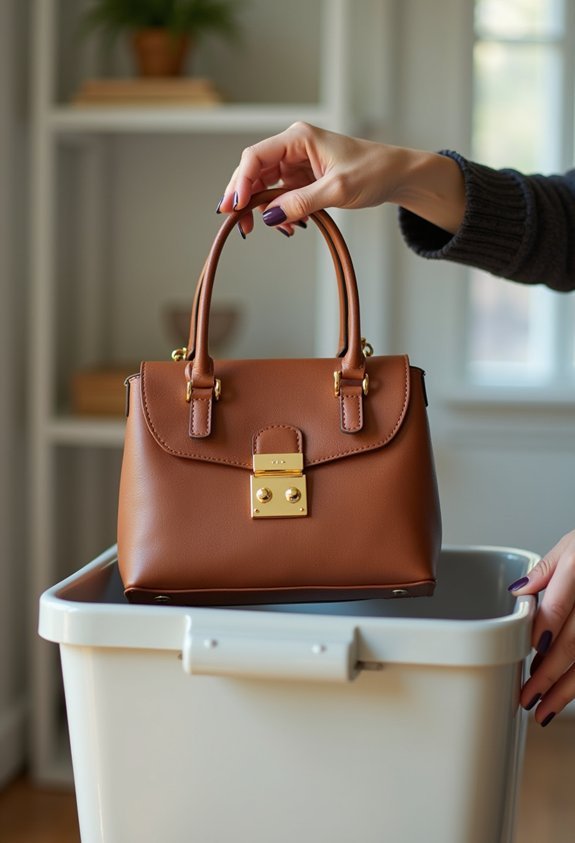
When you’re holding onto that $800 coffee maker you’ve used exactly twice, your brain does something sneaky—it whispers that getting rid of it means “wasting” all that money.
But here’s the truth: that money’s already gone.
This is the sunk cost fallacy in action, and it’s keeping your closets packed with regret. You can’t un-spend those dollars, no matter how long you keep that thing around collecting dust.
The real waste? Letting expensive mistakes take up space in your life—physically and mentally.
That decision paralysis you feel (should I keep it, donate it, sell it?) is just your brain trying to rewrite history. It can’t be done.
The money’s spent. Now you get to choose what stays.
Like emotional spending, keeping unused items is a coping strategy—a way to avoid the uncomfortable feeling that you made a mistake.
The Hidden Costs of Keeping Things You Don’t Use
How much is that treadmill-turned-laundry-rack actually costing you right now?
More than you think.
Every unused item takes up valuable space—and space costs money, whether you’re paying rent or a mortgage.
That exercise bike gathering dust could’ve been half your closet back.
But the hidden expenses go deeper than square footage.
Unused items create mental clutter, making you feel guilty every time you walk past them. (Why aren’t I using this? What’s wrong with me?)
That unused treadmill isn’t just taking up space—it’s costing you mental energy every single day.
They also cost you time.
You clean around them, organize them, move them when guests visit—all for things you never actually use.
The “expensive thing” you’re keeping?
It’s becoming more expensive every single day you don’t let it go.
And like unused items, hidden fees for storage and decision fatigue drain your resources without delivering any real value in return.
Your Past Self Made That Purchase, But Your Present Self Doesn’t Have to Keep It
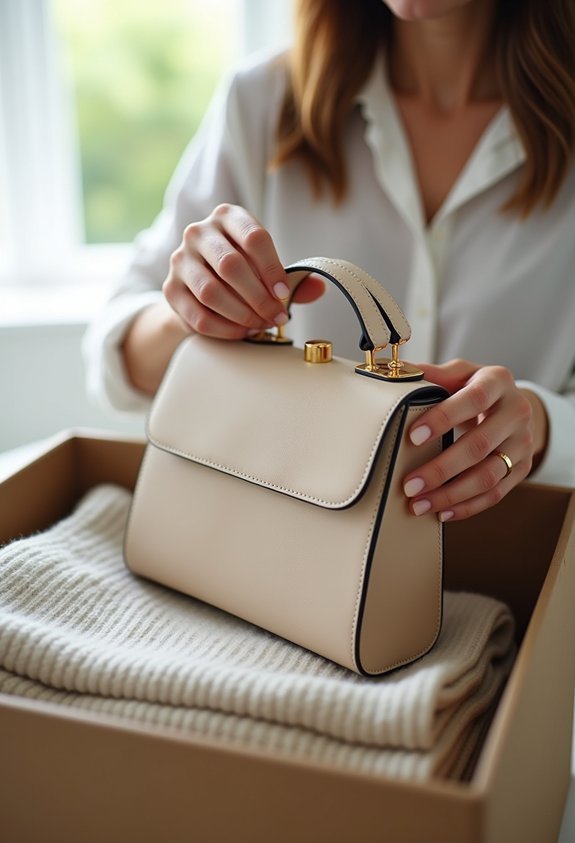
Because you bought something years ago doesn’t mean you’re stuck with it forever—that’s not how life works.
Your past self had different needs, different dreams, maybe even different hobbies (remember when you were *totally* going to learn guitar?). That person made past purchases based on what seemed important then.
But here’s the thing—you’re not that person anymore.
Your present priorities have shifted, and that’s completely normal. You’ve grown, changed, figured out what actually matters to you.
The expensive bread maker collecting dust? Past you thought homemade sourdough was the answer. Present you knows ordering from the bakery down the street works just fine.
Holding onto items that no longer serve you creates decision fatigue as each possession demands mental space and justification.
You’re allowed to let go.
It’s not failure—it’s evolution.
How Expensive Items Create Mental and Emotional Burden
Letting go sounds simple in theory, but here’s what nobody tells you—those expensive things sitting in your home aren’t just taking up physical space.
They’re carrying emotional weight that follows you around like a clingy puppy.
Every time you see that pricey treadmill (now a clothes hanger), you feel guilty.
That designer bag you never use? It whispers “waste of money” each morning.
This is mental clutter at its finest.
Your brain keeps track of these items—reminding you they exist, that they cost too much, that you should use them more.
It’s exhausting, honestly.
Here’s the truth: expensive things often create more stress than joy.
They become obligations instead of possessions, weighing you down emotionally even when you’re not looking at them.
These items can keep you tied to past decisions and experiences, reinforcing emotional attachments that prevent you from moving forward.
The Opportunity Cost of Holding Onto High-Priced Possessions

When you’re clinging to that $2,000 road bike collecting dust in your garage, you’re not just losing storage space—you’re losing actual money right now, today.
That’s opportunity cost in action.
Every day you don’t sell is another day you’re choosing the guilt over the cash.
Sell it for $1,200, and suddenly you’ve got cash to knock out credit card debt (goodbye, 22% interest rate).
Or build an emergency fund.
Or invest in something that actually fits your current life—not the person you thought you’d become.
Here’s the thing: holding onto expensive stuff because “it cost so much” keeps you stuck.
It’s like paying rent on your own guilt.
Financial freedom isn’t about owning impressive things.
It’s about making your money work for you, not against you.
Just like unused gym memberships that drain $30–$50 monthly without delivering results, expensive possessions you don’t use represent money that could be working harder elsewhere.
Let it go.
Get your money back.
Guilt Is Not a Good Enough Reason to Keep Anything
Guilt is expensive—and it doesn’t even pay rent.
That fancy juicer gathering dust? The designer bag you never carry? Keeping them won’t change the past—it just clutters your present (and honestly, makes you feel worse every time you see them).
Here’s the truth: holding onto stuff out of guilt isn’t honoring the money you spent.
It’s creating emotional baggage that weighs you down daily.
Guilt-free living starts when you realize that keeping something doesn’t make the purchase “worth it.”
Using your space for things you actually love does.
The expensive mistake already happened. You can’t un-buy it.
But you *can* stop paying the emotional price—right now, today—by finally letting go.
Every object you keep demands not just physical space, but emotional energy—and that unused item is draining both without giving anything back.
When Selling or Donating Expensive Items Actually Makes Financial Sense

Sometimes the best financial move is taking the loss now instead of watching that expensive thing depreciate to zero in your closet.
Here’s the truth—you’ll actually save money by letting go.
Selling strategies can recoup at least some of your investment, even if it stings accepting less than you paid.
Something is better than nothing, right?
Even a fraction of your original investment beats watching that expensive item slowly become worthless in storage.
And donation benefits? They’re real. You can claim tax deductions (hello, money back), plus you’re freeing up mental space that’s worth more than you think.
That designer purse gathering dust isn’t an asset—it’s dead money.
The camping gear you’ve never used? Same thing.
Turn those expensive mistakes into actual value instead of expensive regrets taking up room in your life.
Fewer distractions from unused expensive items means you’ll actually notice what you need and where your money should really go.
The Freedom That Comes From Prioritizing Function Over Price Tag
Liberation hits differently when you realize a $20 kitchen knife that actually cuts well beats the $200 one you were afraid to use.
When you embrace functionality first, something shifts. You stop being a museum curator of your own life—constantly protecting expensive things instead of actually living with them.
Here’s what changes when you prioritize function over price:
- You actually use your stuff instead of saving it for “special occasions” that never come.
- Decision-making gets easier because you’re asking “does this work?” instead of “but I paid so much.”
- Financial freedom starts making sense when you’re not trapped by what things cost.
The fancy espresso machine gathering dust? It’s not serving you. That thrifted mug you reach for daily? *That’s* the winner.
Breaking this pattern means letting go of the cost per use fallacy—recognizing that an expensive item you never touch has infinite cost per use, while an inexpensive item you love becomes cheaper every time you reach for it.
How to Evaluate Whether an Expensive Item Still Serves Your Life

Imagine someone offered to trade that $300 gadget for $150 cash right now—would you feel relieved or resistant?
That gut reaction tells you everything about whether something still fits your life.
Here’s your value assessment toolkit: Ask yourself if you’d buy it again today, knowing what you know now about your actual habits and needs.
(Spoiler alert—the answer’s often a sheepish “nope.”)
Check for lifestyle alignment too. Does this expensive thing match who you’re *now*, or who you were three years ago?
Because here’s the thing—you’re allowed to evolve past your purchases.
If you’re keeping it purely because of what you paid, that’s the sunk cost fallacy talking, not wisdom.
Your present self deserves better than being held hostage by your past self’s credit card.
Sometimes our possessions reveal deeper expectations we’ve been carrying—goals that were never really aligned with our authentic priorities in the first place.
Real Stories: What People Don’t Regret Letting Go Of
The fancy espresso machine collecting dust? Someone donated it — and now uses that counter space for actual cooking.
Here’s what real people let go without looking back:
- Designer handbags they thought would make them feel successful (spoiler: they didn’t)
- Gym equipment that became expensive coat racks — turns out walks outside work just fine
- Wedding china used exactly twice, stored for decades out of obligation
Breaking emotional attachment to pricey things you don’t use? That’s where financial liberation starts.
You’re not throwing away money — you already spent it. Now you’re just reclaiming your space, your energy, and honestly, your sanity.
The relief people describe after letting go? It’s real.
One person said ditching their boat (yes, a whole boat) felt like “finally exhaling after holding your breath for years.”
You may also like:



Each item you keep demands constant micro-decisions throughout your day, quietly draining mental energy you could be using for things that actually matter.
In case you were wondering
What if I Need the Expensive Item Again in the Future?
You can always replace the item if future needs arise. It’s better to free up space and mental energy now rather than keeping expensive things “just in case.” Trust that you’ll find solutions when you actually need them.
How Do I Tell Family Who Gifted Me Something I’m Letting It Go?
Be honest and grateful. Studies show 68% of people don’t mind if gifts are regifted or donated. Respect family dynamics by acknowledging their thoughtfulness, but explain your needs have changed. Proper gift etiquette means honoring the gesture, not keeping items forever.
Should I Keep Expensive Items for My Children to Inherit Someday?
Don’t keep expensive items solely for inheritance. Only preserve things with genuine sentimental value or heirloom considerations your children actually want. Ask them directly—they’ll likely prefer you enjoy life now rather than store unwanted possessions for decades.
What’s the Best Way to Calculate an Item’s Current Resale Value?
You’ll want to research current market trends on resale platforms like eBay or Poshmark for comparable items. Complete an honest item condition assessment, noting any flaws. This combination gives you the most accurate resale value estimate.
How Long Should I Keep Receipts After Getting Rid of Expensive Purchases?
You should keep receipts for seven years after selling expensive items for tax purposes. Proper receipt organization and financial documentation protect you if the IRS questions deductions or capital gains from your sale transactions.
Conclusion
Picture your space—lighter, clearer, actually filled with things you love and use. That’s what’s waiting when you let go of expensive stuff that doesn’t serve you anymore.
The price tag doesn’t matter if it’s gathering dust.
You’re not wasting money by getting rid of it—you already spent that money. Now you’re just making room for what actually fits your life today, and honestly? That freedom’s priceless.