Why Minimalism Isn’t About White Walls and Empty Rooms
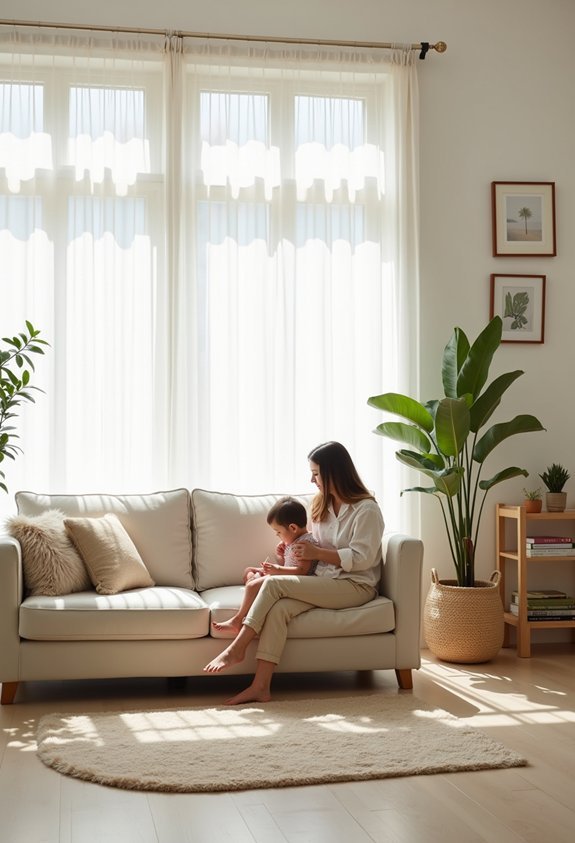
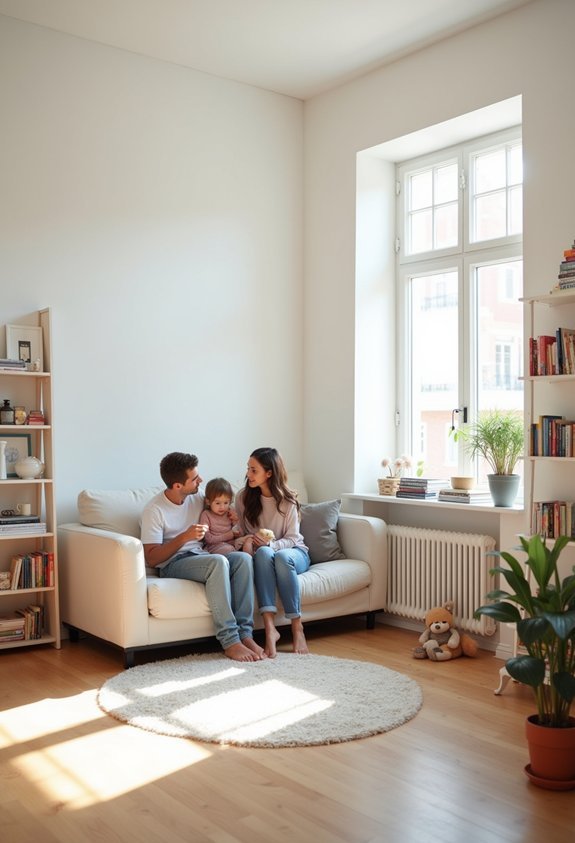
The blank wall is less a destination than a doorway. When you strip a space to its bones, you’re not chasing sterility; you’re making room for what actually matters to you—textures that calm you, objects that earn their place, routines that fit your life. Minimalism isn’t about owning less for its own sake; it’s about asking a harder question: what deserves to stay, and why?
Redefining What Minimalism Really Means
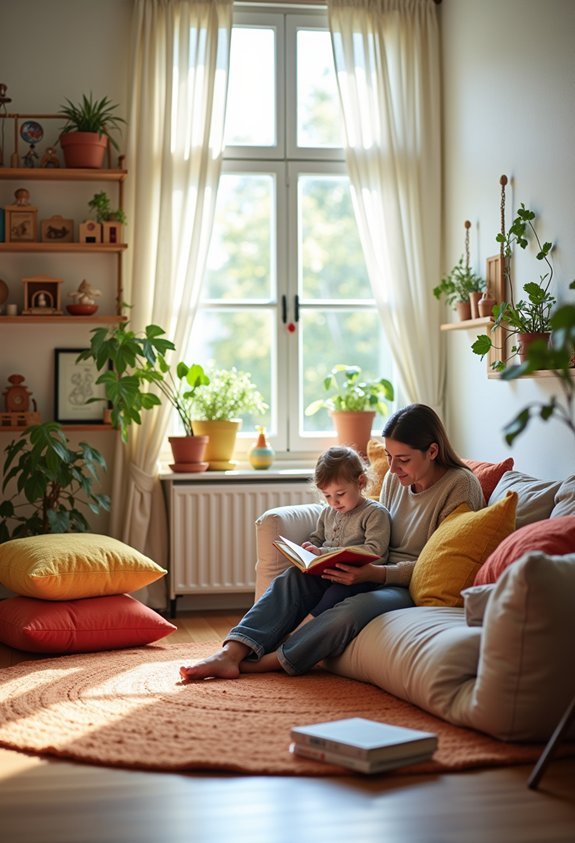
Clarity in minimalism isn’t about living with almost nothing; it’s about curating what’s essential so every object, color, and line has intention. You’re not staging a gallery; you’re designing a space that works hard, looks resolved, and feels quiet rather than empty.
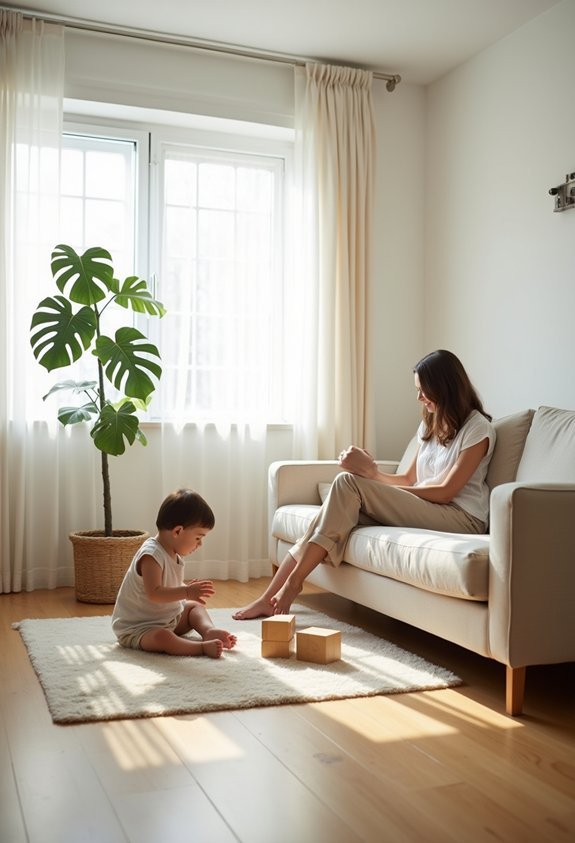
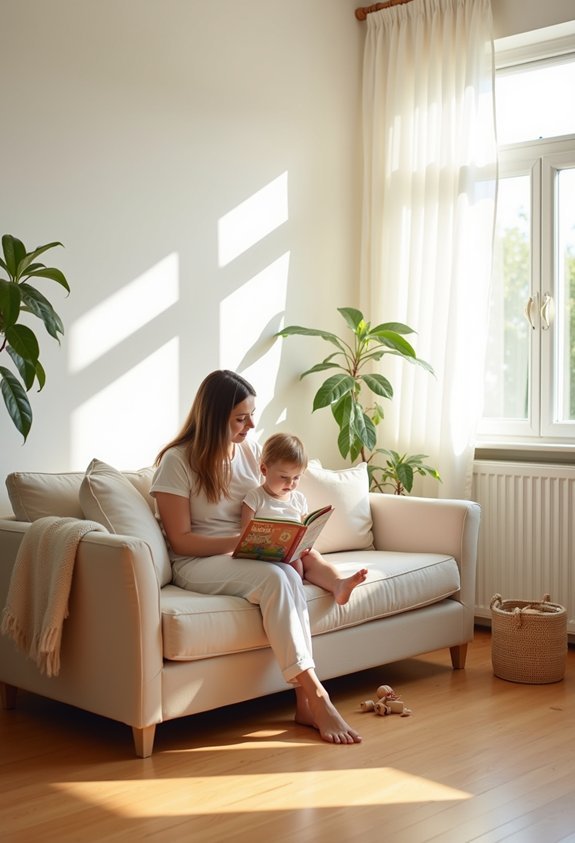
Many minimalism misconceptions come from equating fewer items with less personality. In practice, you edit so the pieces you keep carry visual and functional weight: a single well-proportioned sofa, cohesive textiles, integrated storage that erases visual noise.
Minimalism isn’t about having less; it’s about keeping only what carries real purpose, presence, and quiet impact.
You’re redefining abundance as breathing room, light, and usability instead of surplus decor. Materials, negative space, and sightlines become your key tools, letting you prioritize craftsmanship, comfort, and long-term value over novelty, clutter, and short-lived trends.
You edit decisively, not austerely, to reflect yourself fully.
From Aesthetic to Intentional Living
While minimalist interiors often get reduced to a look—white walls, clean lines, curated emptiness—the real power of minimalism shows up when you treat it as a decision-making framework for how you live.
You stop decorating for trends and start designing a rhythm for your days. You edit your calendar like you’d edit a room, asking what actually earns space. You choose fewer, better commitments, and honor them fully.
In design terms, you’re moving from styling to curation. Every yes becomes a considered placement; every no protects visual and mental negative space.
These intentional choices create time and attention for meaningful connections, deeper focus, and genuine rest, so the aesthetic you love outside mirrors a quieter, more aligned interior life that you can actually feel.
Letting Go of Clutter Beyond Your Stuff

Even after you’ve edited your closet and cleared every surface, visual calm can still collide with a life crowded by digital noise, emotional residue, and obligations you’ve outgrown.
You extend a decluttering mindset to your calendar, inbox, and relationships, asking what truly supports your values. You unsubscribe, mute threads, and renegotiate expectations that drain you. You acknowledge emotional attachments without letting them dictate every yes. You treat these less-visible layers like design constraints, curating a cleaner rhythm to your days.
Begin by auditing:
- Digital subscriptions you never read
- Recurring meetings that lack clear purpose
- Social media follows that distort your focus
- Obligations maintained only from guilt or habit
- Conversations that consistently leave you depleted
How Minimalism Creates Mental and Emotional Space
After you strip away the nonessential—physical, digital, and social—you’re not just “owning less”; you’re redesigning your cognitive landscape.
Each removed object, app, or obligation reduces micro-decisions that fragment attention. Visual noise decreases, and your nervous system gets fewer alerts to process, so you access deeper mental clarity. Surfaces become sightlines rather than storage, and negative space starts working like white space in editorial design: it frames what matters.
You stop scanning for lost items, unfinished tasks, and ambient guilt. That lowered cognitive load makes room for emotional freedom. Instead of reacting to piles, pings, and postponed projects, you notice texture, light, and atmosphere.
Your environment shifts from a running to-do list into a calm, intentional interface that supports thinking and feeling at its best.
Aligning Your Time, Energy, and Values
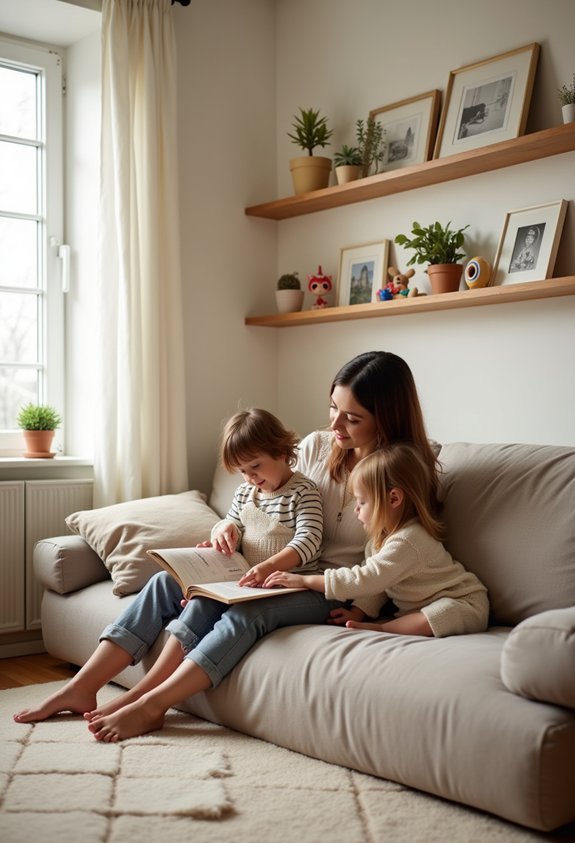
Because minimalism isn’t just about your shelves, it inevitably recalibrates your schedule too: what you own stops dictating how you spend your hours.
You start treating time as a designed space, not a default. Through clear time management, you map your days around what matters, not what appears urgent. You practice values assessment the way a curator evaluates a collection: what stays, what goes, what gets prominence.
To align your calendar with energy alignment, you notice when you’re mentally sharp, open, or creatively drained, then schedule accordingly. Minimalism becomes visible in your week when you:
- Decline invitations that dilute focus
- Batch errands to preserve flow
- Reserve mornings for deep, undistracted work
- Protect white space for rest and reflection
- Make intentional choices about recurring commitments
Minimalism in the Digital Age
While your physical space might already signal intention and restraint, your digital environment often sprawls unchecked—tabs breeding overnight, notifications splintering your attention, and cloud folders turning into invisible junk drawers.
Minimalism here means designing a calmer interface for your mind. You audit every app, unsubscribe from feeds that don’t serve you, and archive aggressively. You practice digital decluttering techniques weekly: inbox zero, single-tab work sessions, and streamlined folder hierarchies named for actions, not nostalgia.
You mute nonessential alerts and batch communication so your screen stops dictating your priorities. With intentional technology use, each tool earns its place: your phone becomes a curated control center, your desktop a clean workspace, your cloud storage a legible, low-friction library supporting focused, meaningful work without noise or distraction.
Personal Style Without the Excess
Your screens may now feel calm and intentional; your closet, on the other hand, might still broadcast indecision and impulse.
Minimalism in dress isn’t about owning three black t‑shirts; it’s about aligning personal expression with function. You edit, not erase, your unique aesthetics. Instead of volume, you prioritize precision: fabrics that drape well, colors that repeat, silhouettes that photograph cleanly and feel effortless in motion.
Think of your wardrobe as a tightly curated toolkit:
You may also like:

- Two or three base silhouettes you love from every angle
- A restrained palette that flatters skin, hair, and daily environments
- Textures that age well and resist trend decay
- Accessories that create variation, not clutter
- Footwear that balances proportion, comfort, and refinement
You dress with intention, not apology; nothing feels missing.
Navigating Relationships and Social Expectations
Even as your physical spaces grow quieter, relationships and social scripts may still pressure you to prove success through visible excess. You’ll notice social pressures most during gifting rituals, milestone events, and online displays, where abundance functions like social currency.
Minimalism asks you to redraw relationship boundaries without abandoning emotional connections. You start reading friendship dynamics through different metrics: time, attention, shared projects, not matching purchases.
Family expectations may resist at first, especially when heirlooms and holiday traditions feel non‑negotiable. Here, precise communication styles matter—calm explanations, consistent choices, and small visual cues in how you host.
You’ll cultivate support networks that respect restraint and value intention, often through quiet community involvement instead of spectacle or competitive lifestyle performance. Status becomes coherence rather than accumulation.
Practical Steps to Start Your Own Version of Minimalism
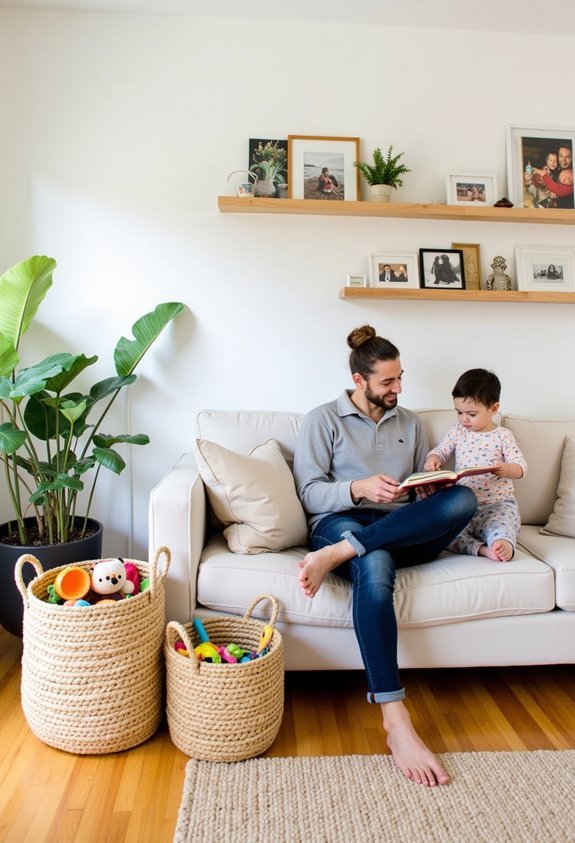
Social pressure may keep performing abundance, but your actual practice of minimalism starts with specific, observable choices.
Begin by noticing friction: cluttered entry tables, overstuffed inboxes, chaotic color palettes. Then define a personalized approach that respects your routines, hobbies, and sensory preferences. Design constraints, not deprivation—space each object so it can visually breathe.
Let discomfort guide you: edit visual noise until every object, color, and habit feels deliberately chosen.
To translate intention into action, test small, reversible experiments:
- Edit one surface; remove everything, then reintroduce only pieces that earn attention or utility.
- Trial capsule groupings in your wardrobe, kitchen, or studio before donating.
- Schedule recurring 15-minute sessions to test decluttering methods, tracking what actually stays clear.
- Adjust lighting, textiles, and storage so daily essentials feel intentionally displayed, not hidden.
- Review; refine volume, layout, and color until rooms mirror your priorities.
Conclusion
When you treat minimalism as a living framework—not a sterile aesthetic—you start editing your life like a well-designed layout. You keep what supports your rhythm: tactile fabrics, honest materials, considered color, meaningful routines. You release the visual and mental noise that dilutes your focus. In doing so, you don’t create an empty box; you build a clear, beautiful container for your values, where every object, commitment, and pixel earns its place.