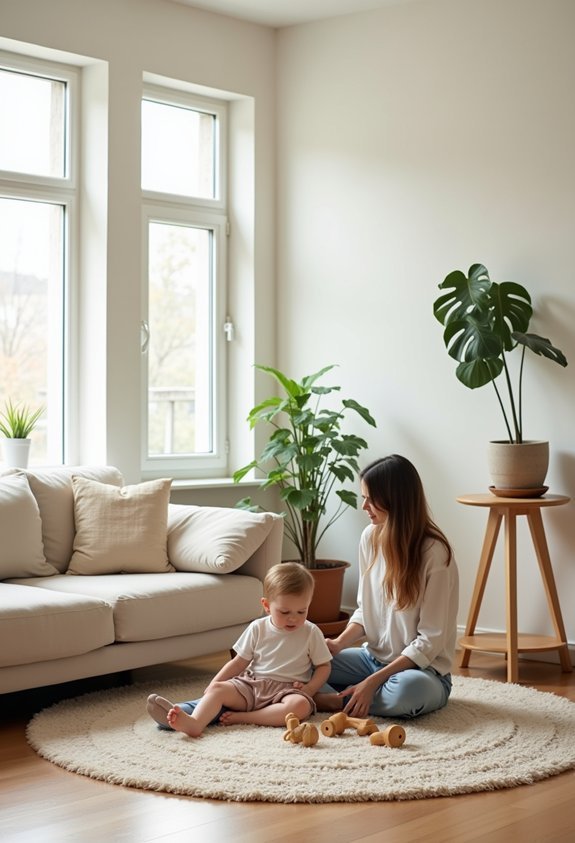
Why Owning Less Made Me More Generous
Owning less can feel like clearing a fogged window—you suddenly see what truly matters. As you release stuff you once guarded, you notice your grip on money and possessions start to loosen too. Your definition of “enough” shifts, and space appears in your budget, your home, and your heart. But the most unexpected change isn’t what you lose; it’s what you find yourself wanting to give away.
Letting Go of Stuff, Finding Room to Give

When you start loosening your grip on what you own, you often discover you’re freeing up more than just closet space—you’re making room to live and give differently.
As you sort through drawers and shelves, you notice how many things once felt essential but now just weigh you down. Releasing them isn’t loss; it’s alignment.
A minimalist mindset helps you ask, “What actually serves my values?” Instead of guarding piles of rarely used items, you can pass them on.
You create breathing room in your home and budget, but also in your heart. With fewer distractions, intentional living becomes simpler: you see needs around you more clearly and respond more readily, offering time, attention, and resources with less hesitation and a deeper joy within.
How Less Consumption Quieted My Need for More
At first, cutting back on what you buy feels like you’re denying yourself, but over time you start noticing something quieter underneath the urge to get more.
As you pause before each purchase, you begin to see how often you’ve chased relief, status, or distraction. Mindful spending turns into a small daily practice of honesty: Do I really need this, or am I soothing something else?
Every unmade purchase becomes a mirror: What am I really trying to fix or feel?
You stop numbing and start listening. The silence after you don’t buy becomes information. You notice which activities, relationships, and contributions bring real emotional fulfillment.
The craving for more stuff doesn’t vanish, but it loses authority. You realize your desires are softer, truer, and far less dependent on what’s in your cart and on the stories you consume.
The Surprising Budget Surplus of a Simpler Life

As you stop buying to soothe and start listening to what you actually need, something unexpected happens on your bank statement: money stays put. You notice gaps between paychecks where your balance used to sink.
Small choices—brewing coffee at home, delaying upgrades, canceling unused subscriptions—quietly stack up. Mindful spending turns into a habit, not a punishment. You’re no longer chasing sales; you’re checking in with your values.
Over time, that surplus feels like breathing room. An emergency doesn’t send you into panic. A broken appliance becomes an inconvenience, not a crisis.
You may also like:


You can plan, save, and experiment without borrowing from your future. This is financial freedom’s overlooked doorway: not earning more, but needing less, and watching your calm grow alongside your account each month.
Generosity as a New Measure of “Enough
Enough quietly changes shape once you’re no longer scrambling to cover your own needs; it stops being a vague feeling and starts looking like an invitation to be generous.
Enough shifts from silent anxiety to a steady, gentle summons to live generously
You begin to see that having enough isn’t about hitting a number; it’s about knowing you’re positioned to bless others without fear. You measure sufficiency less by what sits in your accounts and more by how open your hands feel.
In that shift, the value of generosity grows clearer: giving becomes proof that your life is already full. You’re redefining abundance from ownership to overflow, from accumulation to participation in other people’s good.
Enough becomes the quiet confidence that you can release, not clutch, and still trust there will be enough tomorrow for you both.
Practical Ways Simplifying Turned Into Sharing

Once you start loosening your grip on your stuff, the most surprising thing is how naturally it begins to flow outward.
As you adopt a minimalist mindset, you notice where excess hides and who might need what you no longer do.
Here are simple ways your simplifying can become someone else’s relief:
- Sort one category a week, then immediately donate usable items to a local shelter or community closet.
- Keep a small “to-give” box by the door so generosity becomes a daily habit, not a rare event.
- When you sell items, set aside a fixed percentage for causes that align with your intentional living values.
- Share rarely used tools, books, or appliances with neighbors, building connection instead of clutter everywhere.
Conclusion
When you own less, you finally see how much you’ve always had to give. As the noise of wanting quiets, space opens—for people, not possessions. Your budget stops leaking, your heart stops hoarding, and generosity becomes your new way to measure “enough.” You won’t need a GPS from the future to guide you; every small act of sharing will keep reorienting you toward what matters most: living lightly, holding loosely, and giving freely.