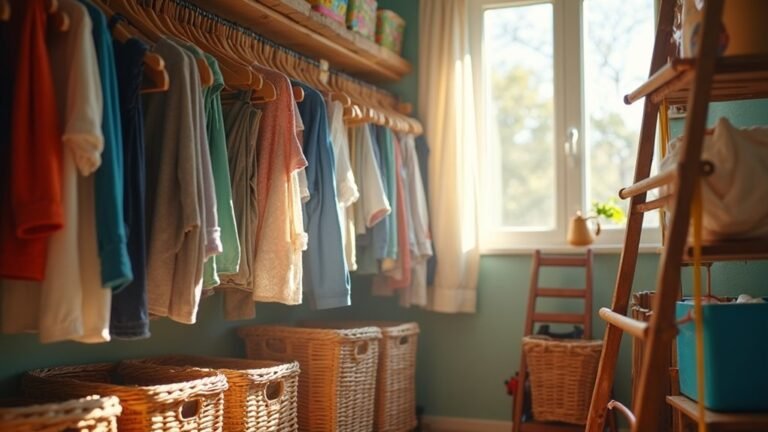
17 Ways to Dispose of Clutter Responsibly
You’ve got options beyond the trash can—donate gently-used items to local charities, sell stuff on Facebook Marketplace or eBay, host a garage sale with neighbors, recycle electronics at e-waste centers, compost kitchen scraps, swap with friends through Buy Nothing groups, drop furniture at reuse centers, recycle paper and cardboard properly (break down those boxes!), or partner with eco-conscious junk removal services. Each method gives your clutter a second life while helping people or the planet—and we’ll show you exactly how to make it happen.
Key Takeaways
- Donate gently-used items to local charities or sell through online marketplaces and garage sales for financial return.
- Recycle electronics at e-waste centers and textiles at eco-friendly bins to prevent environmental harm and landfill waste.
- Join Buy Nothing groups or community swap events to exchange items locally without transactions or disposal guilt.
- Upcycle old items into new creations like storage containers or cleaning rags to save money and reduce waste.
- Compost kitchen scraps and organic materials to create nutrient-rich soil while minimizing household trash output.
Donate to Local Charity Organizations

When you’re staring at that mountain of stuff you don’t need anymore, donating to local charities is honestly one of the easiest ways to feel good about decluttering.
You’re helping people who actually need your gently-used items—and you don’t have to haul everything to the dump.
Here’s the thing, though.
Check donation guidelines before you load up your car, because charities can’t accept everything (sorry, that stained couch isn’t gonna work).
Not all items are donation-worthy—charities need clean, functional stuff they can actually use or resell, not your broken junk.
Most organizations want clean, functional items they can actually use or sell.
The charity impact? It’s real.
Your old coffee maker could help fund job training programs, and those clothes you never wear might keep someone warm this winter.
Plus, you’ll get that donation receipt for tax time—which is basically the universe saying “thanks for being awesome.”
If you’re dealing with inherited belongings, consider choosing donation options that align with your loved one’s values and interests to make the process more meaningful.
Sell Items Through Online Marketplaces
Dozens of online marketplaces are basically waiting for you to turn your clutter into actual cash—and yeah, that’s way more exciting than just tossing stuff in the donation bin.
You’ve got options like Facebook Marketplace, eBay, Poshmark (for clothes), or even OfferUp—each one’s pretty easy to navigate once you get the hang of it.
Here’s the thing about marketplace success: good photos make all the difference. Snap clear pictures in decent lighting, write honest descriptions, and price things fairly—that’s your foundation right there.
The best online selling tips? Be patient, respond quickly to messages, and don’t take lowball offers personally (everyone’s trying to score a deal, including you).
Your old stuff could literally fund your next pizza night—or something way cooler.
Selling off duplicates and unused items is especially satisfying if you’re trying to break free from mindless consumption habits and make room for more intentional purchases.
Host a Garage or Yard Sale
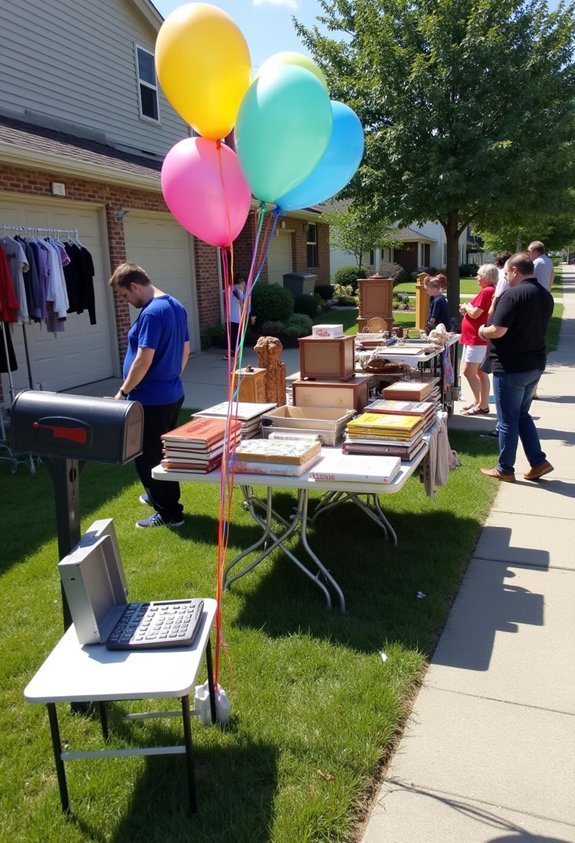
If you’re someone who’d rather deal with neighbors than shipping labels, a garage sale might be your perfect clutter-clearing weekend project.
Here’s the thing—pricing strategies don’t need to be complicated. Mark everything to sell, not to keep, because you’re literally trying to get rid of stuff (that’s the whole point, right?).
Consider neighborhood collaboration by teaming up with nearby friends—more households mean more foot traffic, which means more cash in everyone’s pockets.
Set up early, have plenty of change ready, and prepare yourself for the inevitable hagglers who’ll offer you fifty cents for your vintage lamp.
It’s actually kind of fun.
You’ll meet interesting people, clear out space, and make some money—all while enjoying your Saturday morning coffee in the driveway. For items that don’t sell, you can host a swap with friends or neighbors afterward to ensure good items find homes that will actually use them.
Recycle Electronics at E-Waste Centers
Your garage sale’s wrapped up, but now you’re staring at that box of old phones, tangled chargers, and a laptop from 2009 that weighs approximately eight pounds.
Don’t toss those into your regular trash—electronics leak nasty chemicals into landfills, and nobody wants that guilt trip.
E waste recycling centers are your new best friend. They’ll handle electronic disposal properly, breaking down components and salvaging valuable materials like copper and gold (yes, really).
Here’s what you can typically recycle:
- Phones, tablets, and laptops – even the ancient ones
- Cables, chargers, and batteries – that mysterious drawer collection
- Printers, monitors, and keyboards – the bulky stuff taking up space
Most big-box stores and municipalities offer free drop-off.
Beyond the environmental win, clearing out old electronics reduces visual noise that can trigger low-level stress throughout your day.
Easy, responsible, done.
Compost Organic Materials
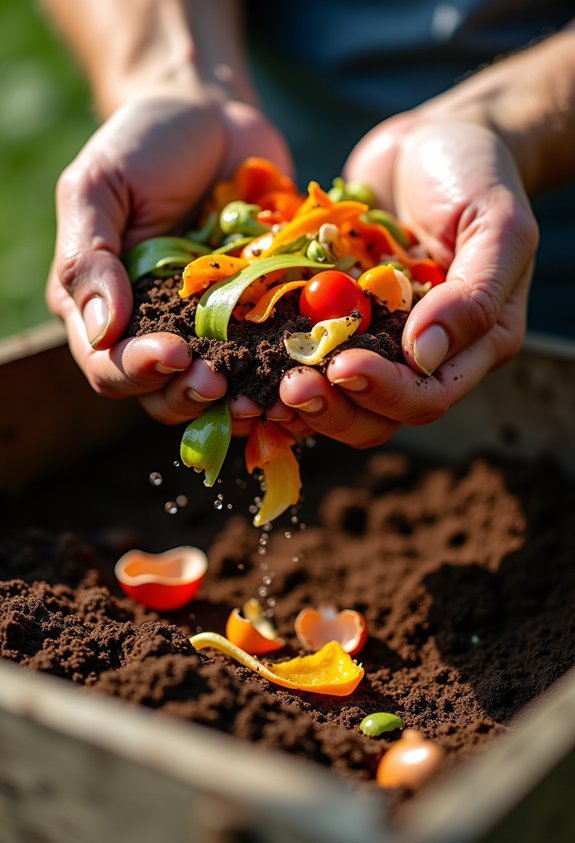
While you’re decluttering, those banana peels and coffee grounds piling up in your kitchen don’t belong in a landfill—they’re basically free fertilizer waiting to happen.
Kitchen scraps like eggshells, vegetable trimmings, and fruit cores can transform into nutrient-rich soil instead of rotting in trash bags (where they produce methane, which is terrible for the environment).
Kitchen scraps don’t have to rot in landfills—they can become nutrient-rich compost instead of greenhouse gas factories.
You don’t need fancy equipment either—just a bin, some brown materials like leaves or newspaper, and your organic waste.
The composting benefits? You’ll reduce your trash output significantly, create amazing food for your garden, and feel pretty accomplished watching nature do its recycling thing.
Even apartment dwellers can try small countertop composters or vermiculture (that’s worm composting, and yes, it’s oddly satisfying).
Your plants will thank you.
Composting also supports mindful consumption by turning waste into a resource that serves your current living space rather than filling storage areas with unused items.
Offer Free Items on Community Platforms
Before you haul that perfectly good lamp to the curb, someone in your neighborhood probably needs exactly what you’re tossing out.
Online community groups have become treasure troves for neighborhood exchange—where your clutter becomes someone else’s prize.
Here’s how to make it work:
- Post clear photos and honest descriptions (nobody wants surprise stains, trust me)
- Use local Facebook groups, Nextdoor, or Buy Nothing groups to reach neighbors who’ll actually pick stuff up
- Arrange porch pickup so you don’t have to coordinate schedules or make awkward small talk
The best part? You’ll feel genuinely good knowing your old coffee table is getting a second life—and you didn’t contribute another load to the landfill.
Win-win.
Donating rarely used items not only clears your space but opens opportunities for intentional living and strengthens community connections.
Consign Gently Used Clothing and Furniture

That designer coat collecting dust in your closet? It could be earning you cash at consignment shops right now—while making someone else’s day.
Consignment stores handle the selling for you (genius, right?). You drop off quality items, they price and display them, and you split the profits when things sell.
No haggling with strangers online or answering “is this still available?” messages at midnight.
The fashion resale market is booming, which means your gently used clothing and furniture actually have value.
Your closet isn’t just storage—it’s inventory waiting to turn into actual money in your pocket.
Those barely-worn shoes? That mid-century chair you replaced? Someone’s actively searching for them.
Most shops are picky—they only accept current styles in excellent condition.
But that’s good news for you, because it means they’re motivated to sell your stuff quickly.
Beyond the financial return, consigning helps break free from the emotional weight of clutter that builds up when possessions no longer serve your current life.
Upcycle and Repurpose Old Items
Since you’re already looking at those old items with fresh eyes, why not transform them into something completely new instead of tossing them out?
Upcycling turns potential trash into treasure—and it’s way more fun than you’d think.
Creative projects using sustainable materials can save you money while keeping stuff out of landfills. Win-win.
Here are some surprisingly simple ideas:
- Turn old jars into storage containers for your kitchen, bathroom, or craft supplies (just add paint or labels)
- Transform worn t-shirts into cleaning rags or reusable shopping bags—no sewing skills required
- Convert wooden crates into shelving units that actually look intentional and stylish
You don’t need to be crafty to make this work. Just willing to experiment a little.
Before diving in, consider which projects align with your daily routines—this decision-making framework ensures you’re creating items you’ll actually use rather than adding more clutter back into your space.
Return Medications to Pharmacy Take-Back Programs

When those expired pain meds and forgotten prescription bottles start multiplying in your medicine cabinet like rabbits, don’t even think about tossing them in the trash or flushing them down the toilet.
Medication safety isn’t just about keeping them away from kids—it’s about protecting our water supply too.
Proper medication disposal protects both curious toddlers and the environment—because nobody needs pharmaceutical soup in their drinking water.
Here’s the good news: pharmacy programs make this ridiculously easy. Most major chains (CVS, Walgreens, Rite Aid) have secure drop-boxes where you can anonymously dump your old pills, no questions asked. Some police stations offer them too.
Just toss everything in—bottles, patches, even pet medications—and walk away feeling virtuous.
You’re literally preventing accidental poisonings and keeping pharmaceuticals out of rivers where confused fish don’t need your leftover antidepressants.
It takes five minutes, tops.
Drop Off Textiles at Recycling Bins
Your closet is probably hiding clothes you haven’t worn since 2019—stretched-out t-shirts, jeans that don’t fit, that bridesmaid dress you’ll definitely never wear again (we both know it).
Here’s the thing: textile recycling keeps fabric out of landfills, and it’s surprisingly easy. Those eco friendly bins you see at shopping centers? They’re literally waiting for your cast-offs.
What you can drop off:
- Worn-out clothes (yes, even stuff with holes)
- Mismatched socks, old sheets, and raggedy towels
- Shoes paired together with rubber bands
The bins accept almost everything fabric-based—even items too damaged for donation.
You’re not just decluttering; you’re giving materials a second life as insulation, rags, or new textiles.
Before you toss everything, consider checking charity shops in higher-income neighborhoods first—they often accept gently used items that could benefit others while still keeping textiles in circulation.
Pretty cool, right?
Participate in Buy Nothing Groups

Thousands of hyper-local Facebook groups exist for one simple purpose: giving away stuff you don’t want to people who actually need it.
These Buy Nothing groups embrace sustainable living at its finest—no money changes hands, just good vibes and community engagement.
You post a photo of your old coffee maker, someone claims it within minutes, and boom—problem solved.
No guilt about landfills, no hassle of selling.
The best part? You can also *ask* for items you need, which means you’re saving money while helping others declutter.
It’s basically a digital neighborhood where people actually help each other out (imagine that).
Plus, meeting neighbors who pick up your stuff creates real connections.
Way better than letting everything collect dust in your garage.
By mindfully releasing items through these groups, you’re practicing emotional release that honors both the object’s story and your own need to move forward unburdened.
Bring Hazardous Waste to Collection Events
Hazardous waste needs special handling, and that’s where collection events come in clutch.
Most cities host these events a few times yearly, making it surprisingly easy to offload the scary stuff responsibly:
- Check your city’s website for upcoming hazardous waste collection dates (they’re usually free!)
- Gather everything questionable from under sinks, garages, and that one cabinet nobody opens
- Drop it off guilt-free knowing it’ll get processed safely instead of contaminating groundwater
Think of collection events as adulting gold stars.
You’re protecting the environment *and* reclaiming storage space—win-win.
Gift Items to Friends and Family
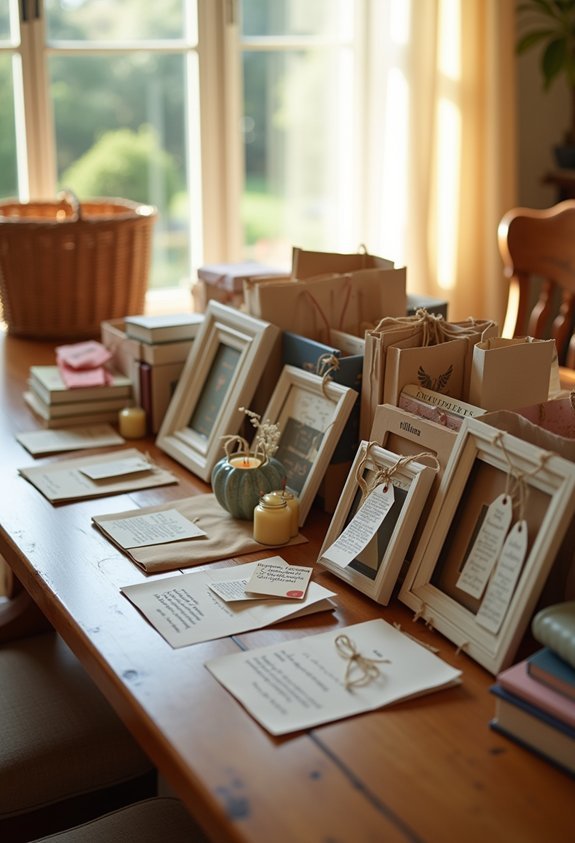
Your sister might genuinely love that barely-used kitchen gadget you impulse-bought.
Those books collecting dust? Perfect for your nephew who’s into that genre.
Here’s the thing: personal gift exchanges feel meaningful, not like you’re offloading junk.
And sentimental keepsakes—the ones you’re keeping out of guilt, not love—might actually matter to someone else in your family.
Your mom’s vintage scarves could thrill your fashion-obsessed cousin.
Just don’t guilt-trip anyone into accepting stuff.
Offer freely, and if they decline, that’s your green light to donate.
No hard feelings, no passive-aggressive holiday mentions.
Win-win.
Trade or Swap With Others
One person’s clutter is literally another person’s treasure—and swapping lets you cash in on that reality without spending a dime.
Barter events and community exchanges are popping up everywhere—from neighborhood Facebook groups to organized swap meets at local libraries.
Here’s how to make trading work:
- Join online swap groups where members post items they’re offering and what they’d accept in return.
- Attend community exchanges at schools, churches, or recreation centers (many happen seasonally).
- Organize your own swap party with friends—everyone brings stuff, everyone leaves with “new” treasures.
The beauty of swapping? You’ll declutter *and* refresh your space without touching your wallet.
Plus, you’re keeping perfectly good items in circulation instead of landfills.
Win-win-win.
Deliver Furniture to Reuse Centers

That solid oak dresser taking up half your bedroom? Reuse centers want it—seriously, they do.
Furniture donation through reuse centers gives your stuff a second life while helping families who need it. These organizations (think Habitat for Humanity ReStores, Goodwill, Salvation Army) actively seek quality furniture pieces. Your couch, dining table, or bookshelf becomes someone else’s treasure.
Here’s the deal: most centers offer free pickup for larger items, so you don’t need to rent a truck or bribe friends with pizza.
Reuse initiatives keep perfectly good furniture out of landfills—which is huge for the environment—and provide affordable options for people furnishing their homes. It’s a win-win that makes your decluttering efforts actually matter.
One call, and that bulky armoire disappears.
Recycle Paper, Cardboard, and Plastics Properly
When recycling gets confusing—and let’s be honest, it absolutely does—most people just toss everything in the blue bin and hope for the best.
Wishcycling feels responsible, but contaminated recycling batches prove good intentions aren’t enough—knowledge actually matters here.
But here’s the thing: wishcycling (yes, that’s what it’s called) actually contaminates entire batches of recyclables.
You’ll want to master these paper recycling techniques and cardboard disposal methods:
- Break down boxes completely—flattened cardboard takes up way less space and processes much easier at facilities.
- Remove plastic windows from envelopes and pizza grease from boxes (because contaminated paper ruins everything).
- Keep papers dry and clean—wet newspapers belong in compost, not recycling.
It’s not rocket science, but it does require like thirty extra seconds of your time.
Totally worth it, though.
Partner With Junk Removal Services That Prioritize Sustainability
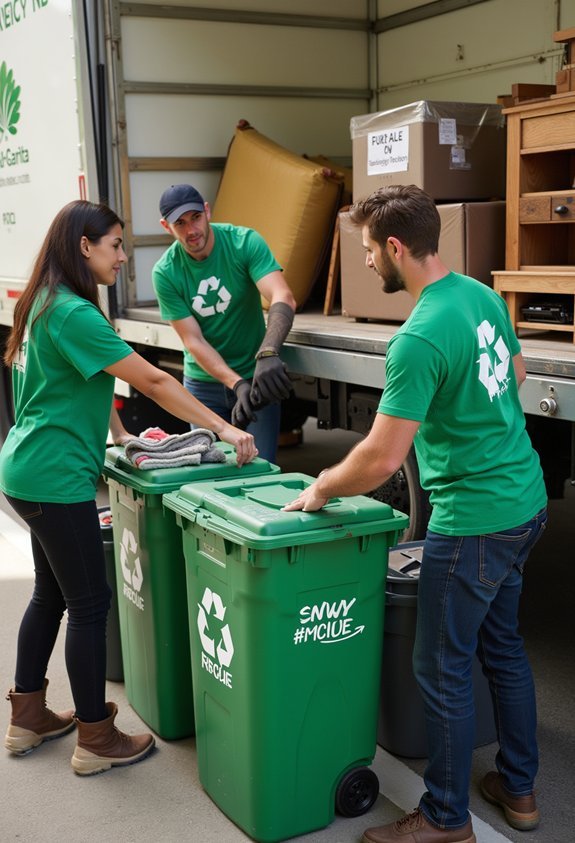
Look, sometimes you’ve got way too much stuff to haul away yourself—like that ancient treadmill collecting dust in your garage or seventeen years’ worth of mystery boxes in your attic.
That’s when junk removal services become your best friend.
But here’s the thing—not all services are created equal.
You’ll want to find companies that actually prioritize eco friendly practices instead of just dumping everything in a landfill.
Ask them directly: “What’s your approach to responsible disposal?”
The good ones will tell you about their donation partnerships, recycling programs, and how they separate materials.
It costs roughly the same either way, so why not choose the company that’ll donate your old furniture to families who need it?
You may also like:





Your clutter gets cleared, someone else benefits, and the planet doesn’t suffer.
Win-win-win.
In case you were wondering
How Do I Decide What Clutter to Keep Versus Discard?
You’ll make better keep versus discard choices by using clear decision making strategies: Ask yourself if you’ve used items recently, whether they hold genuine value, and if they serve your current lifestyle. Let go of duplicates and broken things.
What Should I Do With Sentimental Items I No Longer Use?
You can photograph sentimental items for memory preservation before letting them go. Alternatively, create dedicated sentimental storage by keeping only your most meaningful pieces in a special box. This way, you’ll honor memories without keeping everything.
How Can I Prevent Clutter From Accumulating Again in the Future?
Adopt a minimalist mindset, implement effective organization strategies, and establish clear boundaries. You’ll prevent future clutter by buying intentionally, decluttering regularly, and assigning everything a designated space where it belongs in your home.
What’s the Best Order to Tackle Decluttering Different Rooms in My Home?
Start with your bedroom essentials first, then move to the bathroom. Next, tackle kitchen organization since you’ll use these spaces daily. Finish with living areas and storage spaces. You’ll build momentum and see quick results this way.
How Do I Motivate Myself to Start Decluttering When Feeling Overwhelmed?
Start with just one small area, like a single drawer. You’ll gain momentum from this quick win. These decluttering tips make space organization manageable—set a 15-minute timer and you’ll feel accomplished rather than overwhelmed.
Conclusion
Start with one method that feels easiest. You’ll create space, help others, and maybe even make some cash along the way.
Your future self—the one living in that cleaner, lighter space—will thank you for starting today.