11 Ways to Stay Strong During Sales Events
Stay strong during sales events by setting a firm spending limit before you walk in—write it down if you have to. Create a prioritized shopping list and treat it like a contract with yourself. Wear comfortable shoes (your feet will thank you), schedule breaks every hour to avoid decision fatigue, and bring a trusted friend who’ll stop you from buying that third discounted blender. Use price comparison apps, recognize pressure tactics for what they are, and don’t be afraid to walk away when things feel overwhelming. The strategies ahead will help you master the chaos.
Key Takeaways
- Set a concrete spending limit before shopping and use a tiered waiting period for larger purchases to avoid impulsive decisions.
- Create a prioritized shopping list organized by store sections and treat it as a contract to maintain spending boundaries.
- Download price comparison apps and use deal tracking tools to make informed decisions and counter impulse buying.
- Recognize pressure tactics like limited time offers and implement a 24-hour rule for purchases over $50 to reduce urgency.
- Bring a shopping buddy for accountability and honest feedback to prevent impulse purchases during high-pressure sales events.
Set Clear Spending Limits Before You Arrive
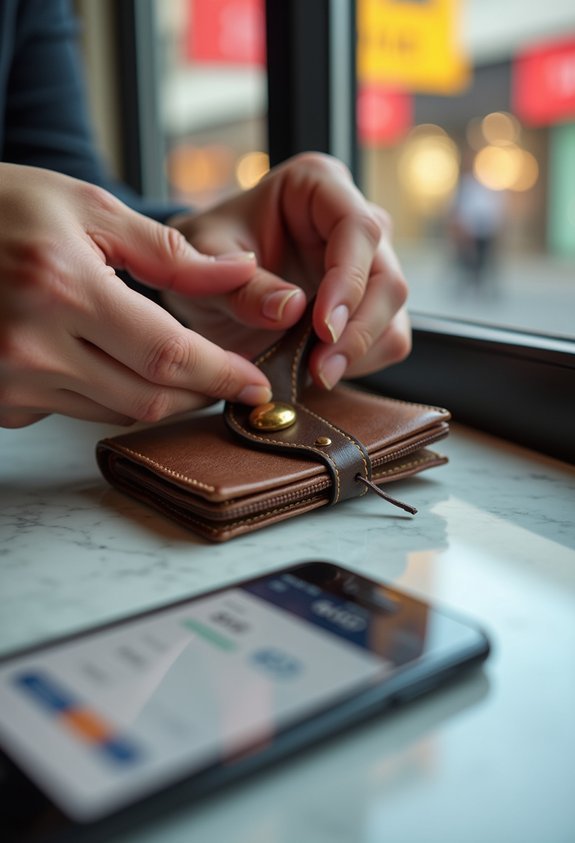
Before you even step foot in that store—or click on that tempting website—you need to know your number. Write it down, set a phone reminder, tattoo it on your hand (okay, maybe not that last one).
But seriously, having a concrete spending limit is one of the most powerful budgeting strategies out there.
Here’s the thing about spending psychology: once you’re surrounded by “70% OFF!” signs and those adorable displays, your brain gets all fuzzy. Your rational thinking basically leaves the building—Elvis style.
So decide beforehand what you can actually afford to spend without eating ramen for the next month. Be realistic. Be honest with yourself.
Your future self will thank you when the credit card bill arrives. Consider creating a tiered waiting period based on the price of items you’re tempted to buy—maybe 24 hours for smaller purchases and 48 hours for anything over a certain amount.
Create a Prioritized Shopping List and Stick to It
Once you’ve nailed down your spending limit, it’s time to make a list—and not just any random scribble of “stuff I might want.”
We’re talking about a prioritized, ranked, battle-ready shopping list that’ll keep you focused when the sales chaos hits.
Put your must-haves at the top (winter coat, new work shoes), then your nice-to-haves below (that fancy blender you’ve been eyeing).
This list organization saves you from impulse-grabbing everything with a discount sticker.
Your shopping priorities become crystal clear when they’re written down.
No wandering into the home décor section “just to browse” when you came for electronics.
Group items by store sections to minimize exposure to temptations and reduce the time you spend in high-risk zones.
Stick to it like your wallet depends on it—because, well, it does.
The list is your shield against sale-day madness.
Treat the list as a contract with yourself—adding unlisted items defeats the purpose of having spending boundaries in the first place.
Take Regular Breaks to Recharge Your Energy

When the shopping marathon starts wearing you down—and trust me, it will—stepping away for a breather isn’t weakness, it’s strategy.
Your brain gets foggy after too much decision-making (do I really need those socks?), and that’s when bad purchases happen. Schedule breaks every hour—sit down, grab water, maybe do some mindful breathing to reset your focus.
Think of breaks as energy boosters that’ll save you money in the long run.
Find a quiet corner, close your eyes for two minutes, and let your nervous system calm down. You’ll come back sharper, less impulsive, and way more confident about what deserves your hard-earned cash.
Because exhausted shopping leads to regretful buying.
Every single time.
Neuroscience shows that your focus improves when your body feels safe and calm, which is exactly what these mini-breaks create.
Stay Hydrated and Keep Healthy Snacks on Hand
Your body’s running on fumes halfway through a sale, and suddenly that overpriced food court pretzel seems like the best idea ever—spoiler alert, it’s not.
Smart hydration strategies make all the difference—keep a refillable water bottle with you and actually use it (novel concept, right?). You’ll think clearer, feel less cranky, and won’t mistake thirst for hunger.
Pack healthy snack options that won’t weigh you down. Trail mix, protein bars, or apple slices give you real energy without the sugar crash that’ll have you face-down in a clearance bin by 3 PM.
Skipping meals or relying on sugar-laden snacks can spike cortisol and drain your energy faster, turning a productive shopping trip into an overwhelming stress response.
Your future self—the one still standing strong when everyone else is wilting—will thank you.
Because nothing says “I’ve got this” like proper fuel.
Wear Comfortable Clothing and Supportive Footwear

Look, you’ve got the hydration thing down—but none of that matters if your feet are screaming at you by noon.
Your fashion choices during sales events should prioritize comfort over style (nobody’s judging your outfit when everyone’s elbow-deep in discounted merchandise).
Those cute new shoes? Leave them home.
Smart footwear options include:
- Broken-in sneakers with arch support—not the stiff ones from last week
- Moisture-wicking socks to prevent blisters and general foot misery
- Stretchy pants or leggings that won’t dig into your waist while you’re bending and reaching
- Layered tops you can shed when stores get crowded and stuffy
Think of it as athletic gear for competitive shopping.
Your feet will thank you later.
Practice Deep Breathing When Stress Levels Rise
Between the crowds, the chaos, and that stranger who just grabbed the last discounted air fryer you’d your eye on—sales events can send your stress levels through the roof faster than prices drop on Black Friday.
That’s when mindfulness techniques become your secret weapon.
Stop. Breathe in through your nose for four counts, hold it, then exhale slowly through your mouth. Do this three times—seriously, it works.
These simple stress management tricks calm your nervous system when you’re about to lose it over parking spots or checkout lines.
Think of deep breathing as your personal reset button (one that’s always available and doesn’t require waiting in line).
Your body literally can’t stay in panic mode when you’re breathing deeply.
Just 30-60 seconds of mindful breathing can lower your heart rate and help you regain control in the middle of shopping madness.
It’s science, not magic—though it’ll feel pretty magical when you’re staying zen while everyone else melts down.
Avoid Peak Hours When Crowds Are Most Intense

Of course, even the best breathing techniques can only do so much when you’re literally wedged between three shopping carts, two strollers, and someone’s overenthusiastic elbow.
Smart crowd management means timing your visit strategically—because you don’t have to shop when everyone else does.
The secret to stress-free shopping isn’t better patience—it’s simply showing up when nobody else does.
Here are peak strategies to avoid the chaos:
- Shop weekday mornings (especially Tuesday through Thursday, when most people are at work or school)
- Skip the first two hours after store opening on sale days—that’s when the stampede happens
- Arrive during meal times like noon or dinnertime when crowds thin out
- Check store apps for real-time crowding updates
You’ll actually find what you need without playing full-contact shopping.
Crowded environments intensify the pressure of scarcity and urgency tactics, making it harder to evaluate whether a deal genuinely serves your needs or just exploits your fear of missing out.
Use Technology to Compare Prices and Track Deals
While you’re busy dodging elbows and managing your breathing, your phone can actually be doing half the work for you—silently comparing prices, tracking deals, and making sure you’re not overpaying for that waffle maker you suddenly can’t live without.
Download a price comparison app before the chaos begins. Scan barcodes, check if that “70% off” deal is legit, and discover whether Amazon’s selling it cheaper from the comfort of your couch.
Deal tracking apps send alerts when items you’ve been eyeing drop in price—no more stalking websites like a detective.
Set up browser extensions that automatically apply coupon codes at checkout (because who remembers to Google “promo codes” when you’re panic-buying?).
Use unit pricing to compare products by common measures like price per ounce, ensuring you’re getting the best value even when sale signs are screaming at you from every direction.
Your phone’s smarter than impulse decisions.
Let it help.
Know When to Walk Away From Pressure Tactics

That “limited time offer” flashing in neon letters? It’s designed to hijack your brain—and honestly, it works on all of us sometimes.
Developing pressure awareness means recognizing these tactics when they’re happening. You’ll spot the fake urgency, the “last one in stock” claims (spoiler: there’s always more), and those salespeople who suddenly become your best friend.
Here’s your escape plan:
- Take a bathroom break to clear your head and check prices online
- Practice assertive negotiation by saying “I need time to think” without apologizing
- Set a 24-hour rule for purchases over $50
- Leave your credit card in the car for that extra decision buffer
Research shows that implementing a 24-hour delay can reduce discretionary spending by 20-30%, giving your rational brain time to catch up with your emotions.
Walking away isn’t rude—it’s smart shopping.
Bring a Trusted Shopping Partner for Support
A shopping buddy acts as your reality check when those markdown signs start making everything look necessary.
They’ll remind you that no, you don’t actually need a third air fryer—even at 60% off.
Peer accountability works wonders during sales chaos. Your trusted friend can literally pull you away from impulse purchases, ask the tough questions (“Will you really use this?”), and keep your shopping list front and center.
Choose someone who knows your goals and isn’t afraid to be honest. Not the friend who enables your every whim, but the one who genuinely has your back.
Having someone help you label your shopping triggers in the moment engages your prefrontal cortex, turning automatic reactions into deliberate choices.
And here’s the bonus: you’ll return the favor for them, creating a mutual support system that makes shopping smarter—and way more fun.
Schedule Downtime After the Event to Recover

Once the shopping frenzy ends and you’ve finally made it home with your haul, your brain will be absolutely fried. You deserve—no, you *need*—proper recovery time.
You may also like:





Think of it like this: athletes rest after marathons, and Black Friday totally counts as an extreme sport.
Black Friday shopping demands the same recovery protocol as marathon running—complete with rest days and proper refueling.
Here are essential self care strategies for bouncing back:
- Block off the next day for absolutely nothing (yes, you can stay in pajamas until 3 PM)
- Do a post event reflection to celebrate your wins and learn from impulse buys
- Hydrate and eat real food because mall pretzings aren’t a complete meal group
- Unsubscribe from retailer emails before they tempt you again
- Clear one surface in your home from shopping bags and receipts—orderly surroundings help lower cortisol levels and signal to your nervous system that the chaos is over
Your future self will thank you.
In case you were wondering
How Can I Handle Conflicts With Other Shoppers During Busy Sales?
Stay calm and practice shopping etiquette by maintaining personal space. If conflict resolution becomes necessary, you’ll find politely addressing issues works best. Don’t engage in arguments—involve store staff when needed. Remember, everyone’s there for deals, so show patience.
What Should I Do if I Regret a Purchase Immediately?
Like a reflex you can’t ignore, act quickly to review return policies before leaving the store. Check your receipt immediately, practice impulse control by pausing to assess why you’re regretting it, then process the return promptly.
Are There Psychological Tricks Stores Use to Make Me Buy More?
Yes, stores use several tactics. They’ll display price anchoring by showing inflated “original” prices next to sale prices. You’ll also see urgency cues like “limited time” or countdown timers that pressure you into buying quickly.
How Do I Manage Shopping With Children During Major Sales Events?
Like herding cats, you’ll need solid shopping strategies when managing kids during sales. Plan children distractions beforehand—bring snacks, tablets, or small toys. You’ll shop faster and avoid meltdowns while staying focused on your actual needs instead of impulse buys.
What Are the Best Payment Methods to Use During Sales?
You’ll maximize savings by using credit card rewards programs that offer cashback or points on purchases. Digital wallets like Apple Pay or Google Pay provide quick, secure checkouts and often include additional purchase protection and exclusive deals.
Conclusion
You’ve got this—seriously! Sales events don’t have to leave you exhausted, broke, or drowning in buyer’s remorse. With these strategies in your back pocket, you’ll navigate the chaos like a pro (and actually enjoy yourself). Remember, it’s totally okay to take breathers, say no to pushy salespeople, and bail early if you’re wiped out. The deals will wait—your sanity won’t. Shop smart, stay strong, and treat yourself kindly afterward!