How I Define Minimalism on My Own Terms
You define minimalism on your own terms by focusing on what actually matters to you—not some arbitrary number of items or someone else’s Instagram-perfect aesthetic. Instead of counting possessions, you’ll evaluate whether things serve your current needs or bring genuine joy (not just guilt-free clutter). Your version might mean keeping that collection you love while ditching the “sophisticated adult” items you never use. It’s about intentionality, not deprivation—and as your life changes, so will your approach, which means you’re doing it right.
Key Takeaways
- Minimalism has no official rulebook; it should reflect your personal circumstances, values, and what matters most to you.
- Focus on intentionality rather than item counts; evaluate belongings based on their purpose and significance in your life.
- Let go of items tied to external expectations to create space for what truly brings joy and mental clarity.
- Your minimalism practice will evolve over time, adapting to life transitions and changing priorities without being static.
- Define minimalism flexibly on your own terms; adjustments reflect personal growth, not failure in your minimalist journey.
Why the “Rules” of Minimalism Never Worked for Me
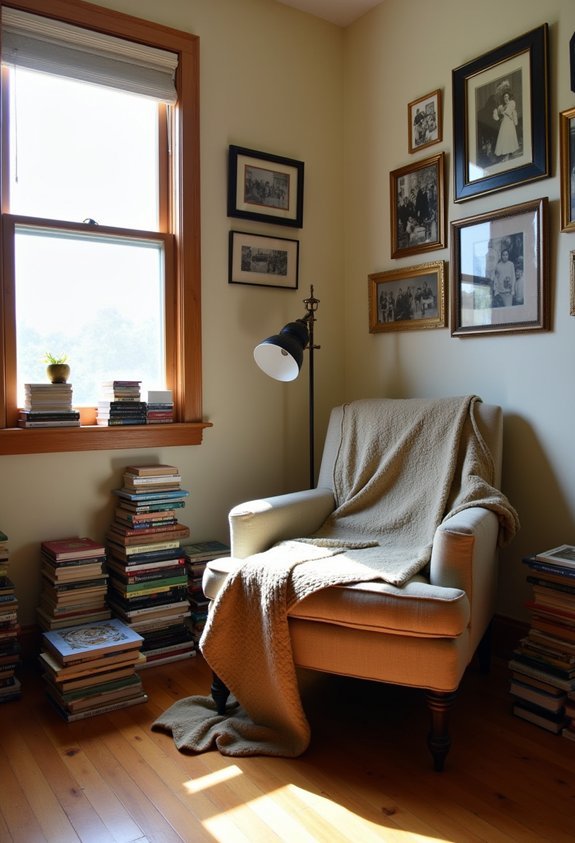
When I first discovered minimalism, I did what any excited person does—I dove straight into the rule book. You know, the one that says you can only own 100 things (or was it 50?).
There’s no official minimalism rulebook—despite what the internet wants you to believe.
Here’s the thing—those rules felt suffocating instead of freeing.
My personal experiences taught me that following someone else’s practical applications of minimalism just created stress. I’d count my books, panic about my kitchen supplies, and wonder if my hobby stuff made me a “bad minimalist.”
Spoiler alert: there’s no minimalism police.
The rules that worked for someone living in a van didn’t match my life with kids and creative projects.
And that’s completely okay—actually, it’s perfect.
I eventually realized that minimalism is about intentionality, not hitting an arbitrary number or following a prescribed formula.
The Shift From Counting Items to Evaluating Purpose
After I stopped obsessing over item counts, something interesting happened—I actually started enjoying my space again.
Instead of asking “Do I own too many mugs?” I started asking “Does this mug make my morning coffee feel special?” (Spoiler: my oversized cat mug stays, the chipped one goes.)
This is purposeful living in action.
You’re making intentional choices based on what matters to *you*—not some minimalist guru’s magic number.
Maybe you need twelve books on your nightstand because reading helps you unwind. That’s completely okay.
The question shifts from “How few things can I own?” to “Does this thing serve my life right now?”
It’s honestly so much easier.
No more guilt. No more comparing. Just you, deciding what belongs.
When you stop trying to meet someone else’s standard, you create mental space for what genuinely aligns with your own priorities.
What I Decided to Keep (and Why)
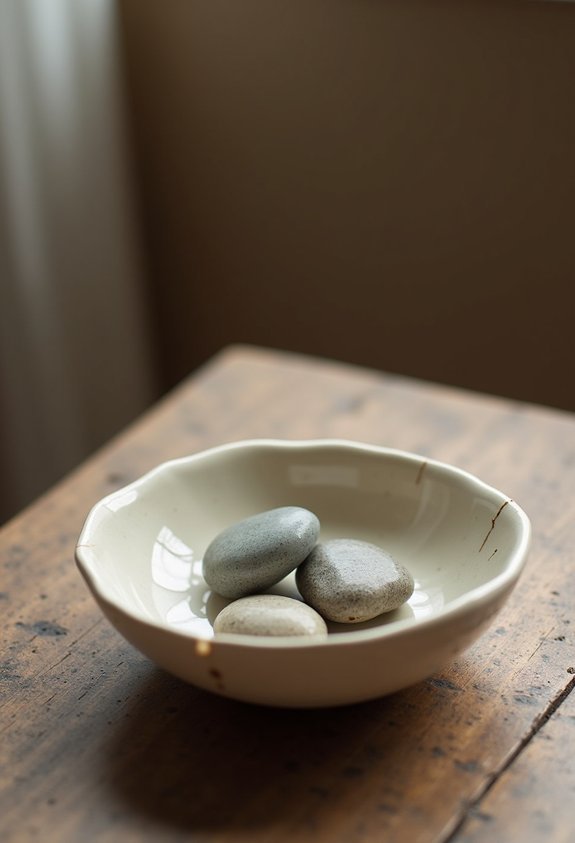
So here’s where it gets personal—I’m going to show you exactly what made the cut in my home (and probably embarrass myself a little in the process).
My practical belongings include things I use weekly, not daily. Stuff that actually earns its space.
Not everything needs to be used daily to deserve a home—weekly use counts as earning its keep.
And sentimental items? They stayed too—but only the ones that make me smile, not cry.
Here’s what survived:
- My grandmother’s teacup (broken handle and all, because memories trump perfection)
- Three—yes, three—slow cookers (don’t judge me, they get used constantly)
- Every single photo album from childhood
- That ridiculous flamingo pool float I’ve used exactly twice in five years
The point isn’t perfection. It’s keeping what matters to *you*, even if it seems weird to everyone else. When you align your surroundings with current priorities, you’re not just organizing—you’re creating mental space for what truly deserves your attention.
Letting Go of Things I Thought I “Should” Want
It’s freedom. That’s what letting go of things you thought you “should” want feels like—and honestly, it’s such a relief.
Maybe you kept that bread maker because “real adults” bake fresh loaves (spoiler: they don’t).
Or those fancy heels collecting dust because successful people wear them to important meetings.
Here’s the thing: letting go isn’t about loss. It’s about personal growth.
When you release emotional attachment to items tied to someone else’s values, you create space for what actually matters to *you*.
Not your college roommate. Not Instagram. You.
Redefining values means admitting that fancy cheese knives don’t make you sophisticated—they just take up drawer space.
And that’s okay.
Really okay.
Once you stop letting nostalgia bias keep you tethered to possessions that no longer serve your current life, you’ll discover a quieter sense of what truly deserves your attention.
When More Actually Means Less Stress
Think about it: that overflowing closet means twenty minutes of digging for your favorite jeans every morning.
More stuff actually creates more decisions, more cleaning, more organizing—and honestly, who needs that kind of chaos?
Stress reduction happens when you realize less truly is more.
Here’s what fewer possessions actually give you:
- Mornings where you’re not frantically searching for matching socks
- Weekends free from marathon cleaning sessions
- Mental space that’s not cluttered with “I should organize that” guilt
- Money saved from buying storage bins for stuff you don’t even use
Mindful living isn’t about deprivation—it’s about keeping what serves you and ditching what doesn’t.
When everything you own has a purpose (or brings genuine joy), life gets delightfully simpler.
Starting with a single hotspot like your kitchen counter or entryway table can make clearing physical clutter feel less overwhelming.
Creating My Own Guidelines Instead of Following Trends
You don’t need a white-walled apartment or exactly 33 items in your wardrobe to do it “right.”
The internet loves its rules—throw out anything you haven’t touched in six months, own only one plate per person, keep your counters completely bare—but whose life are you living here, anyway?
Your minimalism should reflect your personal values, not someone else’s Instagram aesthetic.
Maybe you need three coffee makers because each one serves a different purpose (and yes, that’s perfectly fine).
Perhaps you collect vintage postcards, and that sparks genuine joy.
The point is making intentional choices that align with what matters to you—not blindly following trends that make you feel inadequate.
Create guidelines that actually fit your life, your space, your weird little quirks.
Start by identifying friction points in your daily routine—those cluttered corners or chaotic moments that drain your energy—and let those guide your editing process.
That’s real minimalism.
The Difference Between Minimalism and Deprivation
Deprivation whispers that you can’t have nice things—that wanting more than the bare minimum makes you greedy or materialistic or somehow morally inferior.
But that’s one of the biggest minimalism misconceptions out there.
Real minimalism isn’t about punishment. It’s about intentionality—keeping what serves you, releasing what doesn’t.
Here’s how you’ll know you’re avoiding a deprivation mindset:
- You invest in quality items that genuinely improve your daily life.
- You don’t feel guilty for owning things you love and use regularly.
- You make choices based on your values, not someone else’s rulebook.
- You recognize that “enough” looks different for everyone.
Minimalism means freedom to choose, not forcing yourself to live like a monk. You’re allowed to have—and enjoy—nice stuff. In fact, keeping items you genuinely love can reduce the decision fatigue that comes from constantly second-guessing what you own.
How My Version of Minimalism Continues to Evolve
My minimalism practice from five years ago? Totally different from what I do now—and that’s completely normal for your personal journey too.
Here’s the thing: minimalism isn’t some rigid rulebook you master once and you’re done. Your evolving mindset means you’ll keep adjusting what works (and tossing what doesn’t).
Maybe you started by decluttering your closet, but now you’re thinking about digital minimalism or time commitments.
Or perhaps you once thought you needed ten plates, and now you’re totally fine with six.
The beauty? You get to change your mind.
You may also like:


Your version of minimalism should grow with you—adapting to new seasons, different priorities, shifting needs.
Major life transitions naturally prompt a re-evaluation of what minimalism means for your current reality.
That’s not failing at minimalism. That’s doing it right.
In case you were wondering
How Do I Explain My Minimalist Choices to Family and Friends?
Share your minimalist lifestyle through honest communication strategies that focus on your personal values and goals. Emphasize how simplifying brings you joy and peace. Listen to their concerns while seeking family understanding through patience, examples, and respect for different perspectives.
What Do I Do With Sentimental Items From Deceased Loved Ones?
You won’t dishonor their memory by letting go. Keep meaningful pieces that spark joy, photograph others for memory preservation, then release guilt-free. Sentimental decluttering means honoring them through cherished memories, not cluttered spaces.
How Does Minimalism Work When Living With Non-Minimalist Roommates or Partners?
Focus on your personal spaces first while respecting shared spaces. Use clear communication strategies to discuss boundaries and compromise. Lead by example rather than imposing your minimalist values, and you’ll find balance without creating conflict or resentment.
Can Minimalism Be Practiced on a Tight Budget or Limited Income?
You’ll find minimalism’s actually easier on tight budgets—it’s inherently budget friendly minimalism. You’re already buying less, which saves money. Creative decluttering means selling unwanted items, generating extra income while simplifying your space beautifully.
How Do I Handle Minimalism During Major Life Transitions Like Moving?
You’ll find moving easier by applying decluttering tips before packing. Use effective packing strategies like the “one-year rule”—donate items you haven’t used recently. This transition becomes an opportunity to reset your minimalist lifestyle intentionally.
Conclusion
You don’t need permission to do minimalism your way—turns out, the “less is more” rule works better when you’re the one deciding what “less” actually means. Your version might look nothing like the Instagram photos, and that’s exactly the point. Keep what makes your life easier, ditch what doesn’t, and ignore anyone who says you’re doing it wrong. The best minimalism is the kind you’ll actually stick with.